
 한국어
 English
 日本語
 中文(简体)
Dosage form image
Viewing nowYuridocin Capsule 4 mg (Silodosin)
Silodosin 4mg
Hard capsule · Prescription medication
Aju Pharmaceutical Co., Ltd.
MFDS item code 201502464 · Approved 2015.04.27
This product's status changed to Expired on 2025.04.27. It may no longer be sold, so consult a doctor or pharmacist before taking it.
Improvement of voiding symptoms associated with benign prostatic hyperplasia
This medication is used to improve urination disorders associated with benign prostatic hyperplasia.
For adults, administer orally either 1 capsule (4mg) twice daily after breakfast and dinner, or 2 capsules (8mg) once daily with a meal. However, increased plasma concentrations of silodosin have been reported in patients with renal impairment, and plasma concentrations may also increase in patients with hepatic impairment. Therefore, monitor the patient’s condition and adjust the dose as appropriate based on symptoms, such as by starting at a low dose (1 capsule [2mg] twice daily).
This medication should not be used in certain patients. It should not be administered to patients who are allergic to this drug, have severe kidney dysfunction, or have very poor liver function. Additionally, patients taking strong CYP3A4 enzyme inhibitors or those with a genetic lactose intolerance should also refrain from using this medication. Patients with orthostatic hypotension or with liver and kidney function problems, as well as those on other specific medications, should use this drug cautiously. Blood pressure should be monitored carefully while taking this medication, as it may lower blood pressure. Various side effects may occur while taking this medication. The most common side effects include ejaculation disorders, dry mouth, diarrhea, dizziness, nasal congestion, and headache. In severe cases, symptoms such as fainting, liver dysfunction, or jaundice may appear, so it is imperative to consult with healthcare professionals immediately if any abnormal symptoms occur. This drug lowers blood pressure, hence, when taken with hypertension medications, it may significantly lower blood pressure. There may also be an increased risk of side effects when combined with other alpha-blockers or PDE5 inhibitors, so caution is advised with such combinations. Due to possible declines in physical function among the elderly, starting with a lower dose is recommended while observing their condition. This medication should be kept out of reach of children, and it is advisable to avoid changing the storage container. While this medication helps alleviate symptoms of benign prostatic hyperplasia, it may have symptoms similar to prostate cancer, so prostate cancer status should be confirmed before administration. While on this medication, be cautious of the risks of dizziness or fainting due to orthostatic hypotension, especially during sudden changes in posture, while driving, or working at heights.
Ejaculatory dysfunction, dry mouth, diarrhea, loose stools, orthostatic dizziness, nasal congestion, dizziness, lightheadedness, headache, increased triglycerides, increased CRP, increased ALT, increased AST, increased γ-GTP, syncope, loss of consciousness, hepatic dysfunction, jaundice, erectile dysfunction, urinary incontinence, stomatitis, gastric discomfort, constipation, vomiting, nausea, loss of appetite, gastric pain, abdominal pain, abdominal distension, upper abdominal discomfort, lower abdominal pain, gastric ulcer, gastritis, atrophic gastritis, heartburn, gastric burning, duodenal ulcer, increased flatulence, increased bowel movements, feeling of incomplete evacuation, anal discomfort, fatigue, shoulder stiffness, numbness in hands and feet, feeling of mental fog, drowsiness, decreased libido, heavy feeling in the head, mood disturbances, nosebleed, runny nose, cough, swelling, atrial fibrillation, bradycardia, tachycardia, arrhythmia, loss of non-sustained ventricular contractions, orthostatic hypotension, decreased blood pressure, increased blood pressure, rash, eczema, hives, itching, intraoperative iris hypotonia syndrome, blurred vision, eye congestion, eye itching, conjunctival hemorrhage, increased total bilirubin, increased Al-P, increased LDH, increased BUN, increased creatinine, decreased white blood cell count, decreased red blood cell count, decreased hemoglobin, decreased hematocrit, increased white blood cell count, decreased platelet count, facial edema, tongue swelling, pharyngeal edema, gynecomastia, increased total cholesterol, increased urine glucose, urinary sediment, facial flushing, tinnitus, bitter taste, chest pain, lower back pain, limb fatigue, sweating, flushing, increased serum potassium level, decreased total protein, increased prostate-specific antigen, increased uric acid, increased urine protein, retrograde ejaculation, nasopharyngitis, urinary tract infection, urination disorders, excessive sedation, decreased orgasm, leg numbness, palpitations, itching, visual disturbances, fever, chills, lower limb fatigue, chest discomfort, lower back pain, shoulder pain, increased blood uric acid, increased blood creatinine, frequent urination, worsened dry mouth, hematuria, herpes zoster
Not everyone experiences these, and they can vary from person to person.
This medication is sensitive to light and should be stored in a container that does not allow light to enter. Furthermore, it is best to store it at room temperature, between 1 to 30 degrees Celsius, to maintain its efficacy.
A hard capsule with an opaque white to light yellowish granule or powder inside
60 capsules (10 capsules/PTP × 6)
Even with the same ingredient, strength, dosage form and how it is taken can differ.
Silodosin 4mg
Hard capsule · Prescription medication
Aju Pharmaceutical Co., Ltd.
Silodosin 4mg
Hard capsule · Prescription medication
JW Pharmaceutical Corporation
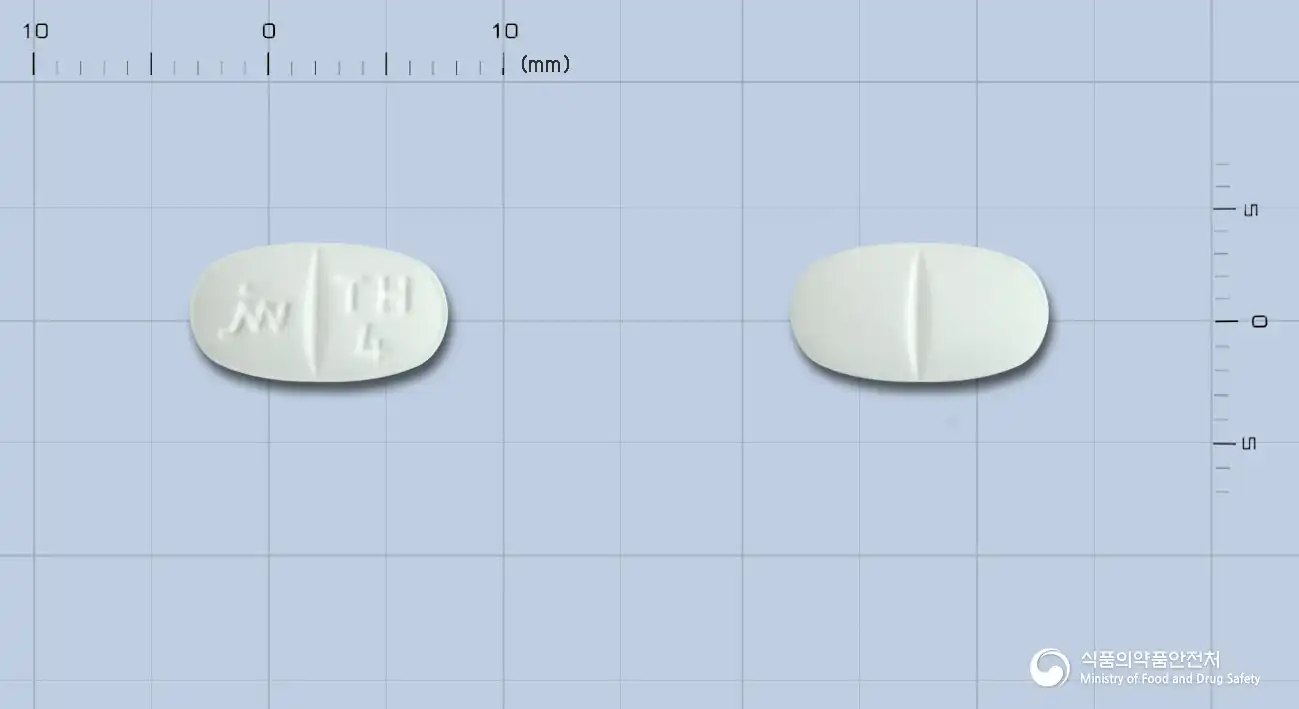
Silodosin 4mg
Tablet · Prescription medication
JW Pharmaceutical Corp.
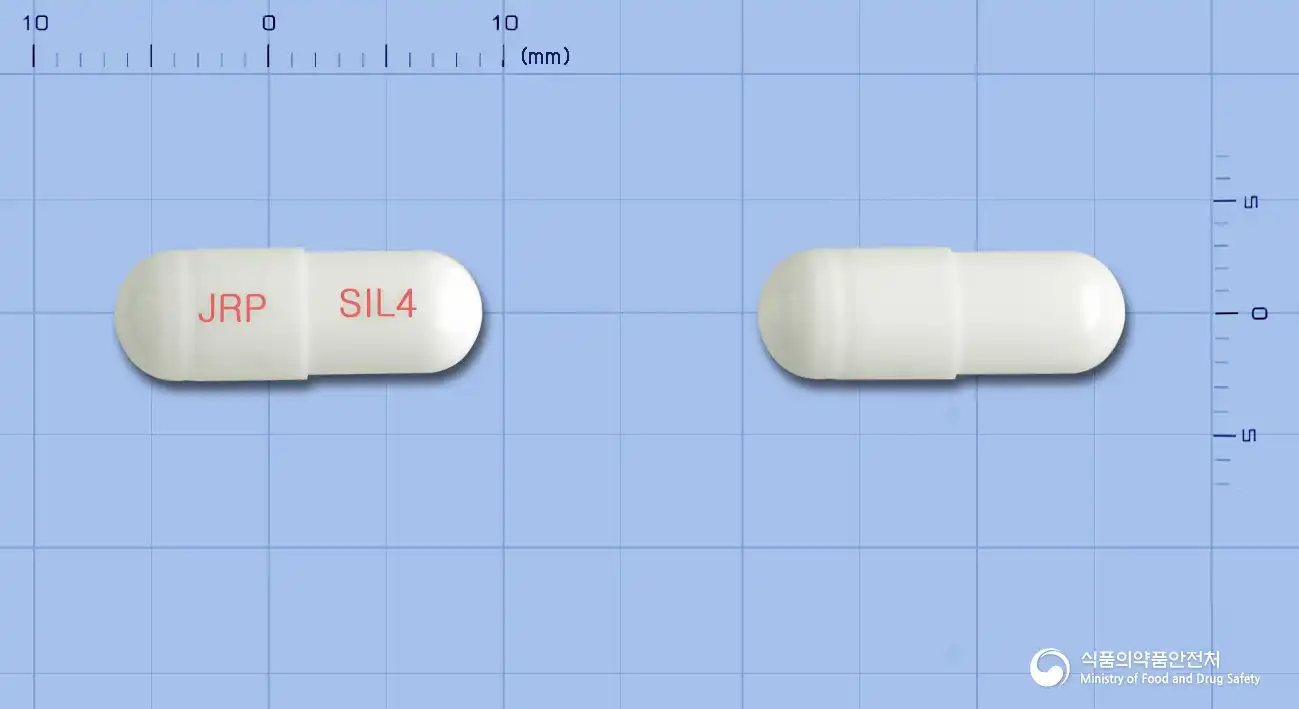
Silodosin 4mg
Hard capsule · Prescription medication
Bivoron Pharmaceutical Co., Ltd.
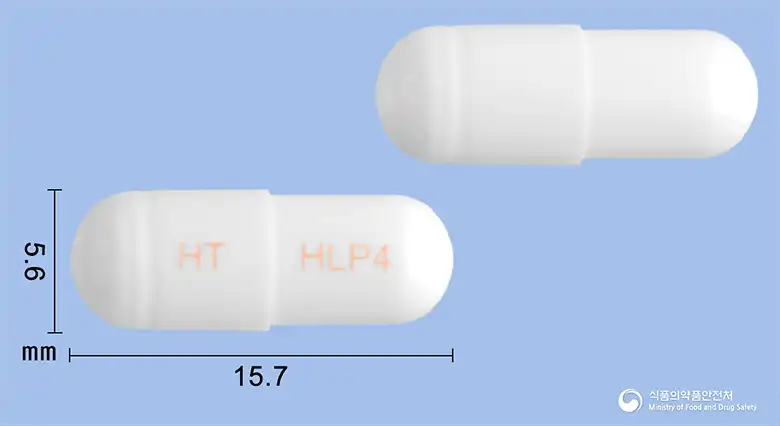
Silodosin 4mg
Hard capsule · Prescription medication
Korea Hyutex Pharmaceutical Co., Ltd.
Silodosin 4mg
Hard capsule · Prescription medication
Aprogen Biologics Co., Ltd.
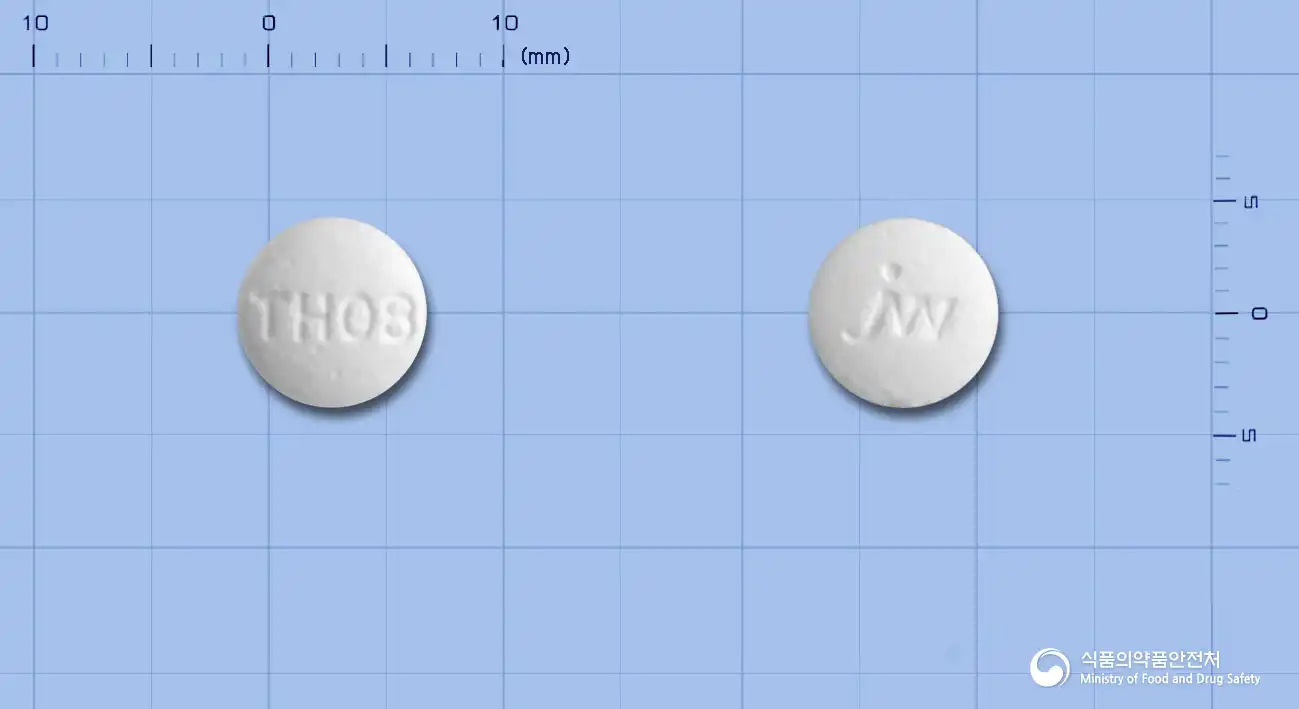
Silodosin 8mg
Orally disintegrating Tablet · Prescription medication
JW Pharmaceutical Corp.
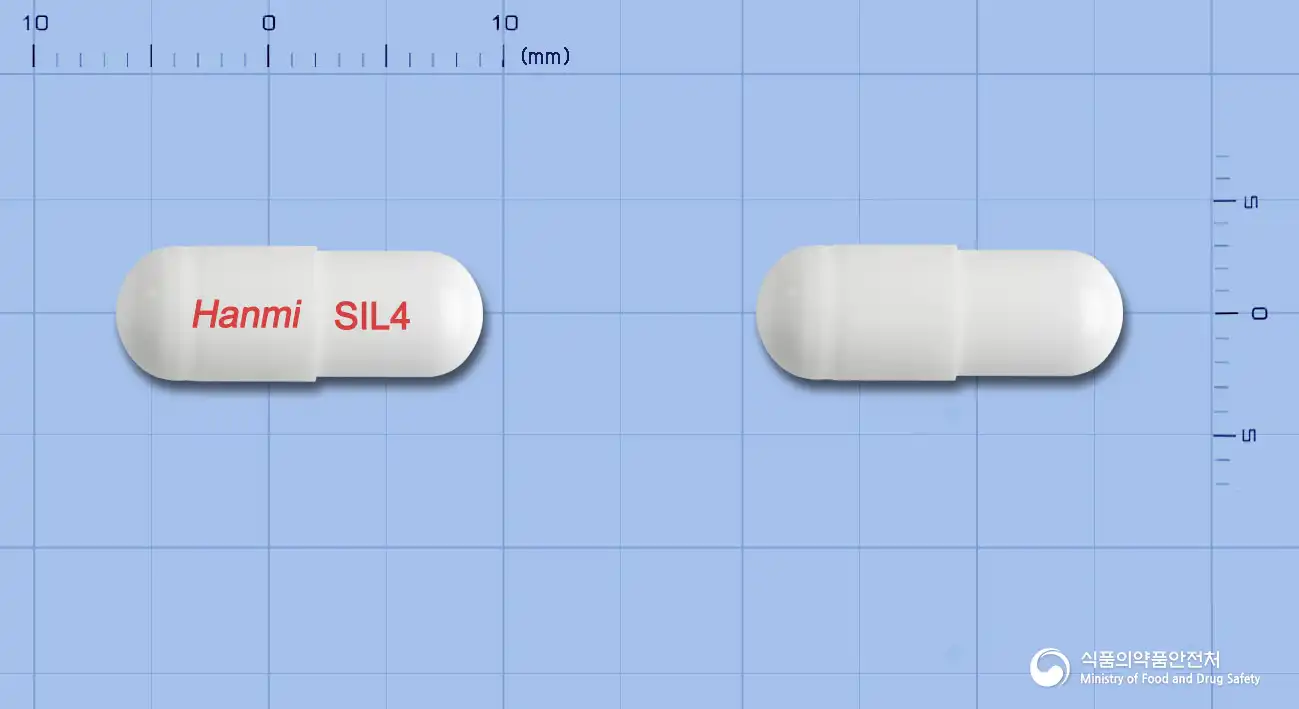
Silodosin 4mg
Hard capsule · Prescription medication
Hanmi Pharmaceutical Co., Ltd.
Even with the same ingredient, the dose and directions can differ by strength and dosage form. Talk to a doctor or pharmacist before switching from a medication you are already taking.
No questions yet.
For anything that needs medical judgment, consult a doctor or pharmacist.
This drug information is based on data provided by the Korea Ministry of Food and Drug Safety.
Consult a doctor or pharmacist for accurate dosage, administration, and usage instructions.