
 한국어
 English
 日本語
 中文(简体)
 Viewing now
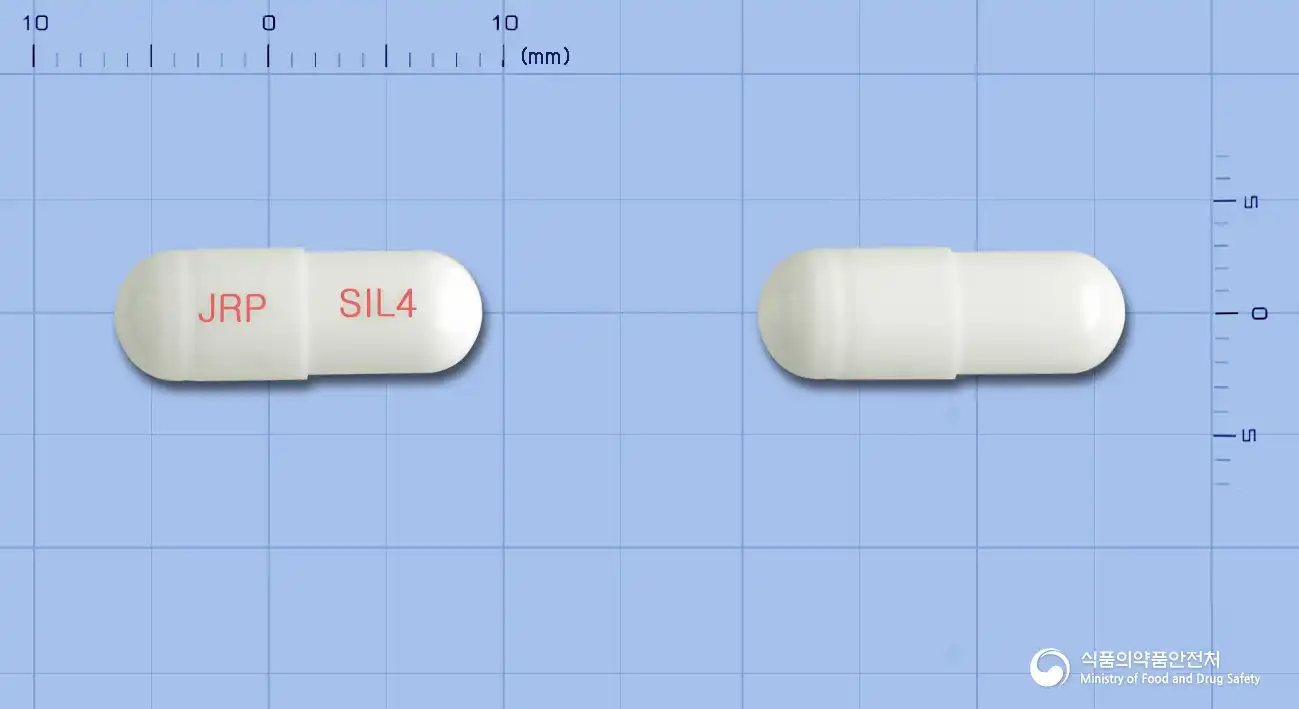
Silodosin Capsule 4 mg (Silodosin)
Silodosin 4mg
Hard capsule · Prescription medication
Bivoron Pharmaceutical Co., Ltd.
MFDS item code 201502417 · Approved 2015.04.23 · Insurance code 658202770
Improvement of urinary symptoms associated with benign prostatic hyperplasia
This medication is used to improve urination disorders that occur as a result of prostate enlargement, such as frequent urination and difficulty urinating.
Adults: Administer one 4 mg capsule twice daily after breakfast and dinner, or two 4 mg capsules (8 mg) once daily with a meal. However, increased plasma concentrations of silodosin have been reported in patients with renal impairment, and plasma concentrations may also increase in patients with hepatic impairment. Therefore, initiate treatment at a low dose (one 2 mg capsule twice daily) and adjust the dose appropriately according to symptoms while monitoring the patient's condition.
This medication should not be used by individuals allergic to specific ingredients. It should also not be taken by individuals with severely impaired kidney function or liver function. Additionally, individuals taking certain antifungal or antibiotic medications should avoid taking this medication concurrently. Those with genetic disorders that prevent the breakdown of lactose should not use this medication. Individuals with orthostatic hypotension should use this medication cautiously, and those with slightly impaired liver or kidney function should also exercise caution. Individuals taking antihypertensive agents, other alpha-blockers, and PDE5 inhibitors should particularly monitor blood pressure changes when taking this medication together. This medication may cause side effects such as retrograde ejaculation, dry mouth, diarrhea, dizziness, nasal congestion, and lightheadedness. Rarely, serious side effects such as loss of consciousness or liver function abnormalities may occur, and if any unusual symptoms arise, immediate consultation with a doctor is necessary. Blood pressure may suddenly drop while taking this medication, so it is advised to move slowly when standing up and to be cautious while driving or performing hazardous work. Care should be taken not to overdose, and if taking blood pressure medication, blood pressure changes should be closely monitored. This medication is used to treat benign prostatic hyperplasia that needs to be distinguished from prostate cancer, so it is essential to confirm the absence of prostate cancer before use. Additionally, individuals scheduled for cataract surgery should inform their surgeon about the use of this medication. Elderly individuals may have decreased liver and kidney function, so treatment should start with a lower dosage and be closely monitored. This medication should be kept out of the reach of children, and transferring it to another container should be avoided. Finally, while this medication has been reported to carry the potential for certain cancers in some animal studies, its effects on humans are unclear; therefore, long-term use should be discussed with a physician.
Not everyone experiences these, and they can vary from person to person.
This medication is light-sensitive, so it should be stored in a container that blocks light. Additionally, it is best to store it at a temperature between 1°C and 30°C. Proper storage can help maintain the effectiveness of the medication for a longer time.
Opaque white hard capsule containing white to pale yellow granular or powdered contents
60 capsules (10 capsules/PTP*6)
Even with the same ingredient, strength, dosage form and how it is taken can differ.
Viewing nowSilodosin 4mg
Hard capsule · Prescription medication
Bivoron Pharmaceutical Co., Ltd.
Silodosin 4mg
Hard capsule · Prescription medication
JW Pharmaceutical Corporation
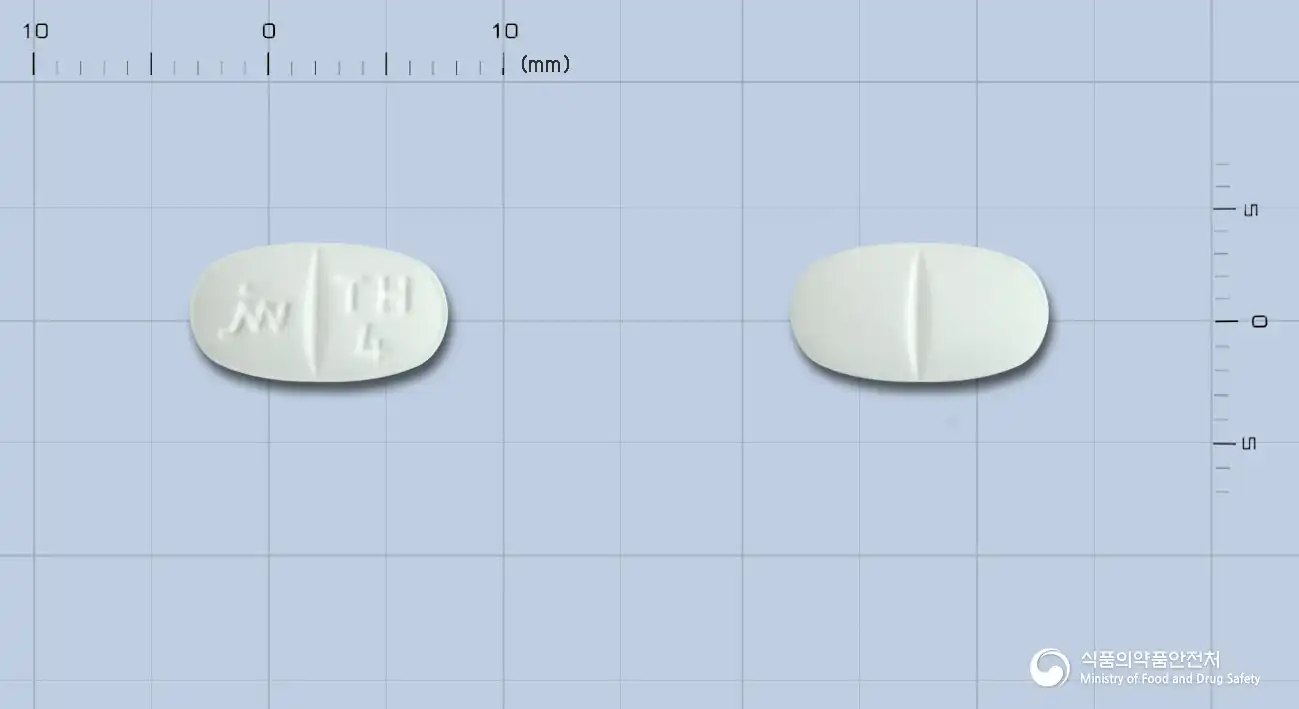
Silodosin 4mg
Tablet · Prescription medication
JW Pharmaceutical Corp.
Silodosin 4mg
Hard capsule · Prescription medication
Aju Pharmaceutical Co., Ltd.
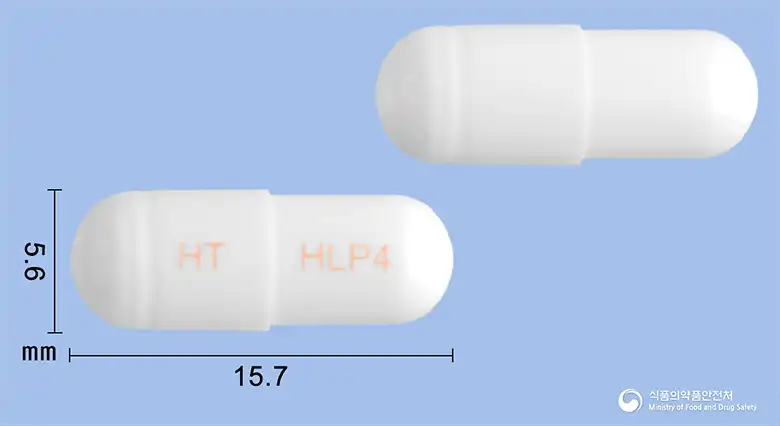
Silodosin 4mg
Hard capsule · Prescription medication
Korea Hyutex Pharmaceutical Co., Ltd.
Silodosin 4mg
Hard capsule · Prescription medication
Aprogen Biologics Co., Ltd.
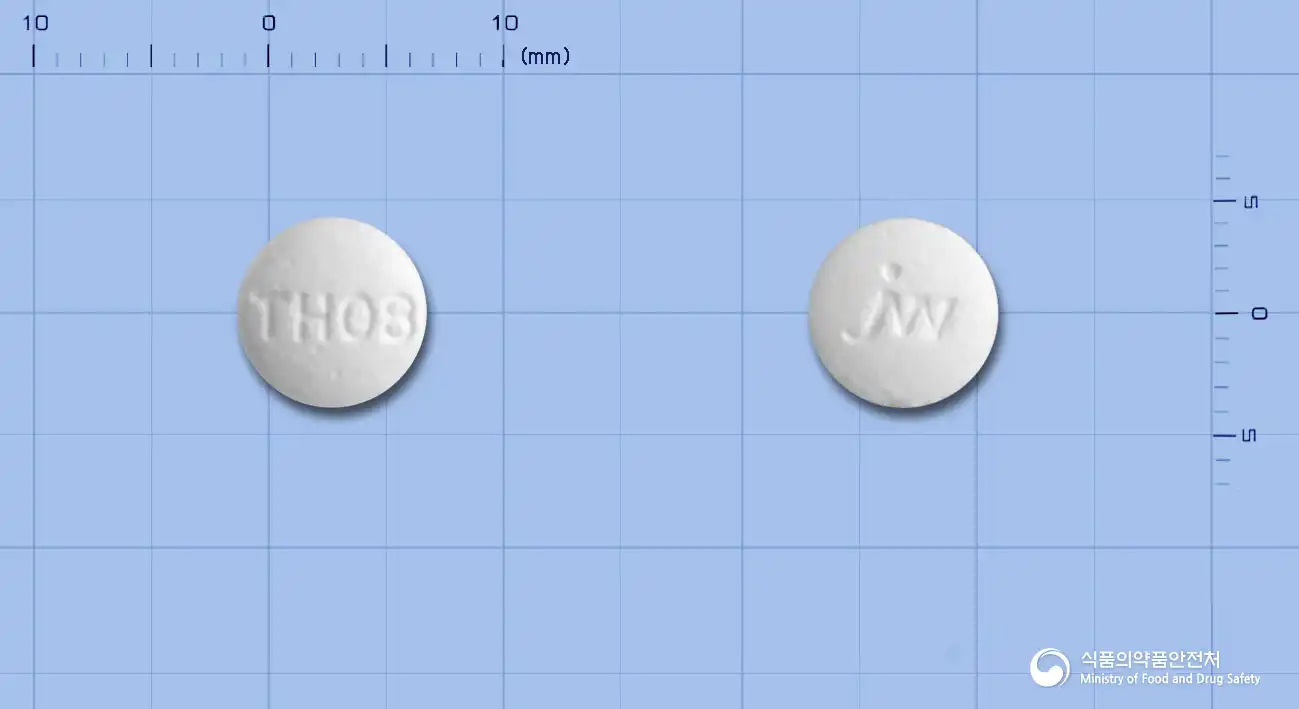
Silodosin 8mg
Orally disintegrating Tablet · Prescription medication
JW Pharmaceutical Corp.
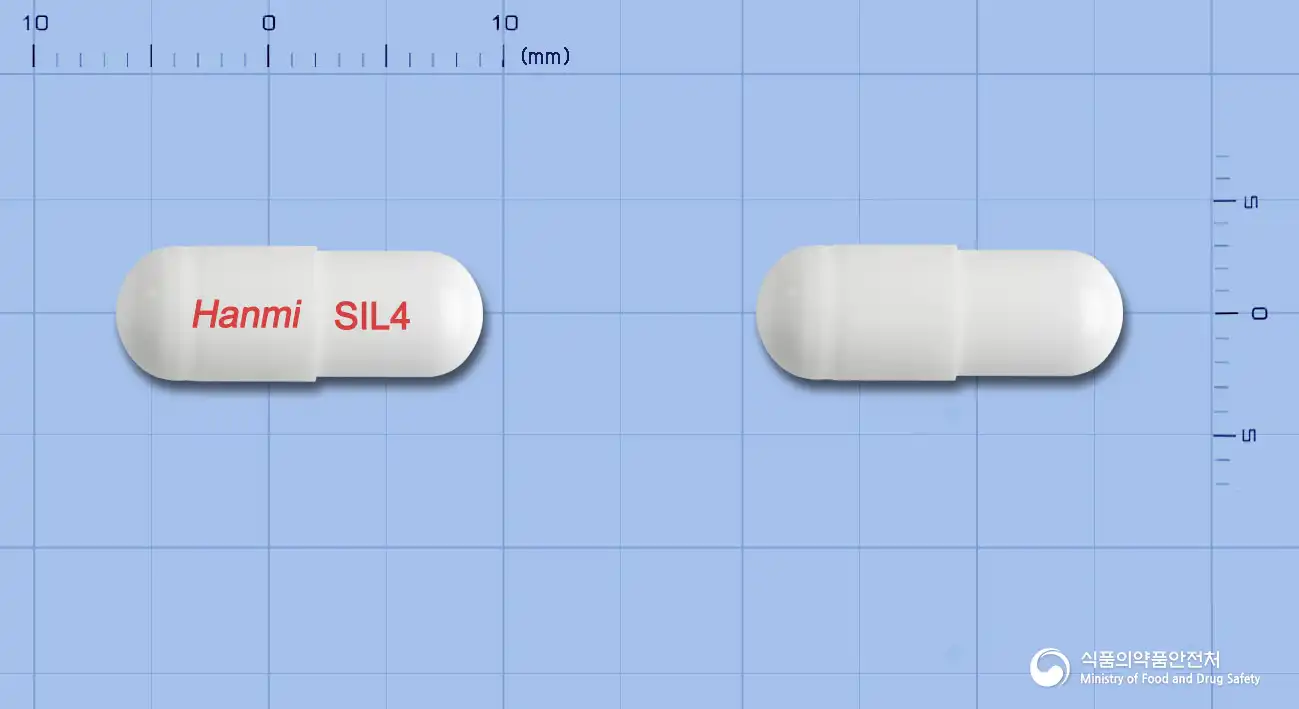
Silodosin 4mg
Hard capsule · Prescription medication
Hanmi Pharmaceutical Co., Ltd.
Even with the same ingredient, the dose and directions can differ by strength and dosage form. Talk to a doctor or pharmacist before switching from a medication you are already taking.
No questions yet.
For anything that needs medical judgment, consult a doctor or pharmacist.
This drug information is based on data provided by the Korea Ministry of Food and Drug Safety.
Consult a doctor or pharmacist for accurate dosage, administration, and usage instructions.