
 한국어
한국어 English
 日本語
日本語 中文(简体)
 Viewing now
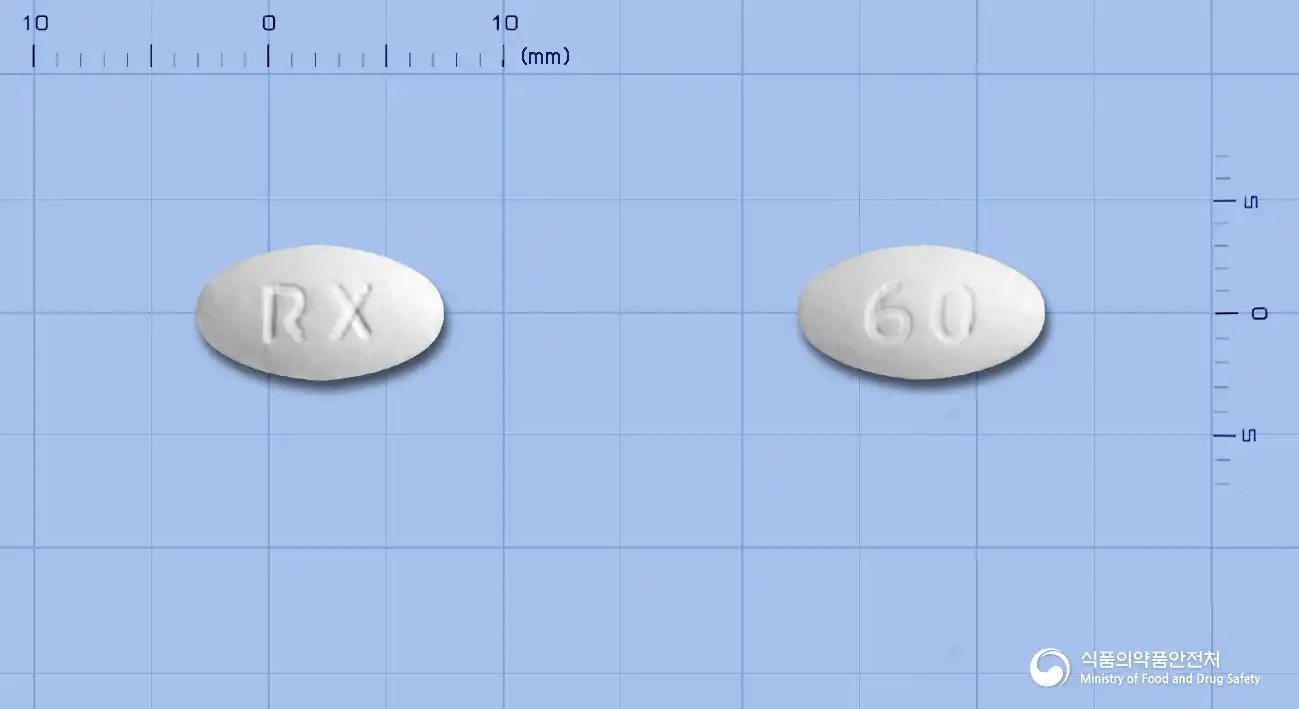
Ebisipen Tablets (Raloxifene Hydrochloride)
Raloxifene Hydrochloride 60mg
Tablet · Prescription medication
Huons Co., Ltd.
MFDS item code 201502371 · Approved 2015.04.17 · Insurance code 670607200
Treatment and prevention of osteoporosis in postmenopausal women
This medication is used to treat and prevent osteoporosis that can occur in postmenopausal women. Osteoporosis is a condition characterized by decreased bone density, which increases the risk of fractures, and is particularly common in women after menopause. This drug helps to strengthen bones and increase bone density, thereby reducing the risk of fractures. Continuous use helps maintain bone health and enhances safety in daily activities.
Raloxifene hydrochloride, 60 mg orally once daily.
This drug may increase the risk of blood clots in the bloodstream. Therefore, patients with a history of thrombosis or risk factors should be cautious, especially regarding the veins of the legs or the lungs. Since this drug is primarily processed in the liver, it is not recommended for patients with poor liver function. Regular monitoring of liver function tests is necessary. The use of this drug is not approved in premenopausal women; therefore, it should not be taken by them. Postmenopausal women with a history of heart disease or stroke should be cautious as the risk of stroke may increase with this medication. This drug is not intended for the prevention of cardiovascular diseases and has not been proven effective for patients already at high risk for cardiovascular diseases. Using this drug in conjunction with other estrogen medications is not recommended as safety has not been established. Women who are pregnant or may become pregnant and those who are breastfeeding should not take this drug as it may harm the fetus or infant. Patients with a history of thrombosis, severely impaired liver function, unexplained uterine bleeding, or suspected endometrial cancer should not use this medication. Patients who are immobile for extended periods have an increased risk of thrombosis, so this medication should be discontinued for them. Patients with high serum triglyceride levels may experience further increases in triglycerides while taking this medication and should monitor their condition through blood tests. During the use of this drug, leg cramps, facial flushing, cold symptoms, peripheral edema, etc., may occur, but in most cases, they are not severe enough to warrant stopping treatment. Rarely, side effects such as nausea, vomiting, headache, rash, and thrombocytopenia have been reported. The safety of this drug for patients with breast cancer has not been sufficiently established, so it is recommended to take it after completing breast cancer treatment. This drug is used for the prevention and treatment of osteoporosis in postmenopausal women, and it is beneficial to supplement calcium and vitamin D if they are lacking in the diet. In cases of smoking or alcohol habits, lifestyle improvements along with weight management are recommended. There is no data on the effect of this drug on driving or operating machinery. No significant interactions with other medications have been noted, but caution is necessary with specific drugs, particularly avoiding concurrent use with cholestyramine. In the event of an overdose, symptoms may include leg cramps and dizziness, and there is no specific antidote. This medication is not indicated for children or men. Store this medication out of reach of children and in its original container for safety.
Vasodilation (facial flushing), leg cramps, cold symptoms, peripheral edema, nausea, vomiting, abdominal pain, dyspepsia, headache (including migraine), rash, breast symptoms (pain, swelling, tenderness), vaginal bleeding, itching, palpitations, fever, fatigue, sweating, muscle pain, insomnia, perineal pain, weight gain, arthritis, rheumatic symptoms, pain, fatigue, discomfort, chest tightness, skin lesions, anxiety, weight loss, seizures, visual disturbances, taste disturbances
Not everyone experiences these, and they can vary from person to person.
This medication should be stored in a tightly sealed container that prevents air from entering, ideally in a cool place between 15 to 30 degrees Celsius. Proper storage can help maintain the drug's effectiveness and prevent deterioration.
White oval film-coated tablet
28 tablets (14 tablets/PTP packaging x 2)
Even with the same ingredient, strength, dosage form and how it is taken can differ.
Viewing nowRaloxifene Hydrochloride 60mg
Tablet · Prescription medication
Huons Co., Ltd.
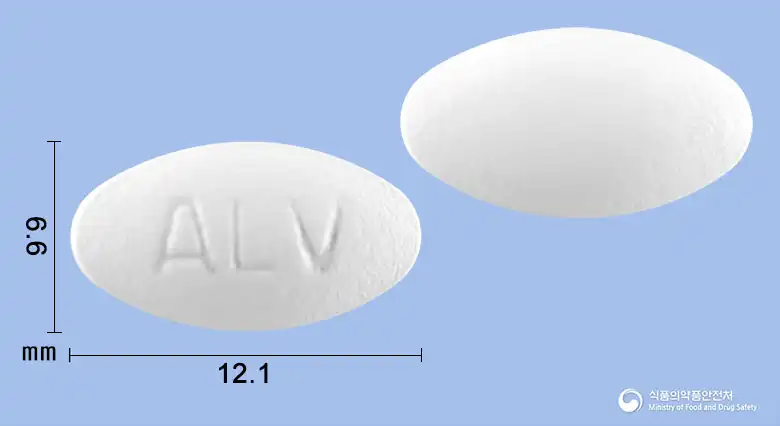
Raloxifene Hydrochloride 60mg
Tablet · Prescription medication
Alvogen Korea Co., Ltd.
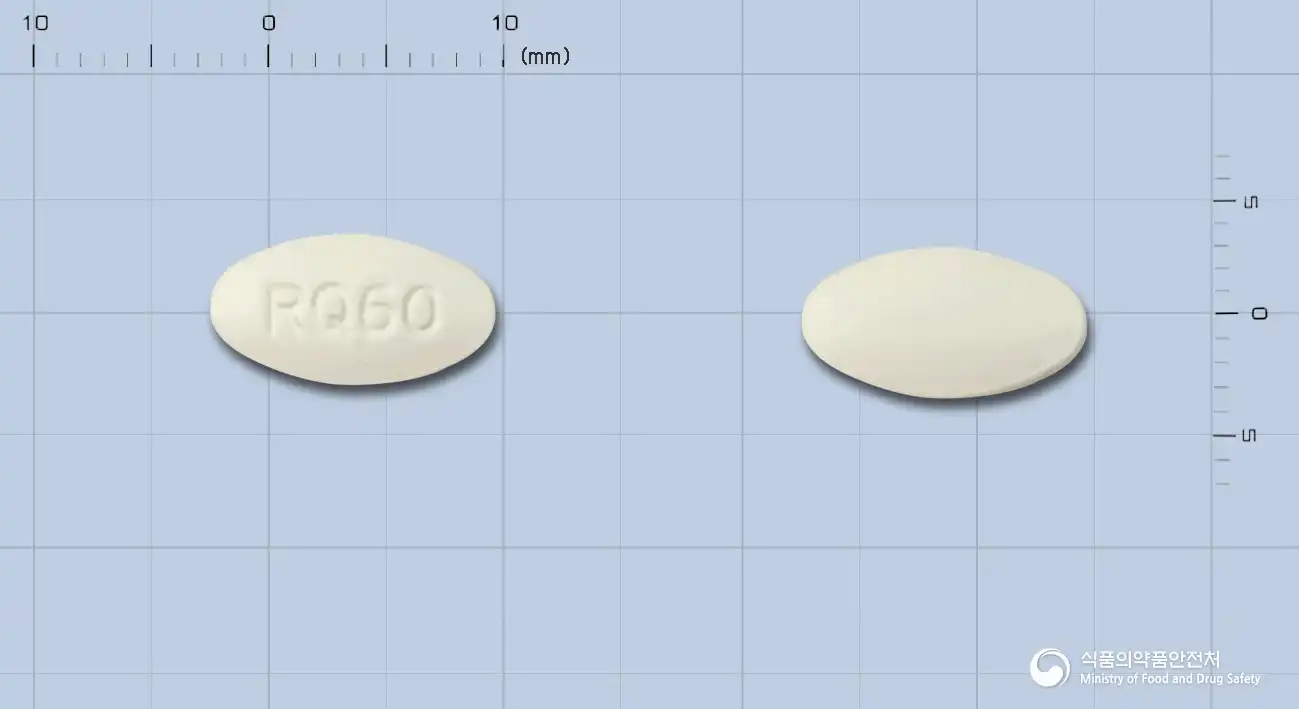
Raloxifene Hydrochloride Monohydrate 62.12mg
Tablet · Prescription medication
Jongkundang Co., Ltd.
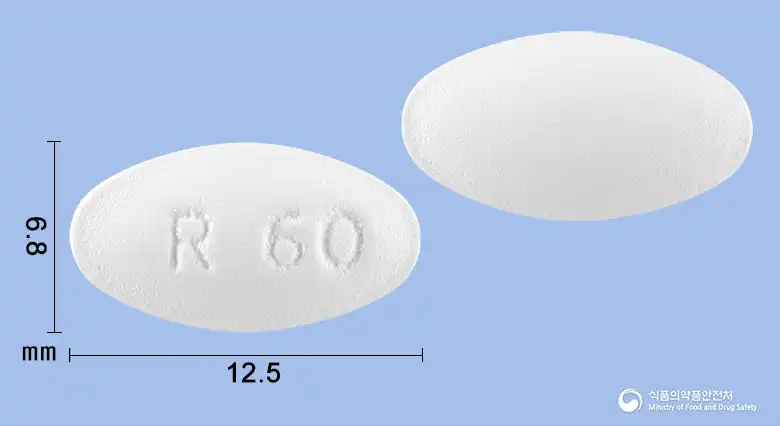
Raloxifene Hydrochloride 60mg
Tablet · Prescription medication
Hanmi Pharmaceutical Co., Ltd.
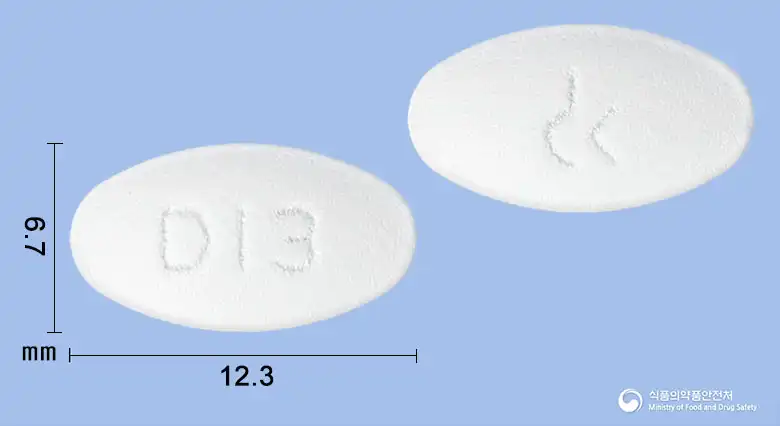
Raloxifene Hydrochloride 60mg
Tablet · Prescription medication
Dongkuk Pharmaceutical Co., Ltd.
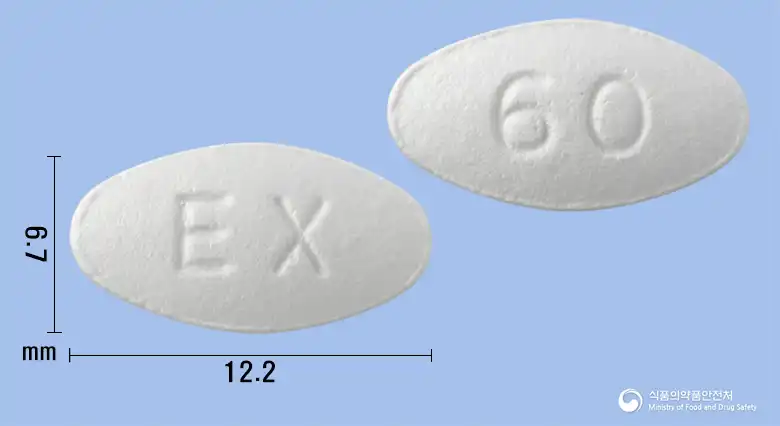
Raloxifene Hydrochloride 60mg
Tablet · Prescription medication
Ilsung IS Co., Ltd.
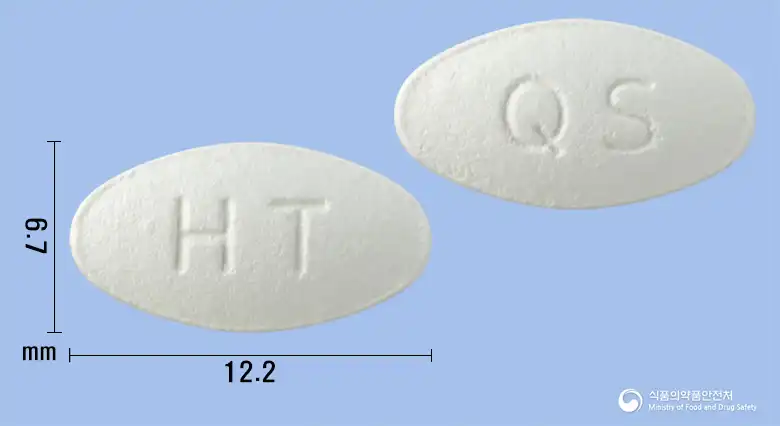
Raloxifene Hydrochloride 60mg
Tablet · Prescription medication
Hanmi Pharmaceutical Co., Ltd.
Raloxifene Hydrochloride
Prescription medication
Searle Pharmaceuticals Co., Ltd.
Even with the same ingredient, the dose and directions can differ by strength and dosage form. Talk to a doctor or pharmacist before switching from a medication you are already taking.
No questions yet.
For anything that needs medical judgment, consult a doctor or pharmacist.
This drug information is based on data provided by the Korea Ministry of Food and Drug Safety.
Consult a doctor or pharmacist for accurate dosage, administration, and usage instructions.