
 한국어
 English
 日本語
 中文(简体)
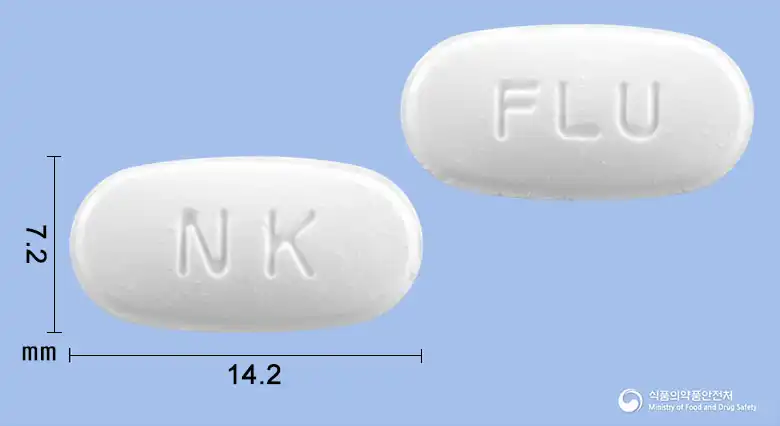 Viewing now
Monifla Tablet (Moniflumate)
Morniflumate 350mg
Prescription medication
Nexpham Korea Co., Ltd.
MFDS item code 201501927 · Approved 2015.04.09 · Insurance code 662503160
Relief of pain and inflammation associated with osteoarticular, otorhinolaryngological, and respiratory diseases
This medication treats respiratory diseases such as laryngitis, bronchitis, and bronchitis through its analgesic and anti-inflammatory actions. It is also effective for ENT conditions like sinusitis, otitis media, tonsillitis, and pharyngitis. Additionally, it is effective for musculoskeletal disorders, helping to relieve pain and reduce inflammation. It is used for improving pain and inflammation associated with various conditions.
Adults: The initial dose is 350 milligrams of moflumate twice daily. Depending on the patient, the dose may be increased to a maximum of 700 milligrams twice daily. It is preferable to start this product at a low dose and increase it to the effective dose. The dose may be adjusted as appropriate according to age and symptoms.
Those who regularly consume more than three glasses of alcohol daily should consult a doctor or pharmacist before taking this medication, as it may lead to gastrointestinal bleeding. This medication can pose risks to the heart and blood vessels, so individuals with cardiovascular diseases or risk factors should be particularly cautious. Serious issues such as myocardial infarction or stroke can occur, necessitating careful monitoring of symptoms. Severe gastrointestinal issues such as bleeding, ulcers, or perforation can arise, so individuals with a history of gastrointestinal diseases or the elderly should exercise extra caution. Gastrointestinal conditions should be closely monitored during treatment, and any abnormal symptoms should be treated immediately. Allergic reactions may develop suddenly; therefore, even if there is no previous allergy history with similar medications, caution is advised. This medication can mask inflammatory symptoms, complicating the diagnosis of infectious complications, so use with caution alongside antibiotics when infection is suspected. It should not be used in individuals with peptic ulcers, gastrointestinal bleeding, severe blood disorders, severely impaired liver or kidney function, heart weakness, uncontrolled hypertension, a history of allergies, pregnant or nursing women, children, or infants. Extreme caution is warranted for those with blood disorders, tendencies to bleed, liver or kidney dysfunction, a history of allergies, decreased heart function, autoimmune diseases, asthma, ulcerative colitis, Crohn's disease, esophageal issues, and the elderly. Various side effects such as nausea, vomiting, abdominal pain, diarrhea, skin rashes, liver dysfunction, kidney problems, and central nervous system disturbances may occur; thus, any unusual symptoms should be reported to a physician immediately. This medication should only be used at the lowest effective dose for the shortest possible duration; long-term use may necessitate regular blood tests and monitoring of liver and kidney functions. Interactions may arise when taken with other anti-inflammatory or specific medications, so it is essential to inform your doctor or pharmacist about any other medications being taken. Pregnant women should use this medication cautiously as it can be harmful to the fetus. Elderly patients are at a higher risk for side effects, so it is advisable to start with a lower dose and carefully monitor their condition. It is beneficial to take this medication with plenty of water and after meals to reduce gastrointestinal disturbances. Avoid chewing the tablets or taking them on an empty stomach. In case of overdose, emergency measures such as vomiting or gastric lavage may be necessary, and appropriate treatment should be administered according to symptoms. Keep out of reach of children and avoid transferring to other containers.
Not everyone experiences these, and they can vary from person to person.
This medication should be stored in a tightly closed container to prevent exposure to air and moisture, and it is advisable to keep it at room temperature between 1°C and 30°C. Proper storage helps maintain the medication's efficacy and safety.
Cream-colored oblong tablet
30 tablets/bottle, 300 tablets/bottle
Even with the same ingredient, strength, dosage form and how it is taken can differ.
Viewing nowMorniflumate 350mg
Prescription medication
Nexpham Korea Co., Ltd.

Morniflumate 350mg
Prescription medication
Kolon Pharmaceutical Co., Ltd.
Morniflumate 350mg
Cream · Prescription medication
Dongkwang Pharmaceutical Co., Ltd.
Morniflumate 350mg
Cream · Prescription medication
Anguk Pharmaceutical Co., Ltd.
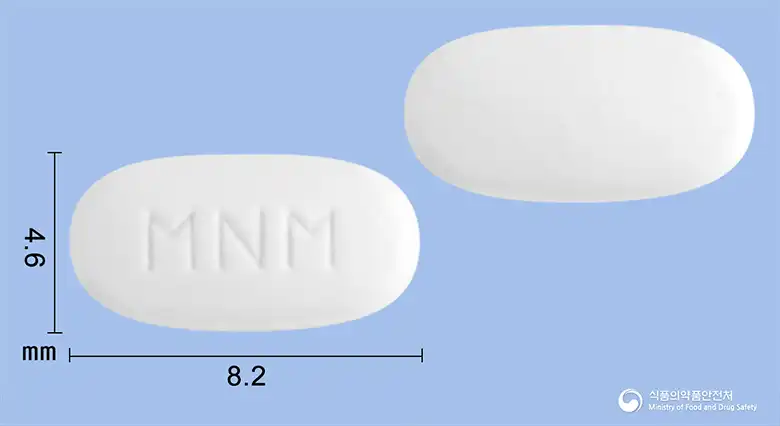
Morniflumate 350mg
Prescription medication
McNealty Pharmaceuticals Co., Ltd.

Morniflumate 350mg
Prescription medication
TerraGen Exotech Co., Ltd.

Morniflumate 350mg
Prescription medication
Allico Pharmaceutical Co., Ltd.
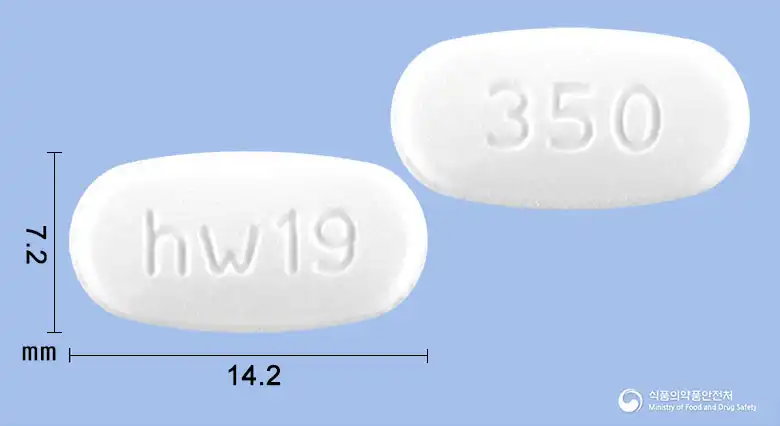
Morniflumate 350mg
Prescription medication
Hawon Pharmaceutical Co., Ltd.
Even with the same ingredient, the dose and directions can differ by strength and dosage form. Talk to a doctor or pharmacist before switching from a medication you are already taking.
No questions yet.
For anything that needs medical judgment, consult a doctor or pharmacist.
This drug information is based on data provided by the Korea Ministry of Food and Drug Safety.
Consult a doctor or pharmacist for accurate dosage, administration, and usage instructions.