
 한국어
 English
 日本語
 中文(简体)
 Viewing now
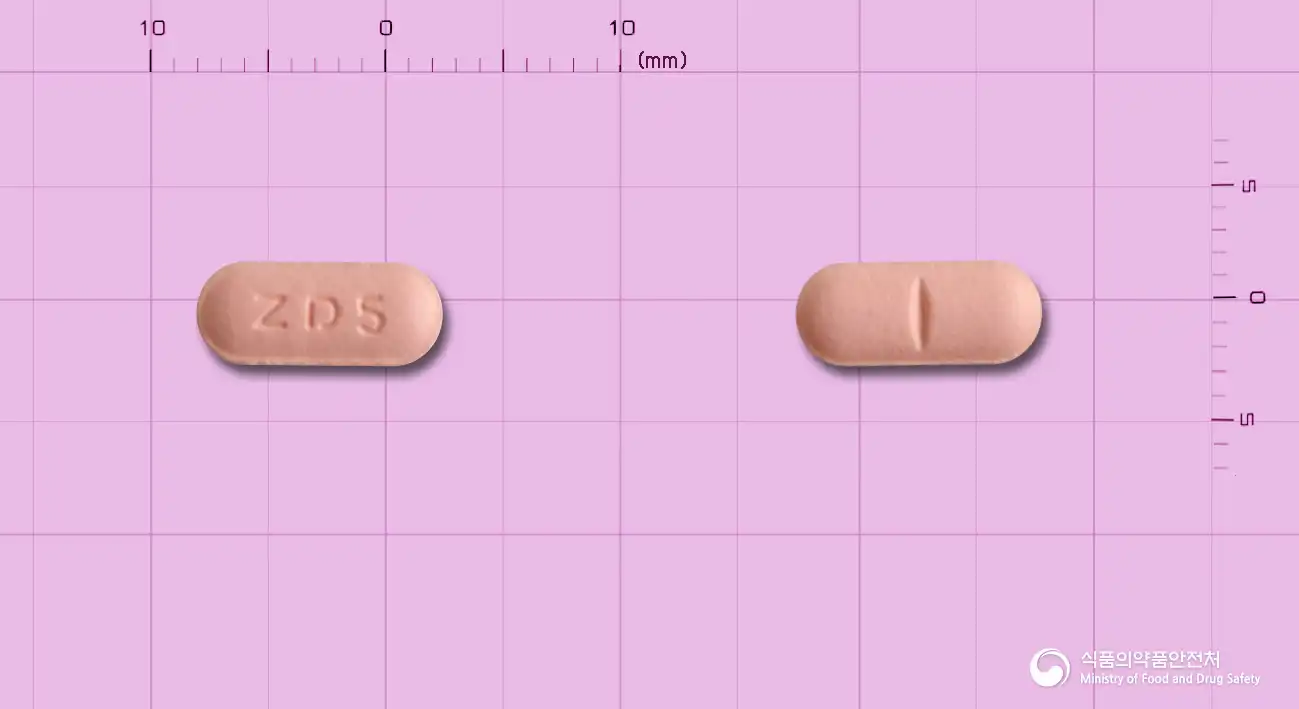
Zolfid Tablet 5 mg (Zolpidem Tartrate)
Zolpidem Tartrate 5mg
Tablet · Prescription medication
Hanmi Pharmaceutical Co., Ltd.
MFDS item code 201501813 · Approved 2015.04.03 · Insurance code 643507160
Short-term treatment of insomnia in adults
This medication is used to treat short-term insomnia in adults. It improves difficulty falling asleep and enhances the quality and quantity of sleep. It helps alleviate the discomfort of daily life caused by insomnia and facilitates comfortable rest. This medication is designed for short-term use to safely support sleep. It is a drug that helps to effectively fall asleep and maintain deep sleep.
Because this medicine has a rapid onset of action, take it orally immediately before going to bed. The recommended daily dose for adults is 10mg. Use the lowest effective dose, and do not exceed the recommended dose of 10mg. Because older or debilitated patients may be sensitive to the effects of this medicine, the recommended dose is 5mg, and the daily dose should not exceed 10mg. As metabolism and excretion of this medicine may be reduced in hepatic impairment, start with a dose of 5mg, exercising particular caution as in older patients. For adults under 65 years of age, the dose may be increased to 10mg if adherence is good but the clinical response is inadequate. Because taking this medicine may impair driving or other activities requiring full alertness the following day, take it once immediately before bedtime and allow at least 7-8 hours between taking the medicine and waking up. The duration of treatment generally varies from a few days to 2 weeks, up to a maximum of 4 weeks. When clinically appropriate, the dose should be reduced gradually. As with other sleeping medicines, long-term use is not recommended. The treatment period should be as short as possible and should not exceed 4 weeks. The risk of abuse and dependence increases with the duration of treatment; do not continue beyond the maximum treatment period without reassessing the patient's condition.
Do not administer this medicine to children.
When taking this medication for the first time or resuming it, there may be incidents of sleepwalking, driving, or engaging in other actions while not fully awake. Such actions can lead to serious injuries to oneself or others and can sometimes be fatal. Care must be taken as the use of this medication together with alcohol or other central nervous system depressants can increase the frequency of these actions. Insomnia may signal a physical or mental issue, so it is essential to evaluate the cause before using this medication. In particular, elderly or frail patients should start with the minimal effective dosage and be closely monitored for side effects. During the use of this medication, symptoms such as memory impairment, abnormal behavior, hallucinations, and aggression may occur, and any unusual symptoms should prompt immediate consultation with a doctor. Discontinuation of this medication should be gradual under a doctor's direction, as sudden withdrawal can result in withdrawal symptoms such as anxiety, confusion, and muscle pain. After administration, mental fogginess may occur, so activities such as driving or operating machinery should be avoided, and it should not be taken with alcohol. The risk of respiratory depression or coma increases when this medication is taken with opioid analgesics, and correct medical supervision is necessary. Patients with impaired liver or kidney function may experience delayed excretion of this medication, necessitating dosage adjustment and caution. It is advisable not to use this medication during pregnancy, especially in early stages, and nursing mothers should avoid it as it may be transmitted through breast milk. Children under 18 should not use this medication as its safety and efficacy have not been established. During use of this medication, the risk of side effects may increase when used with other central nervous system depressants, so it is crucial to inform the doctor about all medications being taken. In cases of overdose, severe symptoms such as decreased consciousness or respiratory depression can occur, necessitating immediate emergency treatment. This medication should be kept out of reach of children and stored in its original container to maintain the drug's quality and safety.
Not everyone experiences these, and they can vary from person to person.
This medication should be stored in a sealed container to prevent exposure to air and moisture, at a safe room temperature between 1 degree and 30 degrees Celsius. This storage method will help maintain the drug's efficacy for a longer duration.
Pink oblong film-coated tablets
28 tablets/bottle
Even with the same ingredient, strength, dosage form and how it is taken can differ.
Viewing nowZolpidem Tartrate 5mg
Tablet · Prescription medication
Hanmi Pharmaceutical Co., Ltd.
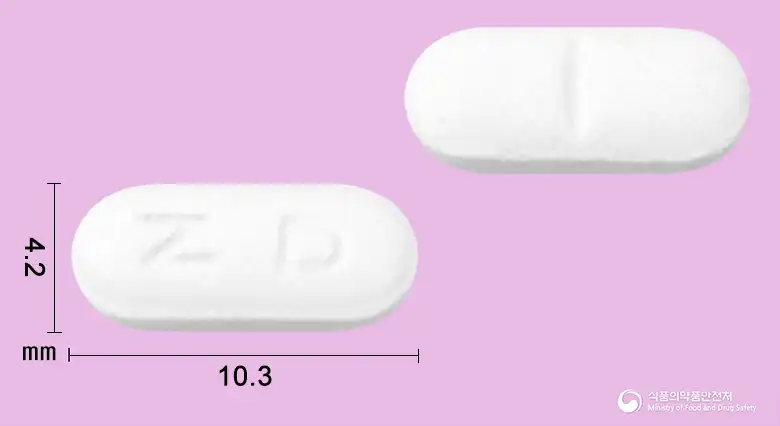
Zolpidem Tartrate 10mg
Tablet · Prescription medication
Hanmi Pharmaceutical Co., Ltd.
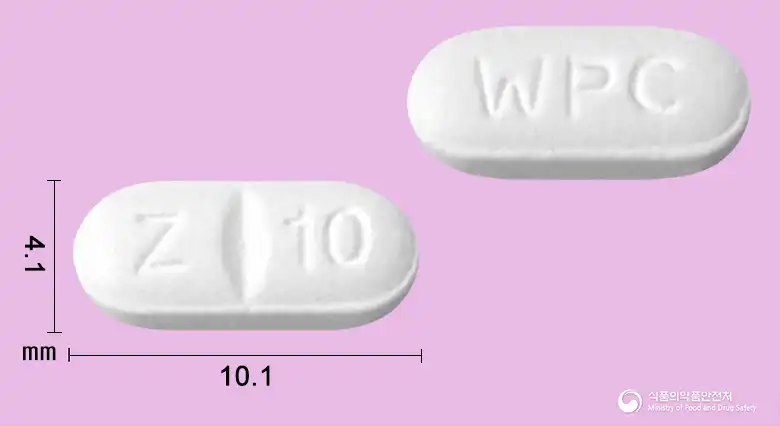
Zolpidem Tartrate 10mg
Tablet · Prescription medication
Han In Pharmaceutical Co., Ltd.
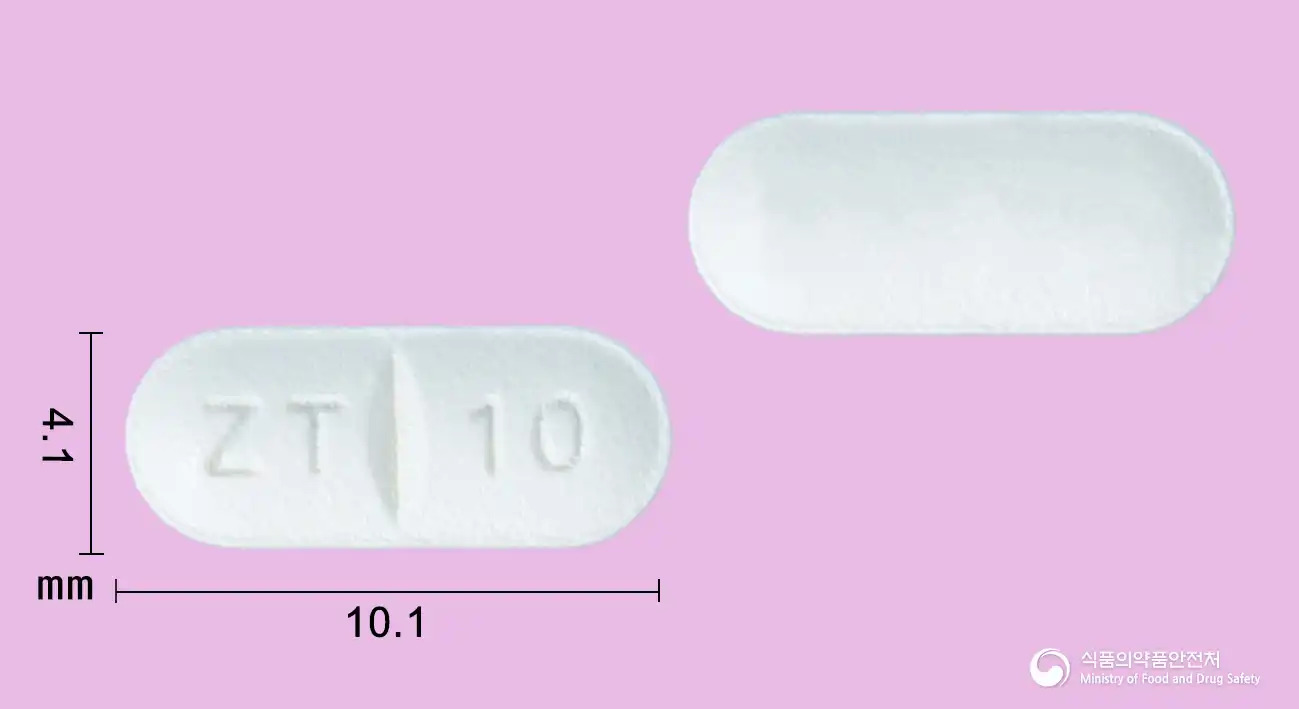
Zolpidem Tartrate 10mg
Tablet · Prescription medication
(Co., Ltd.) Korean Pharma
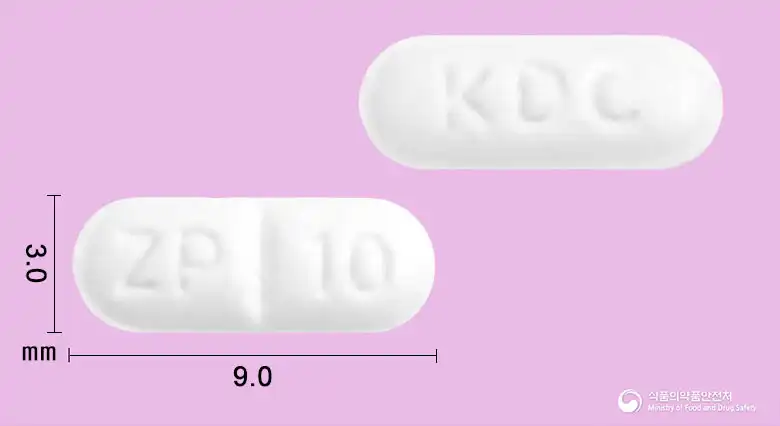
Zolpidem Tartrate 10mg
Tablet · Prescription medication
Korea Pharmaceutical Co., Ltd.
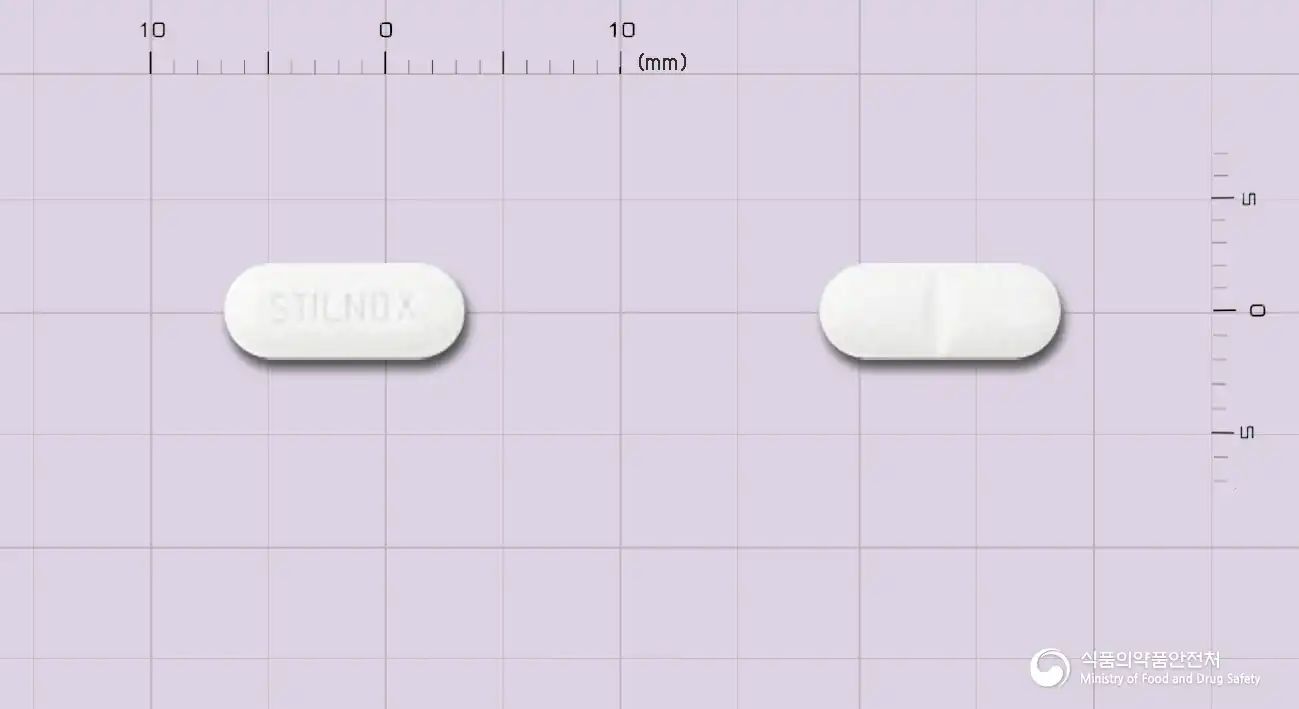
Zolpidem Tartrate 10mg
Tablet · Prescription medication
Handok Co., Ltd.

Zolpidem Tartrate 3.25mg
Tablet · Prescription medication
Handok Co., Ltd.

Zolpidem Tartrate 6.5mg
Tablet · Prescription medication
Handok Co., Ltd.
Even with the same ingredient, the dose and directions can differ by strength and dosage form. Talk to a doctor or pharmacist before switching from a medication you are already taking.
No questions yet.
For anything that needs medical judgment, consult a doctor or pharmacist.
This drug information is based on data provided by the Korea Ministry of Food and Drug Safety.
Consult a doctor or pharmacist for accurate dosage, administration, and usage instructions.