
 한국어
한국어 English
 日本語
日本語 中文(简体)
 Viewing now
Jaltop Tablet (Jaltoprofen)
Zaltoprofen 80mg
Tablet · Prescription medication
IYON Pharmaceutical Co., Ltd.
MFDS item code 201501437 · Approved 2015.03.18 · Insurance code 658603200
Anti-inflammatory and analgesic effects for chronic rheumatoid arthritis and osteoarthritis
This medication is effective for anti-inflammatory and analgesic treatment in inflammatory and degenerative joint diseases such as chronic rheumatoid arthritis, osteoarthritis, low back pain, and periarthritis of the shoulder. It is also used to alleviate pain and inflammation occurring after surgery, trauma, or tooth extraction. By improving various pain and inflammation conditions, it helps patients have a more comfortable daily life.
For Jaltoprofen, take 80 mg orally three times a day. For a single dose, administer 80 to 160 mg orally.
This medication may increase the risk of gastrointestinal bleeding in individuals who regularly consume more than three alcoholic drinks per day. Therefore, consultation with a physician or pharmacist is essential. Nonsteroidal anti-inflammatory drugs (NSAIDs), including this medication, may increase the risk of serious cardiovascular issues such as cardiovascular disease, myocardial infarction, and stroke. Patients with cardiovascular disease or risk factors need to be particularly cautious and should closely monitor for cardiovascular symptoms while taking this medication. Additionally, this medication can cause serious adverse reactions involving the gastrointestinal tract, including gastrointestinal bleeding, ulcers, and perforation, and the risk may be higher in elderly patients or those who take it long-term. If symptoms of abdominal pain or bleeding appear, immediate consultation with healthcare personnel is necessary. Patients with a history of peptic ulcers, severe blood disorders, liver impairment, kidney impairment, or heart failure, as well as those who are hypersensitive to this medication, should not take it. Patients who have had allergic reactions to aspirin or other NSAIDs should also avoid taking it. This medication should be used cautiously in patients with a history of peptic ulcers, those with liver or kidney function issues, asthma patients, hypertensive patients, and elderly individuals, who may require monitoring during treatment and regular health check-ups for adverse reactions. During treatment, symptoms such as gastrointestinal discomfort, headache, dizziness, skin rashes, and shortness of breath may occur; if these occur, discontinue use immediately and consult a healthcare professional. The risk of adverse effects may increase when this medication is taken with other NSAIDs or specific medications, so it's important to inform the healthcare provider of any medications currently in use. It should not be taken during the late stages of pregnancy due to the risk of fetal vascular closure, and it should only be used cautiously in the early and mid-pregnancy under a physician's discretion at the lowest possible dose. Breastfeeding women should avoid taking this medication as it can pass into breast milk. Safety in pediatric patients has not been established, and the dosage and frequency may need to be adjusted in elderly patients due to decreased kidney function. This medication should be kept out of reach of children and not transferred to other containers to maintain quality.
Not everyone experiences these, and they can vary from person to person.
This medication should be stored in a tightly closed container to protect it from air and moisture. The storage temperature should be maintained at room temperature between 1 and 30 degrees Celsius.
White round film-coated tablets
30 tablets/bottle, 500 tablets/bottle
Even with the same ingredient, strength, dosage form and how it is taken can differ.
Viewing nowZaltoprofen 80mg
Tablet · Prescription medication
IYON Pharmaceutical Co., Ltd.
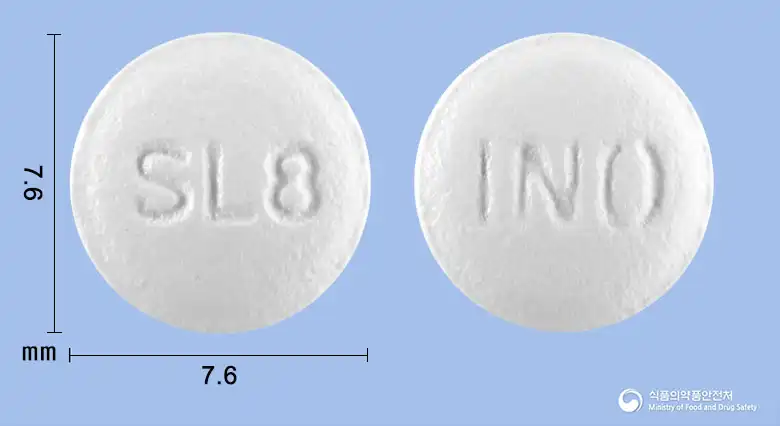
Zaltoprofen 80mg
Tablet · Prescription medication
HK inno.N Co., Ltd.
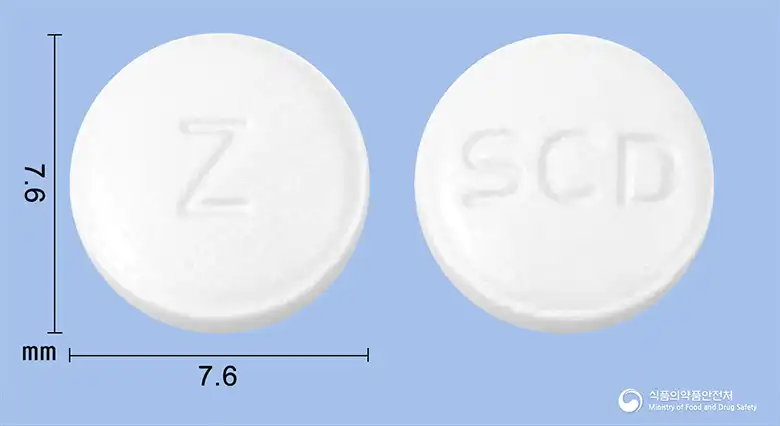
Zaltoprofen 80mg
Tablet · Prescription medication
Samchundang Pharmaceutical Co., Ltd.

Zaltoprofen 80mg
Tablet · Prescription medication
(Co., Ltd.) Yuyoung Pharmaceutical
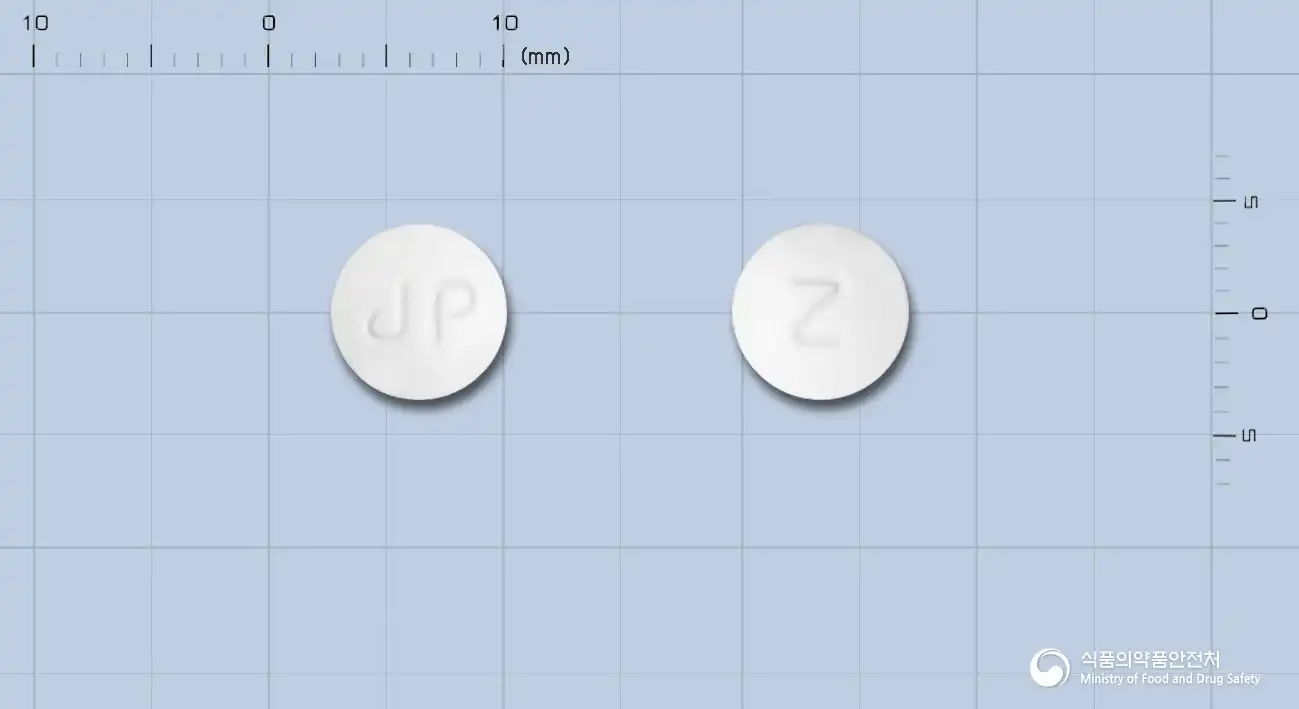
Zaltoprofen 80mg
Tablet · Prescription medication
Daehwa Pharmaceutical Co., Ltd.
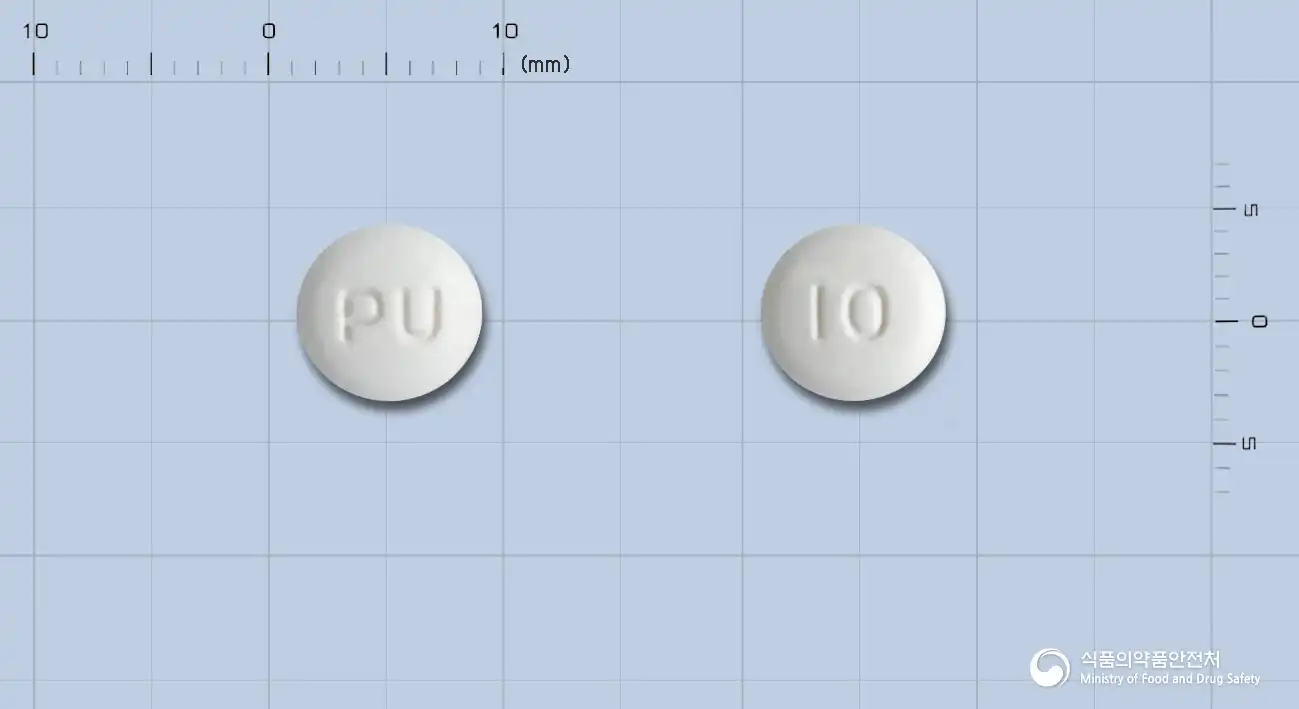
Zaltoprofen 80mg
Tablet · Prescription medication
(Co., Ltd.) Korea PMG Pharmaceutical
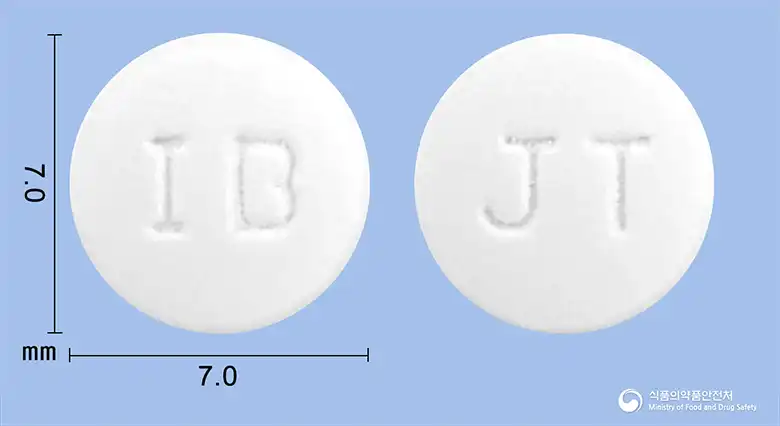
Zaltoprofen 80mg
Tablet · Prescription medication
IlYang Biopharm Co., Ltd.
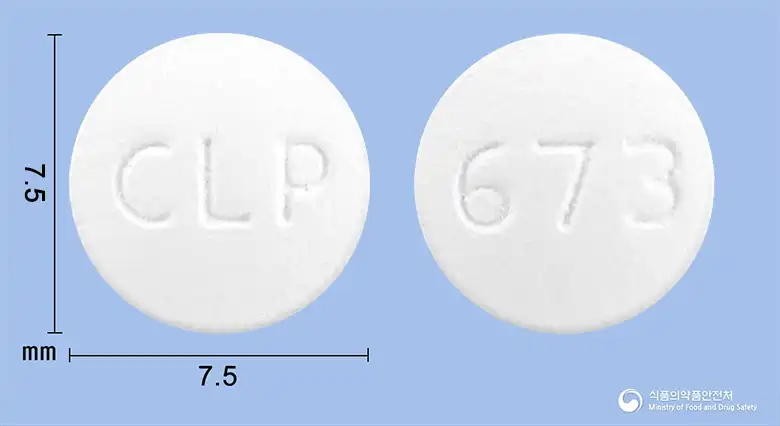
Zaltoprofen 80mg
Tablet · Prescription medication
Celltrion Pharmaceutical Co., Ltd.
Even with the same ingredient, the dose and directions can differ by strength and dosage form. Talk to a doctor or pharmacist before switching from a medication you are already taking.
No questions yet.
For anything that needs medical judgment, consult a doctor or pharmacist.
This drug information is based on data provided by the Korea Ministry of Food and Drug Safety.
Consult a doctor or pharmacist for accurate dosage, administration, and usage instructions.