
 한국어
한국어 English
 日本語
日本語 中文(简体)
 Viewing now
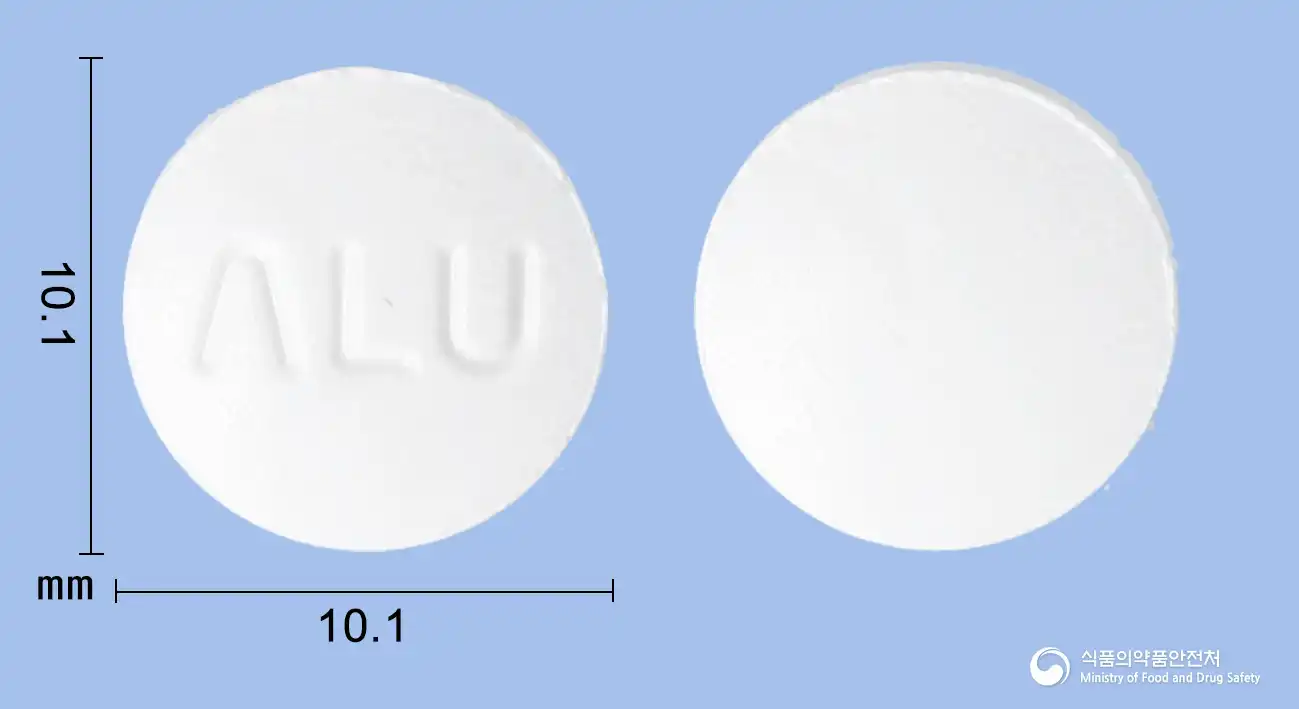
Allicurso 200 mg Ursodeoxycholic Acid Tablet
Ursodeoxycholic Acid 200mg
Tablet · Prescription medication
Allico Pharmaceutical Co., Ltd.
MFDS item code 201501406 · Notified 2015.03.17 · Insurance code 656005810
Treatment of cholesterol gallstones and improvement of liver function in patients with primary biliary cholangitis and chronic hepatitis C
This medicine is used to treat cholesterol gallstones and also helps improve liver function in patients with primary biliary cholangitis (PBC) and chronic hepatitis C. Specifically, it is effective in reducing gallstones and improving liver function, thereby enhancing the liver health of patients.
1. For cholesterol gallstones: 200-250 mg orally three times a day. 2. For primary biliary cholangitis: 200-300 mg orally three times a day with meals. 3. For chronic hepatitis C: 200 mg orally three times a day. If necessary, the dosage can be increased to 300 mg orally three times a day.
This medication should not be taken by individuals allergic to specific ingredients. Patients with severe bile duct obstruction may experience worsened symptoms due to this medication and should not take it. Caution is also needed for patients with fulminant hepatitis as this medication can aggravate symptoms. Patients with radio-lucent calcified gallstones or those without gallbladder function should not take this medication. Pregnant women, nursing mothers, and children should also avoid this medication. Patients with kidney disease and acute peptic ulcer may worsen their symptoms if they take this medication. It is advisable for patients with enteritis, such as Crohn's disease, to avoid taking this medication. This medication contains lactose, so patients with lactose intolerance or related genetic disorders should not take it. While taking this medication, it is important not to use oral diabetes medications, specific antacids, lipid-lowering drugs, or any medications that may harm the liver as these can interfere with the effectiveness of this medication or increase the risk of side effects. Patients with severe pancreatic disease, stones in the bile duct, variceal bleeding, hepatic encephalopathy, ascites, and acute liver disease should consult a specialist before taking this medication. If gastrointestinal symptoms like diarrhea, nausea, vomiting, loss of appetite, or abdominal pain occur during use, or if allergic symptoms like itching or rash develop, stop taking the medication immediately and contact a healthcare professional. Additionally, if fever, cough, or difficulty breathing occurs, the possibility of interstitial pneumonia arises, so immediate medical attention is required. Also, if general fatigue, dizziness, liver function abnormalities, or leukopenia occur, stop taking the medication and consult a professional. Patients with liver cirrhosis or the elderly should use this medication with caution and regularly undergo liver function tests for safety. Gallstone dissolution therapy can take a prolonged period (more than 6 months), so regular monitoring of treatment progress is advised, and treatment may be discontinued if ineffective. This medication should be stored out of the reach of children in a safe place and kept sealed in its original container to maintain the quality and safety of the medication.
Symptoms related to liver abnormalities (jaundice), such as fever, cough, difficulty breathing, and an increase in serum bilirubin levels.
Not everyone experiences these, and they can vary from person to person.
This medication should be stored in a tightly closed container to protect it from air and moisture. It is advisable to maintain storage temperatures between 1 degree and 30 degrees Celsius. This will help preserve the medication's effectiveness and safety.
Domestic use: white round tablets For export: white round film-coated tablets
Domestic use: 30 tablets/PTP (10 tablets/PTP × 3), 30 tablets/bottle, 300 tablets/bottle For export: 20 tablets (10 tablets/PTP × 2), 30 tablets (10 tablets/PTP × 3), 100 tablets (10 tablets/PTP × 10)
Even with the same ingredient, strength, dosage form and how it is taken can differ.
Viewing nowUrsodeoxycholic Acid 200mg
Tablet · Prescription medication
Allico Pharmaceutical Co., Ltd.
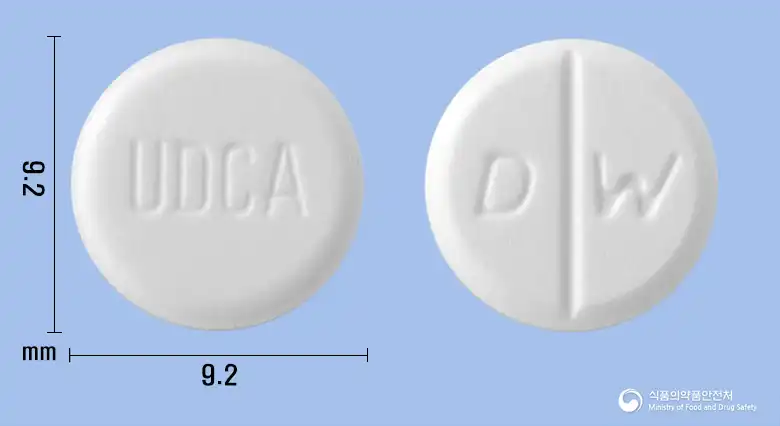
Ursodeoxycholic Acid 100mg
Tablet · OTC medication
DAEWOONG PHARMACEUTICAL CO., LTD.
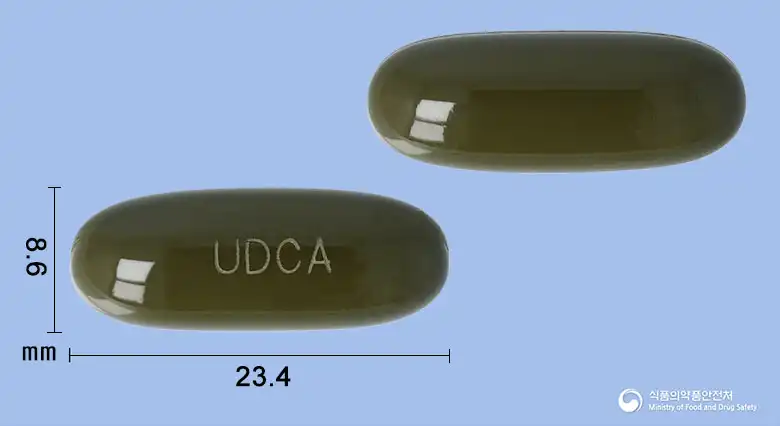
Ursodeoxycholic Acid 100mg
Soft capsule · OTC medication
DAEWOONG PHARMACEUTICAL CO., LTD.
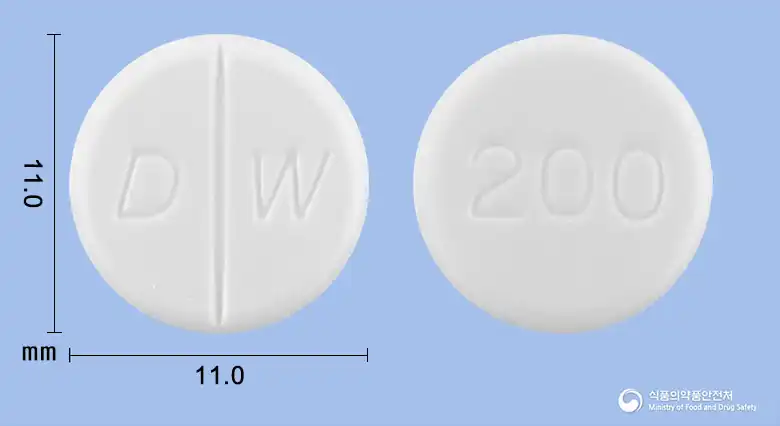
Ursodeoxycholic Acid 200mg
Tablet · Prescription medication
(Daiwoo Pharmaceutical Co., Ltd.)
Ursodeoxycholic Acid 250mg
Hard capsule · Prescription medication
Daewoong Pharmaceutical Co., Ltd.
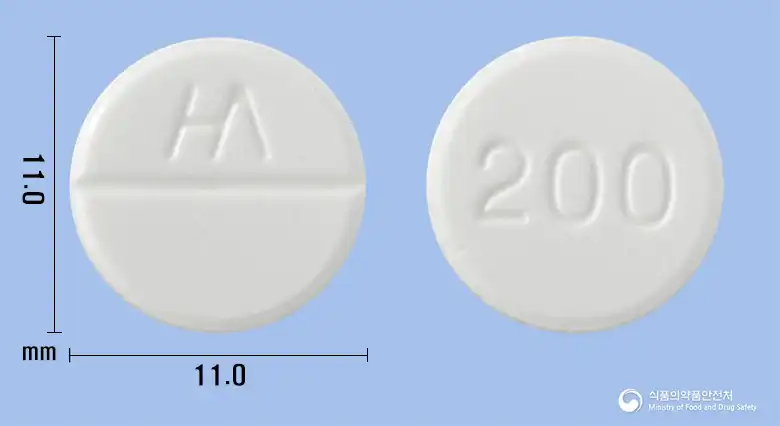
Ursodeoxycholic Acid 200mg
Tablet · Prescription medication
Hanol Biopharma Co., Ltd.
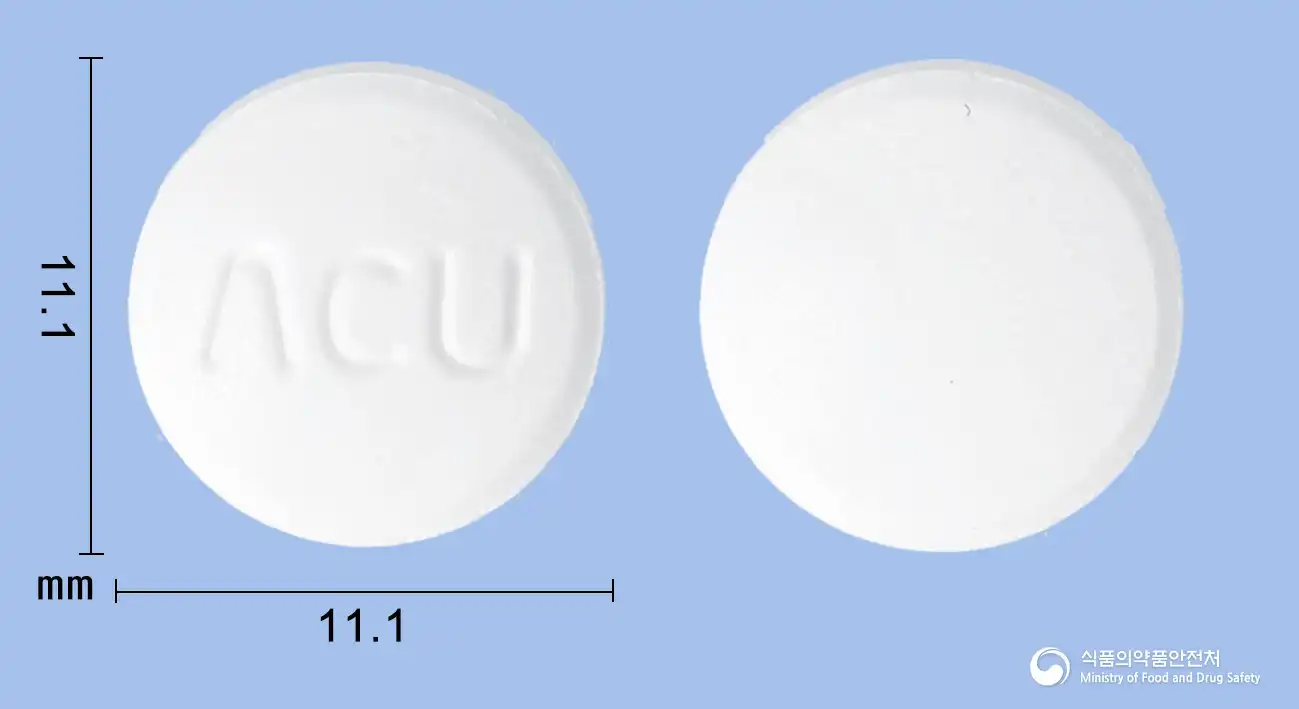
Ursodeoxycholic Acid 300mg
Tablet · Prescription medication
Allico Pharmaceutical Co., Ltd.
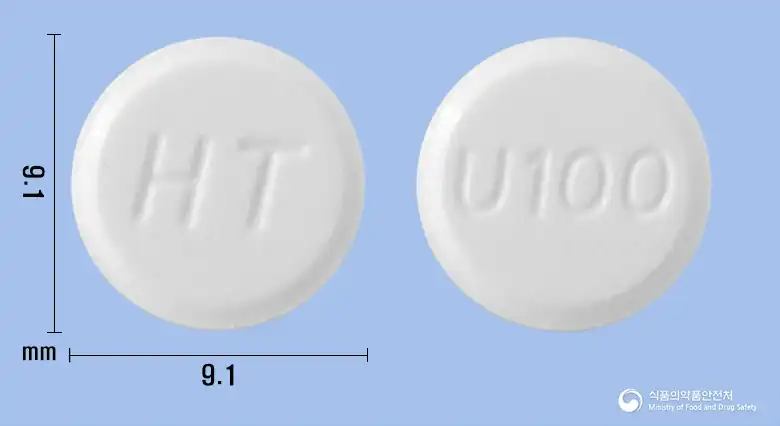
Ursodeoxycholic Acid 100mg
Tablet · OTC medication
Hanmi Pharmaceutical Co., Ltd.
Even with the same ingredient, the dose and directions can differ by strength and dosage form. Talk to a doctor or pharmacist before switching from a medication you are already taking.
No questions yet.
For anything that needs medical judgment, consult a doctor or pharmacist.
This drug information is based on data provided by the Korea Ministry of Food and Drug Safety.
Consult a doctor or pharmacist for accurate dosage, administration, and usage instructions.