
 한국어
 English
 日本語
 中文(简体)
 Viewing now
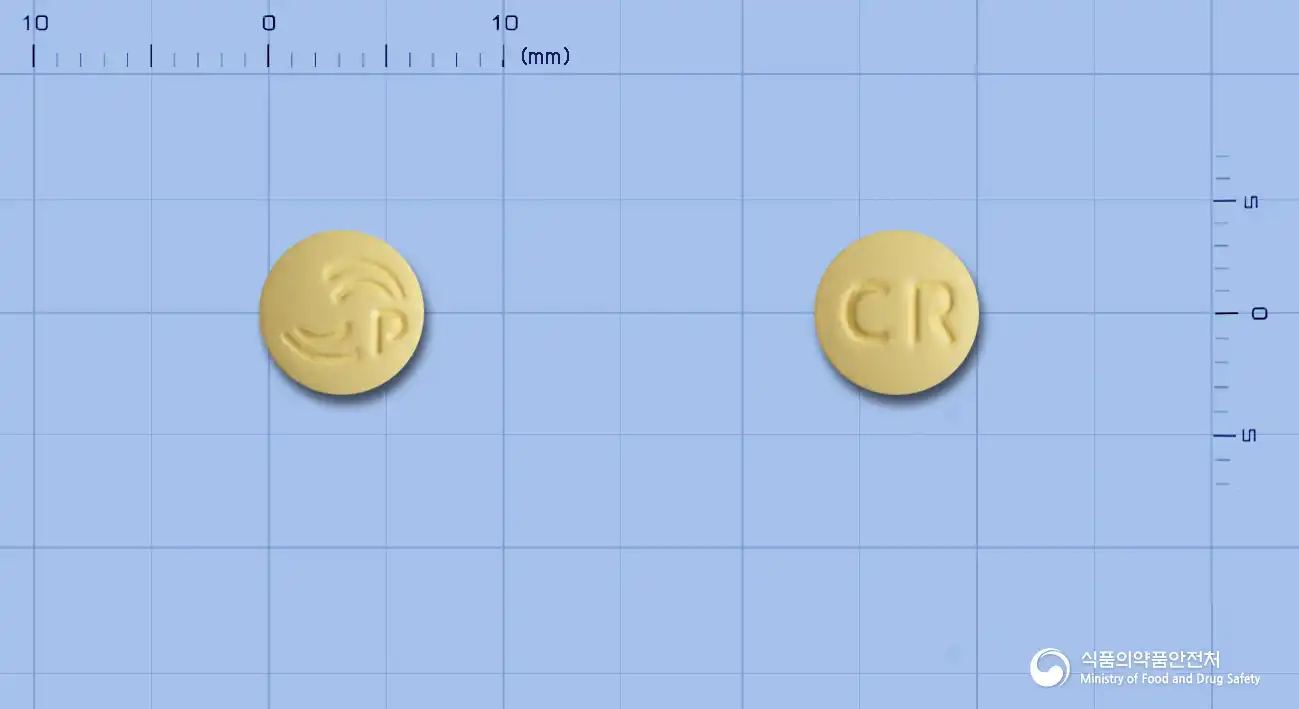
Peluvib Sustained Release Tablet (Pelubiprofen)
Pelubiprofen 45mg
Tablet · Prescription medication
Daewon Pharmaceutical Co., Ltd.
MFDS item code 201501350 · Approved 2015.03.13 · Insurance code 671805860
Relief of arthritis (e.g., osteoarthritis), lower back pain, and acute pain
This medication alleviates joint pain and inflammation due to osteoarthritis and rheumatoid arthritis, and is also effective for lower back pain such as lumbago. In addition, it helps relieve acute pain occurring after trauma or menstrual pain symptoms like primary dysmenorrhea. Overall, it is used to improve various types of pain and inflammation symptoms.
This medicine is an extended-release tablet; take it whole without crushing, splitting, or chewing. Adults: Take 1 tablet (equivalent to 45mg of pelubiprofen) orally twice daily after meals. For primary dysmenorrhea, the initial recommended dose is 1 tablet of this medicine. If necessary, take 1 additional tablet on the first day of treatment. From the second day onward, if necessary, the recommended dose is 1 tablet per dose, twice daily.
This medication can pose a risk of gastrointestinal bleeding if taken by individuals who regularly consume more than three alcoholic beverages per day, so you must consult a doctor or pharmacist. This medication may increase the risk of cardiovascular diseases, so individuals with a history of heart disease or stroke, or those with risk factors should be particularly cautious. This medication can cause serious gastrointestinal problems such as gastrointestinal bleeding, ulcers, and perforation, so elderly individuals or those with a history of gastrointestinal disorders should take it with caution. Patients with peptic ulcers, severe blood disorders, liver impairment, kidney impairment, severe heart failure, severe hypertension, those allergic to the components of this medication, and those who have had hypersensitivity reactions to aspirin or other non-steroidal anti-inflammatory drugs should not take this medication. Various side effects such as indigestion, abdominal pain, swelling, dizziness, headache, skin rash may appear while taking this medication, so any unusual symptoms should be reported immediately. Long-term use requires regular check-ups like liver and kidney function tests, and if any abnormal signs are discovered, the medication should be discontinued or the dose adjusted. This medication may raise blood pressure or worsen existing hypertension, so patients with high blood pressure should carefully monitor their blood pressure before and after taking it. This medication may cause fluid retention or edema, so patients with heart failure should be cautious when administering it. During pregnancy, especially in the late stages, it may harm the fetus, so women who are pregnant or may become pregnant should avoid taking it. Women who are breastfeeding should avoid taking this medication as it may be passed into breast milk. The safety of this medication in children has not been established, so it is advisable not to use it in pediatric populations. Elderly individuals have a higher risk of adverse reactions, so they should start with a small amount and take the minimum effective dose with caution. During the use of this medication, drowsiness or dizziness may occur while driving or operating machinery, so care is needed. It is advisable to avoid taking this medication with other anti-inflammatory analgesics, and there may be interactions with certain medications, so you should inform your doctor of any other medications you are taking. This medication should be stored out of reach of children, and transferring it to other containers is not advisable for maintaining quality.
Not everyone experiences these, and they can vary from person to person.
This medication may be sensitive to light, so it should be stored in a light-resistant, tightly sealed container. Additionally, it is best to store the medication at a temperature between 1°C and 30°C. This storage will help maintain the medication's effectiveness for a long time.
Pale yellow round sustained release film-coated tablet
Domestic use - 30 tablets/bottle, Domestic use - 500 tablets/bottle, Export - 100 tablets/bottle, Export - 30 tablets/PTP [10 tablets/PTP X 3], Export - 100 tablets/PTP [10 tablets/PTP X 10]
Even with the same ingredient, strength, dosage form and how it is taken can differ.
Viewing nowPelubiprofen 45mg
Tablet · Prescription medication
Daewon Pharmaceutical Co., Ltd.
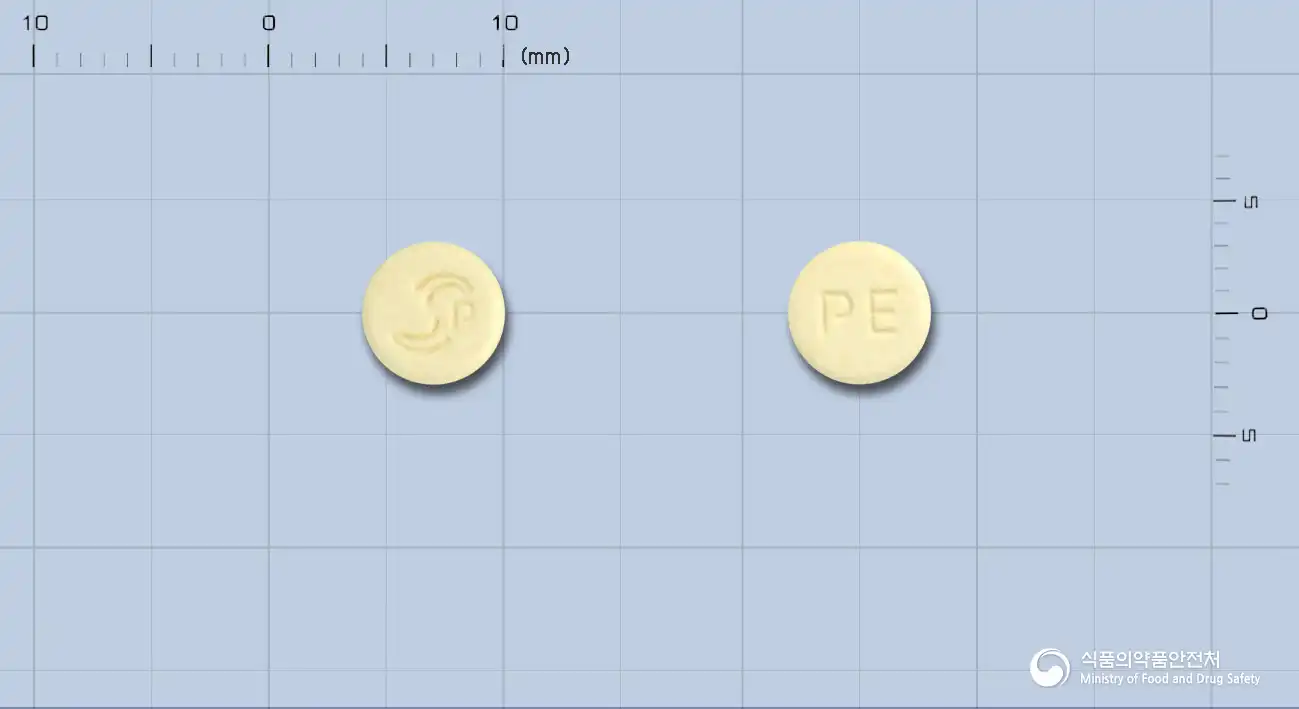
Pelubiprofen 30mg
Tablet · Prescription medication
Daewon Pharmaceutical Co., Ltd.
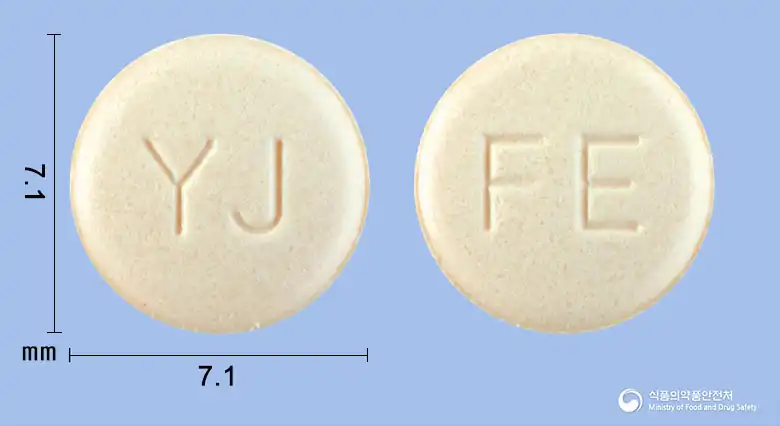
Pelubiprofen 30mg
Tablet · Prescription medication
Youngjin Pharmaceutical Co., Ltd.
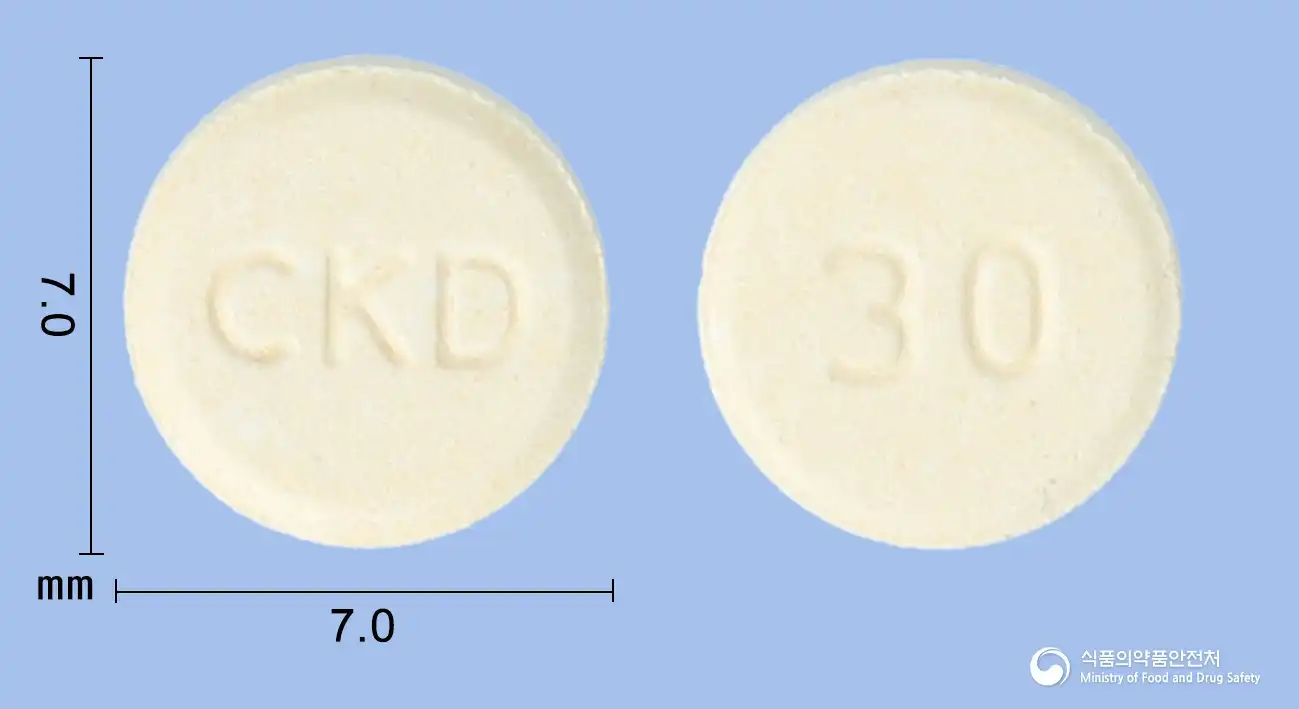
Pelubiprofen 30mg
Tablet · Prescription medication
Jongkundang Co., Ltd.
Even with the same ingredient, the dose and directions can differ by strength and dosage form. Talk to a doctor or pharmacist before switching from a medication you are already taking.
No questions yet.
For anything that needs medical judgment, consult a doctor or pharmacist.
This drug information is based on data provided by the Korea Ministry of Food and Drug Safety.
Consult a doctor or pharmacist for accurate dosage, administration, and usage instructions.