
 한국어
한국어 English
 日本語
日本語 中文(简体)
 Viewing now
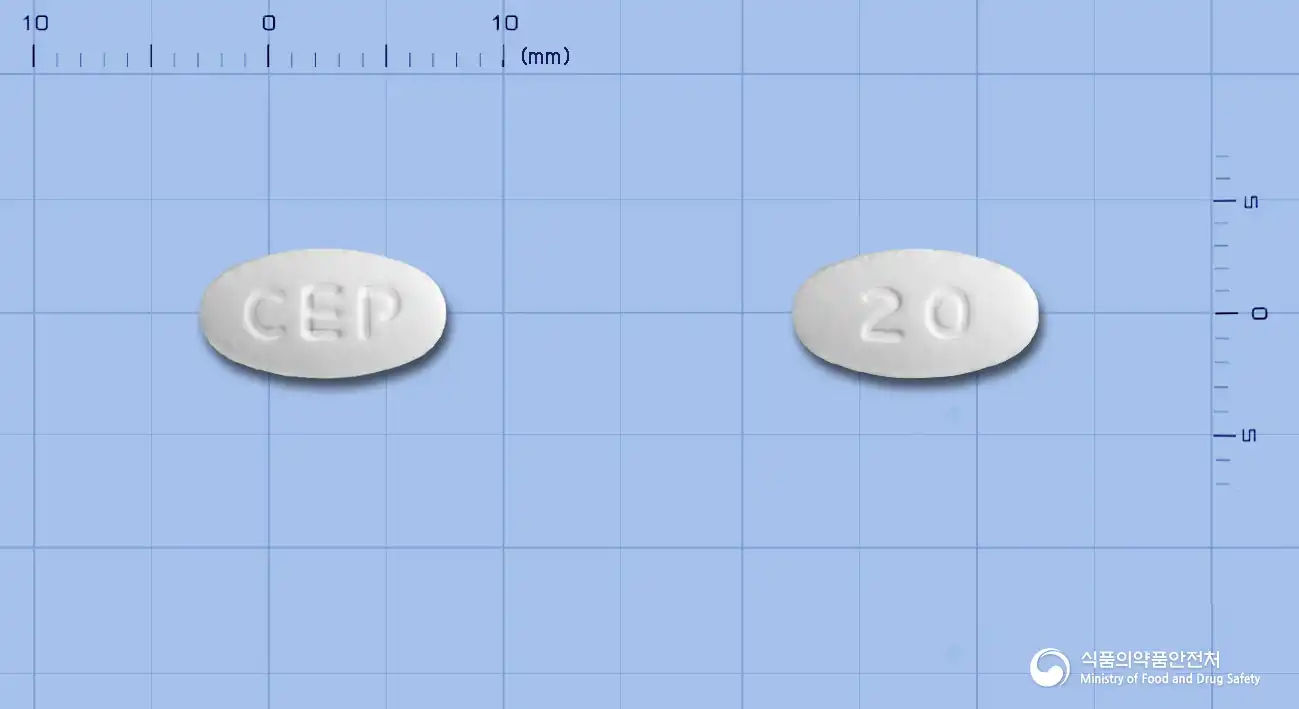
Celtisseletartan Tablets (Losartan Potassium)
Losartan Potassium 50mg
Tablet · Prescription medication
Telcon RF Pharmaceutical Co., Ltd.
MFDS item code 201501321 · Approved 2015.03.13 · Insurance code 625500320
Improvement of hypertension and diabetic kidney disease
This medication is used for the treatment of hypertension and is also effective in preventing and treating kidney disease that may occur in patients with type 2 diabetes. By controlling hypertension, it helps reduce cardiovascular risks and protects kidney function. Therefore, it improves symptoms and complications related to hypertension.
This medication can be taken regardless of meal timing, but it is advisable to take it at the same time each day. For the treatment of hypertension, an oral dose of 50 mg once daily of Losartan Potassium is recommended. The maximum antihypertensive effect is observed 3 to 6 weeks after starting treatment. If the therapeutic effect is insufficient, the dose may be divided into two doses per day or increased to a maximum of 100 mg once daily. For patients with type 2 diabetes with hypertension.
For children and adolescents aged 6 years and older: (1) For patients weighing 20 kg to less than 50 kg, 25 mg once daily is recommended, with a possible increase to a maximum of 50 mg. (2) For patients weighing 50 kg or more.
This medication should not be taken by pregnant women, especially during the second and third trimesters, as it can cause serious harm to the fetus. Patients with severely impaired liver function or certain genetic disorders should also avoid using this medication. Elderly patients, those with kidney problems, patients with very low blood pressure, or low blood volume should use this medication with more caution and follow the physician's instructions. Although this medication lowers blood pressure, side effects such as dizziness, headache, muscle pain, indigestion, and cough may occasionally occur. If symptoms are severe, consult a doctor immediately. As blood potassium levels may rise, it is advisable to avoid taking potassium supplements or medications containing potassium together. Regular blood tests should be performed to monitor potassium levels. Severe hepatitis or kidney failure may occur; therefore, patients with poor liver or kidney function need regular check-ups and must inform their doctor immediately of any abnormalities. There is a risk of hypotension or loss of consciousness while taking this medication; hence, treatment should be sought immediately if symptoms appear. Women who are pregnant or planning to become pregnant should consult a physician, and it is recommended that breastfeeding women discontinue breastfeeding while taking this medication. This medication is not to be administered to children, especially those under 6 years of age or those with severely impaired kidney function. While taking this medication, caution is advised when driving or operating machinery due to possible dizziness or drowsiness. In case of overdose, hypotension and rapid heartbeat may occur, and immediate medical attention should be sought. There may be drug interactions, so it is essential to inform healthcare professionals about any other medications being taken.
Hives, severe swelling (edema), difficulty breathing, angioedema (swelling of the larynx/glottis that may cause airway obstruction, swelling of the face/lips/pharynx/tongue), chest tightness, severe rash with fever, blisters, shedding of skin, pain of mucous membranes in the mouth/eyes, yellowing of the skin or eyes (jaundice), profound lethargy, sudden and very severe headache, thunderclap headache, seizures, confusion, visual disturbances, paralysis, urine retention
Not everyone experiences these, and they can vary from person to person.
This medication should be stored in a sealed container that prevents air or moisture from entering. It is recommended to store it at room temperature between 1°C and 30°C, away from extremely hot or cold areas.
White oval film-coated tablets
30 tablets/bottle, 300 tablets/bottle
Even with the same ingredient, strength, dosage form and how it is taken can differ.
Viewing nowLosartan Potassium 50mg
Tablet · Prescription medication
Telcon RF Pharmaceutical Co., Ltd.
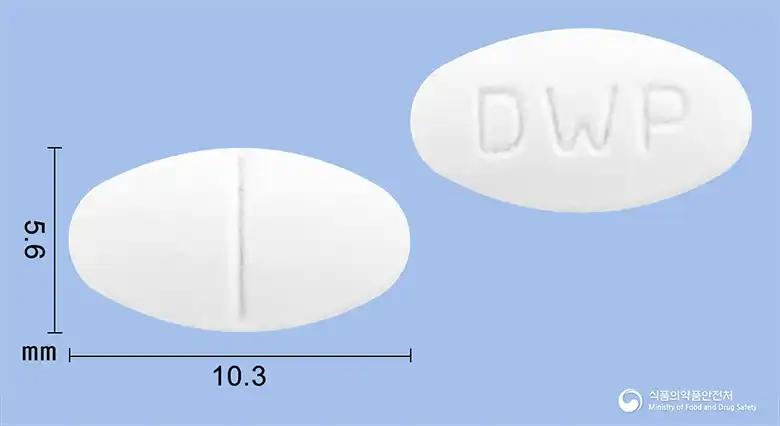
Losartan Potassium 50mg
Tablet · Prescription medication
DaeWon Pharmaceutical Co., Ltd.
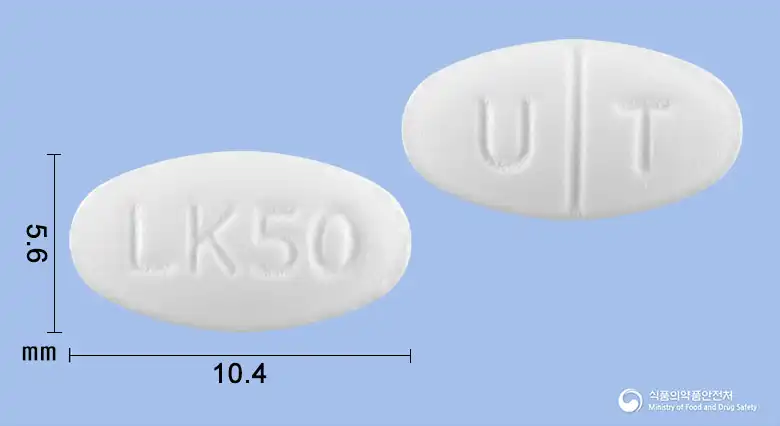
Losartan Potassium 50mg
Tablet · Prescription medication
Korea United Pharm, Co., Ltd.
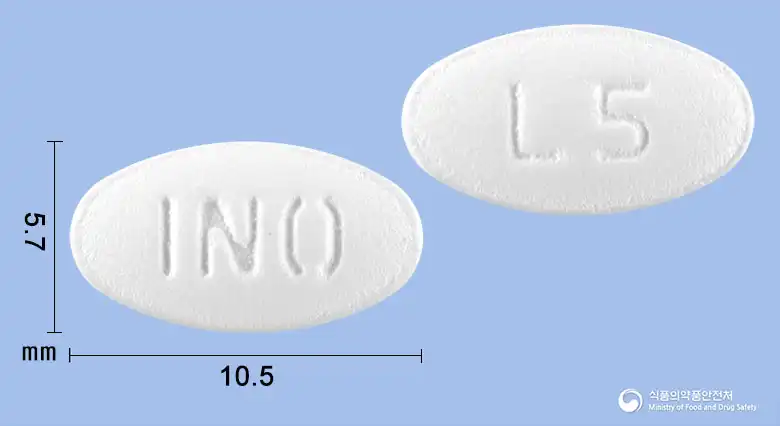
Losartan Potassium 50mg
Tablet · Prescription medication
HK Inno.N Co., Ltd.
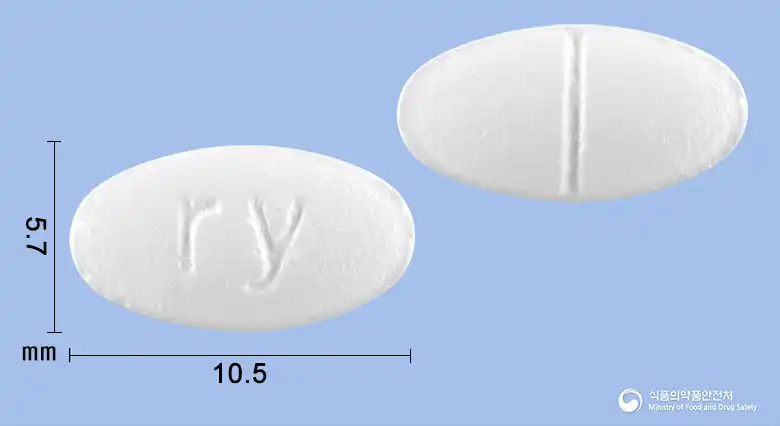
Losartan Potassium 50mg
Tablet · Prescription medication
IYON Pharmaceuticals Co., Ltd.
Losartan Potassium
Prescription medication
JW ShinYak Co., Ltd.
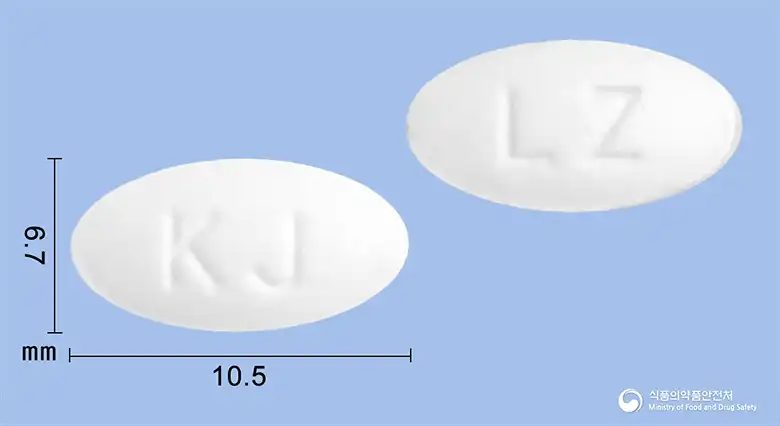
Losartan Potassium 50mg
Tablet · Prescription medication
Kukje Pharmaceutical Co., Ltd.
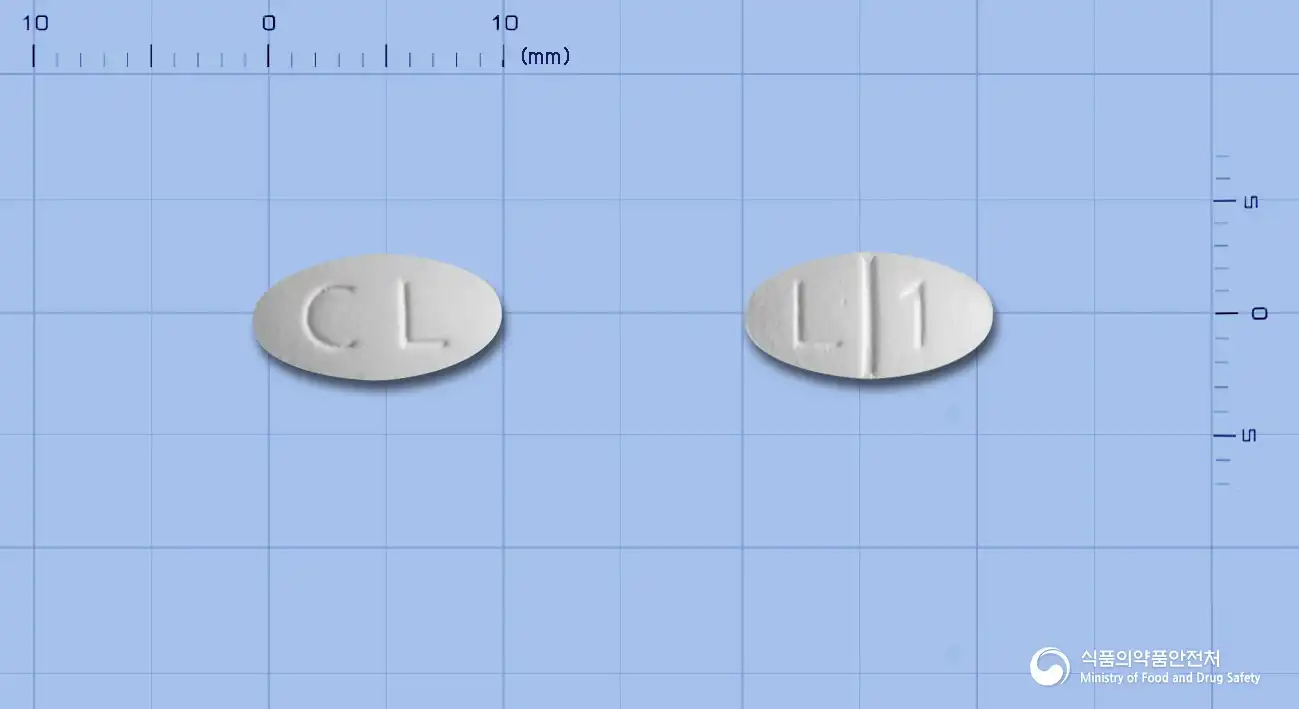
Losartan Potassium 50mg
Tablet · Prescription medication
Celltrion Pharmaceutical Co., Ltd.
Even with the same ingredient, the dose and directions can differ by strength and dosage form. Talk to a doctor or pharmacist before switching from a medication you are already taking.
No questions yet.
For anything that needs medical judgment, consult a doctor or pharmacist.
This drug information is based on data provided by the Korea Ministry of Food and Drug Safety.
Consult a doctor or pharmacist for accurate dosage, administration, and usage instructions.