
 한국어
한국어 English
 日本語
日本語 中文(简体)
 Viewing now
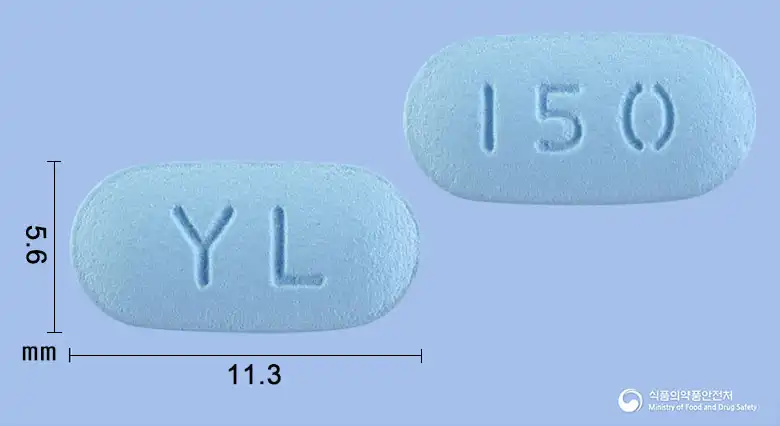
Risend Tablet 150 mg (Risedronate Sodium 2.5 Hydrate)
Risedronate Sodium 2.5 Hydrate 172.1mg
Tablet · Prescription medication
Youngil Pharmaceutical Co., Ltd.
MFDS item code 201501058 · Approved 2015.02.27 · Insurance code 649404730
Treatment and prevention of osteoporosis in postmenopausal women
This medication is used to treat and prevent osteoporosis that is likely to occur in postmenopausal women.
As Risedronate Sodium, 150 mg is taken orally once a month. Since food interferes with absorption, it should be taken at least 30 minutes before consuming food or beverages other than pure water. The medication should be taken with a sufficient amount of pure water (170-230 mL) while in an upright position, and it should not be chewed or sucked. You should not lie down for at least 30 minutes after taking the medication. In case of forgetting a dose, take the following dosage.
Safety and efficacy for pediatric patients under 18 years have not been established.
This medication can irritate the stomach and esophagus, so patients with upper gastrointestinal diseases such as gastritis, esophagitis, or esophageal ulcers should take it with caution. Patients with esophageal issues, slow esophageal transit, hypocalcemia, pregnant or breastfeeding women, and those with severe renal impairment should not take this medication. When taking, it should be taken with a sufficient amount of water, and one should not lie down for at least 30 minutes after taking. A time interval should be maintained before and after meals. This medication may interfere with absorption if taken with drugs or foods containing divalent cations like calcium or magnesium, so caution is advised. Rarely, serious side effects such as osteonecrosis of the jaw and atypical femoral fractures may occur with long-term use, so any unusual symptoms should be immediately discussed with a doctor. It is important to intake adequate calcium and vitamin D, especially in cases of parathyroid dysfunction or vitamin D deficiency where treatment should be mandatory before taking this medication. Pregnant women or those who may become pregnant, as well as breastfeeding women, should avoid taking this medication and consult a physician if necessary. Safety for children has not been established, so it is advisable not to use it for those under 18 years of age. The elderly can use this medication similarly to other adults without special precautions, but should promptly inform medical staff of any adverse reactions. Overdose may lead to hypocalcemia, whereby symptoms should warrant immediate visit to a medical institution for appropriate treatment. This medication should be kept out of reach of children, and transferring it to other containers is not recommended to maintain quality.
Hives, severe swelling (edema), chest tightness, difficulty breathing, cold sweat, pallor, severe rash with high fever, blisters, skin peeling, mucosal pain in mouth/eyes, shortness of breath or difficulty breathing, asthma attack, respiratory distress with coughing and fever, yellowing of the skin or eyes (jaundice), profound lethargy, sudden and severe headaches, thunderclap headaches, seizures, confusion, visual disturbances, paralysis, urinary issues
Not everyone experiences these, and they can vary from person to person.
This medication should be stored in a sealed container to prevent air exposure, preferably at a temperature between 1 and 30 degrees Celsius. Storing this way helps maintain the effectiveness and avoid deterioration of the medication.
Bright blue oblong film-coated tablet
1 tablet/PTP
Even with the same ingredient, strength, dosage form and how it is taken can differ.
Viewing nowRisedronate Sodium 2.5 Hydrate 172.1mg
Tablet · Prescription medication
Youngil Pharmaceutical Co., Ltd.
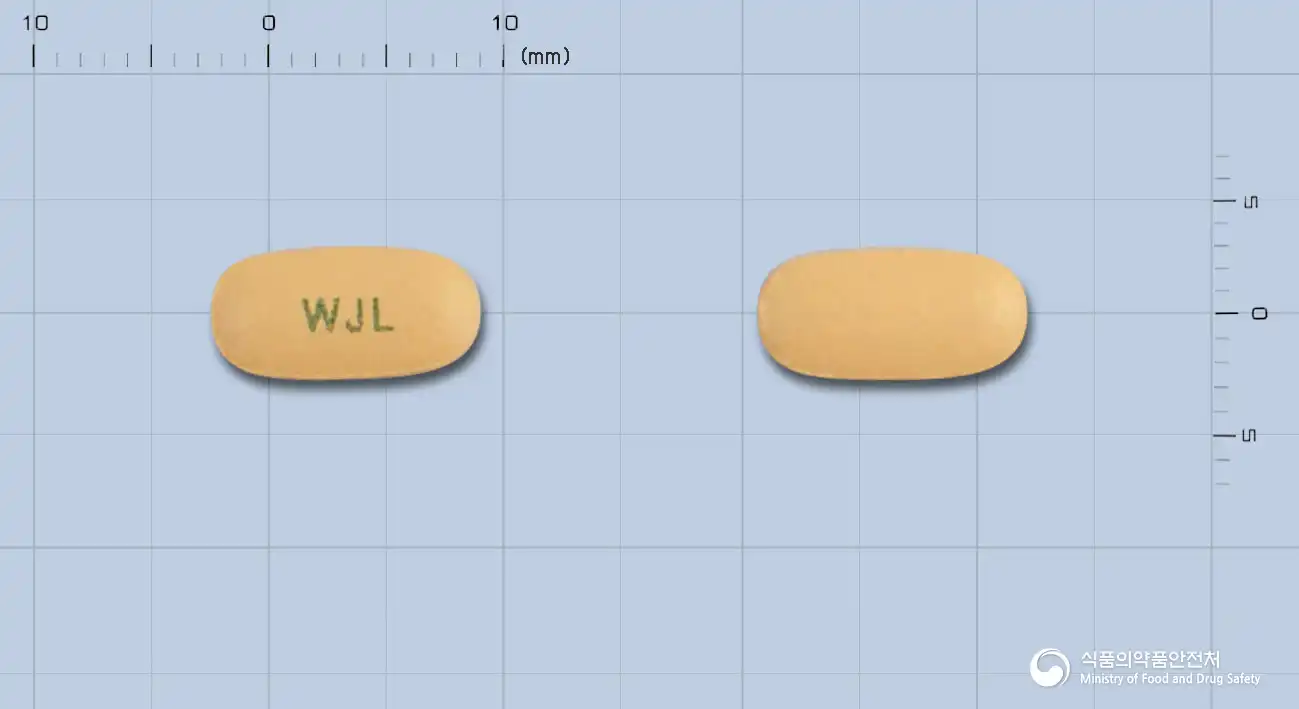
Risedronate Sodium 2.5 Hydrate 40.17mg
Tablet · Prescription medication
Austin Pharmaceutical Co., Ltd.
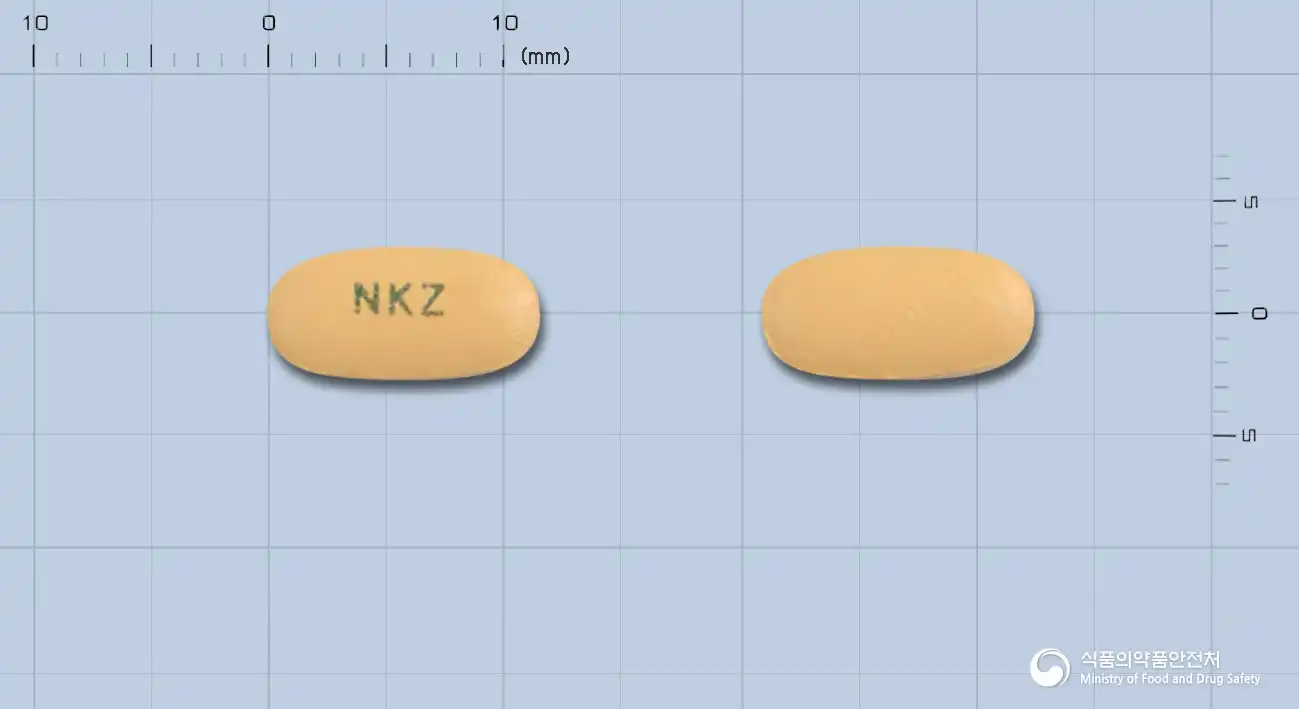
Risedronate Sodium 2.5 Hydrate 40.17mg
Tablet · Prescription medication
Nexpam Korea Co., Ltd.
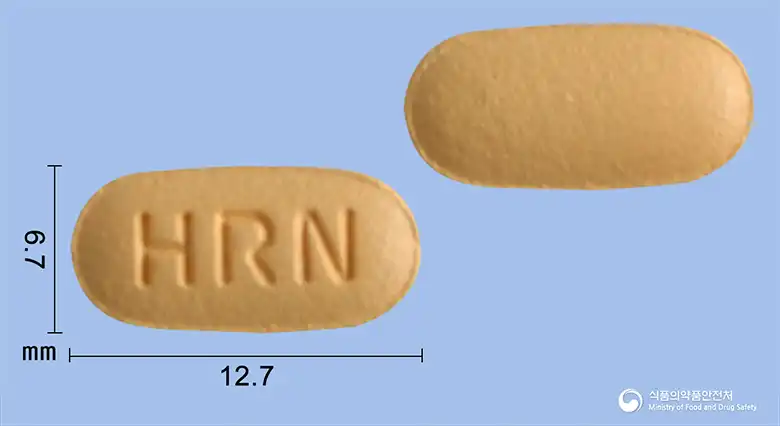
Risedronate Sodium 2.5 Hydrate 35mg
Tablet · Prescription medication
Hyutecs Pharmaceutical Co., Ltd.
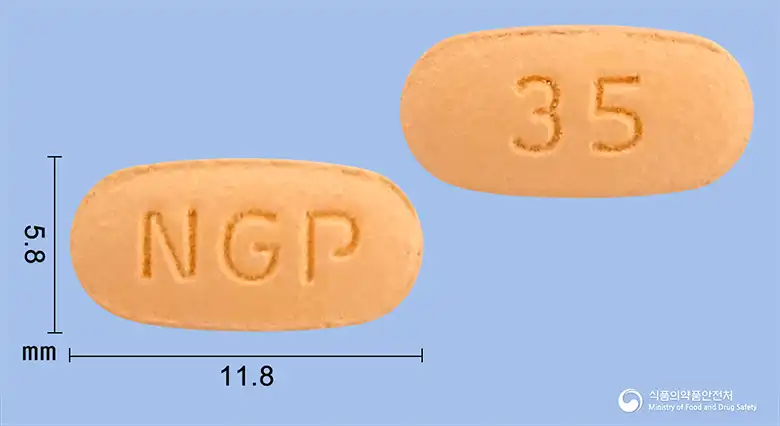
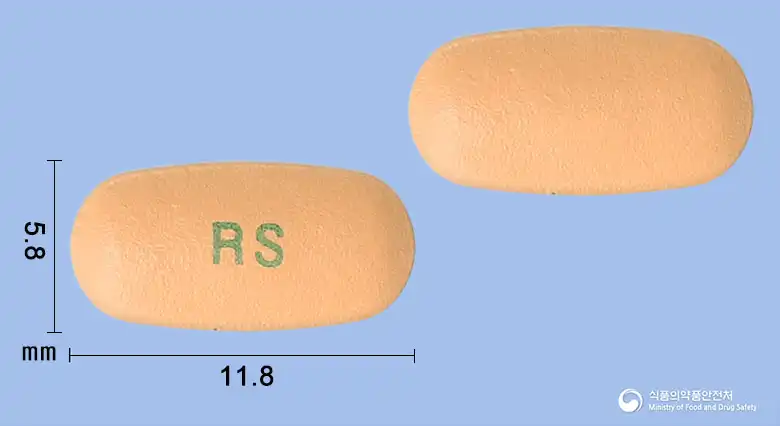
Risedronate Sodium 2.5 Hydrate 40.2mg
Tablet · Prescription medication
Celix Co., Ltd.
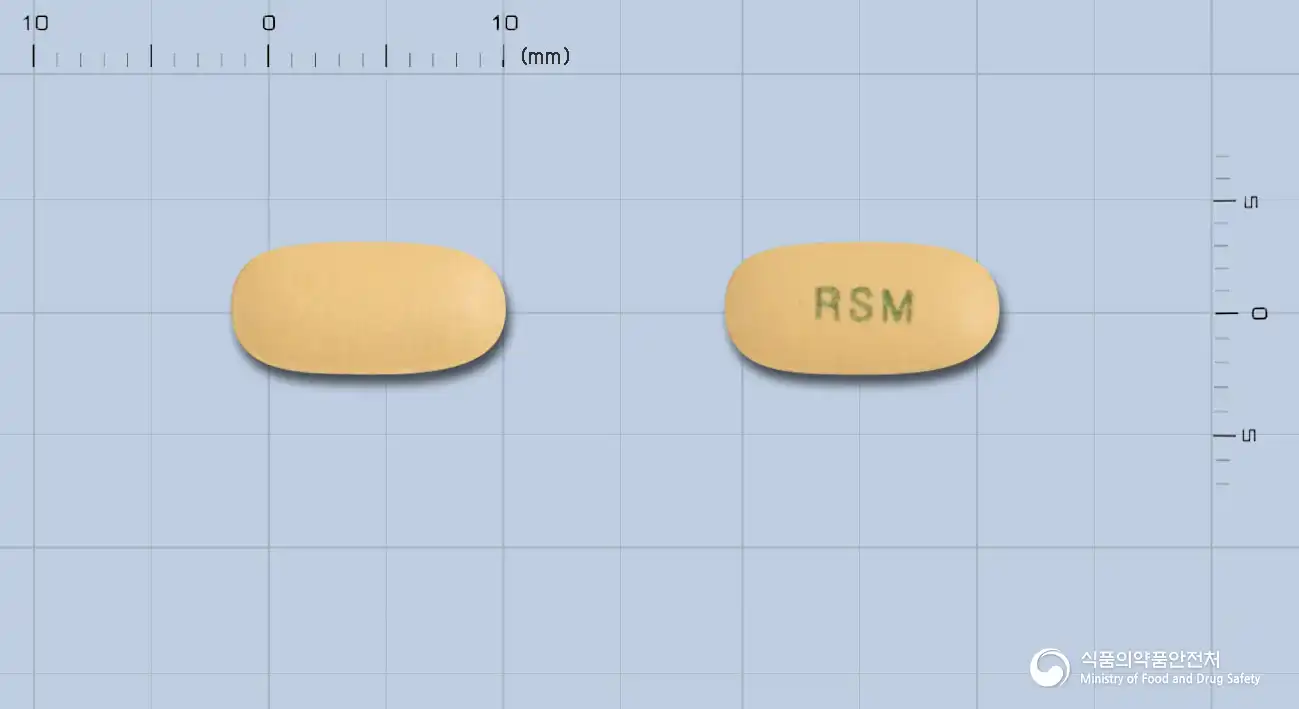
Risedronate Sodium 2.5 Hydrate 40.17mg
Tablet · Prescription medication
Myeongmun Pharmaceutical Co., Ltd.
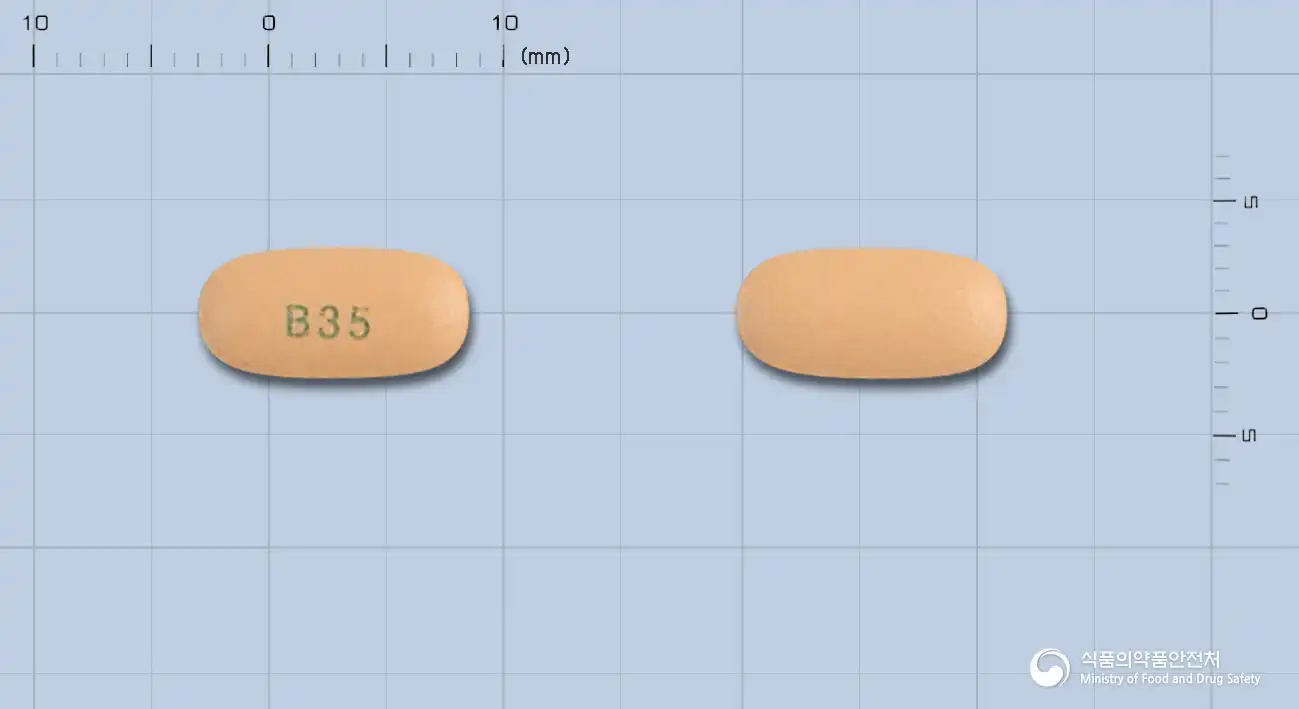
Risedronate Sodium 2.5 Hydrate 40.17mg
Tablet · Prescription medication
Korea United Pharmaceutical Co., Ltd.
Risedronate Sodium 2.5 Hydrate 40.17mg
Tablet · Prescription medication
Shinpoong Pharmaceutical Co., Ltd.
Even with the same ingredient, the dose and directions can differ by strength and dosage form. Talk to a doctor or pharmacist before switching from a medication you are already taking.
No questions yet.
For anything that needs medical judgment, consult a doctor or pharmacist.
This drug information is based on data provided by the Korea Ministry of Food and Drug Safety.
Consult a doctor or pharmacist for accurate dosage, administration, and usage instructions.