
 한국어
한국어 English
 日本語
日本語 中文(简体)
Dosage form image
Viewing nowCombinationNesinamet 12.5/1000 mg
Alogliptin Benzoate 17mg · Metformin Hydrochloride 1000mg
Tablet · Prescription medication · Combination
Celltrion Healthcare Co., Ltd.
MFDS item code 201501048 · Approved 2015.02.27
This product's status changed to Approval withdrawn on 2025.05.20. It may no longer be sold, so consult a doctor or pharmacist before taking it.
Improvement in blood glucose control in type 2 diabetes
This medication assists in controlling blood sugar levels in patients with type 2 diabetes by combining the effects of alogliptin and metformin. When used alongside dietary and exercise therapy, blood sugar levels can be managed more effectively. In other words, this medication helps improve blood sugar control in patients with type 2 diabetes.
The dosage of this medication should be adjusted based on efficacy and tolerability, within the maximum recommended daily dosage limits of 25 mg for alogliptin and 2000 mg for metformin. The initial dosage of the medication should be determined based on the patient's current treatment regimen. To minimize gastrointestinal side effects related to metformin use, this medication should be taken twice a day with meals, and increases in dosage should be gradual.
This medication is a diabetes treatment containing metformin and alogliptin. It should not be used in patients with impaired kidney function or severe heart disease, or liver dysfunction. Particularly, patients with moderate to severe impairment of kidney function or acute illnesses should avoid using this medication. It may cause lactic acidosis, a rare but serious side effect, so if symptoms such as difficulty breathing, muscle pain, weakness, or abdominal pain occur, consult a doctor immediately. Moreover, this medication can induce hypoglycemia, therefore caution is necessary during situations such as skipping meals or engaging in strenuous exercise. Alcohol intake should be avoided while taking this medication, especially excessive drinking could increase the risk of lactic acidosis. When undergoing a radiological examination or surgery requiring iodinated contrast, this medication should be stopped at least 48 hours prior, and it should be resumed only after verifying normal kidney function. Women who are pregnant or breastfeeding should not use this medication, and special attention is needed for children and the elderly. Adverse effects such as gastrointestinal disturbances, headaches, infections, and joint pain may occur in some patients, so report any unusual symptoms to a doctor. Additionally, regular kidney function and blood tests should be conducted during treatment and routine testing is recommended due to the potential risk of Vitamin B12 deficiency. Because this medication can interact with other drugs, inform your doctor or pharmacist about any other medications you are taking.
Hives, severe swelling, chest tightness, difficulty breathing, cold sweats, pallor, severe rash with fever, blisters, peeling skin, pain of the oral/ocular mucosa, wheezing or difficulty breathing, asthma attack, respiratory abnormalities accompanied by cough and fever, yellowing of the skin or eyes, extreme lethargy, sudden and severe headache, lightning headache, seizures, confusion, visual disturbances, paralysis, significantly reduced urine output,
Not everyone experiences these, and they can vary from person to person.
This medication may be sensitive to air or moisture, so it must be stored in a tightly sealed container. It is advisable to maintain storage temperatures between 1 to 30 degrees Celsius at room temperature. This helps to preserve the medication's effectiveness for a longer time.
Pale yellow, biconvex, film-coated tablets in oblong shape
60 tablets (10 tablets/PTP × 6)
Even with the same ingredient, strength, dosage form and how it is taken can differ.
Alogliptin Benzoate 17mg · Metformin Hydrochloride 1000mg
Tablet · Prescription medication · Combination
Celltrion Healthcare Co., Ltd.
Alogliptin Benzoate 17mg · Metformin Hydrochloride 500mg
Tablet · Prescription medication · Combination
Celltrion Pharmaceutical Co., Ltd.
Alogliptin Benzoate 17mg · Metformin Hydrochloride 850mg
Tablet · Prescription medication · Combination
Celltrion Pharmaceutical Co., Ltd.
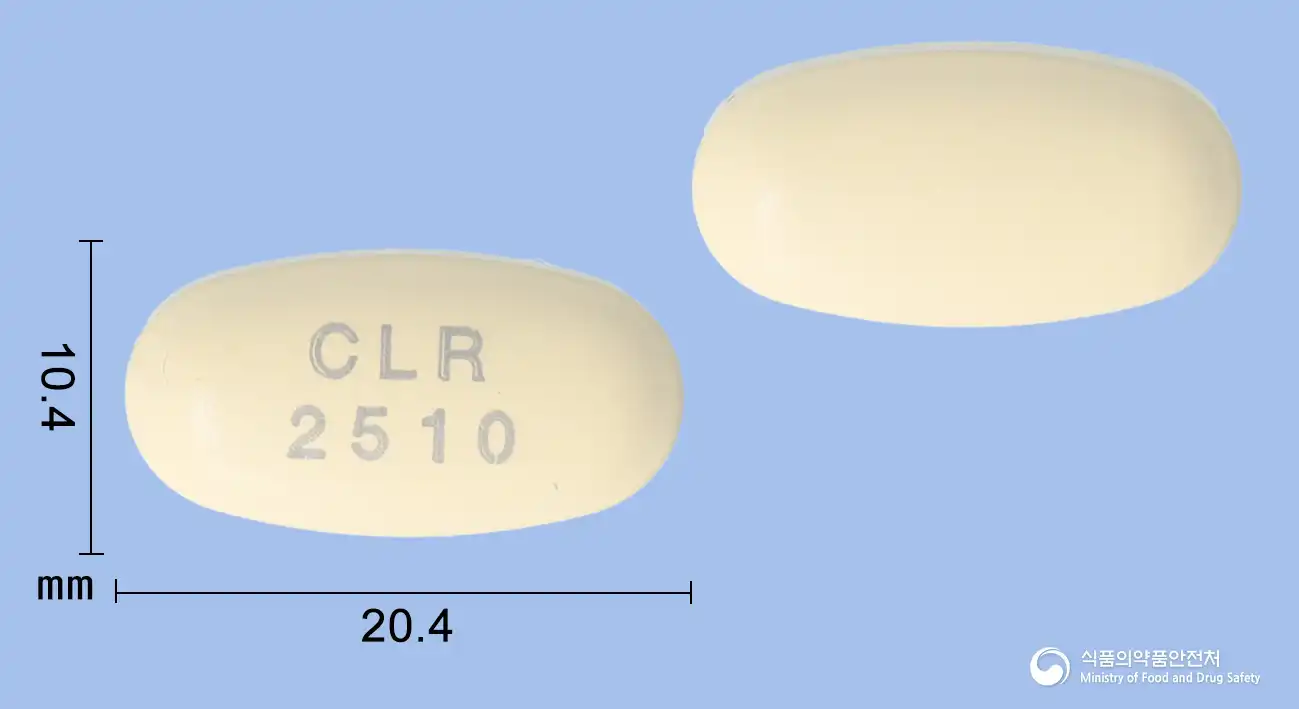 Combination
Metformin Hydrochloride 1000mg · Alogliptin Benzoate 34mg
Tablet · Prescription medication · Combination
Celltrion Pharmaceutical Co., Ltd.
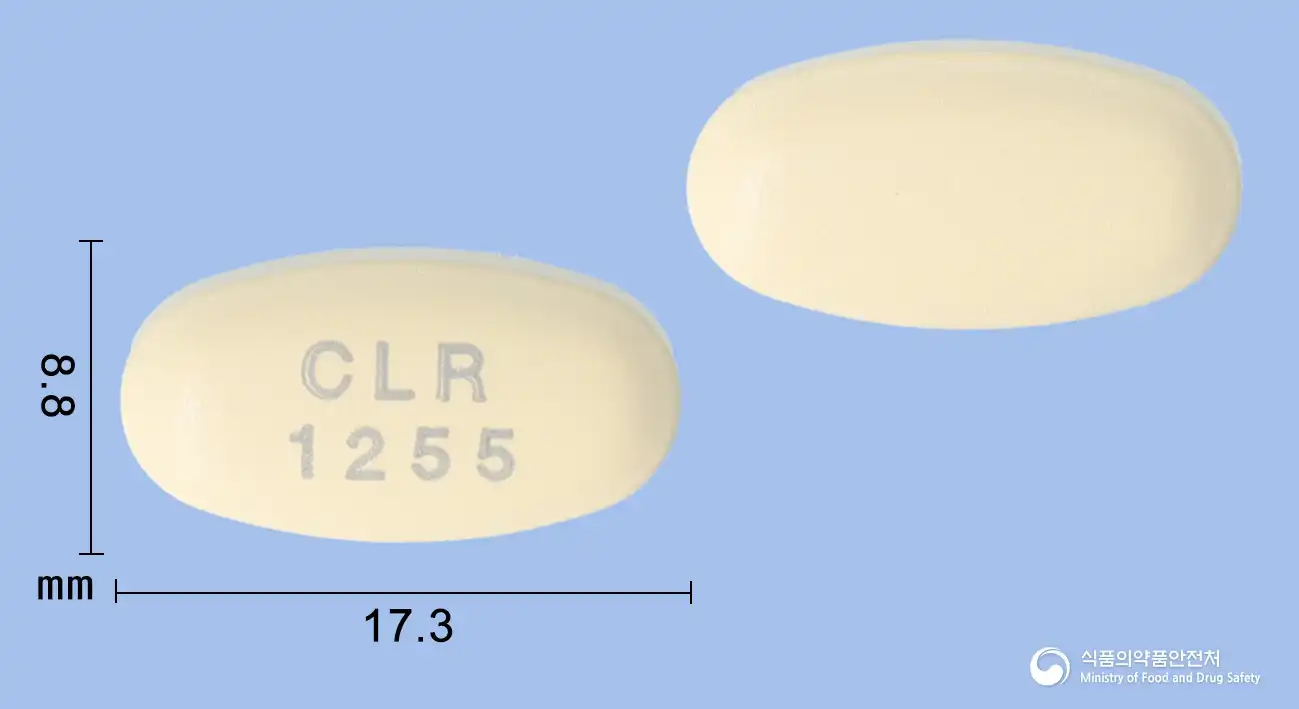 Combination
Metformin Hydrochloride 500mg · Alogliptin Benzoate 17mg
Tablet · Prescription medication · Combination
Celltrion Pharmaceutical Co., Ltd.
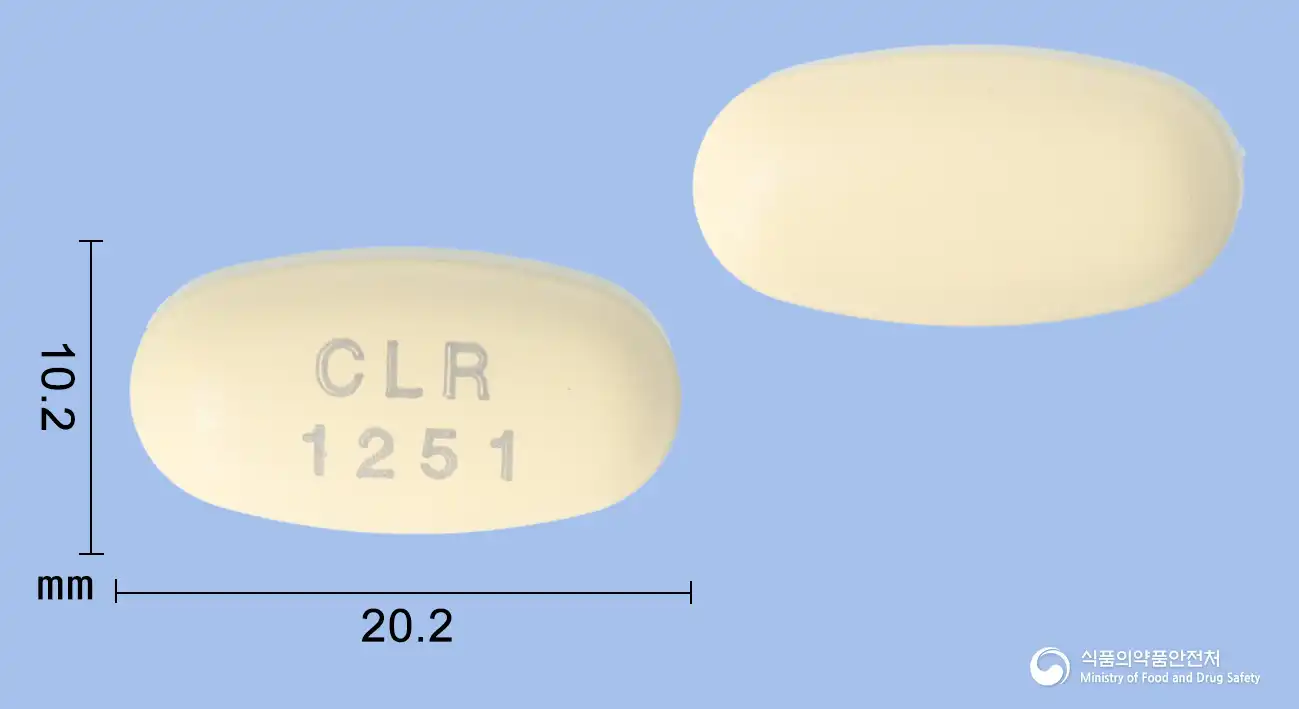 Combination
Metformin Hydrochloride 1000mg · Alogliptin Benzoate 17mg
Tablet · Prescription medication · Combination
Celltrion Pharmaceutical Co., Ltd.
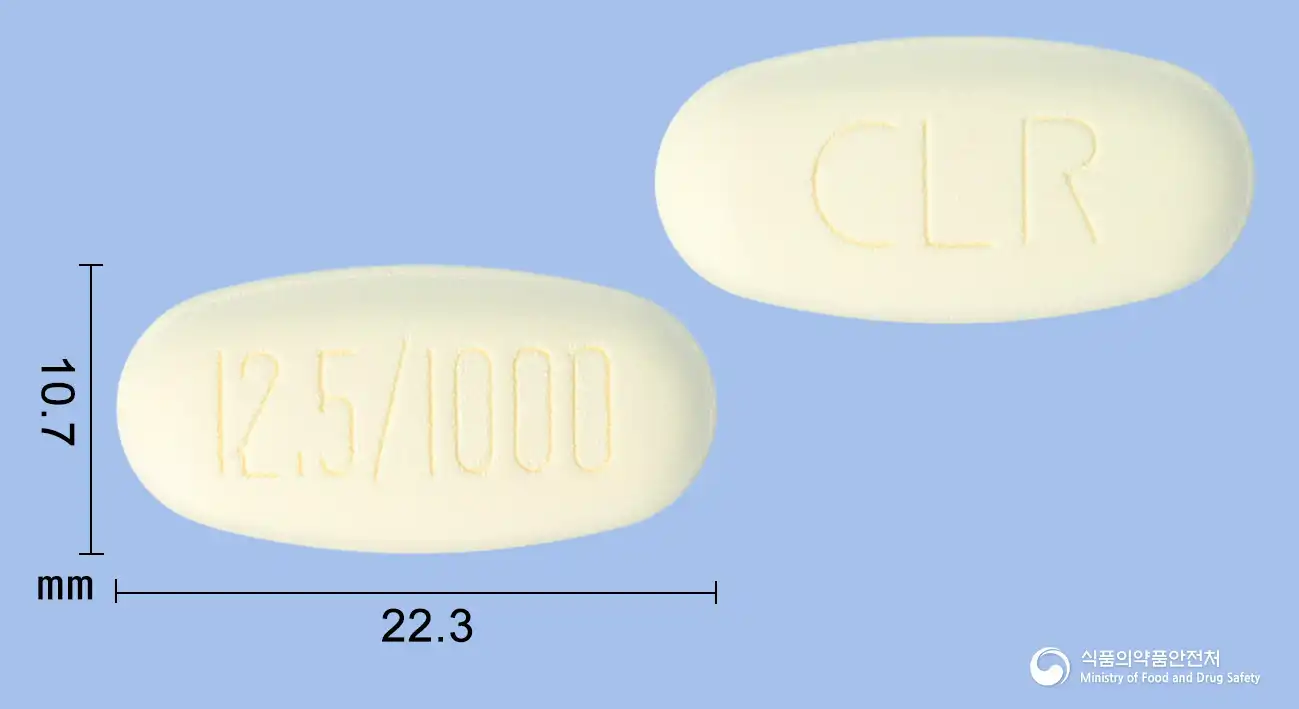 Combination
Alogliptin Benzoate 17mg · Metformin Hydrochloride 1000mg
Tablet · Prescription medication · Combination
Celltrion Pharmaceutical Co., Ltd.
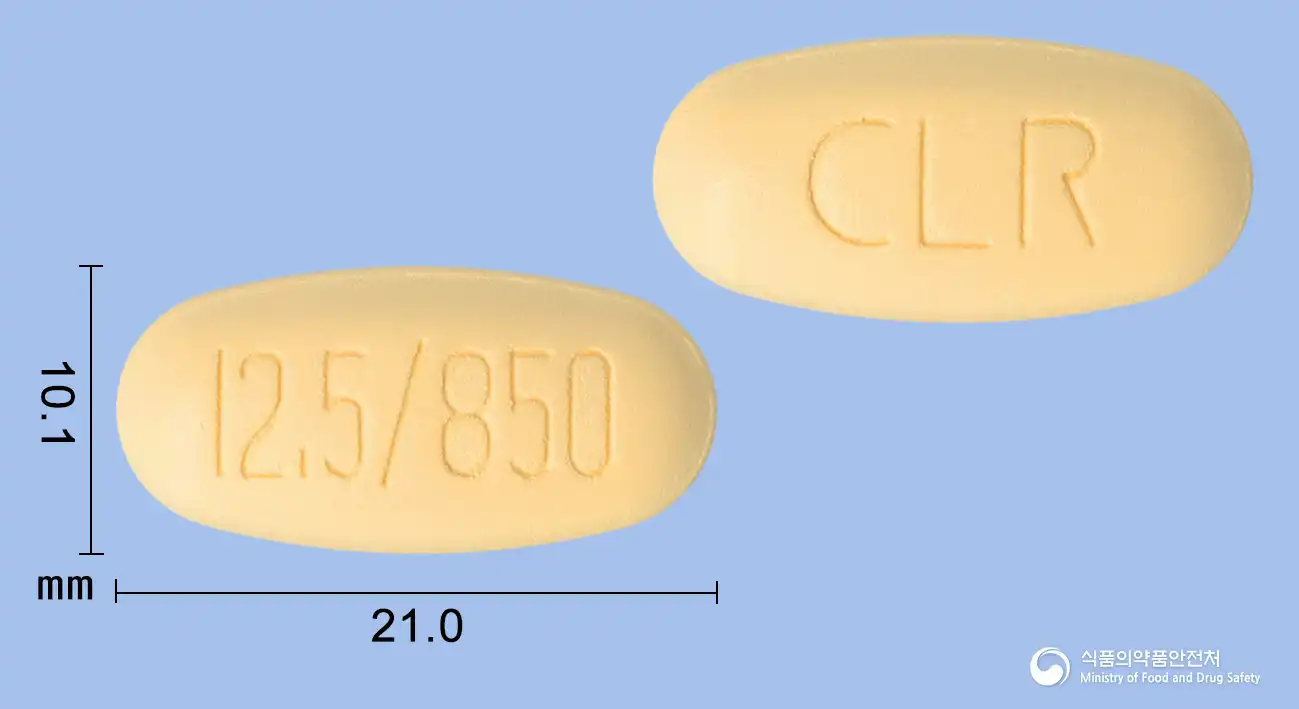 Combination
Alogliptin Benzoate 17mg · Metformin Hydrochloride 850mg
Tablet · Prescription medication · Combination
Celltrion Pharmaceutical Co., Ltd.
Even with the same ingredient, the dose and directions can differ by strength and dosage form. Talk to a doctor or pharmacist before switching from a medication you are already taking.
No questions yet.
For anything that needs medical judgment, consult a doctor or pharmacist.
This drug information is based on data provided by the Korea Ministry of Food and Drug Safety.
Consult a doctor or pharmacist for accurate dosage, administration, and usage instructions.