
 한국어
한국어 English
 日本語
日本語 中文(简体)
Dosage form image
Viewing nowCombinationNesinamet Tablet 12.5/500 mg
Alogliptin Benzoate 17mg · Metformin Hydrochloride 500mg
Tablet · Prescription medication · Combination
Celltrion Pharmaceutical Co., Ltd.
MFDS item code 201501047 · Approved 2015.02.27
This product's status changed to Approval withdrawn on 2025.05.20. It may no longer be sold, so consult a doctor or pharmacist before taking it.
Improvement of blood glucose control in type 2 diabetes
This medication assists in blood glucose control for patients with type 2 diabetes, supporting dietary and exercise therapy. The combination of alogliptin and metformin effectively improves blood sugar levels to aid in diabetes management. Therefore, this medication is used to improve blood glucose control.
The dose of this medication should be adjusted based on efficacy and tolerability, not exceeding a total of 25 mg of alogliptin and 2000 mg of metformin. The initial dose should be determined based on the patient's current therapy. This medication is taken twice daily with meals, and dose increments should be gradual. 1. If not previously treated with metformin: Take 12.5/500 mg, 1 tablet, twice daily.
This medication is a diabetes treatment that contains metformin and alogliptin, which helps in blood glucose control. This medication should not be used in patients with impaired kidney function or severe heart disease. If kidney function is poor, the drug may accumulate in the body and lead to dangerous conditions. It should be used with caution in patients with acute infections, during and after surgery, or those with poor nutritional status, and may be temporarily discontinued if necessary. While taking this medication, lactic acidosis, a serious side effect, can occur rarely, so if symptoms such as fatigue, muscle pain, difficulty breathing, or abdominal pain arise, immediate consultation with a hospital is required. Acute pancreatitis can occur; hence, if severe abdominal pain or vomiting symptoms appear, immediate treatment should be sought. This medication may cause allergic reactions; therefore, if symptoms such as rash, urticaria, or difficulty breathing occur, one should stop taking the medication and visit a hospital immediately. In cases of liver dysfunction, use of this medication should be avoided or approached with caution, and if there are any abnormal symptoms in liver function, immediate consultation with medical personnel is necessary. Regular kidney function tests should be conducted, and if kidney function deteriorates, the medication should be discontinued. Before and after tests using radiographic contrast agents, this medication should be temporarily discontinued and resumed only after confirming normal kidney function. Excessive alcohol consumption should be avoided while taking this medication, as alcohol can increase the risk of drug side effects. Vitamin B12 levels may decrease; therefore, regular blood tests are advisable, and supplementation therapy should be administered if necessary. If taken in combination with other glucose-lowering agents, symptoms of hypoglycemia may appear, so blood glucose levels must be monitored carefully. In elderly patients, kidney function deterioration is common, hence dosage adjustment and regular kidney function tests are necessary. In cases of overdose, gastrointestinal symptoms or lactic acidosis may occur, so one should visit a healthcare facility immediately for appropriate treatment. This medication is not administered to pregnant or breastfeeding women. Safety in children has not been established, so it is advisable not to use it.
Urticaria, angioedema, chest discomfort, difficulty breathing, lactic acidosis, acute pancreatitis, Stevens-Johnson syndrome, liver dysfunction (including cirrhosis, liver failure, elevated liver enzymes, and symptoms of jaundice), generalized edema, dyspnea, worsening of asthma, worsening of pneumonia, acute kidney failure, myocardial infarction, angina, cerebral infarction, transient ischemic attack, seizures, consciousness disturbance, visual abnormalities, paralysis, severe edema, hypertension, exacerbation of atrial fibrillation, cardiac
Upper respiratory infection, nasopharyngitis, diarrhea, hypertension, headache, back pain, urinary tract infection, hypoglycemia, nausea/vomiting, bloating, fatigue, indigestion, abdominal discomfort, decreased vitamin B12 concentration, fatigue, itching, dizziness, vertigo, arthralgia, chest pain, lower back pain, insomnia, decreased appetite, increased sputum, cough, runny nose, tonsillitis, toothache, constipation, fever, leg pain, neck/shoulder pain, caution against alcohol and excessive alcohol intake,
Not everyone experiences these, and they can vary from person to person.
This medication may be sensitive to air or moisture; therefore, it should be stored in a tightly sealed container. It is important to maintain the storage temperature between 1 and 30 degrees Celsius to preserve the medication's efficacy and safety for a long time.
Pale yellow, biconvex, rectangular film-coated tablet
60 tablets (10 tablets/PTP x 6)
Even with the same ingredient, strength, dosage form and how it is taken can differ.
Alogliptin Benzoate 17mg · Metformin Hydrochloride 500mg
Tablet · Prescription medication · Combination
Celltrion Pharmaceutical Co., Ltd.
Alogliptin Benzoate 17mg · Metformin Hydrochloride 1000mg
Tablet · Prescription medication · Combination
Celltrion Healthcare Co., Ltd.
Alogliptin Benzoate 17mg · Metformin Hydrochloride 850mg
Tablet · Prescription medication · Combination
Celltrion Pharmaceutical Co., Ltd.
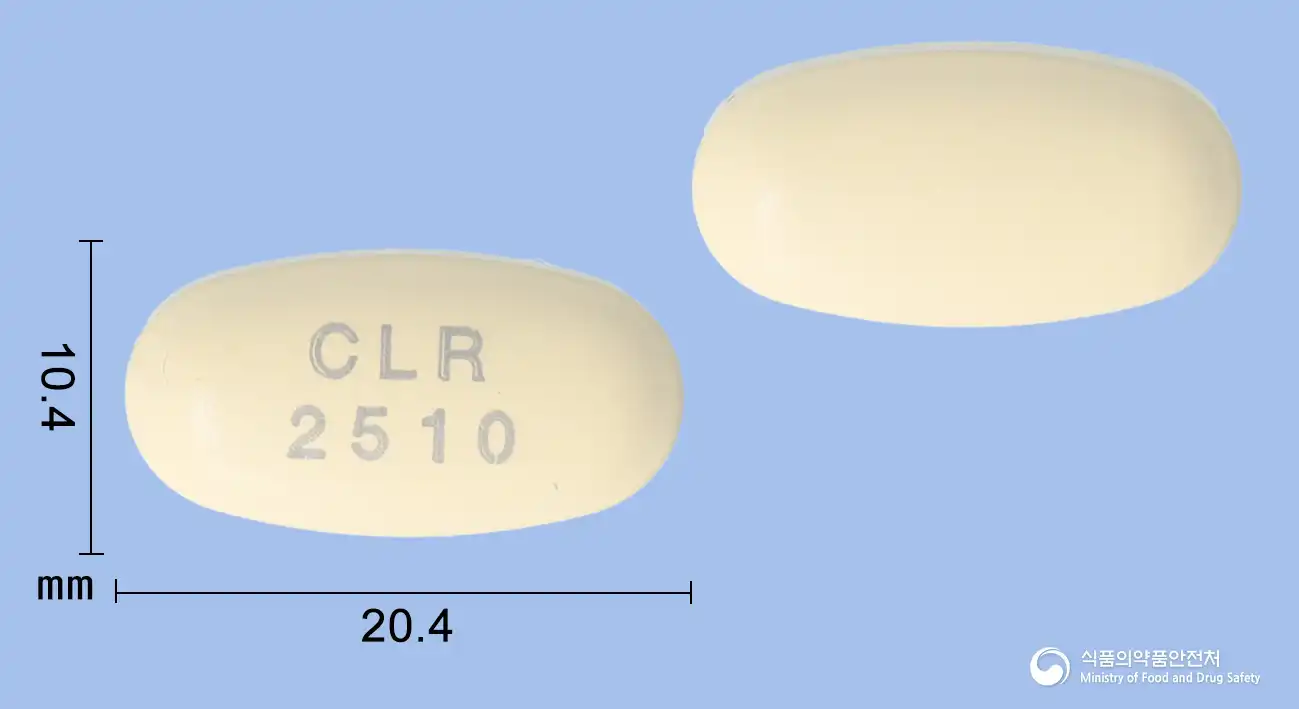 Combination
Metformin Hydrochloride 1000mg · Alogliptin Benzoate 34mg
Tablet · Prescription medication · Combination
Celltrion Pharmaceutical Co., Ltd.
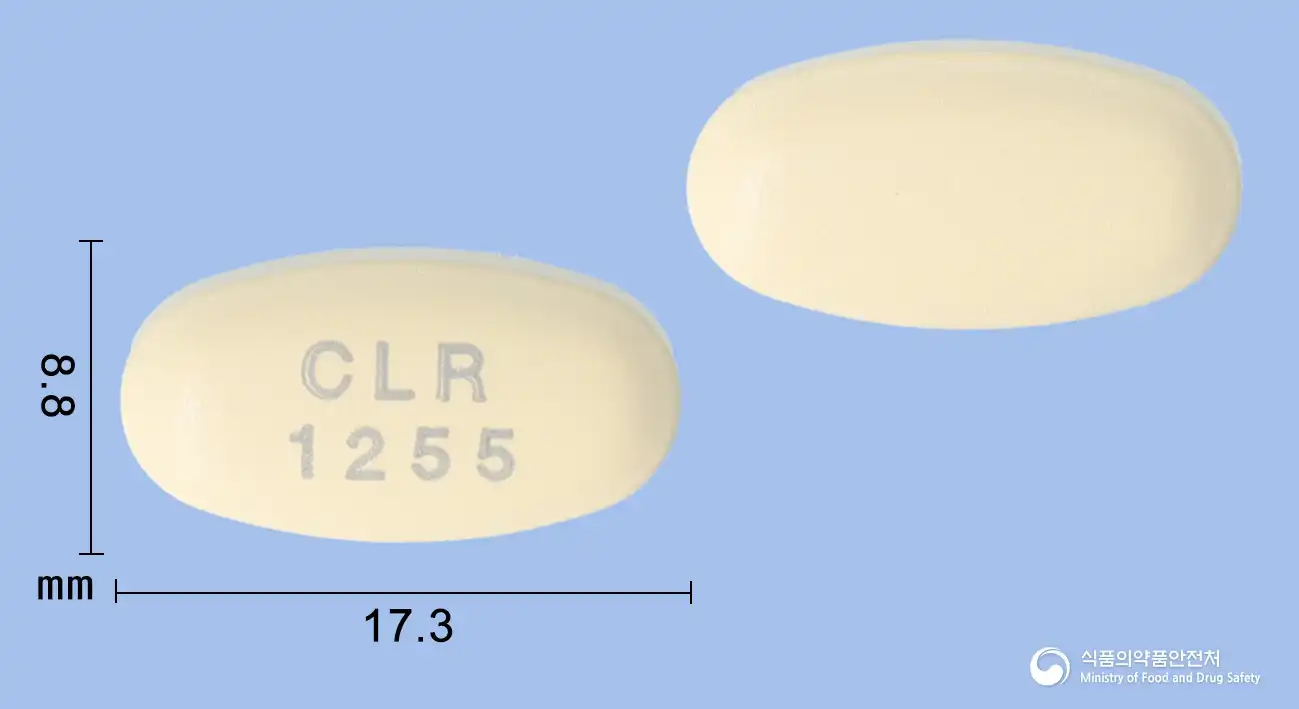 Combination
Metformin Hydrochloride 500mg · Alogliptin Benzoate 17mg
Tablet · Prescription medication · Combination
Celltrion Pharmaceutical Co., Ltd.
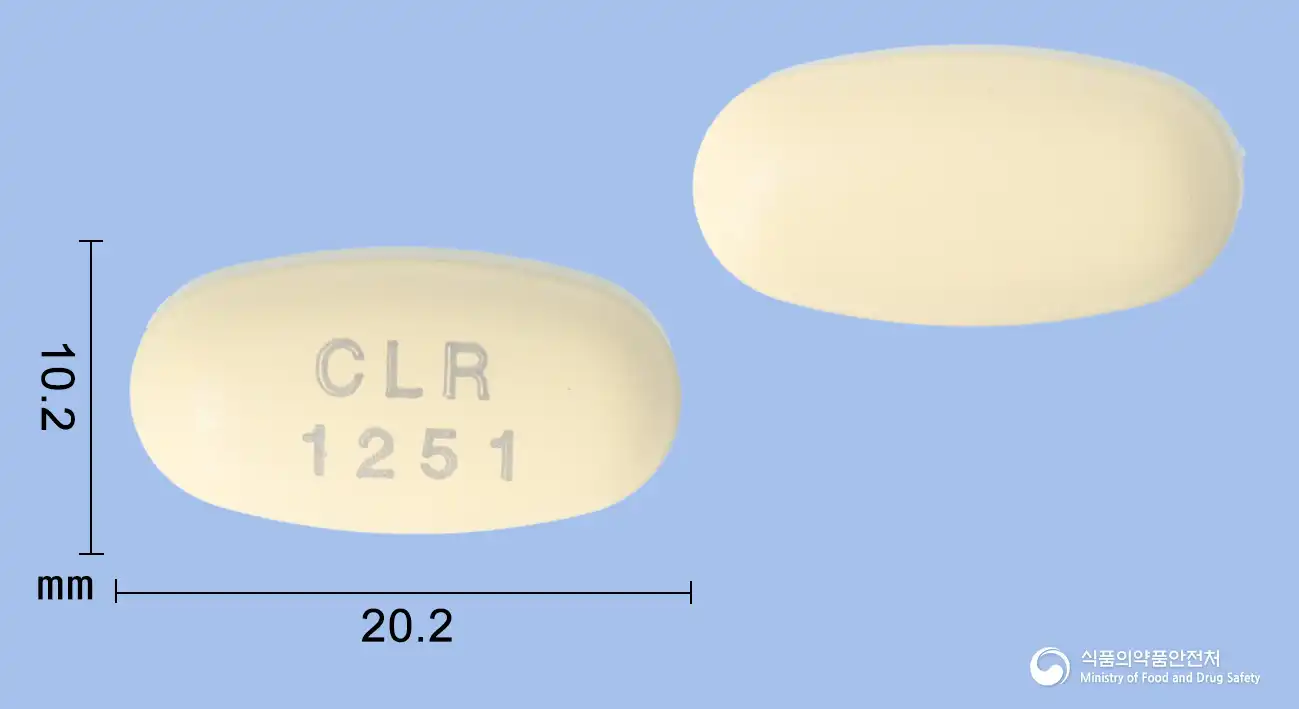 Combination
Metformin Hydrochloride 1000mg · Alogliptin Benzoate 17mg
Tablet · Prescription medication · Combination
Celltrion Pharmaceutical Co., Ltd.
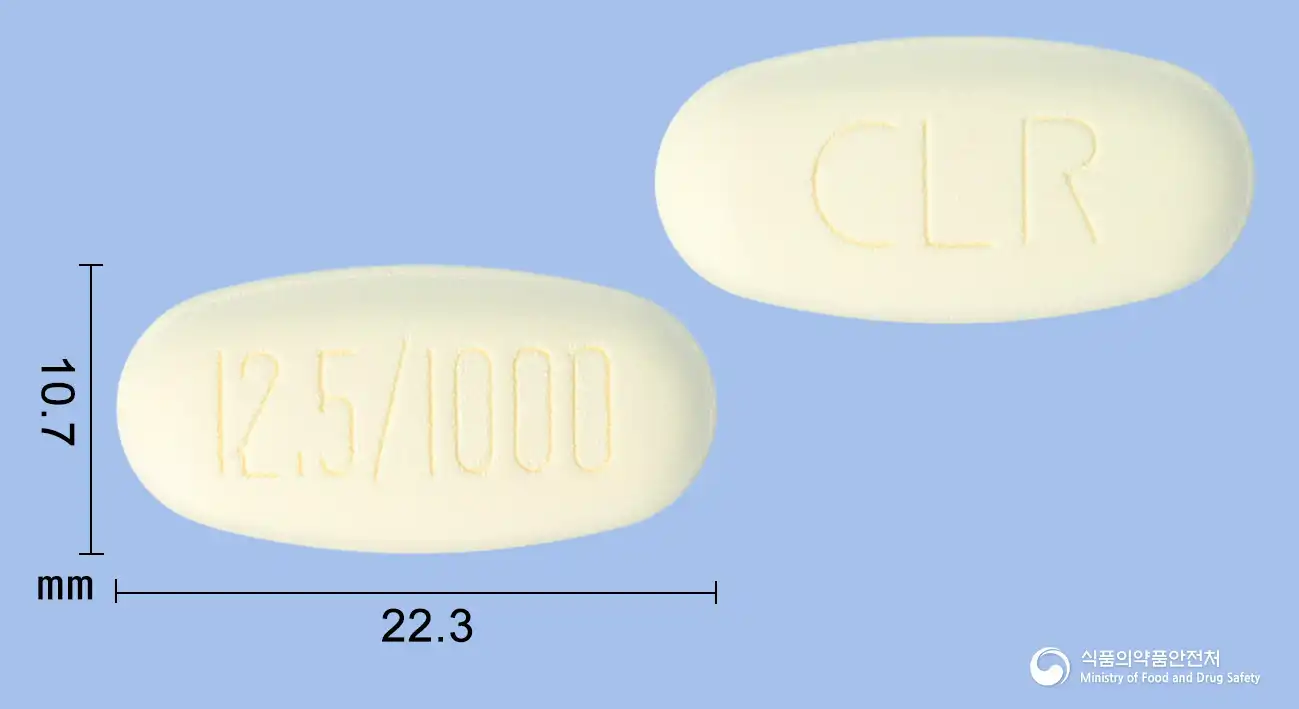 Combination
Alogliptin Benzoate 17mg · Metformin Hydrochloride 1000mg
Tablet · Prescription medication · Combination
Celltrion Pharmaceutical Co., Ltd.
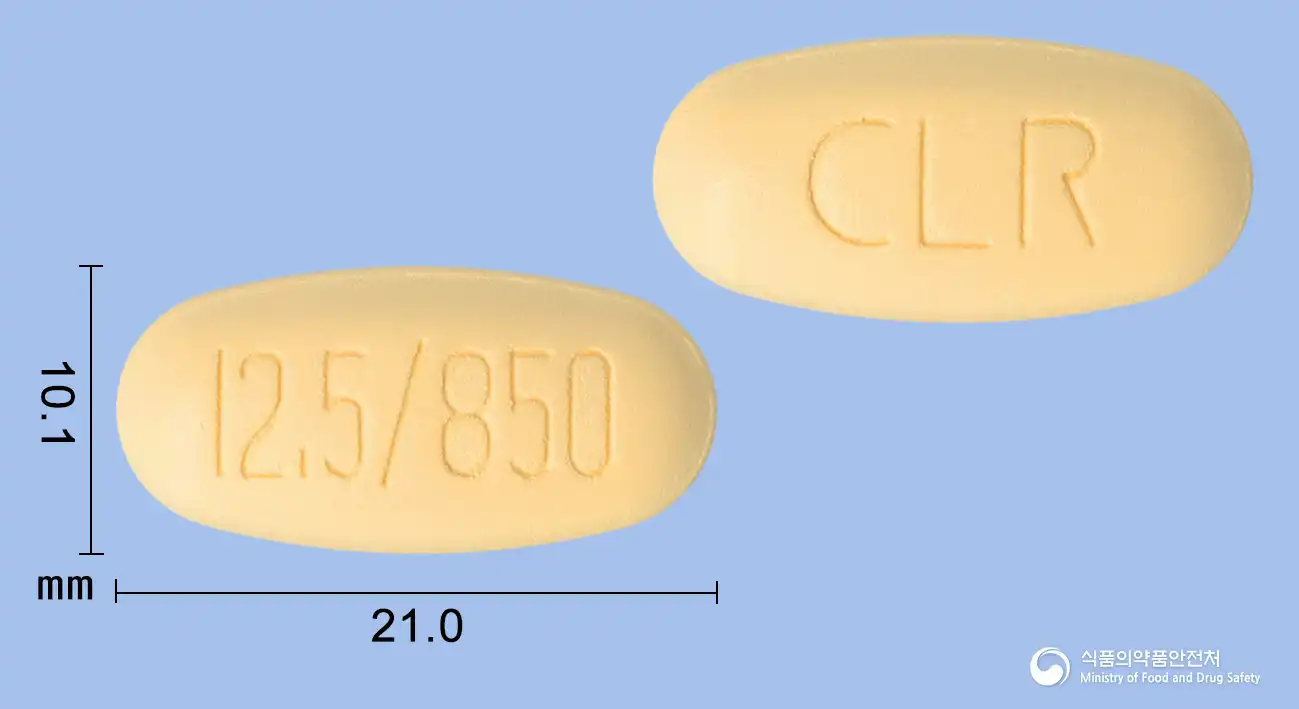 Combination
Alogliptin Benzoate 17mg · Metformin Hydrochloride 850mg
Tablet · Prescription medication · Combination
Celltrion Pharmaceutical Co., Ltd.
Even with the same ingredient, the dose and directions can differ by strength and dosage form. Talk to a doctor or pharmacist before switching from a medication you are already taking.
No questions yet.
For anything that needs medical judgment, consult a doctor or pharmacist.
This drug information is based on data provided by the Korea Ministry of Food and Drug Safety.
Consult a doctor or pharmacist for accurate dosage, administration, and usage instructions.