
 한국어
 English
 日本語
 中文(简体)
Dosage form image
Viewing nowCombinationAlbitrin Tablets
Ranitidine Hydrochloride 84mg · Sucralfate Hydrate 300mg +1 more
Tablet · Prescription medication · Combination
Jeil Pharmaceutical Co., Ltd.
MFDS item code 201501037 · Approved 2015.02.27
This product's status changed to Expired on 2025.02.27. It may no longer be sold, so consult a doctor or pharmacist before taking it.
Treatment of acid-related disorders (ulcers, gastritis, etc.) and prevention of Mendelson's syndrome
This medicine is used for gastrointestinal diseases such as gastric and duodenal ulcers, gastritis, and gastroesophageal reflux disease. It is also effective in conditions caused by excessive gastric acid secretion, such as Zollinger-Ellison syndrome. It can be used to prevent and treat ulcers that may occur after surgery. It helps prevent gastric and duodenal ulcers caused by non-steroidal anti-inflammatory drugs (NSAIDs). It is also used preoperatively to prevent Mendelson's syndrome. Overall, it is effective in protecting the gastrointestinal mucosa and improving inflammation and ulcer symptoms.
○ Adults The usual dose is 2 tablets orally twice daily, in the morning and at bedtime, regardless of meals. 1) Gastric and duodenal ulcers Administer 2 tablets twice daily or 4 tablets once daily at bedtime. In particular, a higher cure rate may be achieved in patients with duodenal ulcers by administering 4 tablets twice daily, in the morning and at bedtime. The dose is the same when used concomitantly to treat ulcers caused by nonsteroidal anti-inflammatory drugs or to prevent gastric and duodenal ulcers during long-term use of nonsteroidal anti-inflammatory drugs. Diseases caused by nonsteroidal anti-inflammatory drugs usually heal within 4 weeks, and ulcers usually heal within 8 weeks; however, healing may take longer in some patients. For patients with recurrent ulcers who responded well to short-term treatment with this medicine, administer 2 tablets once daily at bedtime as maintenance therapy. 2) Gastroesophageal reflux disease Administer 2 tablets twice daily for 8 weeks or 4 tablets once daily at bedtime. However, for patients with severe gastroesophageal reflux disease, the dose may be increased to 4 tablets 4 times daily. 3) Zollinger-Ellison syndrome Initiate treatment with an initial dose of 2 tablets 3 times daily and increase the dose as needed. For severe disease, up to 6 g of ranitidine daily may be administered as directed by a physician. 4) Upper gastrointestinal bleeding due to peptic ulcers, acute stress ulcers, and acute gastric mucosal lesions When oral administration becomes possible, switch from injection to oral administration and administer 2 tablets twice daily. 5) Premedication for anesthesia (prevention of Mendelson syndrome) Administer 2 tablets 2 hours before induction of anesthesia. In this case, it is preferable to also administer 2 tablets on the night before surgery.
This drug should not be used in patients undergoing dialysis or with impaired kidney function. Also, it should not be administered to patients with a history of allergic reactions to this drug or its components, patients with acute porphyria, patients who have undergone upper gastrointestinal tract surgery, pregnant women or women of childbearing potential, premature infants and neonates, and patients on potassium-restricted diets. Caution should be taken when using this drug in patients with liver dysfunction, a history of drug allergy, elderly patients, patients with a history of kidney impairment, and patients taking NSAIDs. Particularly, since it can mask symptoms of stomach cancer, patients with gastric ulcers or patients over middle age who have newly developed or changed dyspepsia symptoms should be screened for malignancy before treatment. Patients with gastric and duodenal ulcers infected with Helicobacter pylori must undergo eradication treatment, and caution is needed for critically ill patients in intensive care and those with hypophosphatemia or swallowing difficulties. Very rarely, severe allergic reactions such as anaphylactic shock may occur while taking this drug; if symptoms appear, immediately stop taking the drug and inform healthcare personnel. Hypersensitivity reactions such as skin rash, urticaria, angioedema, fever, bronchospasm may occur, and withdrawal should be considered if such symptoms occur. Blood tests may rarely show decreased white blood cells or platelets, liver function abnormality, arrhythmia, nausea, vomiting, diarrhea, dizziness, drowsiness, confusion, depression, etc., so consult healthcare personnel if any unusual symptoms arise. Do not use for extended periods, and if no therapeutic effect is observed, consider switching to another medication. Regular blood, liver, and kidney function tests are recommended. Elderly patients or those with chronic lung disease or diabetes may have an increased risk of pneumonia while taking this drug, so caution is needed. If you experience dizziness or drowsiness while taking this drug, avoid driving or operating hazardous machinery. This drug may interact with other medications, so inform healthcare personnel if you are taking other medicines, especially anticoagulants, certain antibiotics, or anticonvulsants. Pregnant or nursing women should not use this medication, and it is not recommended for pediatric use as safety has not been established. In cases of overdose, emergency measures such as vomiting or gastric lavage may be necessary; if needed, the drug may be removed through blood dialysis. Lastly, this drug may reduce gastric acid secretion, which can promote bacterial growth in the stomach; therefore, regular examinations including eye checks are recommended for long-term users.
Not everyone experiences these, and they can vary from person to person.
Store this medication in a tightly sealed container away from air and moisture, at room temperature between 1 to 30 degrees Celsius. Proper storage will help maintain the effectiveness of the medication.
Green round film-coated tablet
30 tablets/bottle, 500 tablets/bottle
Even with the same ingredient, strength, dosage form and how it is taken can differ.
Ranitidine Hydrochloride 84mg · Sucralfate Hydrate 300mg +1 more
Tablet · Prescription medication · Combination
Jeil Pharmaceutical Co., Ltd.
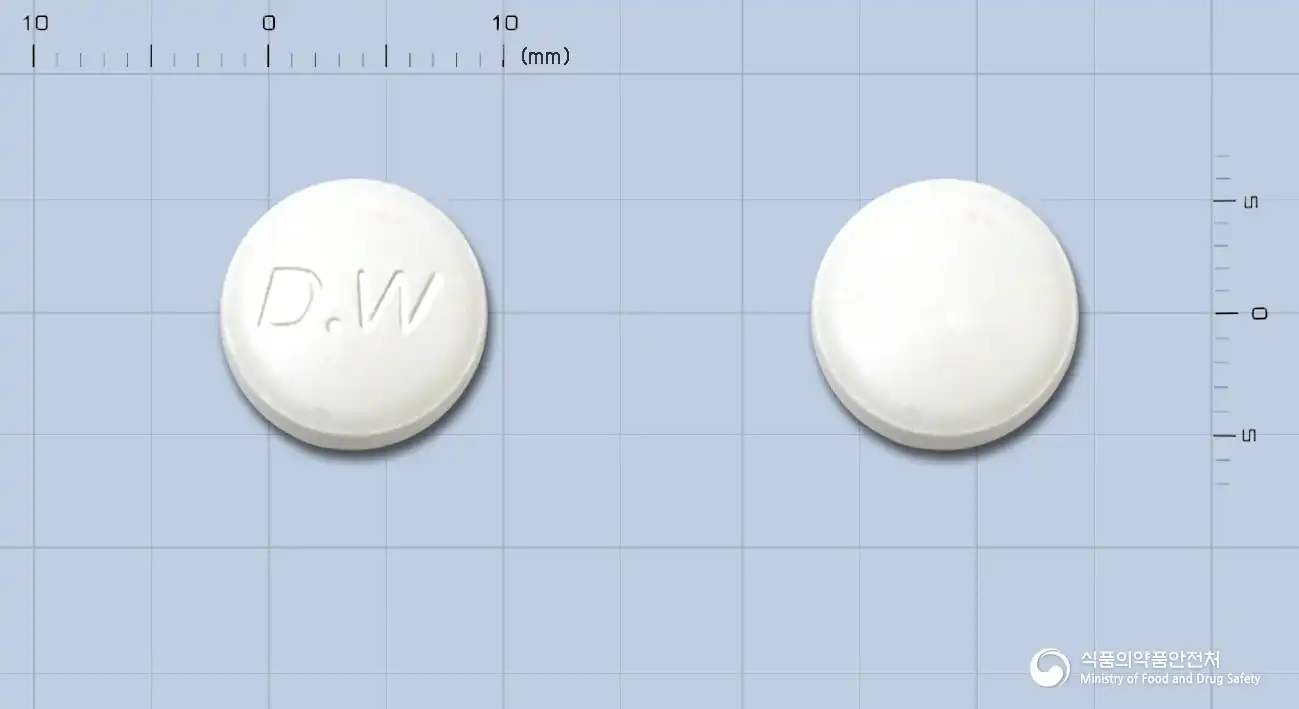 Combination
Ranitidine Hydrochloride 84mg · Tripotassium Bismuth Dicitrate 100mg +1 more
Tablet · Prescription medication · Combination
Daewoong Pharmaceutical Co., Ltd.
Ranitidine Hydrochloride 84mg · Tripotassium Bismuth Dicitrate 100mg +1 more
Tablet · Prescription medication · Combination
Nexpharm Korea Co., Ltd.
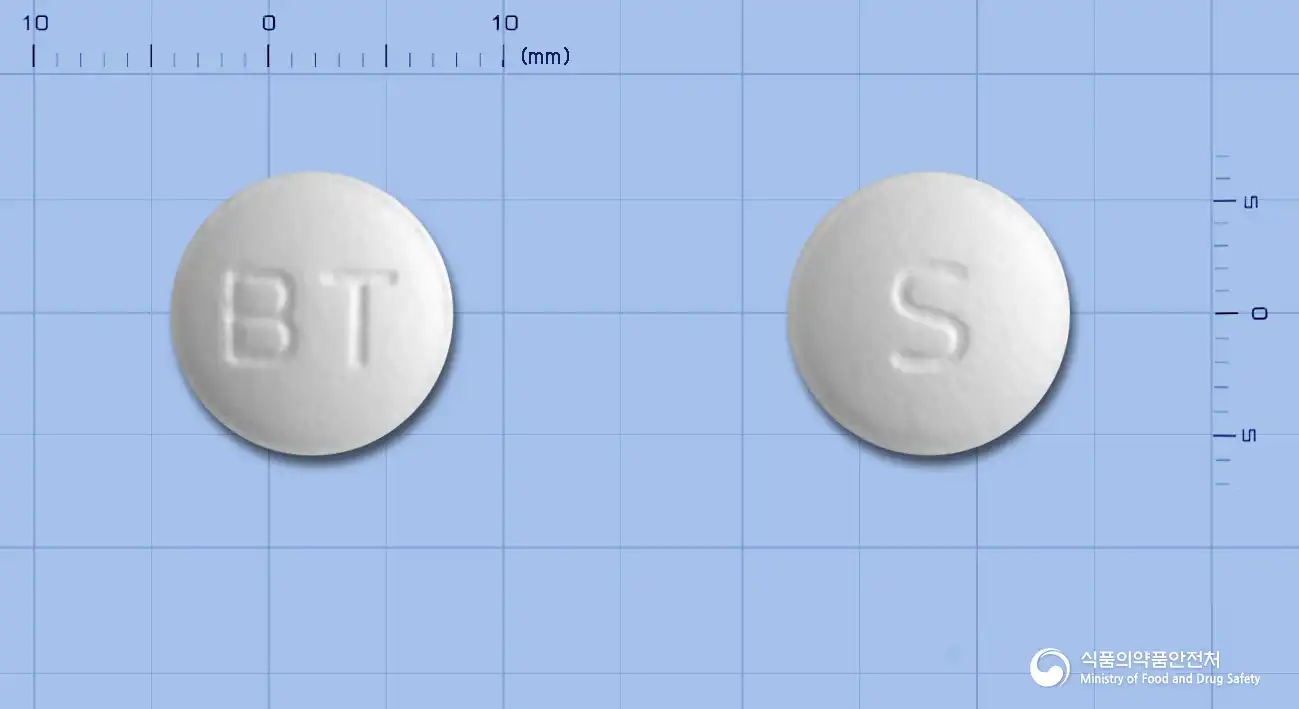 Combination
Ranitidine Hydrochloride 84mg · Tripotassium Bismuth Dicitrate 100mg +1 more
Tablet · Prescription medication · Combination
HUONS BioScience Co., Ltd.
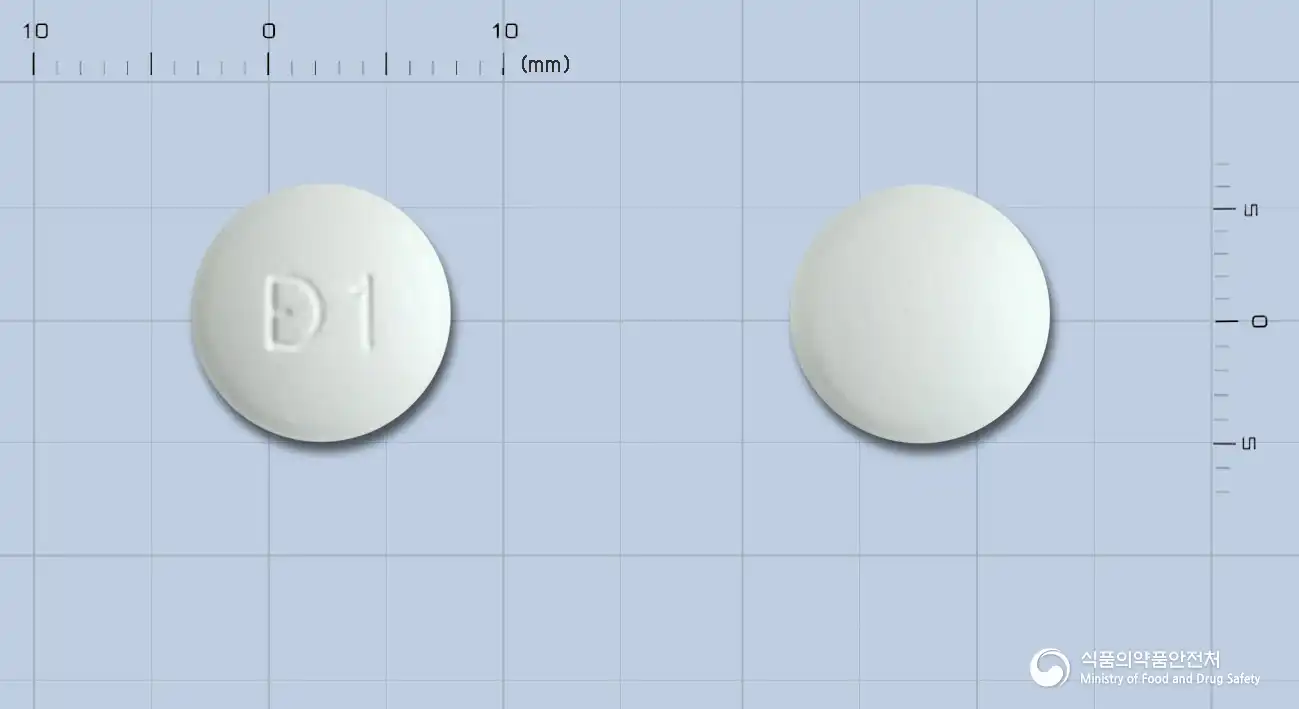 Combination
Ranitidine Hydrochloride 84mg · Tripotassium Bismuth Dicitrate 100mg +1 more
Tablet · Prescription medication · Combination
Daewoong Bio Co., Ltd.
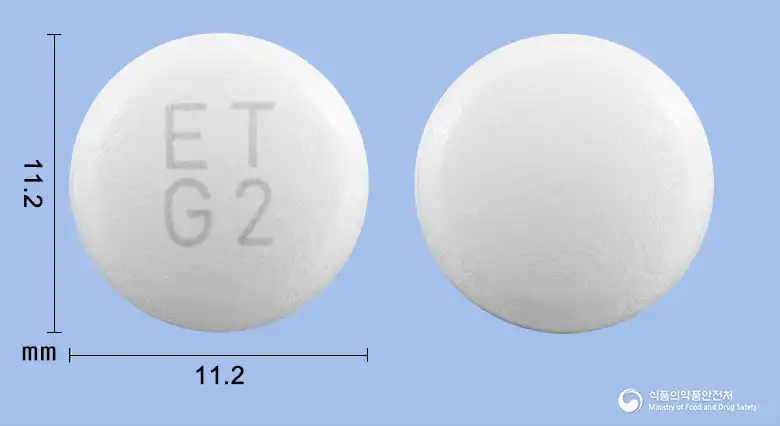 Combination
Ranitidine Hydrochloride 84mg · Tripotassium Bismuth Dicitrate 100mg +1 more
Tablet · Prescription medication · Combination
Teragen Etex Co., Ltd.
Ranitidine Hydrochloride 84mg · Sucralfate Hydrate 300mg +1 more
Tablet · Prescription medication · Combination
Korea Pavise Pharmaceutical Co., Ltd.
Ranitidine Hydrochloride 84mg · Sucralfate Hydrate 300mg +1 more
Tablet · Prescription medication · Combination
Kwangdong Pharmaceutical Co., Ltd.
Even with the same ingredient, the dose and directions can differ by strength and dosage form. Talk to a doctor or pharmacist before switching from a medication you are already taking.
No questions yet.
For anything that needs medical judgment, consult a doctor or pharmacist.
This drug information is based on data provided by the Korea Ministry of Food and Drug Safety.
Consult a doctor or pharmacist for accurate dosage, administration, and usage instructions.