
 한국어
한국어 English
 日本語
日本語 中文(简体)
 Viewing now
Boniva 150 mg (Ibandronate Sodium Hydrate)
Ibandronate Sodium Monohydrate 168.75mg
Tablet · Prescription medication
Hybeast Pharmaceutical Co., Ltd.
MFDS item code 201500856 · Approved 2015.02.16 · Insurance code 628800520
Improvement of osteoporosis in postmenopausal women
This medication is used for the treatment of osteoporosis occurring in postmenopausal women. Osteoporosis is a condition characterized by decreased bone density, increasing the risk of fractures, and is particularly common in postmenopausal women. This drug helps to increase bone strength, reduce the risk of fractures, and maintain bone health. Thus, it is effective in preventing and treating osteoporosis caused by menopause.
Take 1 tablet once a month regularly, every month on the same day in the morning at least 1 hour before eating, drinking (except for water), or taking other oral medications or dietary supplements (including calcium), with sufficient water. This medication should be swallowed with a sufficient amount (180-240ml) of water while standing or sitting upright, and do not lie down for 60 minutes after taking. Mineral water may reduce absorption of this medication.
Efficacy and safety in children under 18 years have not been studied.
This medication should not be used in certain patients. For example, individuals with an allergy to this drug or its components, untreated hypocalcemia, those who cannot sit or stand upright for more than 60 minutes, patients with esophageal function problems affecting the passage of food, and individuals with lactose intolerance or related genetic disorders should not take this medication. For patients with severe renal failure, this medication should be administered with caution. Hypocalcemia or bone and mineral metabolic disorders must be treated before taking this drug, and it is important to consume adequate calcium and vitamin D. This medication can irritate the gastric mucosa, so patients with upper gastrointestinal conditions such as gastritis, esophagitis, or duodenitis should exercise caution. It is essential to strictly follow the prescribed method and dosages, and if there are difficulties swallowing, pain while swallowing, chest pain, or heartburn, take the medication immediately and consult a physician. During dental treatment or if oral health is poor, there is a risk of osteonecrosis of the jaw, so it is advisable to undergo oral examination and avoid excessive dental treatment prior to taking this medication. This medication may interfere with the absorption when taken with food or products containing calcium, aluminum, magnesium, iron, etc., so do not consume other food or drugs for at least 1 hour after taking it. Women who are pregnant or breastfeeding are advised not to use this medication, and safety and efficacy have not been established in children under 18 years of age. While taking this medication, rare side effects such as muscle pain, joint pain, headache, dyspepsia, nausea, diarrhea, and rash may occur, and in severe cases, allergic reactions or eye inflammation, atypical fractures have been reported. Overdosing may cause gastrointestinal disturbances or hypocalcemia, so caution is needed when taking this medication, and inducing vomiting is not recommended. Patients should remain seated or standing. Keep out of reach of children, and unused medication should be disposed of in an environmentally safe manner to prevent pollution.
Hives, angioedema, facial swelling, hypersensitivity reactions, anaphylactic reactions/shock, Stevens-Johnson syndrome, erythema multiforme, bullous dermatitis, angioedema, hives, esophageal ulcer or stricture, uveitis, scleralitis, osteonecrosis (jaw and external auditory canal), atypical femoral fracture, atypical fracture (iliac bone)
Not everyone experiences these, and they can vary from person to person.
This medication should be stored in a tightly closed container to protect it from air and moisture. It is important to maintain a storage temperature between 1 to 30 degrees Celsius.
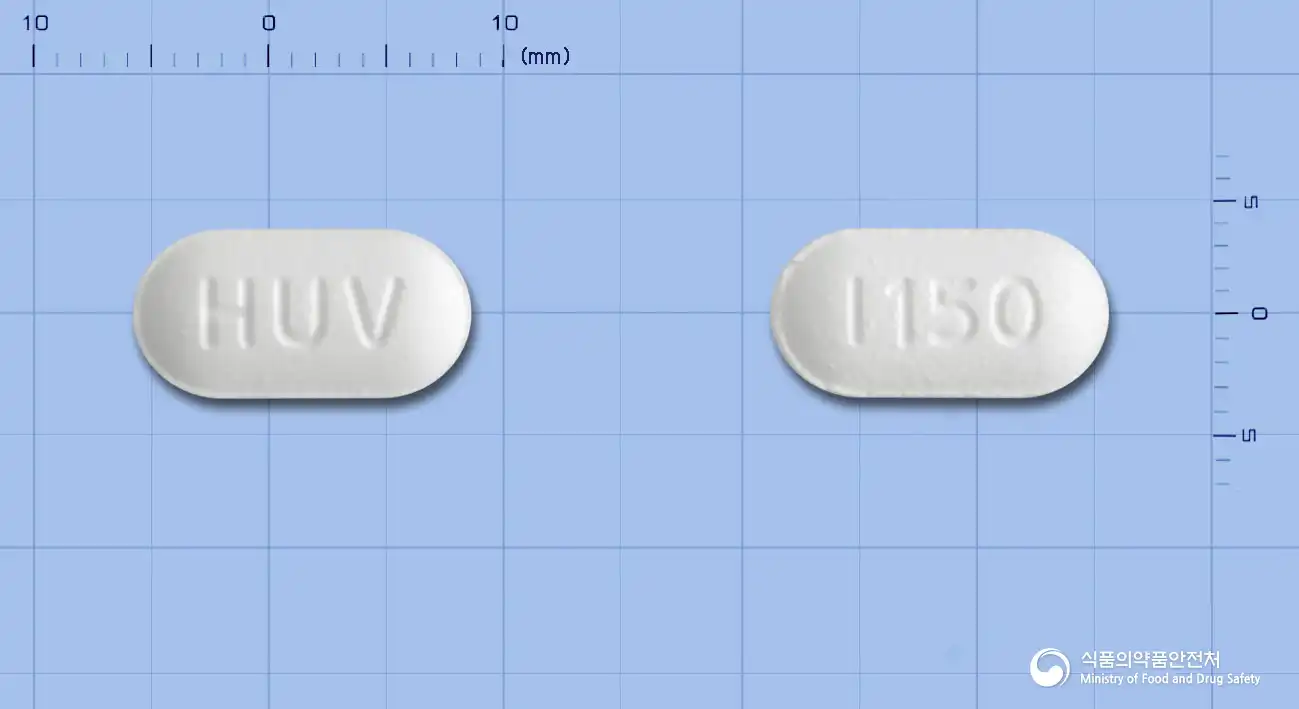
White oblong film-coated tablet
1 tablet (1 tablet/PTP*1)
Even with the same ingredient, strength, dosage form and how it is taken can differ.
Viewing nowIbandronate Sodium Monohydrate 168.75mg
Tablet · Prescription medication
Hybeast Pharmaceutical Co., Ltd.
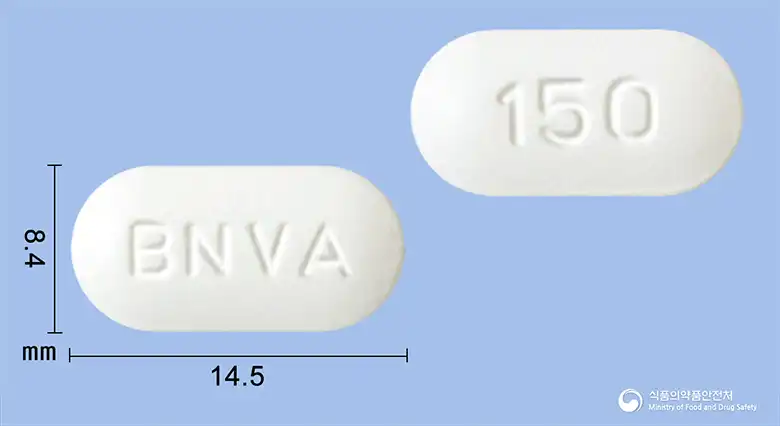
Ibandronate Sodium Monohydrate 168.75mg
Tablet · Prescription medication
Jeil Pharmaceutical Co., Ltd.
Ibandronate Sodium Monohydrate 3.375mg
Solution · Prescription medication
Jeil Pharmaceutical Co., Ltd.
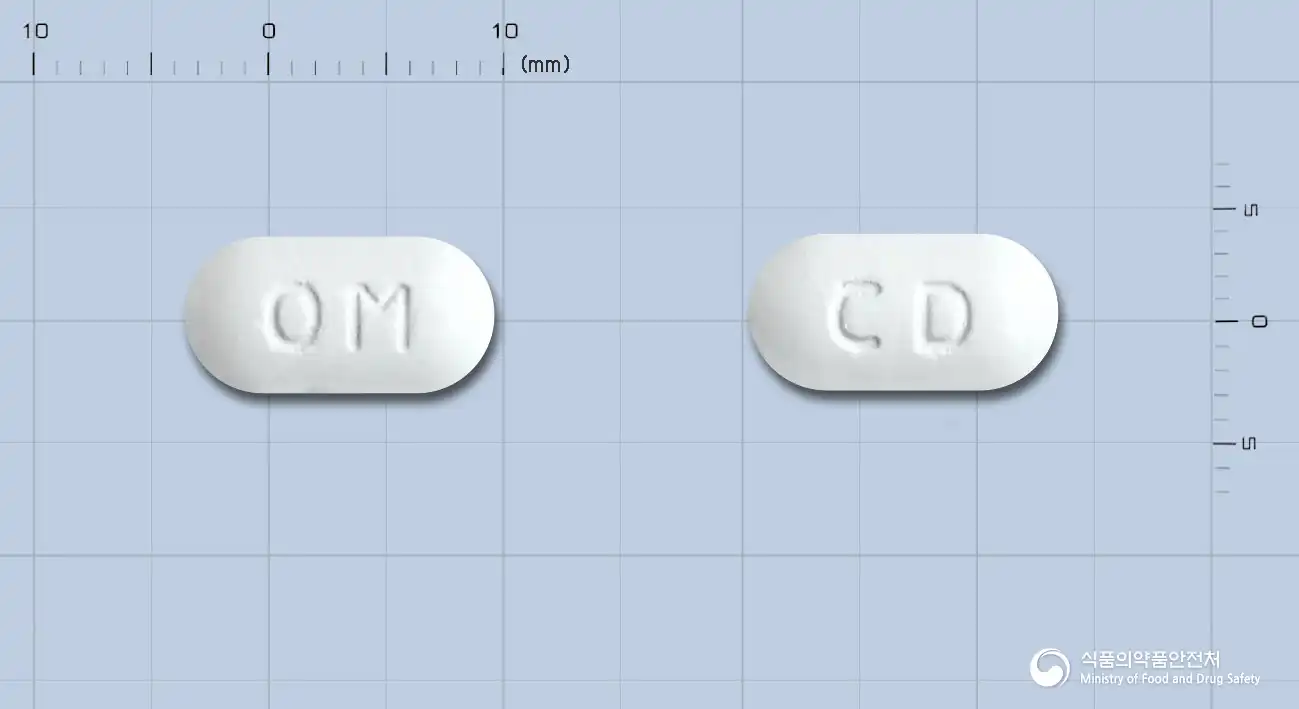
Ibandronate Sodium Monohydrate 168.75mg
Tablet · Prescription medication
Chodang Pharmaceutical Co., Ltd.
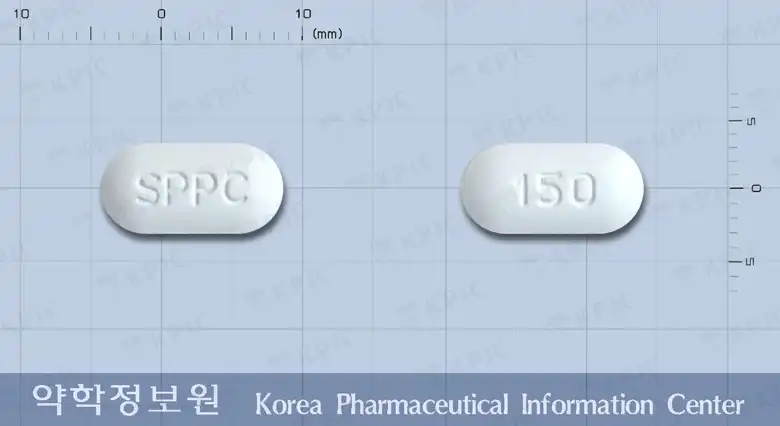
Ibandronate Sodium Monohydrate 168.75mg
Tablet · Prescription medication
Shinpoong Pharmaceutical Co., Ltd.
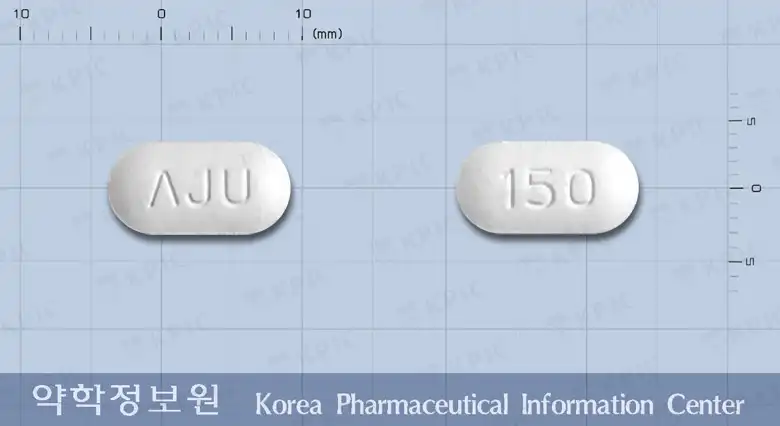
Ibandronate Sodium Monohydrate 168.75mg
Tablet · Prescription medication
Ajou Pharmaceutical Co., Ltd.
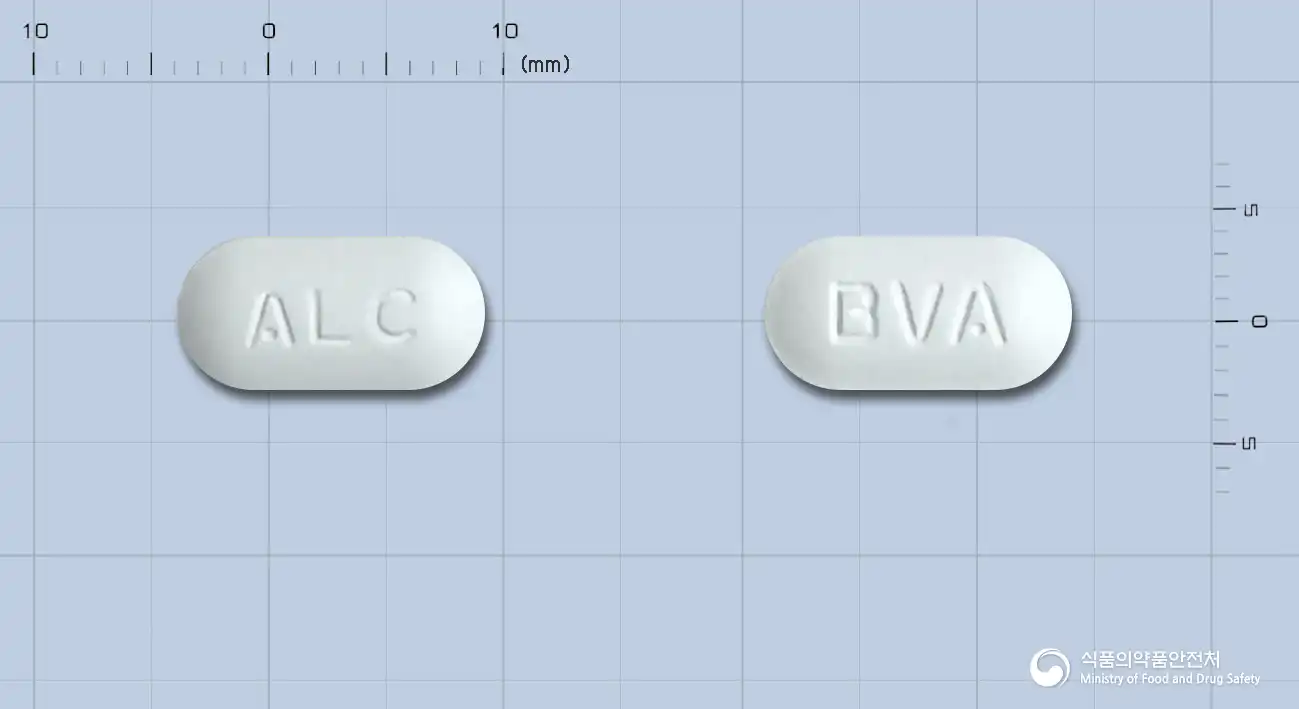
Ibandronate Sodium Monohydrate 168.75mg
Tablet · Prescription medication
Aliko Pharmaceutical Co., Ltd.
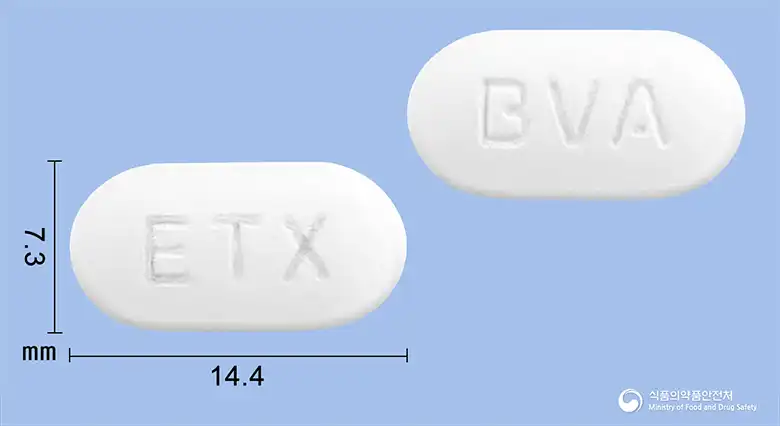
Ibandronate Sodium Monohydrate 168.75mg
Tablet · Prescription medication
Teragen Etex Co., Ltd.
Even with the same ingredient, the dose and directions can differ by strength and dosage form. Talk to a doctor or pharmacist before switching from a medication you are already taking.
No questions yet.
For anything that needs medical judgment, consult a doctor or pharmacist.
This drug information is based on data provided by the Korea Ministry of Food and Drug Safety.
Consult a doctor or pharmacist for accurate dosage, administration, and usage instructions.