
 한국어
한국어 English
 日本語
日本語 中文(简体)
 Viewing now
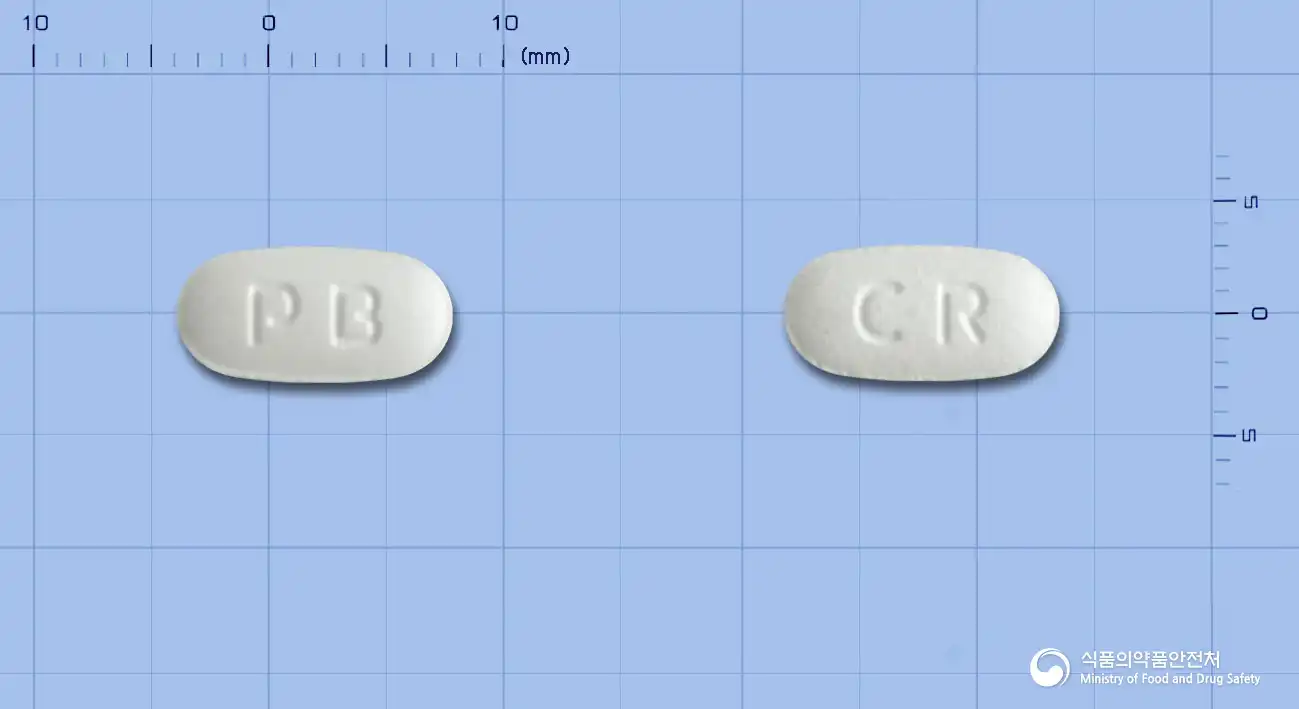
Pamfenac CR Tablets (Aceclofenac)
Aceclofenac 100mg
Tablet · Prescription medication
Korea Pharmbio Co., Ltd.
MFDS item code 201500851 · Approved 2015.02.16 · Insurance code 659900960
Relief of pain in rheumatoid arthritis and osteoarthritis (degenerative arthritis)
This medication is used for the relief of pain associated with chronic joint diseases including rheumatoid arthritis, ankylosing spondylitis, osteoarthritis, as well as periarticular inflammation around the shoulder, low back pain, sciatica, and pain resulting from non-articular rheumatism.
Take 200 mg once daily as aceclofenac. Do not chew or crush this medication; take it whole. To minimize cardiovascular adverse reactions, it should be administered at the lowest effective dose for the shortest duration.
This medication may increase the risk of gastric bleeding in individuals who regularly consume more than three drinks per day, so it is essential to consult a doctor or pharmacist. This drug may increase the risk of cardiovascular and cerebrovascular diseases, therefore patients with risk factors for cardiovascular disease should take it with caution and, if possible, at the lowest effective dose for the shortest duration. Serious gastrointestinal side effects such as gastrointestinal bleeding, ulcers, and perforations may occur, particularly in elderly patients or those with a history of gastrointestinal diseases, and patients should inform healthcare professionals immediately if gastrointestinal symptoms arise during use. Patients with active peptic ulcers or bleeding, or those who have hypersensitivity to non-steroidal anti-inflammatory drugs should not take this medication. Certain patient groups, such as those with heart failure, severe renal or liver disease, late-stage pregnancy, breastfeeding mothers, and patients with bleeding disorders, should avoid or use this medication with caution. Patients with a history of renal dysfunction, fluid retention, hypertension, and asthma should be carefully monitored during use. This medication may cause various side effects such as dizziness, skin rash, liver function abnormalities, and gastrointestinal disturbances, and patients should consult a doctor immediately if any adverse symptoms appear. This drug may interact with other medications, so it is crucial for patients currently taking anticoagulants, diuretics, lithium, methotrexate, or antidiabetic drugs to consult a physician. In early and mid-pregnancy, it should be used at the minimum effective dose with caution, and it should not be taken during late pregnancy. Safety and efficacy in pediatric and adolescent populations have not been established, so its use is not recommended. Elderly patients should be particularly cautious as they have an increased risk of gastrointestinal bleeding and perforations. In cases of overdose, symptoms such as gastrointestinal irritation, hypotension, respiratory depression, and seizures may occur, and immediate medical attention should be sought. This medication should be kept out of reach of children and not transferred to other containers.
Hives, severe swelling, chest tightness, difficulty breathing, cold sweat, paleness, severe rash with high fever, blisters, skin shedding, pain of mucous membranes in the mouth/eyes, difficulty breathing or shortness of breath, asthma attacks, respiratory issues accompanied by cough and fever, yellowing of the skin or eyes (jaundice), profound malaise, sudden and severe headache, lightning headache, seizures, confusion of consciousness, visual disturbances, paralysis, significant urination changes.
Not everyone experiences these, and they can vary from person to person.
This medication is sensitive to air and moisture, so it must be stored in a tightly sealed container. Additionally, storing it at room temperature between 1°C and 30°C is the safest option.
White, convex, rectangular film-coated tablets
30 tablets, 100 tablets/bottle
Even with the same ingredient, strength, dosage form and how it is taken can differ.
Viewing nowAceclofenac 100mg
Tablet · Prescription medication
Korea Pharmbio Co., Ltd.
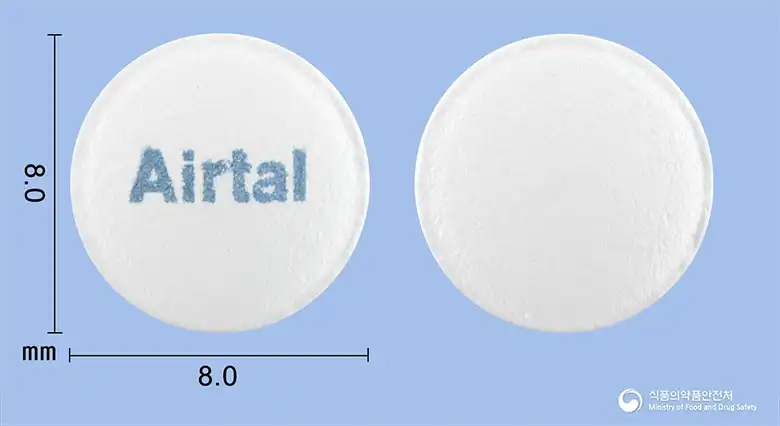
Aceclofenac 100mg
Tablet · Prescription medication
Daewoong Pharmaceutical Co., Ltd.
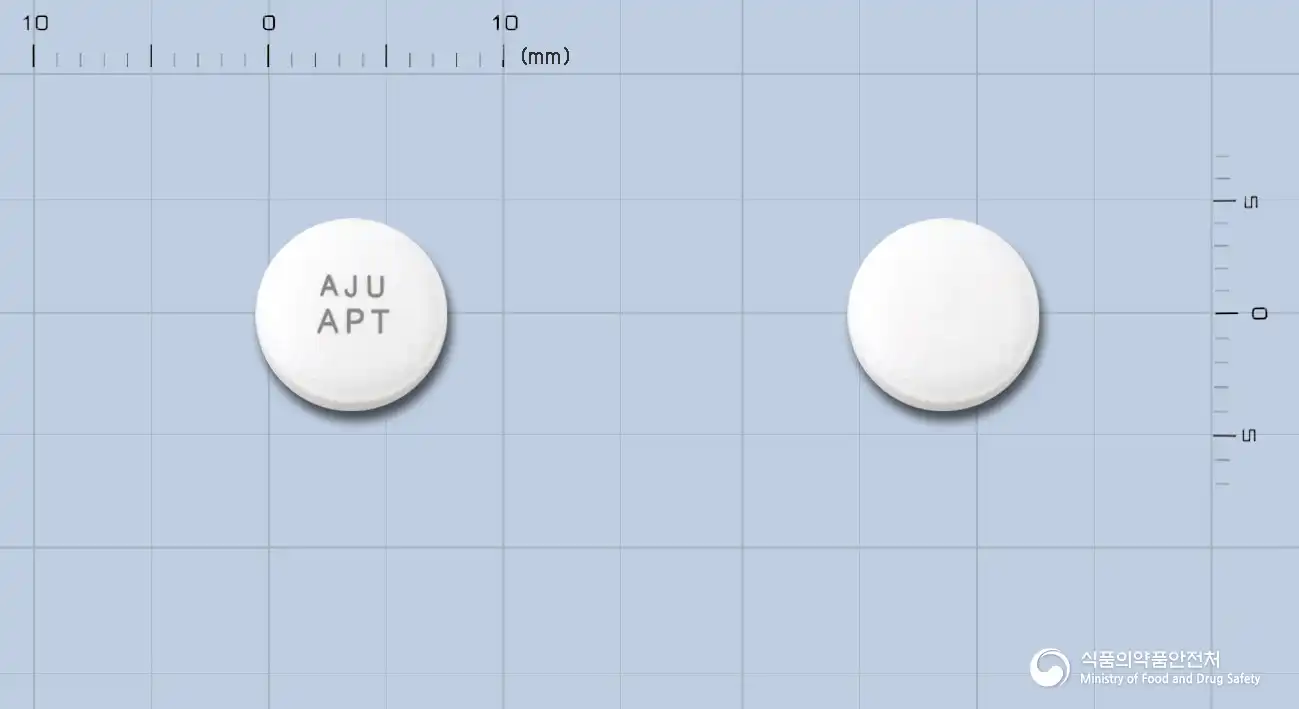
Aceclofenac 100mg
Tablet · Prescription medication
Aju Pharm Co., Ltd.
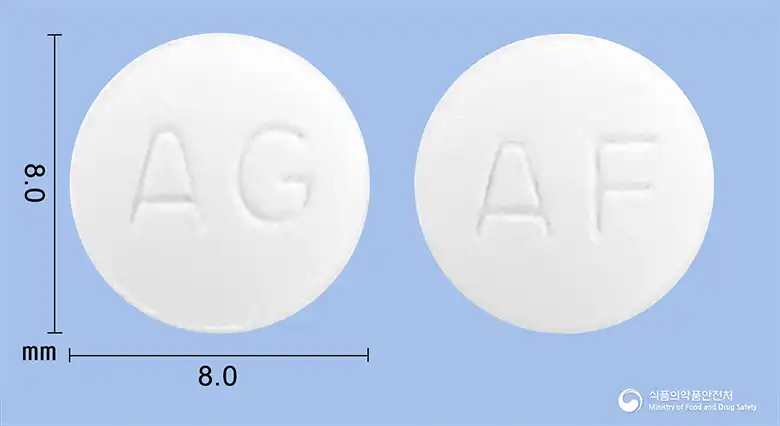
Aceclofenac 100mg
Tablet · Prescription medication
Angkuk Pharmaceutical Co., Ltd.
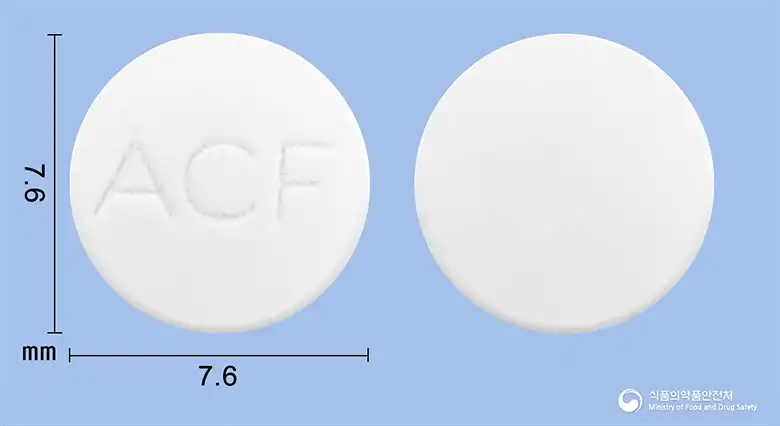
Aceclofenac 100mg
Tablet · Prescription medication
Dong-A ST Co., Ltd.
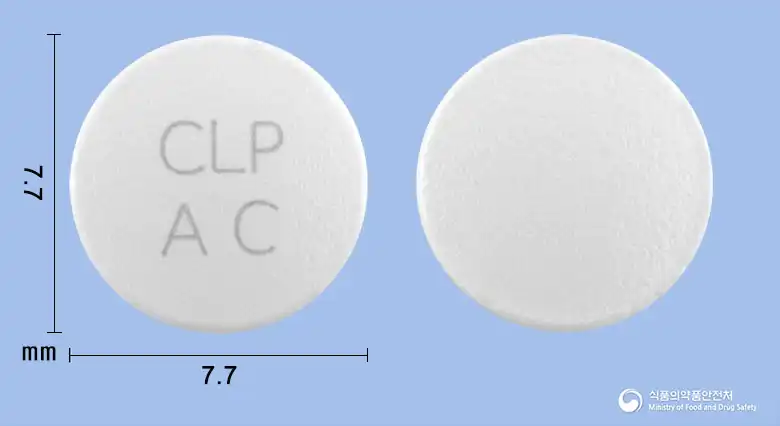
Aceclofenac 100mg
Tablet · Prescription medication
Celltrion Pharmaceutical Co., Ltd.
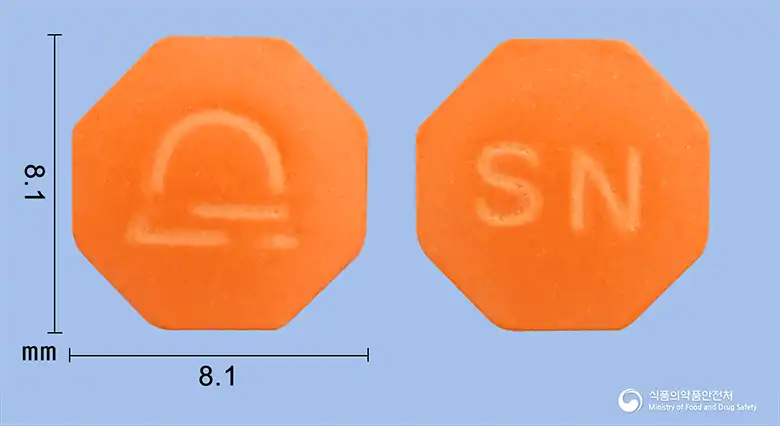
Aceclofenac 100mg
Tablet · Prescription medication
Daewon Pharmaceutical Co., Ltd.
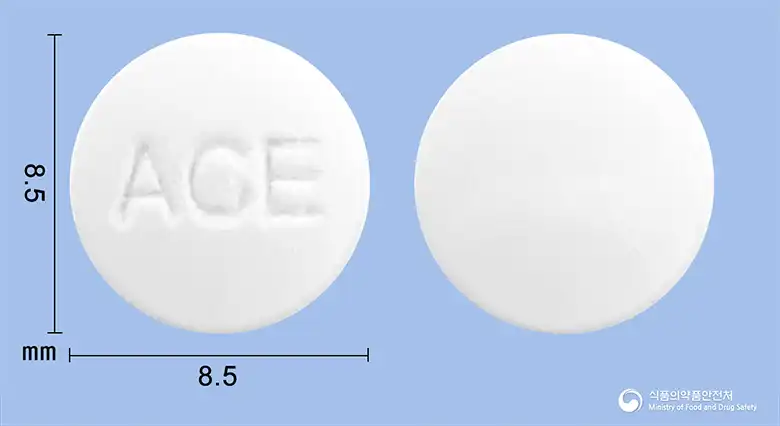
Aceclofenac 100mg
Tablet · Prescription medication
Kyungdong Pharmaceutical Co., Ltd.
Even with the same ingredient, the dose and directions can differ by strength and dosage form. Talk to a doctor or pharmacist before switching from a medication you are already taking.
No questions yet.
For anything that needs medical judgment, consult a doctor or pharmacist.
This drug information is based on data provided by the Korea Ministry of Food and Drug Safety.
Consult a doctor or pharmacist for accurate dosage, administration, and usage instructions.