
 한국어
한국어 English
 日本語
日本語 中文(简体)
 Viewing now
Ciprofloxacin Hydrochloride Hydrate 250 mg Tablets
Ciprofloxacin Hydrochloride Hydrate 291mg
Tablet · Prescription medication
TDS Pharm Co., Ltd.
MFDS item code 201500661 · Approved 2015.02.09 · Insurance code 679801410
Treatment of bacterial infections such as respiratory infections (excluding acute bronchitis) and urinary tract infections (acute simple cystitis, acute pyelonephritis)
This medication is used to treat infections caused by various bacteria including Escherichia coli, Salmonella, and Staphylococcus. It is effective against respiratory infections excluding acute bronchitis and community-acquired pneumonia, as well as ear, nose, and throat infections, bacterial prostatitis, and various urinary tract infections. It is also used for gastrointestinal infections, biliary tract infections, skin and soft tissue infections, bone and joint infections, gynecological infections, and peritonitis. As a fluoroquinolone antibiotic, it should be prescribed cautiously only when no alternative treatment is available for certain specific conditions. This medication is used to effectively treat a variety of bacterial infections.
For normal adults, ciprofloxacin is usually administered orally at a dose of 250 to 500 mg twice daily between meals. In cases of severe complicated infections, the dose may be increased to 750 mg twice daily. The treatment usually lasts for 5 to 10 days for acute infections and should continue for at least 3 days after symptoms disappear. For patients with renal impairment, the dosage should be adjusted according to creatinine clearance: 1) > 50 mL/min: usual dosage.
This medication can cause serious side effects such as tendonitis and tendon rupture; if these symptoms occur, usage must be stopped immediately. It is contraindicated in patients with severe myasthenia gravis due to risk of exacerbation. This medication is used restrictively for specific bacterial infections when no other therapy is available. Elderly patients, those with impaired renal function, and patients taking corticosteroids are at increased risk of tendon rupture. This medication can affect the central nervous system, potentially causing seizures or psychiatric symptoms; it should be used cautiously in patients with epilepsy or central nervous system disorders. Pregnant or potentially pregnant women, nursing mothers, and growing adolescents under 18 years should not use this medication. There may also be severe side effects when combined with certain medications; consult a healthcare provider if other medications are being taken. During treatment, avoid strong sunlight and UV exposure; if skin rash or photosensitivity occurs, discontinue use immediately. It may influence blood glucose levels, so diabetic patients should check their blood sugar frequently and treat any symptoms of hypoglycemia immediately. Patients with heart conditions or risk factors should consult a physician thoroughly before using this medication. This medication may affect kidney function, so patients with renal disease should undergo regular renal function tests. Overdose can cause nephrotoxicity, necessitating immediate emergency treatment, and adequate hydration is essential. This medication should be stored out of the reach of children, avoiding direct sunlight or UV exposure. It is important to consult healthcare personnel immediately if any abnormal symptoms or side effects are suspected during use.
Tendinitis, tendon rupture, exacerbation of severe myasthenia gravis, peripheral neuropathy, central nervous system effects, anaphylactic reactions, shock resembling anaphylaxis, bone marrow suppression, (life-threatening) colitis, liver necrosis, liver failure, jaundice, shock, severe edema accompanied by increased blood pressure, severe allergic reactions, acute renal failure, interstitial pneumonia, convulsions, seizures, liver abnormalities (jaundice), severe neurological symptoms, severe edema or urinary problems.
Eosinophilia, (thrombotic) phlebitis, leukopenia, anemia, neutropenia, leukocytosis, thrombocytopenia, thrombocytosis, erythrocytopenia, decreased hemoglobin, decreased hematocrit, agranulocytosis, leukolysis, syndrome of inappropriate antidiuretic hormone secretion (SIADH), allergic reactions, allergic swelling/angioedema, decreased appetite and food intake, increased serum alkaline phosphatase, hyperglycemia, hypoglycemia.
Not everyone experiences these, and they can vary from person to person.
This medication should be stored in a tightly closed container at a temperature between 1 and 30 degrees Celsius. Proper storage maintains the effectiveness of the medication and prevents deterioration.
White round film-coated tablets
30 tablets, 100 tablets
Even with the same ingredient, strength, dosage form and how it is taken can differ.
Viewing nowCiprofloxacin Hydrochloride Hydrate 291mg
Tablet · Prescription medication
TDS Pharm Co., Ltd.
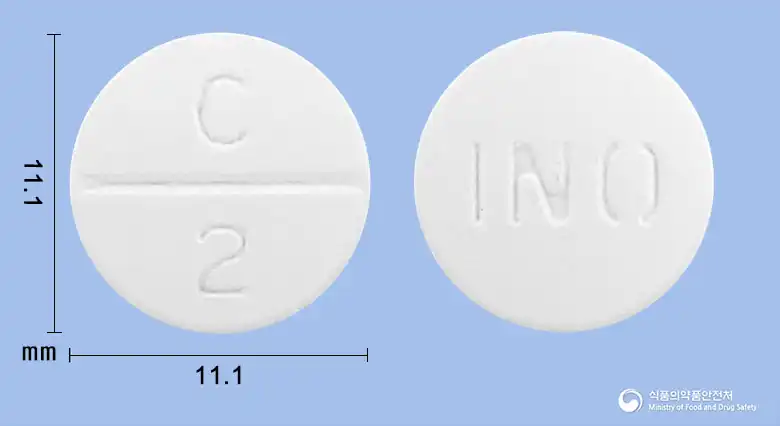
Ciprofloxacin Hydrochloride 291.5mg
Tablet · Prescription medication
HK inno.N Co., Ltd.
Ciprofloxacin Hydrochloride
Prescription medication
Dongkwang Pharmaceutical Co., Ltd.
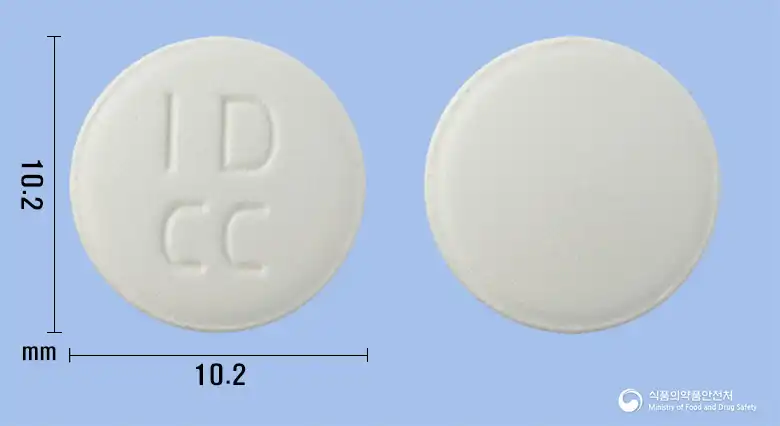
Ciprofloxacin Hydrochloride 291mg
Tablet · Prescription medication
Il Dong Pharmaceutical Co., Ltd.

Ciprofloxacin Hydrochloride 582mg
Tablet · Prescription medication
Il Dong Pharmaceutical Co., Ltd.
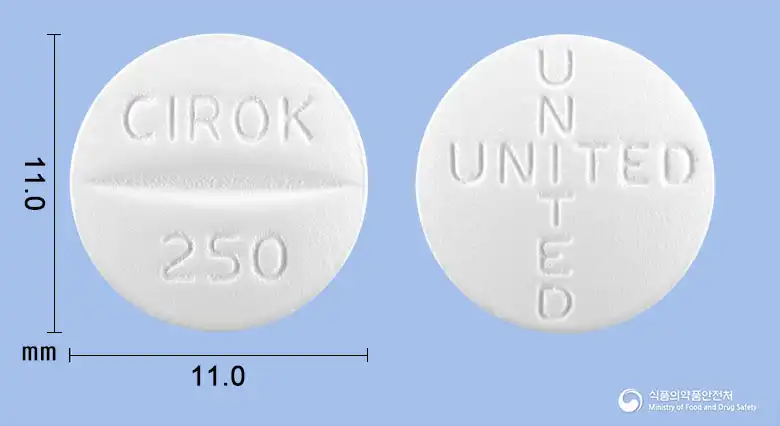
Ciprofloxacin Hydrochloride Hydrate 291mg
Tablet · Prescription medication
Korea United Pharm, Inc.
Ciprofloxacin Hydrochloride Hydrate 291mg
Tablet · Prescription medication
SK Chemicals Co., Ltd.

Ciprofloxacin Hydrochloride Hydrate 291mg
Tablet · Prescription medication
Donghwa Pharmaceutical Co., Ltd.
Even with the same ingredient, the dose and directions can differ by strength and dosage form. Talk to a doctor or pharmacist before switching from a medication you are already taking.
No questions yet.
For anything that needs medical judgment, consult a doctor or pharmacist.
This drug information is based on data provided by the Korea Ministry of Food and Drug Safety.
Consult a doctor or pharmacist for accurate dosage, administration, and usage instructions.