
 한국어
 English
 日本語
 中文(简体)
Summary
- Main use
- Improvement of ataxia caused by spinocerebellar degeneration
- Who takes it
- Adults
- Adult dose
- The usual adult dose is 5mg of taltirelin hydrate per dose, administered orally twice daily (morning/evening) after meals. The dose may also be adjusted appropriately according to age and symptoms. This medicine rapidly disintegrates in the mouth and may be taken with saliva alone (without water). However, it is not a formulation that produces its effect through absorption through the oral mucosa, so after it disintegrates, swallow it with saliva or water.
Ingredients
- Manufacturer
- HLB Pharmaceuticals Co., Ltd.
Efficacy & effects
Improvement of ataxia caused by spinocerebellar degeneration
- Motor ataxia
View approved original textHide original text
This medicine is used to improve motor ataxia symptoms caused by spinocerebellar degeneration. However, since ataxia can appear in various similar conditions, it is important for a specialist to accurately diagnose through medical history assessment and physical examination before administration. This ensures that an appropriate therapeutic effect can be expected.
How to take
Adult dose
The usual adult dose is 5mg of taltirelin hydrate per dose, administered orally twice daily (morning/evening) after meals. The dose may also be adjusted appropriately according to age and symptoms. This medicine rapidly disintegrates in the mouth and may be taken with saliva alone (without water). However, it is not a formulation that produces its effect through absorption through the oral mucosa, so after it disintegrates, swallow it with saliva or water.
Precautions
This medicine should not be used in patients who are allergic to this medicine or its components. Patients with acute myocardial infarction or unstable angina should also not take this medication. Patients with severely impaired kidney function should use this medicine with caution, as it may increase blood drug concentration, necessitating close monitoring. Pregnant women or those who may become pregnant should use this medicine cautiously, as its safety has not been established. Patients with arrhythmias or coronary heart disease, as well as those with pituitary dysfunction or pituitary adenomas, should also exercise caution when using this medication. Serious adverse symptoms such as seizures, fever, muscle rigidity, tachycardia, and blood pressure changes may occur during treatment, so if these symptoms arise, discontinue the medication immediately and consult a healthcare professional. Liver dysfunction or jaundice symptoms may also occur, requiring careful observation of liver condition. Shock symptoms such as hypotension or loss of consciousness have been reported, and in patients with pituitary adenomas, headaches or visual disturbances may occur, necessitating appropriate treatment if these symptoms occur. Thrombocytopenia may also manifest, so blood status should be periodically monitored. Neurological symptoms such as headache, dizziness, drowsiness, and insomnia, as well as gastrointestinal symptoms like nausea, vomiting, diarrhea, and loss of appetite, may be experienced. Skin rashes, itching, hair loss, and gynecomastia may also occur. Pregnant or breastfeeding women should use this medicine only when the benefits of treatment outweigh the risks to the baby. Safety in children and adolescents has not been sufficiently established, thus caution is necessary for use in this population. The elderly may have reduced kidney function; therefore, dosages should be adjusted accordingly. This medicine should be taken out of its packaging for use, as swallowing the package may cause esophageal damage. Administer immediately after removing from its packaging and do not take it without water while lying down for safety. This medicine dissolves upon contact with saliva when placed on the tongue, allowing for administration without water; however, it can be taken with water as well. Store out of reach of children and protect from moisture after opening. If the medication is transferred to another container, its quality may deteriorate, so it should always be kept in its original container, tightly closed.
Side effects
Convulsions, fever, loss of will, muscle rigidity, exhaustion, tachycardia, blood pressure changes, malignant syndrome, leukocytosis, elevated serum CK (CPK), myoglobinuria, renal function impairment, liver dysfunction, jaundice, transient hypotension, loss of consciousness, headache, vision impairment, visual field disturbance, pituitary stroke, thrombocytopenia, erythrocytopenia, hemoglobin decrease, TSH changes, increased thyroid hormones, increased prolactin, elevated blood sugar, elevated CK (CPK), headache, dizziness, lightheadedness, tremors, numbness, drowsiness, mental fog, insomnia, palpitations, fluctuations in blood pressure and pulse rate, nausea, vomiting, diarrhea, loss of appetite, gastric discomfort, gastritis, abdominal pain, dry mouth, constipation, glossitis, elevated AST (GOT), elevated ALT (GPT), elevated γ-GTP, elevated Al-P, elevated LDH, elevated triglycerides, elevated total cholesterol, rash, itching, elevated BUN, frequent urination, gynecomastia, warmth, fatigue, hair loss
Not everyone experiences these, and they can vary from person to person.
Storage
This medication should be stored in a tightly closed container to prevent exposure to air and moisture. The storage temperature should be maintained at room temperature between 1 and 30 degrees Celsius.
Appearance and packaging
Appearance
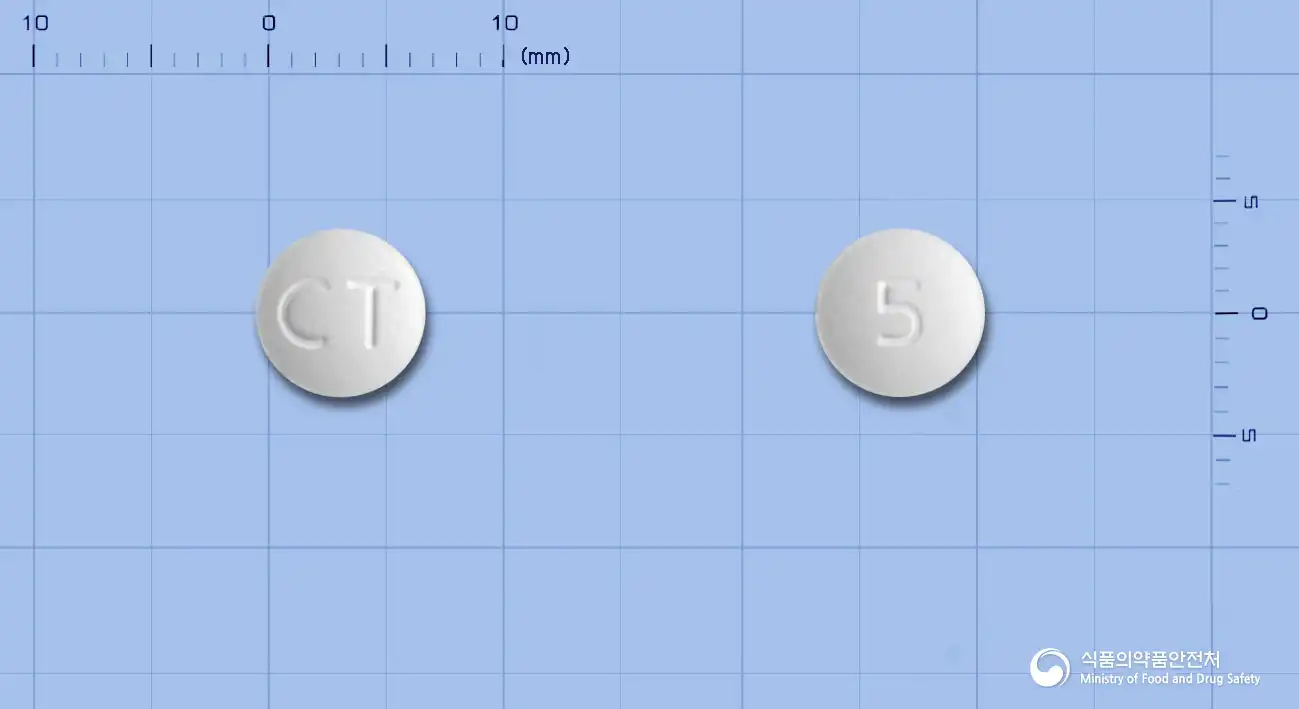
White round oral disintegrating tablet
Package unit
28 tablets/box [14 tablets/PTP×2]
Questions about this medicine
No questions yet.
For anything that needs medical judgment, consult a doctor or pharmacist.