
 한국어
한국어 English
 日本語
日本語 中文(简体)
Dosage form image
Viewing nowClodifen Plaster (Diclofenac Sodium)
Diclofenac Sodium 15mg
Patch · OTC medication
Aprogen Biologics, Co., Ltd.
MFDS item code 201500449 · Notified 2015.01.28
This product's status changed to Expired on 2025.01.28. It may no longer be sold, so consult a doctor or pharmacist before taking it.
Analgesic and anti-inflammatory effects for degenerative arthritis and muscle pain
This medication is effective for degenerative arthritis, shoulder periarthritis, tendonitis and tenosynovitis, lateral epicondylitis (tennis elbow), muscle pain, and swelling and pain that occur after trauma. It alleviates pain and reduces inflammation, allowing patients to have a more comfortable daily life. It improves uncomfortable symptoms associated with these conditions and aids in a speedy recovery. It is primarily used for individuals suffering from inflammation and pain.
Apply one sheet once a day to the affected area.
This medicine should not be used by individuals who have had allergic reactions to this medication or its components. It may be dangerous for individuals with a history of asthma exacerbation caused by aspirin or other non-steroidal anti-inflammatory drugs. Its safety has not been confirmed for children under 15 years of age, so it is advisable not to use it. It should not be used during the last three months of pregnancy as it can have severe effects on the fetus and mother. It is important not to use other diclofenac preparations or non-steroidal anti-inflammatory drugs during the use of this medication. Patients with bronchial asthma, inflammation accompanied by infection, or chronic diseases should consult a doctor or pharmacist before use. There is not enough study on the safety of this drug during the early and mid-pregnancy, so it should only be used in essential cases with the minimum dosage and duration. Breastfeeding women are advised not to use this drug as it may be excreted in breast milk. Elderly patients should use this medication with caution as they are at higher risk of adverse reactions relating to cardiovascular, gastrointestinal, and renal issues. If any severe skin adverse reactions such as intense rash, redness, blistering, or itching occur during use, discontinue immediately and consult a doctor. Also, allergic reactions or symptoms such as difficulty breathing can occur rarely, so inform medical personnel immediately if such symptoms develop. This drug is a treatment for alleviating symptoms and does not treat the underlying causes, so efficacy and side effects should be reassessed with long-term use. It should not be applied to the eyes or mucosal areas, and use on damaged skin or areas with eczema should be avoided. The use of occlusive dressings is not recommended, and care should be taken as skin irritation or tingling may occur. When used with specific antibiotics, there is a risk of seizures, requiring immediate treatment if abnormal symptoms appear. In case of overdose, serious side effects such as hypotension, kidney damage, seizures, gastrointestinal discomfort, and respiratory depression may occur, so caution is needed. When this drug is used in conjunction with diuretics, deterioration of renal function may occur, necessitating careful monitoring of renal status. There is a risk of significant gastrointestinal adverse reactions such as gastrointestinal bleeding, ulcers, and perforation, so when used with blood-thinning medications such as warfarin, careful monitoring through blood tests is required. This drug should be stored out of reach of children, protected from direct sunlight, and kept in a cool, dry place. Do not transfer the medication from its original container to another container; it must be kept sealed in its original container.
Not everyone experiences these, and they can vary from person to person.
This medication should be stored in special containers to prevent exposure to light and air, and the storage temperature should be maintained below 25 degrees Celsius. This way, the efficacy of the medication can be preserved for longer.
A plaster containing a colorless to transparent or pale yellow viscous substance applied to a substrate covered with a solid coating.
10, 40 sheets/package
Even with the same ingredient, strength, dosage form and how it is taken can differ.
Diclofenac Sodium 15mg
Patch · OTC medication
Aprogen Biologics, Co., Ltd.
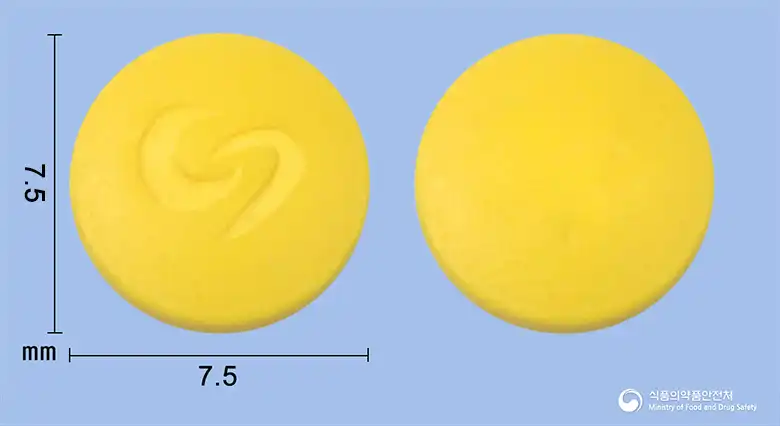
Diclofenac Sodium 25mg
Tablet · Prescription medication
Dongkwang Pharmaceutical Co., Ltd.
Diclofenac Sodium 75mg
Prescription medication
Ajou Pharmaceuticals Co., Ltd.
Diclofenac Sodium 37.5mg
Prescription medication
Hwanin Pharmaceutical Co., Ltd.
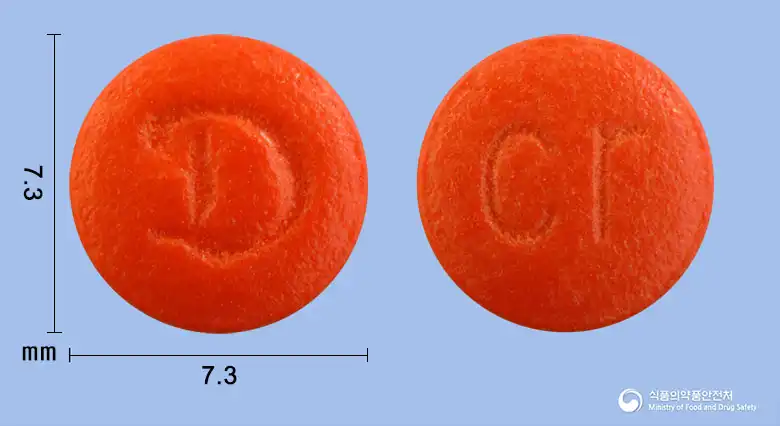
Diclofenac Sodium 25mg
Tablet · Prescription medication
GL Pharma Co., Ltd.
Diclofenac Sodium 75mg
Solution · Prescription medication
YuYoung Pharmaceutical Co., Ltd.
Diclofenac Sodium 37.5mg
Prescription medication
Daehwa Pharmaceutical Co., Ltd.
Diclofenac Sodium 37.5mg
Prescription medication
Dongkwang Pharmaceutical Co., Ltd.
Even with the same ingredient, the dose and directions can differ by strength and dosage form. Talk to a doctor or pharmacist before switching from a medication you are already taking.
No questions yet.
For anything that needs medical judgment, consult a doctor or pharmacist.
This drug information is based on data provided by the Korea Ministry of Food and Drug Safety.
Consult a doctor or pharmacist for accurate dosage, administration, and usage instructions.