
 한국어
한국어 English
 日本語
日本語 中文(简体)
 Viewing nowCombination
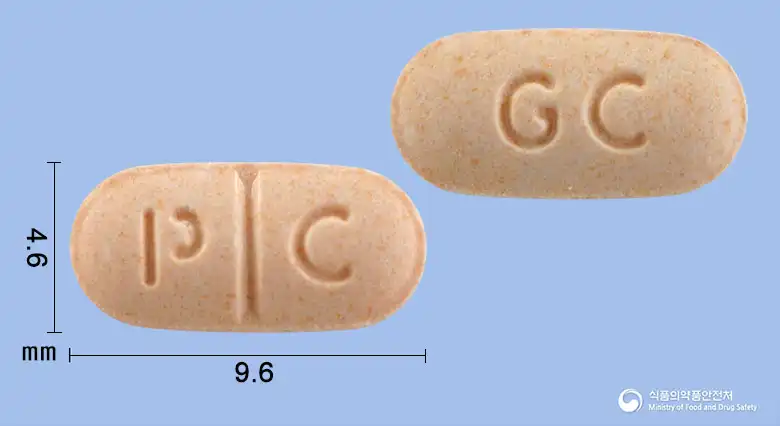
Neocand Plus Tablet
Candesartan Cilexetil 16mg · Hydrochlorothiazide 12.5mg
Tablet · Prescription medication · Combination
Green Cross Corp.
MFDS item code 201500210 · Approved 2015.01.15 · Insurance code 643605650
Improvement of essential hypertension
Essential hypertension is often difficult to control within the normal range, and a single ingredient may not be sufficiently effective. In such cases, medications that combine multiple ingredients are used to manage blood pressure more reliably. This helps reduce the risk of cardiovascular diseases and maintain health. Therefore, this medication is used for essential hypertension where individual ingredient treatments are not adequate.
The recommended dosage of this medication is 1 tablet once daily, taken regardless of meals. Adult patients may switch to this medication after dosage adjustment of Candesartan Cilexetil. Patients with reduced effective blood volume, kidney impairment, or liver impairment require initial dosage adjustments, and it should not be administered to patients with severe renal impairment or liver impairment.
This medication can cause serious harm to the fetus and newborn, especially during the second and third trimester of pregnancy, so it should be discontinued immediately if pregnancy is confirmed. Individuals who are allergic to this medication or sulfonamide derivatives should not take it. It should not be administered to patients with severely impaired kidney function or serious liver function impairment, as well as specific diseases. Patients with very low blood pressure or those with issues related to fluid and electrolyte balance should use this medication cautiously, and caution is also needed in patients with liver or heart problems. Side effects such as headaches, dizziness, fatigue, and indigestion may occur during treatment, and in rare cases, severe allergic reactions or renal function impairment may arise. Regular blood tests and kidney function tests should be undertaken while taking the medication, and electrolyte levels should be closely monitored. It can interact with other antihypertensives, diuretics, specific antibiotics, analgesics, etc., so patients must inform their physician or pharmacist about any medications they are currently taking. Women who are pregnant or breastfeeding should not use this medication, and it is recommended to discontinue breastfeeding while using it. Elderly patients should be cautious as this medication may pose a risk of excessively low blood pressure. In the case of overdose, symptoms like dizziness, hypotension, and electrolyte imbalances may occur, so immediate consultation with medical professionals is necessary. This medication is not recommended for use in children and adolescents as its safety and efficacy have not been established. When storing, keep it out of the reach of children, and store it in its original container to maintain quality. Be cautious of dizziness or fatigue when driving or operating machinery due to this medication's effects.
Urticaria, severe swelling (edema), angioedema, chest tightness, difficulty breathing, cold sweat, pallor, severe allergic reactions, severe rash with high fever, blisters, skin peeling, pain of oral/ocular mucosa, severe skin reactions, difficulty breathing, asthma attacks, respiratory issues accompanied by cough and fever, shortness of breath or difficulty breathing, jaundice (yellowing of the skin or eyes), profound lethargy, liver abnormalities (jaundice).
Not everyone experiences these, and they can vary from person to person.
This medication may be sensitive to air or moisture, so it should be stored in a sealed container. Additionally, it is important to store it in a cool place below 30 degrees Celsius to maintain the effectiveness of the drug.
Bilaterally convex light orange oval tablets
30 tablets/bottle, 100 tablets/bottle
Even with the same ingredient, strength, dosage form and how it is taken can differ.
Viewing nowCombinationCandesartan Cilexetil 16mg · Hydrochlorothiazide 12.5mg
Tablet · Prescription medication · Combination
Green Cross Corp.
 Combination
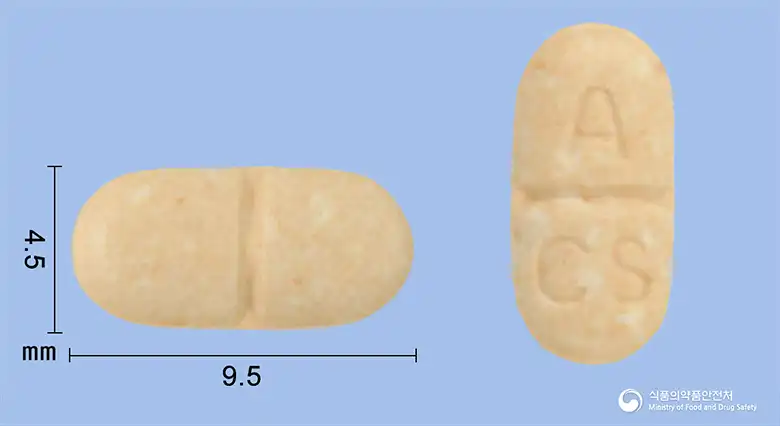
Candesartan Cilexetil 16mg · Hydrochlorothiazide 12.5mg
Tablet · Prescription medication · Combination
DKSH Korea Co., Ltd.
 Combination
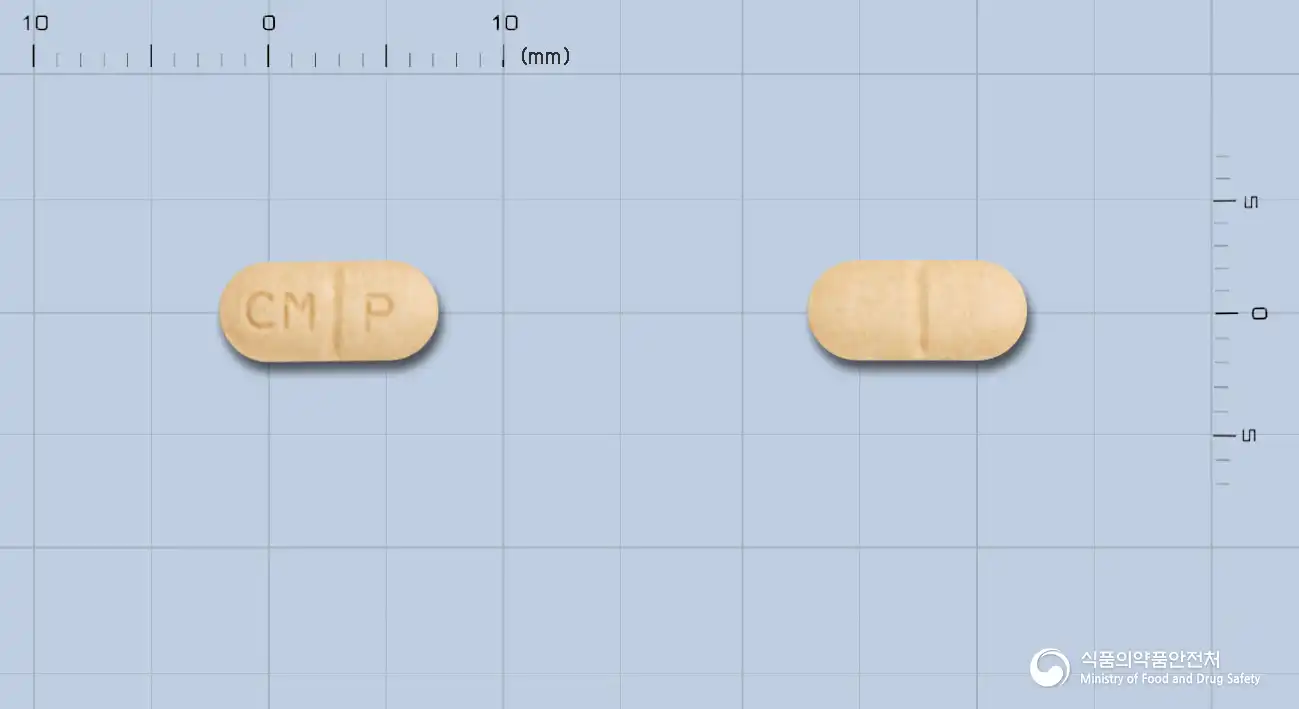
Candesartan Cilexetil 16mg · Hydrochlorothiazide 12.5mg
Tablet · Prescription medication · Combination
Jongkun Dang Co., Ltd.
 Combination
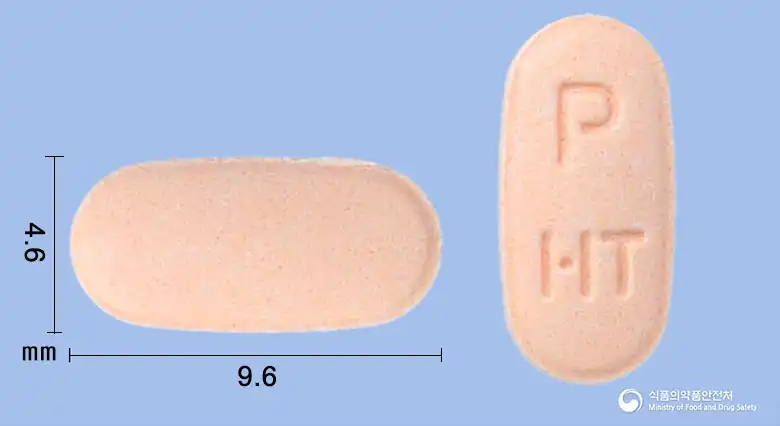
Candesartan Cilexetil 16mg · Hydrochlorothiazide 12.5mg
Tablet · Prescription medication · Combination
Hankook Hutex Pharmaceutical Co., Ltd.
Candesartan Cilexetil 16mg · Hydrochlorothiazide 12.5mg
Tablet · Prescription medication · Combination
Hanwha Pharmaceutical Co., Ltd.
 Combination
Candesartan Cilexetil 16mg · Hydrochlorothiazide 12.5mg
Tablet · Prescription medication · Combination
MyungMoon Pharmaceutical Co., Ltd.
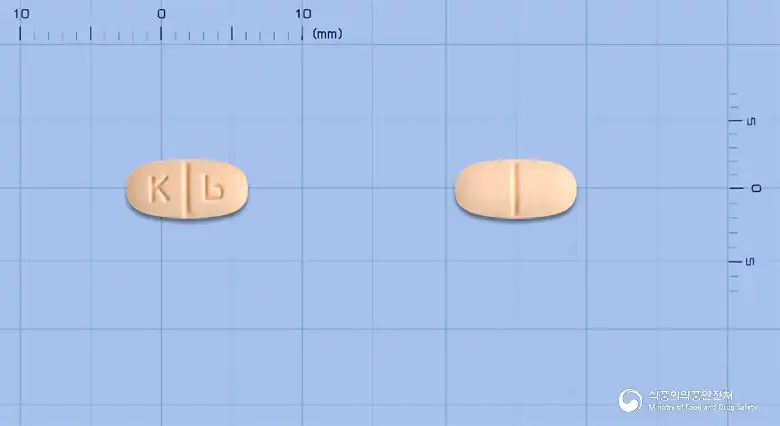 Combination
Candesartan Cilexetil 16mg · Hydrochlorothiazide 12.5mg
Tablet · Prescription medication · Combination
Kyungbo Pharmaceutical Co., Ltd.
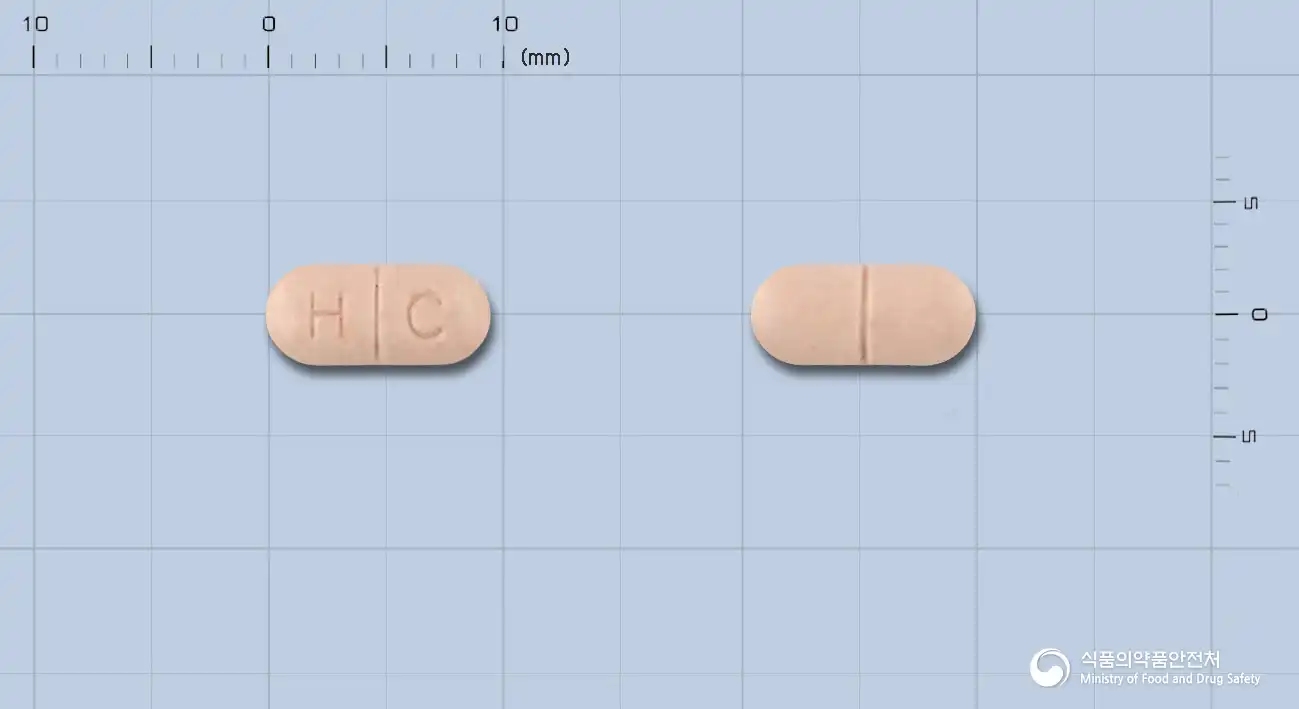 Combination
Candesartan Cilexetil 16mg · Hydrochlorothiazide 12.5mg
Tablet · Prescription medication · Combination
Boryung (Co., Ltd.)
Even with the same ingredient, the dose and directions can differ by strength and dosage form. Talk to a doctor or pharmacist before switching from a medication you are already taking.
No questions yet.
For anything that needs medical judgment, consult a doctor or pharmacist.
This drug information is based on data provided by the Korea Ministry of Food and Drug Safety.
Consult a doctor or pharmacist for accurate dosage, administration, and usage instructions.