
 한국어
 English
 日本語
 中文(简体)
 Viewing nowCombination
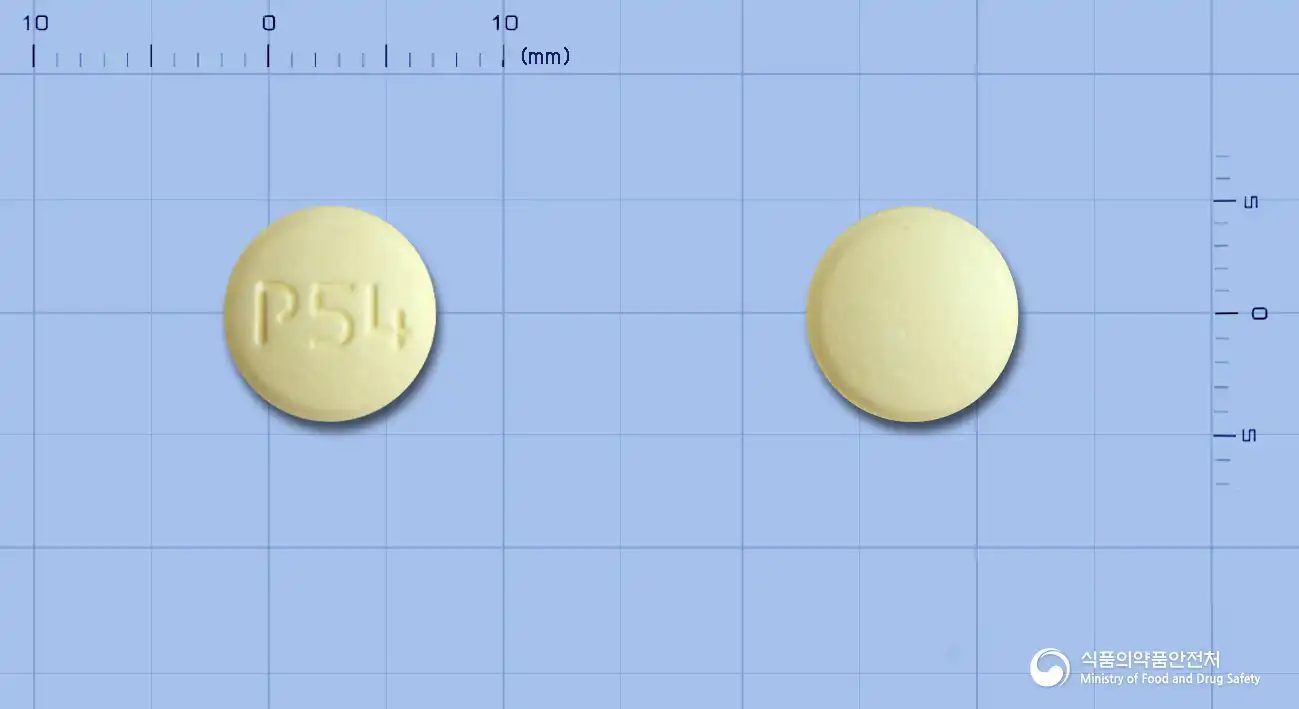
Rivika Tablet 5/40 mg
Olmesartan Medoxomil 40mg · Amlodipine Besylate 6.944mg
Tablet · Prescription medication · Combination
Korea Prime Pharma Co., Ltd.
MFDS item code 201406171 · Approved 2014.12.31 · Insurance code 663606560
Treatment of essential hypertension not controlled with monotherapy
This medication is used to effectively control blood pressure in patients with essential hypertension where blood pressure control is difficult with either Amlodipine or Olmesartan Medoxomil monotherapy.
Administer 1 tablet of this drug once daily with water, regardless of meals. It is recommended, if possible, to take it at the same time each day (e.g., in the morning). Before administering this drug, it is recommended that the dose of the individual component (amlodipine or olmesartan medoxomil) be adjusted. However, if blood pressure is not controlled with monotherapy using an individual component, switching directly to this drug may be considered. The maximum dose of this drug is 10/40 milligrams. Since the maximum blood pressure-lowering effect occurs within 2 weeks of administration, adjust the dose at intervals of 2 weeks or longer, taking the patient's blood pressure response into consideration. The recommended doses are as follows: - 5/20 milligrams: Administer to patients whose blood pressure is not adequately controlled with amlodipine 5 milligrams or olmesartan medoxomil 20 milligrams as monotherapy. - 10/20 milligrams: Administer to patients whose blood pressure is not adequately controlled with olmesartan medoxomil 20 milligrams as monotherapy. - 5/40 milligrams: Administer to patients whose blood pressure is not adequately controlled with 5/20 milligrams. - 10/40 milligrams: Administer to patients whose blood pressure is not adequately controlled with 5/40 milligrams. ○ Patients with renal impairment: This drug has not been studied in patients with renal impairment. However, the maximum dose of olmesartan medoxomil in patients with mild to moderate renal impairment (creatine clearance 20-60mL/min) is 20 milligrams once daily, and use of this drug is not recommended in patients with moderate to severe renal impairment (e.g., creatinine clearance < 20 mL/min) or patients receiving dialysis. Monitoring of potassium and creatinine levels is recommended in patients with moderate renal impairment. ○ Patients with reduced effective intravascular volume: In patients who may have reduced effective intravascular volume (e.g., patients taking diuretics, particularly those with renal impairment), it is recommended to start treatment at a low dose while monitoring their condition closely. ○ Patients with hepatic impairment: Use with caution in patients with mild to moderate hepatic impairment. The recommended initial dose of olmesartan medoxomil in patients with moderate hepatic impairment is 10 milligrams once daily, and the maximum dose is 20 milligrams once daily. In patients with hepatic impairment who are already receiving other antihypertensive drugs and/or diuretics, blood pressure and renal function should be monitored closely. This drug should not be administered to patients with severe hepatic impairment. (See section 2, Patients who should not receive this drug, under Precautions for Use.) ○ Elderly patients: In general, start treatment at a low dose. When adjusting the dose, consider the patient's renal or cardiac function and comorbidities. Blood pressure should be monitored closely and more frequently in elderly patients.
○ Children: The safety and efficacy of this drug in pediatric patients under 18 years of age have not been established.
This medication may cause serious harm to the fetus and newborn if taken during the second and third trimesters of pregnancy, so it should be stopped immediately upon confirmation of pregnancy. Patients allergic to this medication or similar components, pregnant or breastfeeding individuals, those with severe liver impairment, aortic stenosis, bile duct obstruction, renal dialysis, in shock, or certain diabetic patients should not take this medication. Patients with low blood pressure due to inadequate fluids or salts, those with severe vascular dilation, severe obstructive coronary artery disease, congestive heart failure, or reduced renal function should use this medication cautiously and be closely monitored. Side effects such as dizziness, headache, low blood pressure, orthostatic hypotension, drowsiness, nausea, vomiting, diarrhea, skin rash, and edema may occur when taking this medication. Consult a doctor if any abnormal symptoms arise. As this medication lowers blood pressure, patients taking it with other antihypertensive drugs should frequently check their blood pressure, kidney function, and electrolyte levels. This medication should not be taken during pregnancy, and if there is a plan to become pregnant or if pregnancy occurs, it is essential to consult with a healthcare provider. Breastfeeding individuals may transmit this medication through breast milk and could cause adverse reactions in the baby, so it is advisable to stop breastfeeding or discontinue the medication. Children under 18 years of age are advised not to take this medication as its safety and efficacy have not been established in this age group. Elderly individuals may experience compromised kidney and liver functions, so dosage adjustments and attention to side effects are necessary. In case of overdose, blood pressure may drop too low and heart rate may increase, necessitating immediate proper treatment at a medical facility. This medication should be stored away from direct sunlight and moisture, in a place inaccessible to children, and transferring it to different containers should be avoided.
Not everyone experiences these, and they can vary from person to person.
This medication may be sensitive to air and moisture, so it should be stored in a tightly sealed container. It is best to maintain a storage temperature between 1 to 30 degrees Celsius.
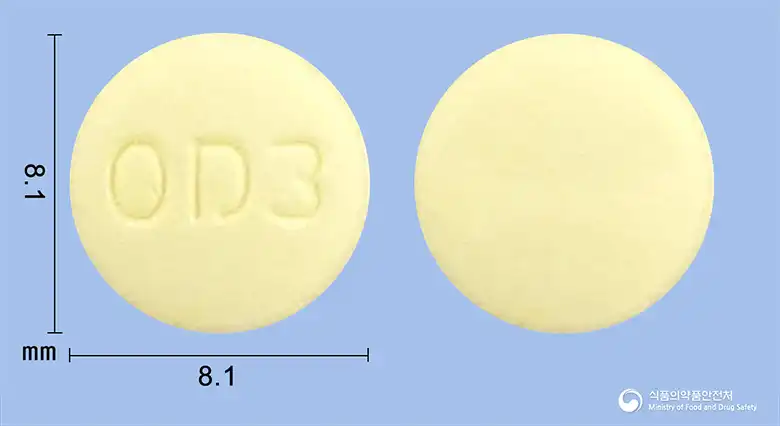
Pale yellow round film-coated tablet
30 tablets/box [10 tablets/PTP x 3]
Even with the same ingredient, strength, dosage form and how it is taken can differ.
Viewing nowCombinationOlmesartan Medoxomil 40mg · Amlodipine Besylate 6.944mg
Tablet · Prescription medication · Combination
Korea Prime Pharma Co., Ltd.
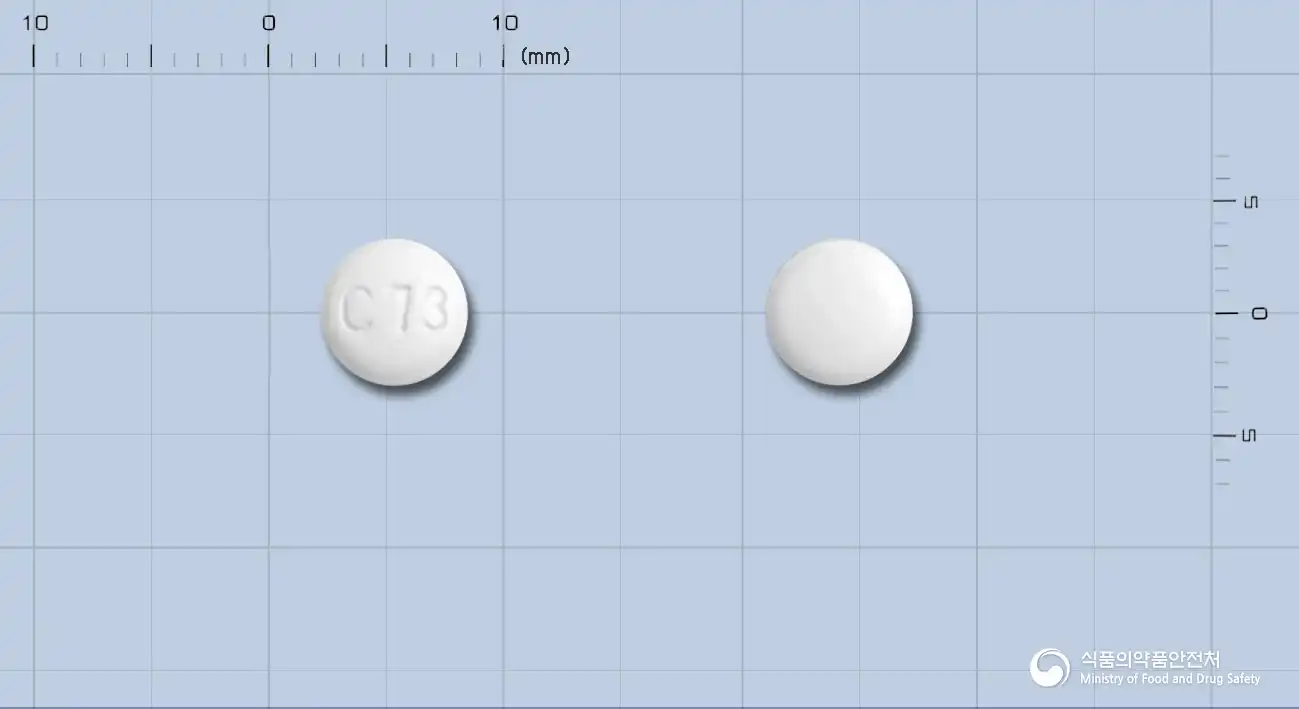 Combination
Olmesartan Medoxomil 20mg · Amlodipine Besylate 6.944mg
Tablet · Prescription medication · Combination
Korea Daiichi Sankyo Co., Ltd.
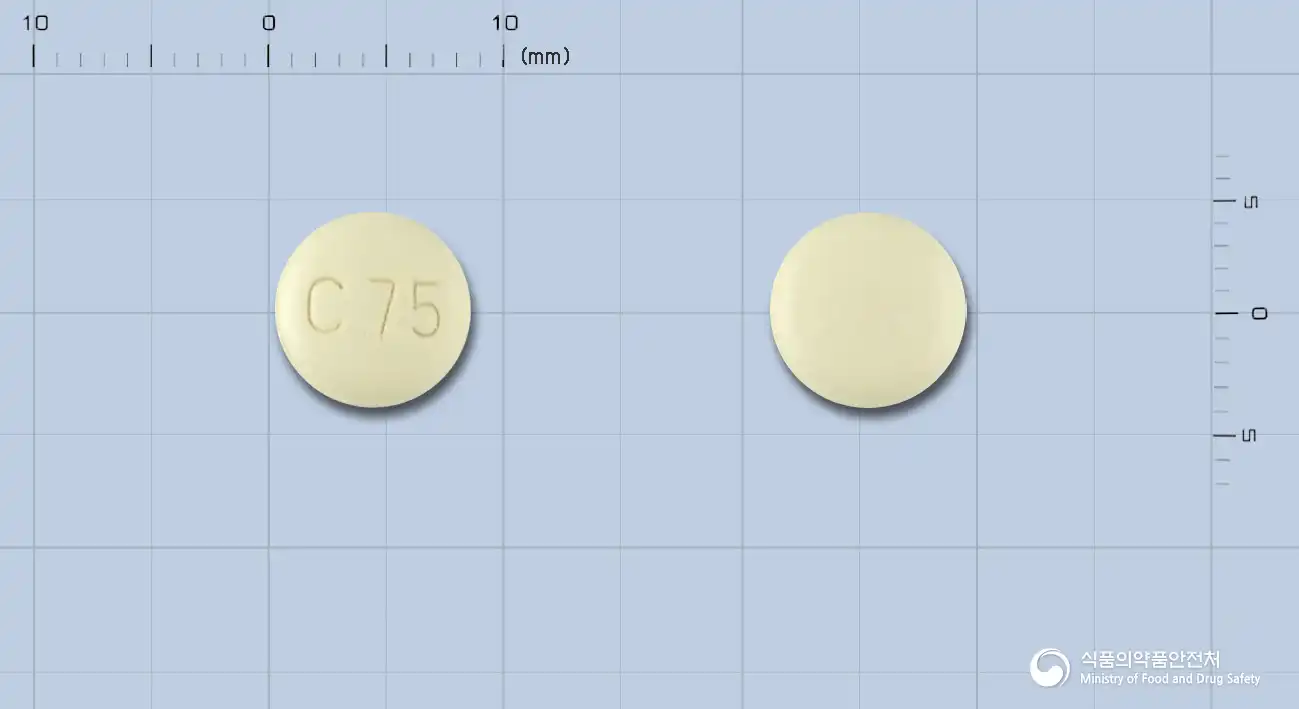 Combination
Olmesartan Medoxomil 40mg · Amlodipine Besylate 6.944mg
Tablet · Prescription medication · Combination
Korea Daiichi Sankyo Co., Ltd.
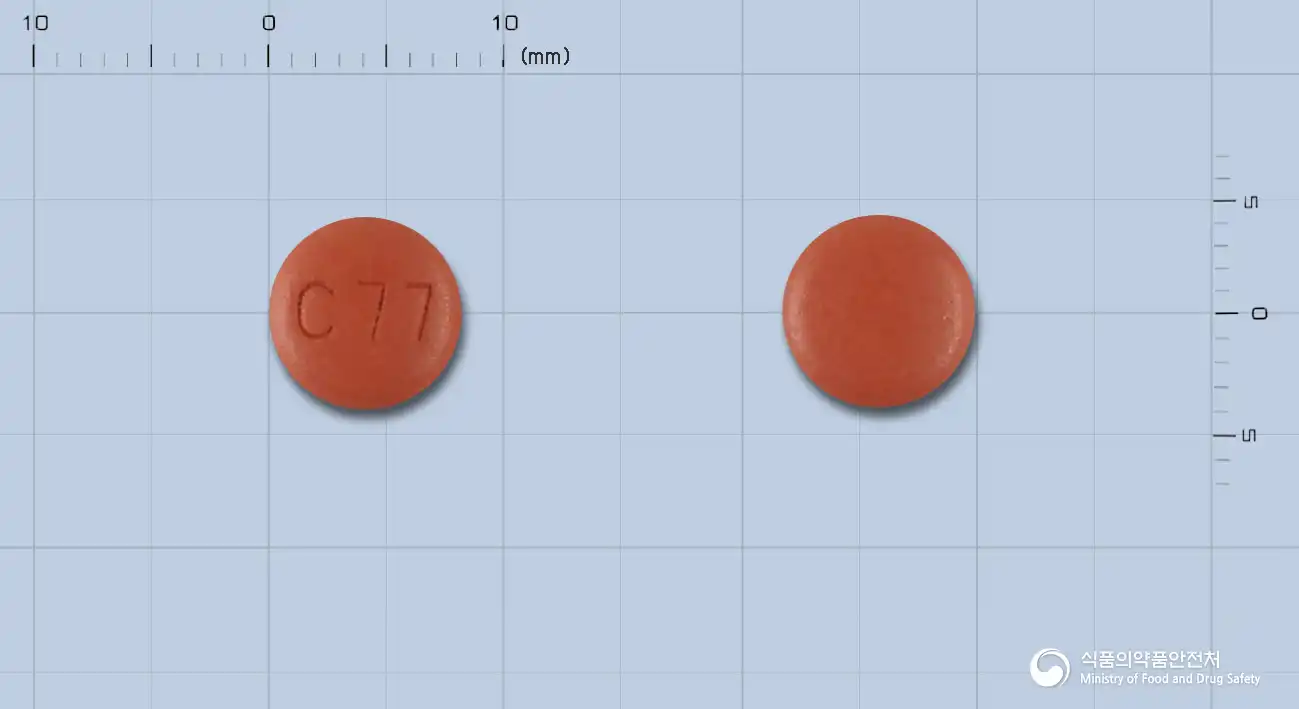 Combination
Olmesartan Medoxomil 40mg · Amlodipine Besylate 13.888mg
Tablet · Prescription medication · Combination
Hanmi Daiichi Sankyo Co., Ltd.
Olmesartan Medoxomil · Amlodipine Besylate
Prescription medication · Combination
SYNEX Co., Ltd.
Olmesartan Medoxomil · Amlodipine Besylate
Prescription medication · Combination
Co., Ltd. Sainex
Olmesartan Medoxomil · Amlodipine Besylate
Prescription medication · Combination
SYNEX Co., Ltd.
 Combination
Amlodipine Besylate 6.944mg · Olmesartan Medoxomil 40mg
Tablet · Prescription medication · Combination
Huons Co., Ltd.
Even with the same ingredient, the dose and directions can differ by strength and dosage form. Talk to a doctor or pharmacist before switching from a medication you are already taking.
No questions yet.
For anything that needs medical judgment, consult a doctor or pharmacist.
This drug information is based on data provided by the Korea Ministry of Food and Drug Safety.
Consult a doctor or pharmacist for accurate dosage, administration, and usage instructions.