
 한국어
 English
 日本語
 中文(简体)
Dosage form image
Viewing nowBialdexifen Syrup (Dexibuprofen)
Dexibuprofen 1.2g
Syrup · OTC medication
Boryung Biopharma Co., Ltd.
MFDS item code 201406120 · Notified 2014.12.29 · Insurance code 670500601
Relief of fever caused by acute upper respiratory tract infection
This medication is used effectively to reduce fever resulting from acute upper respiratory tract infections.
For children aged 12 and older or adults, take 18 to 25mL (215 to 300mg) based on body weight, not exceeding a maximum of 72 to 100mL (860 to 1200mg) in one day.
Children aged 6 months and older: Take 0.4~0.6mL/kg per dose (equivalent to 5~7mg/kg of dexibuprofen) at intervals of 4~6 hours as needed, not exceeding a maximum of 4 doses per day (28mg/kg). 12 years, 43 kg or more: 18~25 mL (215~300 mg), maximum of 72~100 mL (860~1200 mg) per day 11 years, 38.0-42.9 kg: 16~25 mL (190~300 mg), maximum of 64~100 mL (760~1200 mg) per day 9-10 years, 30.0-37.9 kg: 12.5~22 mL (150~265 mg), maximum of 50~88mL (600~1060 mg) per day 6-8 years, 21.0-29.9 kg: 9~17 mL (105~210 mg), maximum of 36~68mL (420~840 mg) per day 4-5 years, 16.0-20.9 kg: 7~12 mL (80~145 mg), maximum of 28~48 mL (320~580 mg) per day 2-3 years, 12.0-15.9 kg: 5~9 mL (60~110 mg), maximum of 20~36 mL (240~440 mg) per day 12-23 months, 10.0-11.9 kg: 4~7 mL (50~80 mg), maximum of 16~28 mL (200~320 mg) per day 6-11 months, 7.9-9.9 kg: 3~6 mL (40~70 mg), maximum of 12~24 mL (160~280 mg) per day In a clinical trial (n=252) involving children with fever due to acute upper respiratory tract infection (axillary temperature of 38℃ or higher), the 7mg/kg dose group tended to show a greater reduction in body temperature than the 5mg/kg dose group, but the difference was not statistically significant.
This medication has a maximum daily dosage limit, so it is important to avoid exceeding the prescribed dose. This medication contains an artificial sweetener called aspartame, which is broken down into phenylalanine in the body, so individuals with the genetic disorder phenylketonuria should not take this medication. Regularly consuming large amounts of alcohol requires consultation with a physician or pharmacist before taking this medication. Otherwise, serious side effects such as gastrointestinal bleeding may occur. Individuals with heart or vascular diseases or risk factors must use this medication more cautiously due to an increased risk of cardiovascular problems. This medication can put stress on the stomach, so individuals with a history of gastric ulcers or gastrointestinal bleeding must take special precautions before using it and observe for gastrointestinal symptoms during use. Patients with severe liver, kidney, or heart dysfunction or known hypersensitivity to this medication should not take it. Children, elderly patients, and those with chronic illnesses have a higher risk of side effects when using this medication, so dosage should be adjusted and conditions should be closely monitored. Taking this medication in combination with other nonsteroidal anti-inflammatory drugs or aspirin may increase the risk of side effects, so caution is required when used together. It is advisable not to take this medication during pregnancy, especially in the late stages, and if breastfeeding, one should consult with a professional as the medication could pass into breast milk and affect the baby. Patients on this medication long-term should undergo regular blood tests and liver and kidney function tests, and if any abnormal symptoms occur, they should stop the medication immediately and consult with a doctor. If abnormal symptoms such as rash, difficulty breathing, swelling, severe headache, or abdominal pain occur during the use of this medication, stop using it immediately and inform medical personnel. This medication should be stored out of reach of children, and transferring it to other containers is discouraged as it can be detrimental to maintaining quality.
shock
Not everyone experiences these, and they can vary from person to person.
Do not use this medication in conjunction with other nonsteroidal anti-inflammatory drugs, aspirin, or high doses of methotrexate. Consult with a physician or pharmacist when using it together with glucocorticoids, digoxin, phenytoin, probenecid, sulfinpyrazone, sulfonylureas, diuretics, antihypertensives, ACE inhibitors, furosemide, lithium, low-dose methotrexate, and coumarin anticoagulants (such as warfarin).
Caution is advised when using this medication with alcohol.
This medication should be stored in a container that is protected from light and air, and it is safe to keep it at room temperature between 15 to 25 degrees Celsius. Storing it this way helps maintain the medication's effectiveness and prevents deterioration.
A syrup formulation containing a strawberry flavor in a white opaque container, ranging from white to light yellow.
500mL/bottle
Even with the same ingredient, strength, dosage form and how it is taken can differ.
Dexibuprofen 1.2g
Syrup · OTC medication
Boryung Biopharma Co., Ltd.
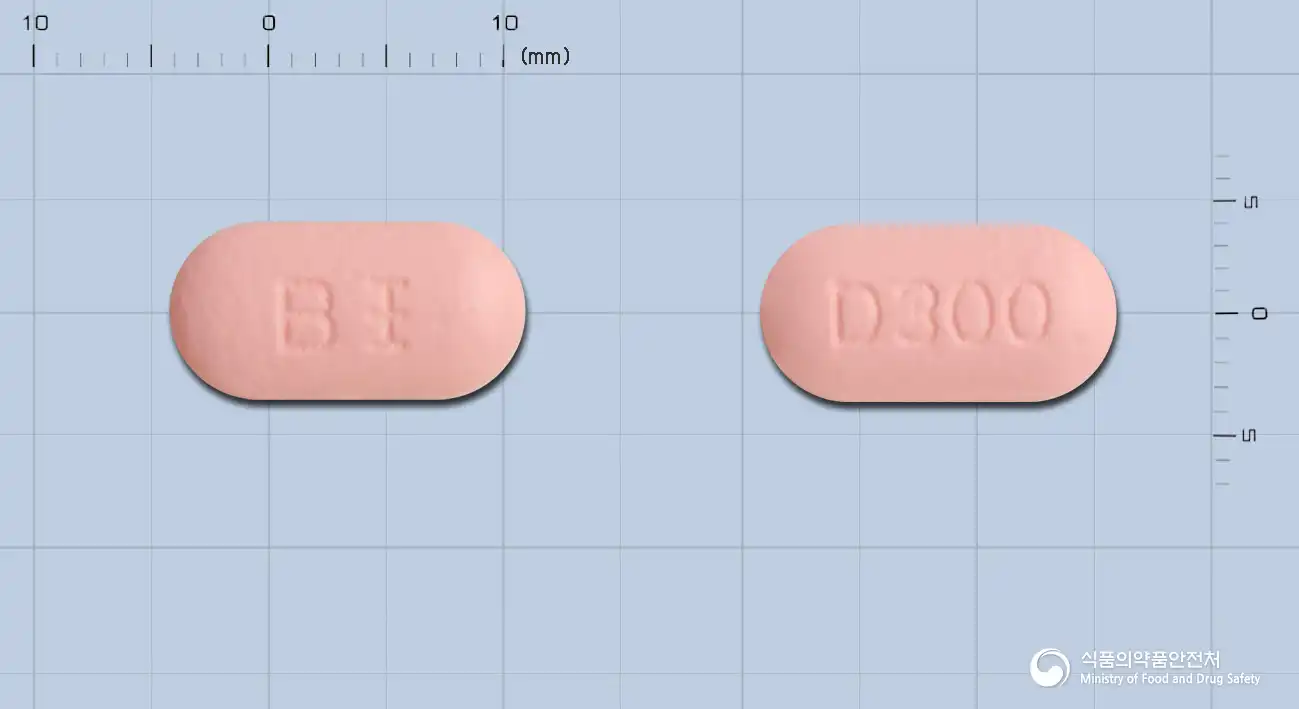
Dexibuprofen 300mg
Tablet · OTC medication
Bionex Co., Ltd.

Dexibuprofen 300mg
Tablet · OTC medication
Anguk Pharmaceutical Co., Ltd.
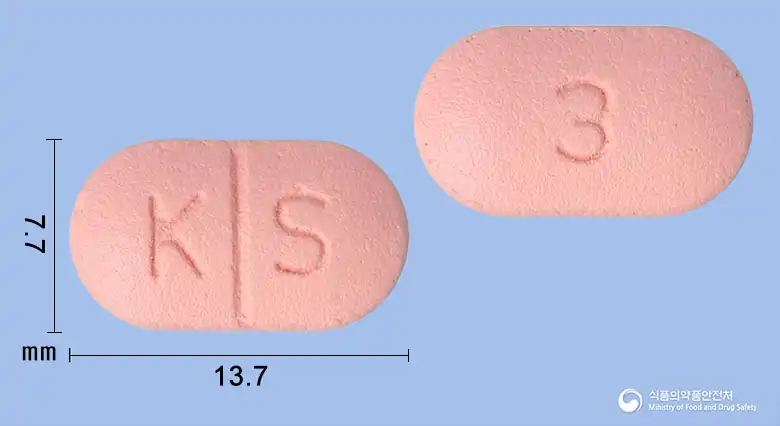
Dexibuprofen 300mg
Tablet · OTC medication
Aprogen Pharmaceuticals, Co., Ltd.
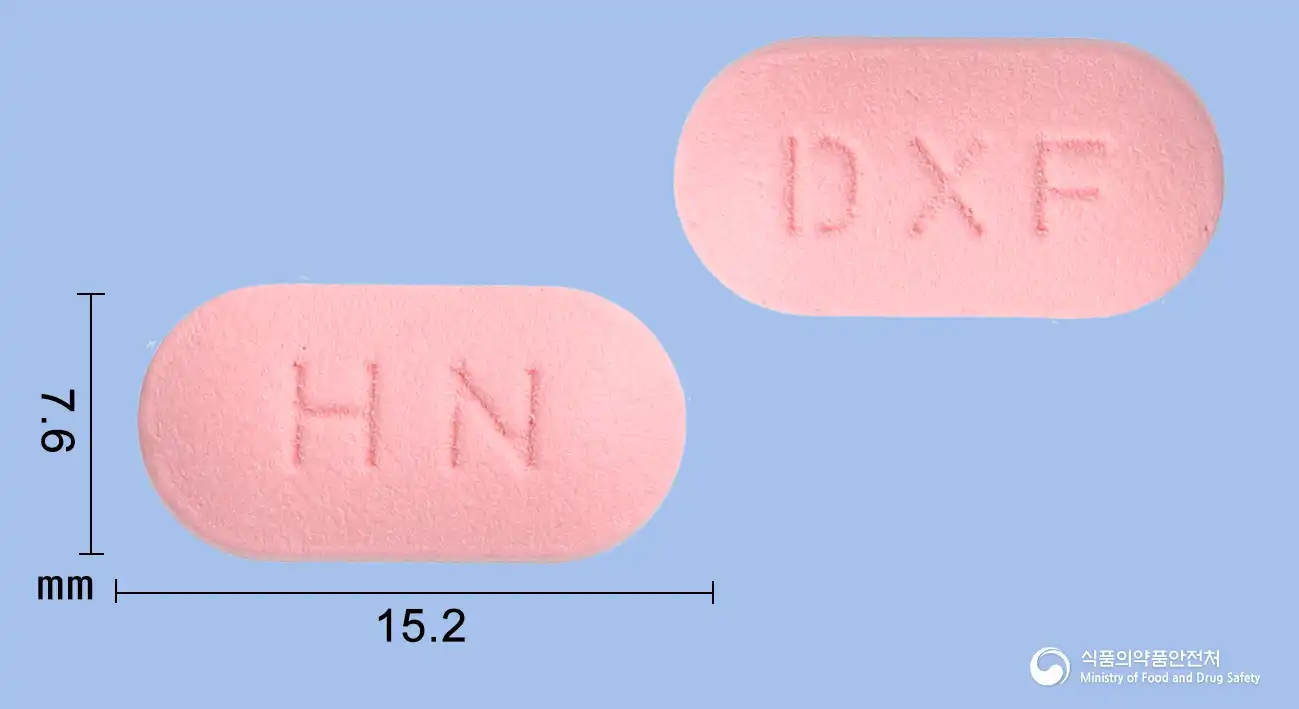
Dexibuprofen 300mg
Tablet · OTC medication
Hana Pharmaceutical Co., Ltd.

Dexibuprofen 150mg
Tablet · OTC medication
Anguk Pharm Co., Ltd.
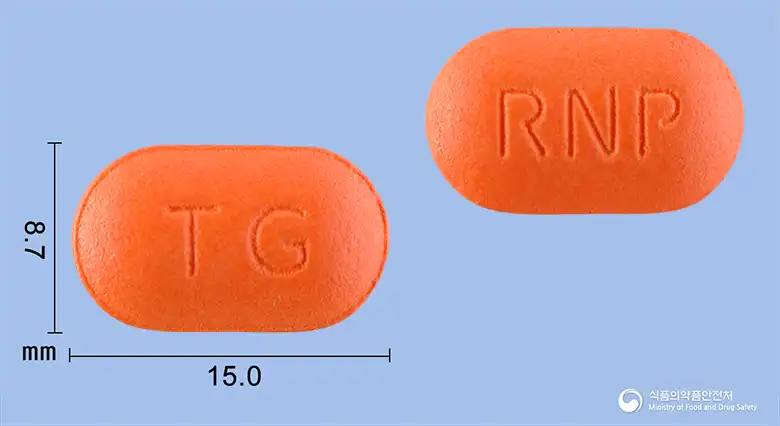
Dexibuprofen 300mg
Tablet · OTC medication
Taeguk Pharmaceutical Co., Ltd.
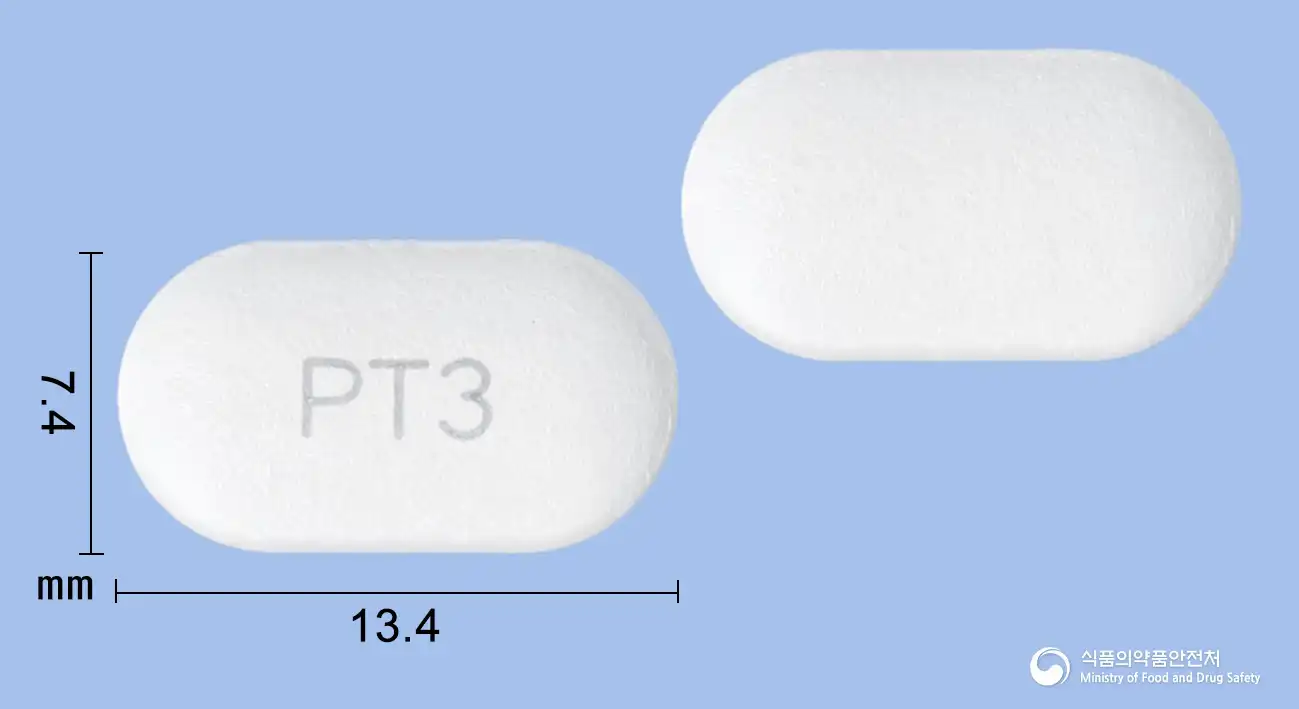
Dexibuprofen 300mg
Tablet · OTC medication
Genupharm Co., Ltd.
Even with the same ingredient, the dose and directions can differ by strength and dosage form. Talk to a doctor or pharmacist before switching from a medication you are already taking.
No questions yet.
For anything that needs medical judgment, consult a doctor or pharmacist.
This drug information is based on data provided by the Korea Ministry of Food and Drug Safety.
Consult a doctor or pharmacist for accurate dosage, administration, and usage instructions.