
 한국어
한국어 English
 日本語
日本語 中文(简体)
Dosage form image
Viewing nowDibuprofen Syrup (Dexibuprofen)
Dexibuprofen 1.2g
Syrup · OTC medication
Aprogen Biologics Co., Ltd.
MFDS item code 201406040 · Notified 2014.12.24
This product's status changed to Expired on 2024.12.24. It may no longer be sold, so consult a doctor or pharmacist before taking it.
Antipyretic effect for fever due to acute upper respiratory infection
This medication helps lower body temperature and alleviate symptoms in cases of fever caused by acute upper respiratory infections. It reduces discomfort caused by fever, aiding in the patient's quick recovery. This drug is safe for use and is effective for fever management.
Dosage for adults is not specifically stated.
For children over 6 months, the dosage is 0.4–0.6 mL/kg (5–7 mg/kg of dexibuprofen) as needed every 4–6 hours, and should not exceed 4 doses per day (28 mg/kg).
This medication may cause gastric bleeding in individuals who regularly consume more than three drinks a day, so it is essential to consult with a physician or pharmacist. It may increase the risk of cardiovascular diseases; patients with a history of heart disease or stroke or risk factors such as hypertension, diabetes, or smoking should take this medication with greater caution. Serious gastrointestinal issues such as bleeding, ulcers, or perforation can occur, so elderly patients or those with a history of gastrointestinal conditions should exercise special care and seek immediate treatment if any adverse symptoms appear. Patients with peptic ulcers, severe blood dyscrasias, liver impairment, kidney disorders, heart failure, hypertension, or allergies to the drug's components, or a history of asthma should avoid taking this medication. Patients with a past history of peptic ulcers, blood dyscrasias, liver or kidney diseases, or heart failure should use this drug cautiously, especially those taking aspirin, as this medication may decrease the effect of aspirin, necessitating caution. Rarely, this medication may cause side effects such as shock, blood dyscrasias, gastric bleeding, skin rashes, liver dysfunction, asthma attacks, vision impairment, or kidney function deterioration. If any unusual symptoms occur, the medication should be discontinued immediately, and a physician consulted. This medication should be taken at the minimum dose for the shortest possible duration, and regular blood tests and liver and kidney function tests should be conducted with long-term use. This medication may interact with other non-steroidal anti-inflammatory drugs, glucocorticoids, alcohol, certain cardiac medications, diuretics, aspirin, lithium, methotrexate, and warfarin; thus, consultation with a healthcare professional is necessary before concurrent use. During pregnancy, especially in late pregnancy, it may be harmful to the fetus, so usage should be avoided, and nursing mothers should stop breastfeeding or discontinue the drug as it may transfer to breast milk and affect the baby. Children and elderly individuals are at higher risk for side effects; thus, dosage adjustments and careful monitoring for adverse reactions are essential. In case of overdose, rapid emergency measures such as gastric lavage or inducing vomiting are necessary. This medication should be stored in a safe place out of reach of children and should not be transferred to another container.
Hives, severe swelling (edema), chest tightness, difficulty breathing, cold sweat, pallor, severe rash with high fever, blisters, peeling skin, pain in the mucous membranes of the mouth/eyes, difficulty breathing or shortness of breath, asthma attacks, respiratory abnormalities accompanied by cough and fever, yellowing of the skin or eyes (jaundice), extreme lethargy, sudden and severe headaches, lightning-like headaches, seizures, confusion, visual disturbances, paralysis, urination issues
Not everyone experiences these, and they can vary from person to person.
This medication is sensitive to light; therefore, it should be stored in a container that does not allow light to pass through. Additionally, it should be stored at room temperature between 15 to 25 degrees Celsius to maintain its effectiveness.
A white to pale yellow syrup with an orange flavor contained in a white plastic bottle
500 mL
Even with the same ingredient, strength, dosage form and how it is taken can differ.
Dexibuprofen 1.2g
Syrup · OTC medication
Aprogen Biologics Co., Ltd.
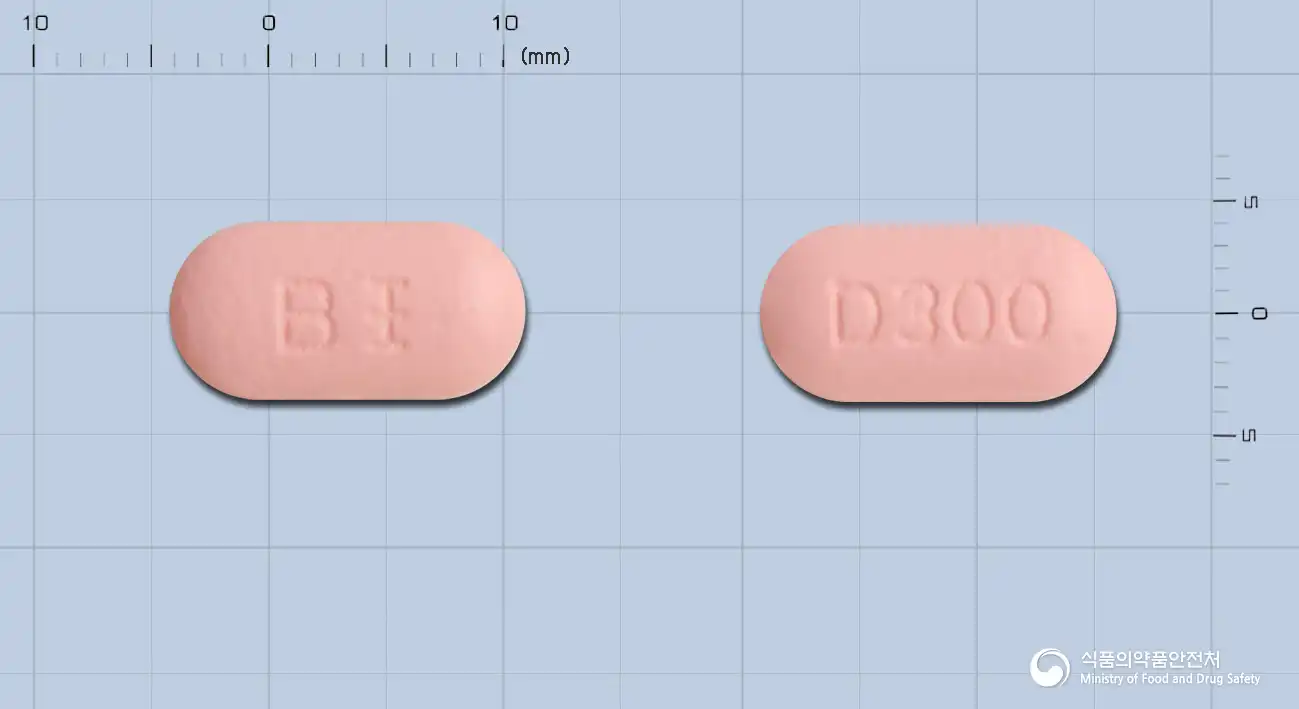
Dexibuprofen 300mg
Tablet · OTC medication
Bionex Co., Ltd.

Dexibuprofen 300mg
Tablet · OTC medication
Anguk Pharmaceutical Co., Ltd.
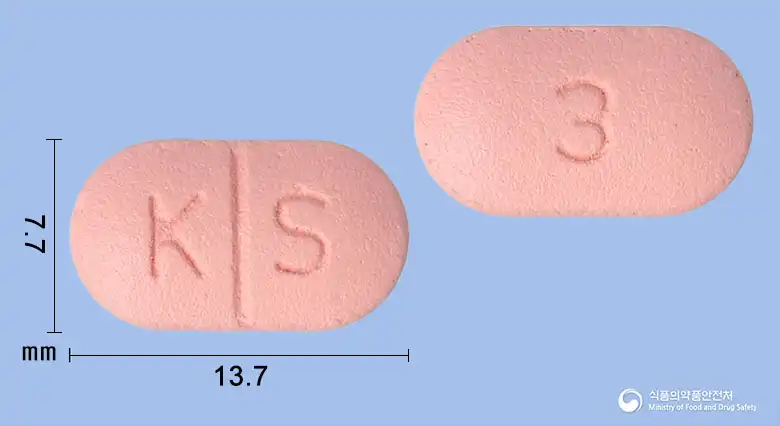
Dexibuprofen 300mg
Tablet · OTC medication
Aprogen Pharmaceuticals, Co., Ltd.
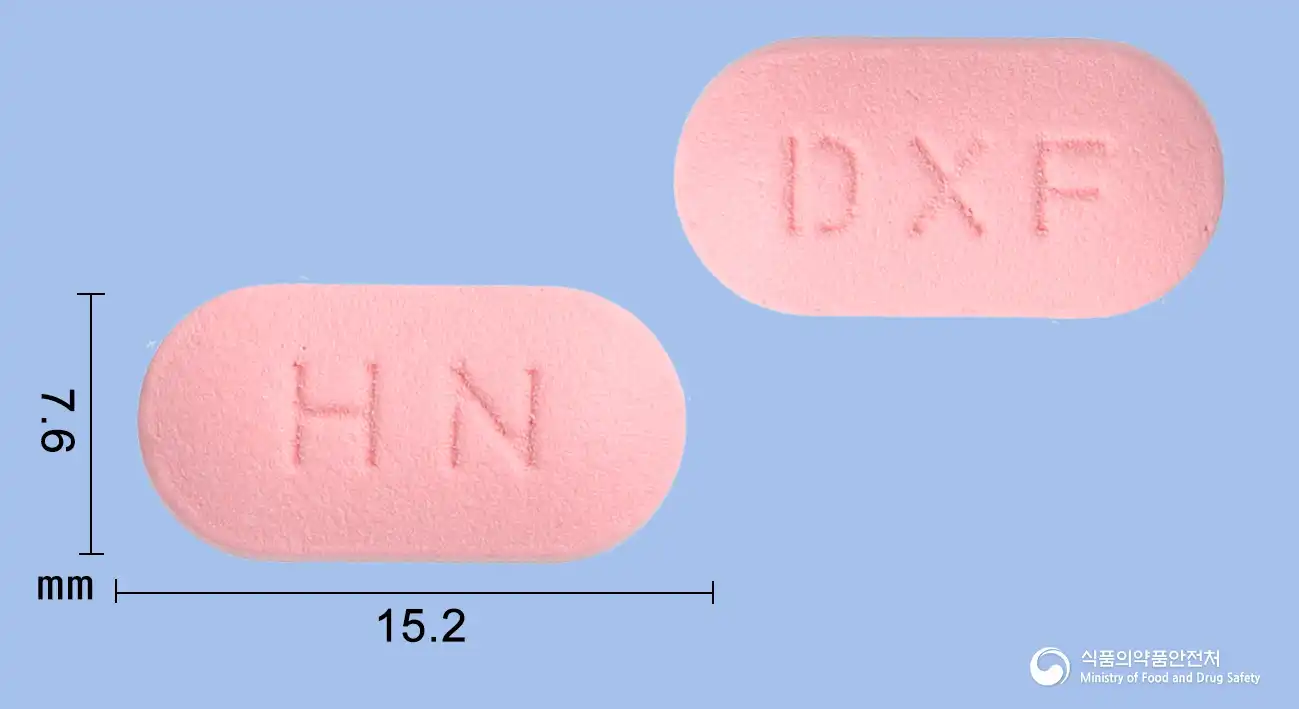
Dexibuprofen 300mg
Tablet · OTC medication
Hana Pharmaceutical Co., Ltd.
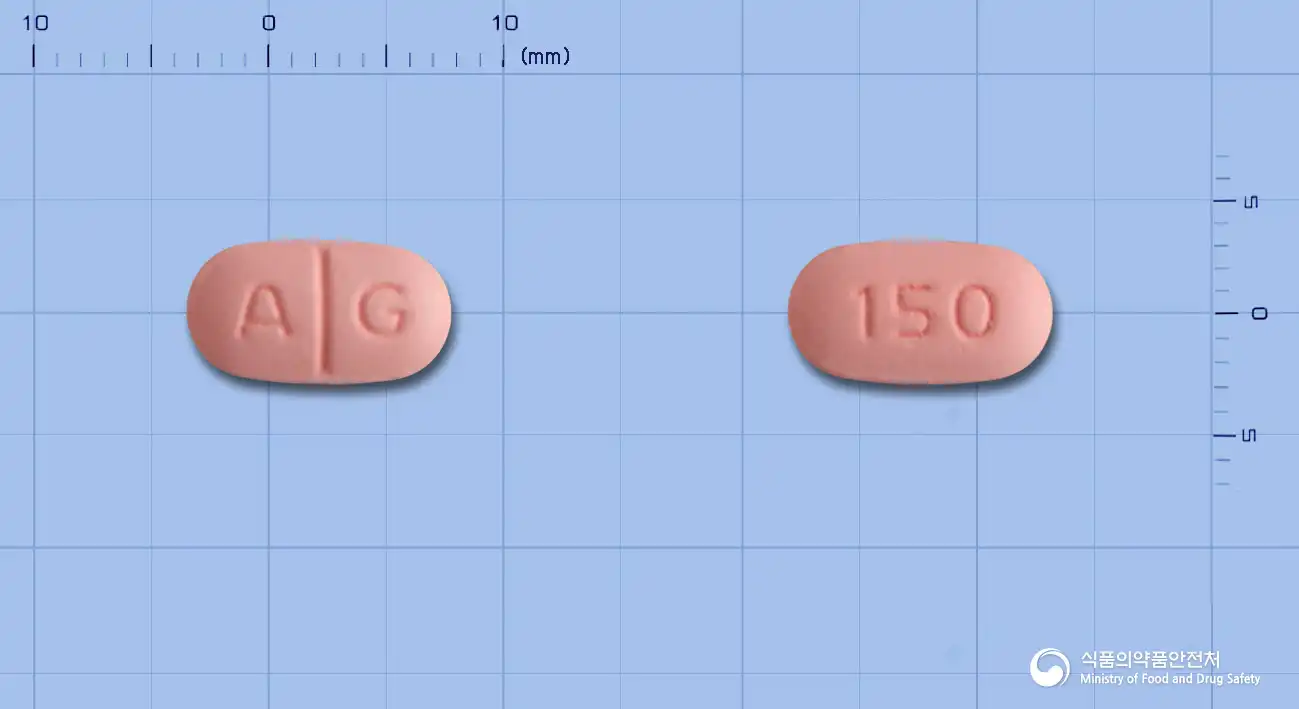
Dexibuprofen 150mg
Tablet · OTC medication
Anguk Pharm Co., Ltd.
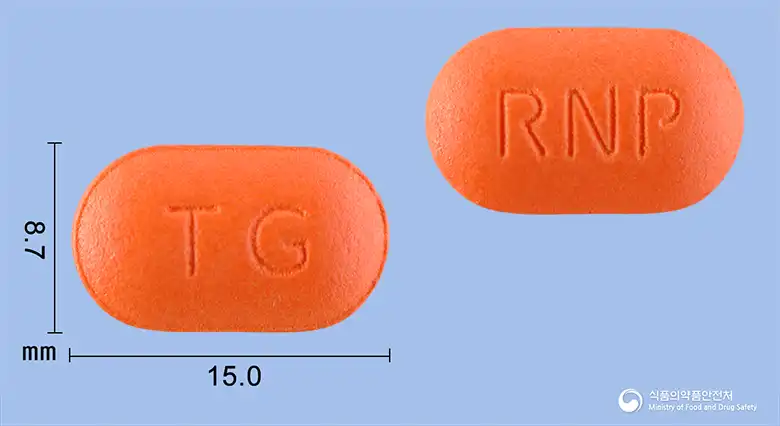
Dexibuprofen 300mg
Tablet · OTC medication
Taeguk Pharmaceutical Co., Ltd.
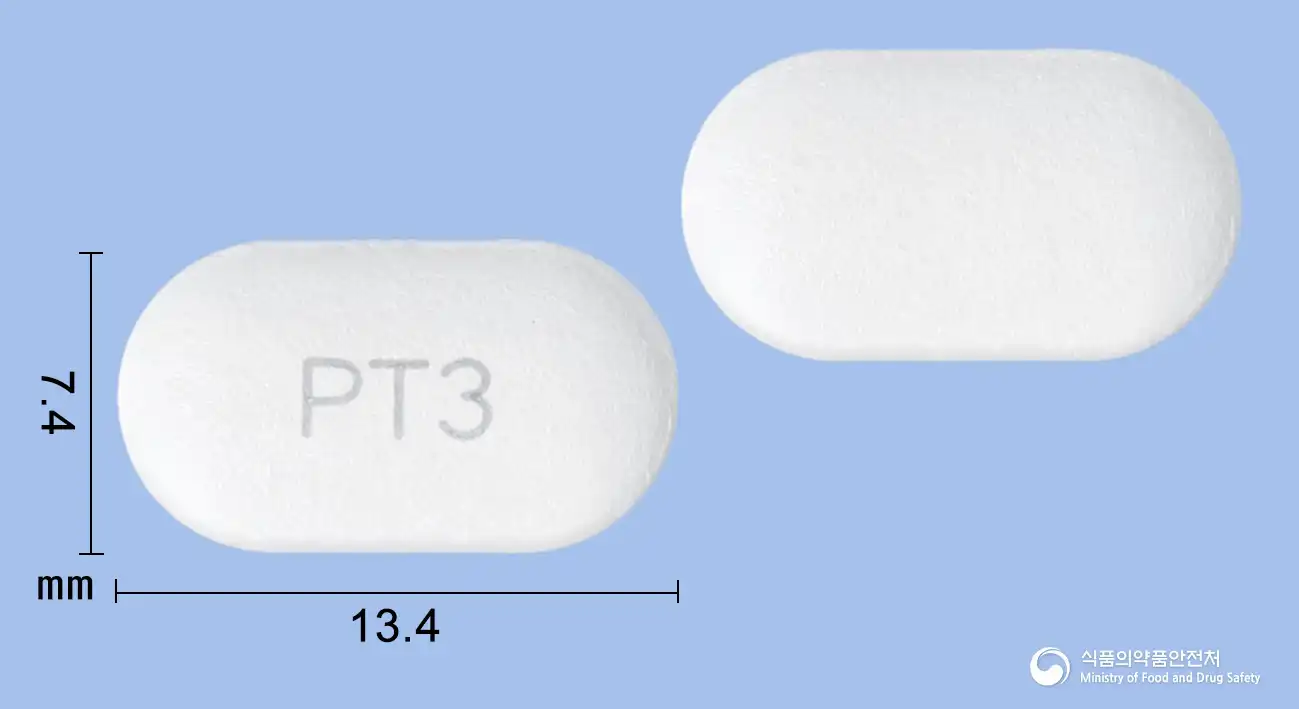
Dexibuprofen 300mg
Tablet · OTC medication
Genupharm Co., Ltd.
Even with the same ingredient, the dose and directions can differ by strength and dosage form. Talk to a doctor or pharmacist before switching from a medication you are already taking.
No questions yet.
For anything that needs medical judgment, consult a doctor or pharmacist.
This drug information is based on data provided by the Korea Ministry of Food and Drug Safety.
Consult a doctor or pharmacist for accurate dosage, administration, and usage instructions.