
 한국어
 English
 日本語
 中文(简体)
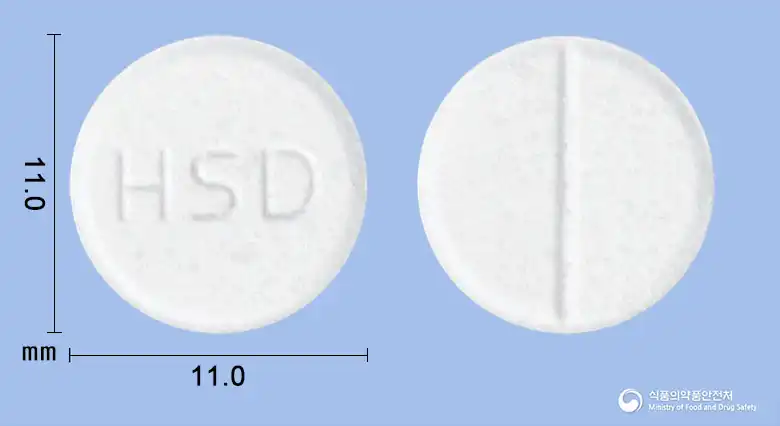 Viewing now
Doberan Tablets (Dobeisilic Acid Calcium Hydrate)
Dobesilate Calcium Hydrate 250mg
Tablet · Prescription medication
JW Pharmaceutical Co., Ltd.
MFDS item code 201405972 · Approved 2014.12.19 · Insurance code 644102530
Treatment of capillary disorders (such as diabetic retinopathy), venous disorders, and hemorrhoids
This medication is used to improve conditions where enhanced capillary rupture and permeability disorders occur due to vascular damage. It is also helpful in treating microvascular disorders and diabetic retinopathy caused by diabetes. It is effective for blood circulation problems such as venous dysfunction, post-thrombotic syndrome, peripheral congestion edema, and hemorrhoids. Overall, it is utilized to maintain vascular health and alleviate related symptoms.
Adults: Administer the following doses of calcium dobesilate orally. 1. Vascular damage and retinopathy: 500-1000mg daily 2. Venous disease: 750mg daily for 1-3 weeks, then 500mg daily. Take after meals with plenty of fluids. Adjust the dose appropriately according to age and symptoms.
This medication should not be used in patients who are allergic to this drug or its ingredients. Since this medication contains lactose, patients with genetic disorders that prevent them from digesting lactose should not take it. Patients with poor kidney function need to be cautious when using this medication, especially individuals with severe kidney disease requiring dialysis might need to reduce the dosage. Patients with impaired liver function should also be cautious when using this medication, and if liver function tests show elevated levels, further consideration of continuing treatment should be made. This medication contains sulfites, so patients with allergies to sulfites or asthma should be cautious as severe allergic reactions or asthma attacks may occur. Rarely, serious side effects such as a decrease in the number of blood cells may occur with this medication, so if there are symptoms like high fever or signs of infection, contact a doctor immediately. Hypersensitivity reactions, such as skin rashes, itching, and facial swelling, may occur, and in severe cases, anaphylactic shock could happen; if such symptoms arise, discontinuation of the medication is necessary. Common side effects can include headaches, abdominal pain, nausea, diarrhea, vomiting, joint pain, muscle pain, fever, chills, lethargy, and fatigue. The effects on driving or operating machinery while taking this medication are unknown, thus caution is advised. It is recommended to avoid this medication during pregnancy if possible, and during breastfeeding, since this medication can be secreted in small amounts into breast milk, discontinuation of breastfeeding or treatment is advisable. Safety in children has not been adequately studied, so caution is warranted regarding its use. There are no specific precautions for the elderly, but general health conditions should be considered. This medication can affect certain blood test results, so it is advisable to collect necessary test samples prior to the initiation of treatment. No specific symptoms have been reported in case of overdose, but general emergency care should be given.
Not everyone experiences these, and they can vary from person to person.
This medication may be sensitive to air or moisture, so it should be stored in a tightly sealed container. It is best to maintain a storage temperature between 1 degree and 30 degrees Celsius to preserve the effectiveness of the medication.
White round tablets
100 tablets/bottle, 30 tablets/bottle
Even with the same ingredient, strength, dosage form and how it is taken can differ.
Viewing nowDobesilate Calcium Hydrate 250mg
Tablet · Prescription medication
JW Pharmaceutical Co., Ltd.
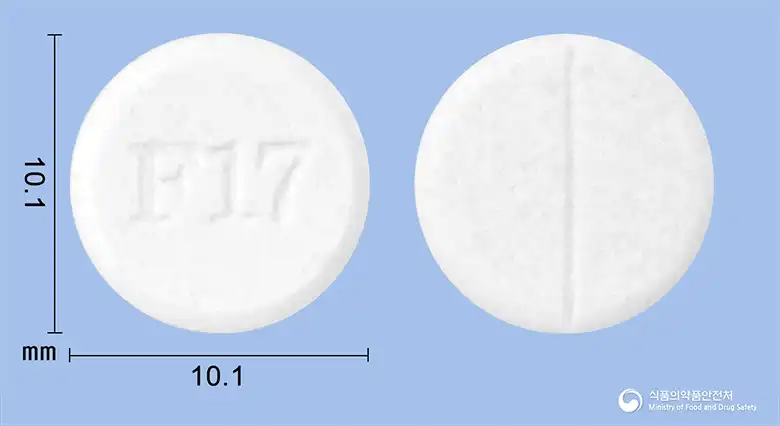
Dobesilate Calcium Hydrate 250mg
Tablet · Prescription medication
Ilseong IS Co., Ltd.
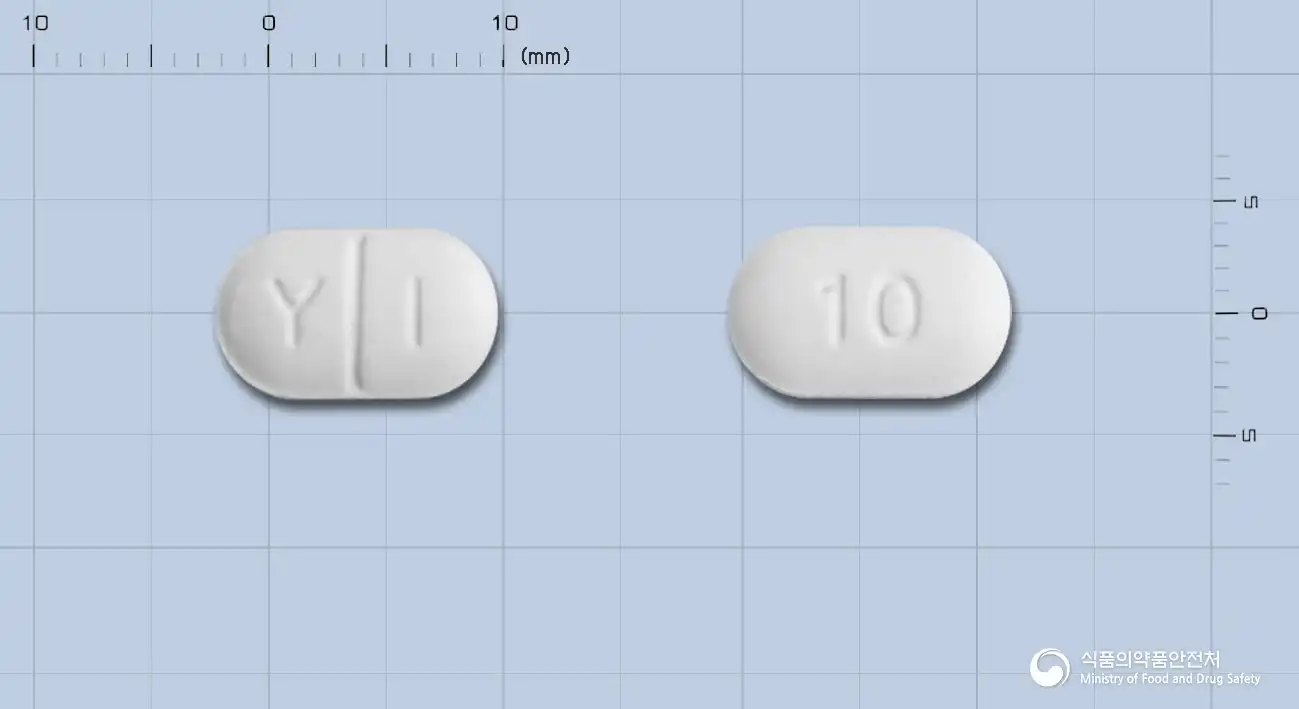
Dobesilate Calcium Hydrate 250mg
Tablet · Prescription medication
Youngil Pharmaceutical Co., Ltd.
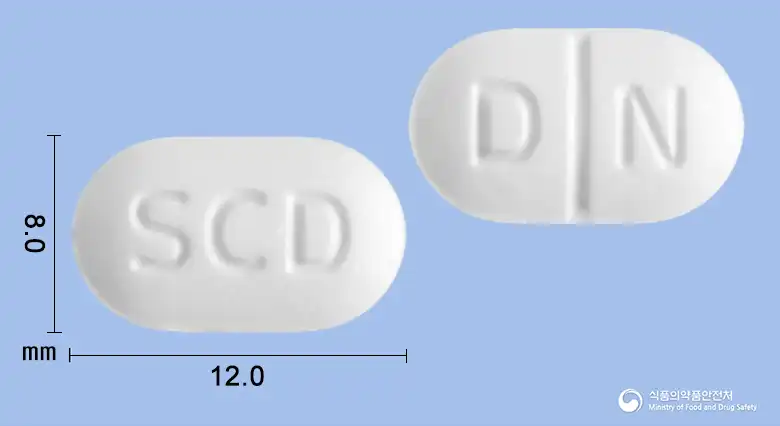
Dobesilate Calcium Hydrate 250mg
Tablet · Prescription medication
Samchundang Pharmaceutical Co., Ltd.
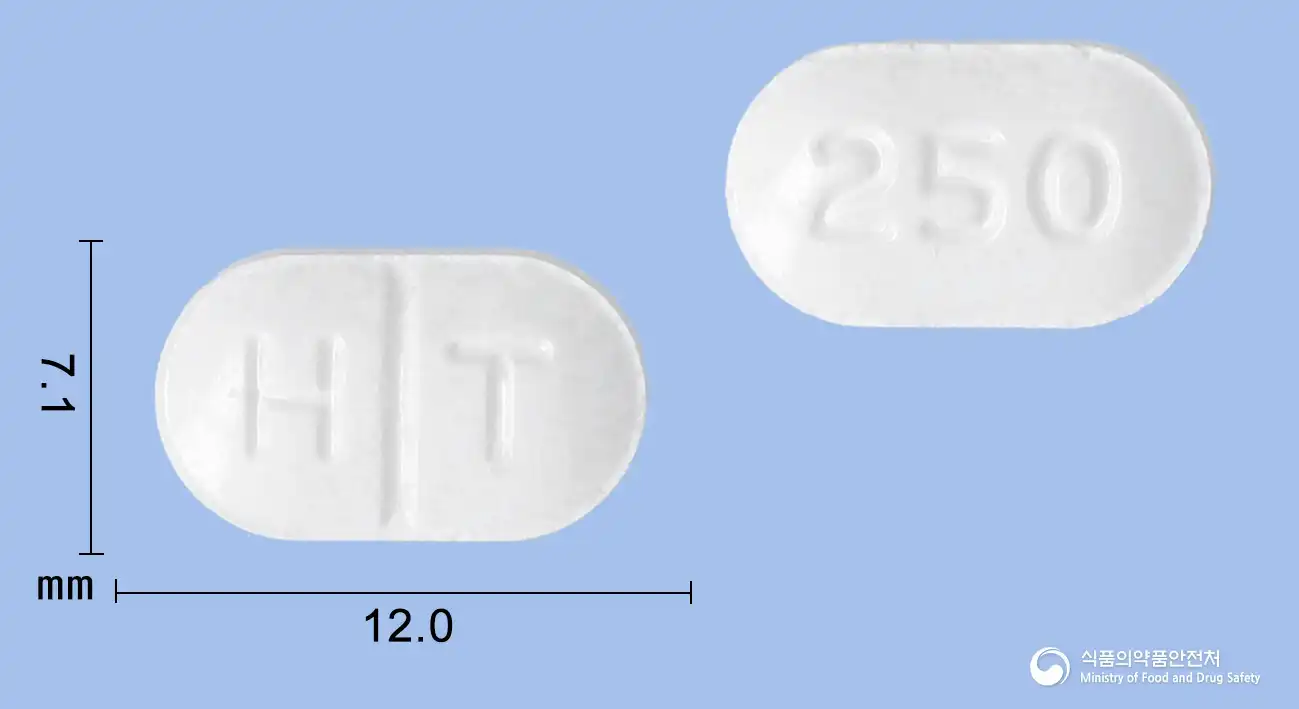
Dobesilate Calcium Hydrate 250mg
Tablet · Prescription medication
Korea Hutex Pharmaceutical Co., Ltd.
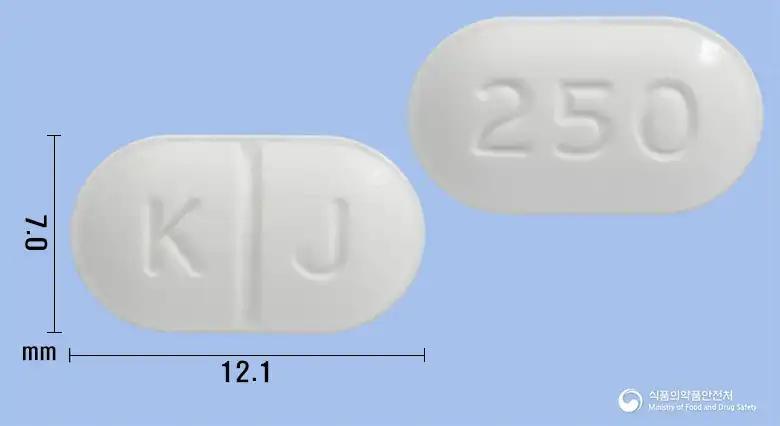
Dobesilate Calcium Hydrate 250mg
Tablet · Prescription medication
International Pharmaceutical Co., Ltd.
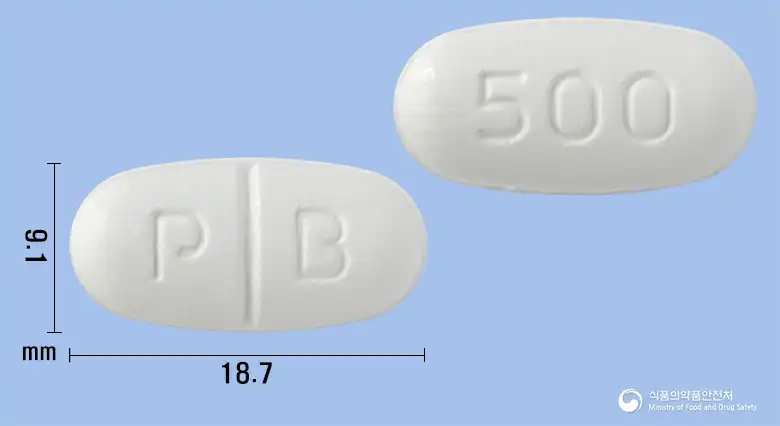
Dobesilate Calcium Hydrate 500mg
Tablet · Prescription medication
Korea Pharma Bio Co., Ltd.
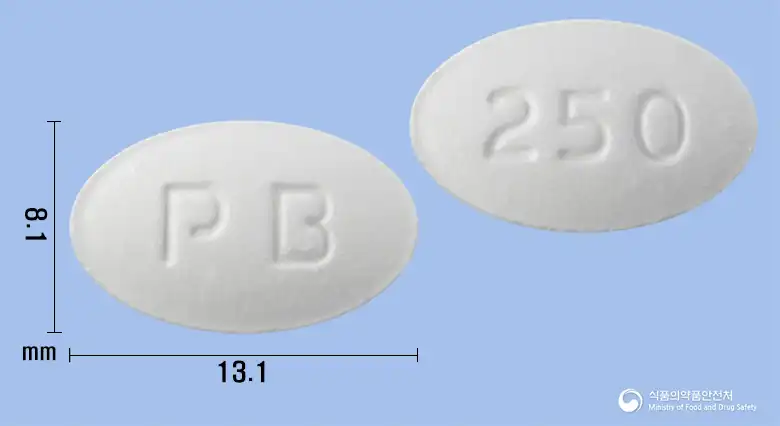
Dobesilate Calcium Hydrate 250mg
Tablet · Prescription medication
Hanmi Pharm Co., Ltd.
Even with the same ingredient, the dose and directions can differ by strength and dosage form. Talk to a doctor or pharmacist before switching from a medication you are already taking.
No questions yet.
For anything that needs medical judgment, consult a doctor or pharmacist.
This drug information is based on data provided by the Korea Ministry of Food and Drug Safety.
Consult a doctor or pharmacist for accurate dosage, administration, and usage instructions.