
 한국어
한국어 English
 日本語
日本語 中文(简体)
 Viewing now
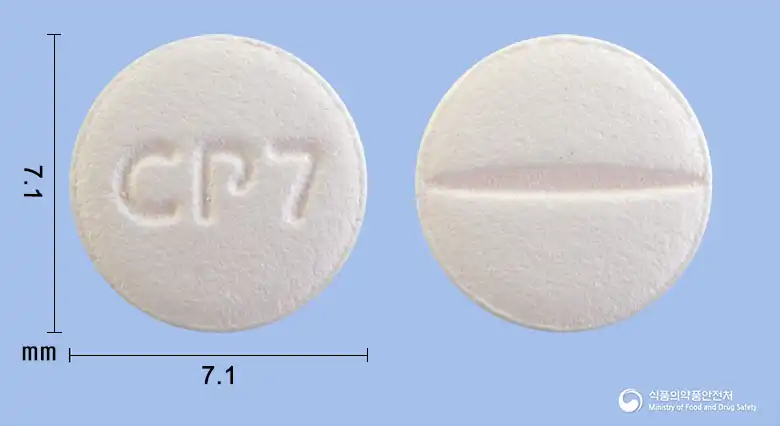
CMG Pitavastatin Tablet 2mg (Pitavastatin Calcium Hydrate)
Pitavastatin Calcium Hydrate 2mg
Tablet · Prescription medication
CMG Pharmaceutical Co., Ltd.
MFDS item code 201405925 · Approved 2014.12.17 · Insurance code 648602920
Improvement of hypercholesterolemia and dyslipidemia
This medication helps improve blood lipid levels in patients with primary hypercholesterolemia and mixed dyslipidemia. It particularly lowers levels of total cholesterol, LDL-cholesterol, apolipoprotein B, and triglycerides while raising levels of HDL-cholesterol, the 'good' cholesterol. This medication is used alongside dietary measures to effectively manage blood lipid imbalances, contributing to a reduction in cardiovascular disease risk with consistent use, thus playing a crucial role in the treatment of hypercholesterolemia and dyslipidemia.
For adults, the usual initial dose is 1 to 2 milligrams of pitavastatin calcium, taken once daily. If the LDL-cholesterol-reducing effect is insufficient, the dose may be increased to a maximum of 4 milligrams daily. The dose should be adjusted appropriately at intervals of 4 weeks or more based on LDL-cholesterol levels, treatment goals, and patient response.
This medication should not be administered to certain patients. For example, patients with allergies to this medication or with active liver disease, severe liver impairment, or bile duct obstruction, patients taking cyclosporine, those with myopathy, pregnant or potentially pregnant women, nursing mothers, and pediatric patients should not use this medication. Additionally, patients with impaired kidney function or a history of liver disease, individuals who excessively consume alcohol, and those on fibric acid derivatives or niacin, patients with hypothyroidism, elderly individuals, etc., should use this medication with caution. While taking this medication, various side effects such as muscle pain, fatigue, liver function abnormalities, skin rashes, and blood abnormalities may occur, so if any symptoms appear, medical consultation should be sought immediately. Notably, muscle-related symptoms may progress to a serious condition called rhabdomyolysis, necessitating vigilance. Since this medication is primarily metabolized in the liver, regular liver function tests should be conducted, and administration should be stopped if abnormalities are found. Also, patients with a risk of diabetes should periodically check their blood glucose levels. When taking this medication with other drugs, interactions may occur, especially if co-administered with cyclosporine, fibric acid derivatives, niacin, erythromycin, etc. If symptoms appear during co-administration with these drugs, administration should be halted immediately due to potential muscle damage or worsening kidney function. Elderly patients should exercise greater caution as the risk of adverse reactions is higher. Pregnant or nursing women should not take this medication as it may pose risks to the fetus or newborn. If pregnancy is confirmed, administration should be stopped immediately. The safety and efficacy of this medication in pediatric patients have not been established, hence it should not be used in children. Finally, this medication should be kept out of the reach of children and stored in its original container to prevent misuse and preserve its quality.
Abdominal pain, rash, fatigue, paresthesia, itching, stiffness, drowsiness, insomnia, headache, dry mouth, dyspepsia, abdominal bloating, constipation, stomatitis, vomiting, loss of appetite, glossitis, nausea, discomfort in the stomach, diarrhea, granulocytopenia, leukopenia, eosinophilia, leukocytosis, elevated globulin, positive Coombs test, anemia, increased urination, elevated BUN, increased serum creatinine, decreased aldosterone, elevated aldosterone, adrenal cortex-stimulating hormone elevation
Not everyone experiences these, and they can vary from person to person.
This medication is sensitive to light and should be stored in a container that does not allow light to enter. Additionally, it is important to maintain room temperature, between 1 degree and 30 degrees Celsius, while storing the medication. Doing so ensures the medication's effectiveness and safety for use.
Very pale yellowish-red round film-coated tablets
30 tablets/bottle, 100 tablets/bottle
Even with the same ingredient, strength, dosage form and how it is taken can differ.
Viewing nowPitavastatin Calcium Hydrate 2mg
Tablet · Prescription medication
CMG Pharmaceutical Co., Ltd.
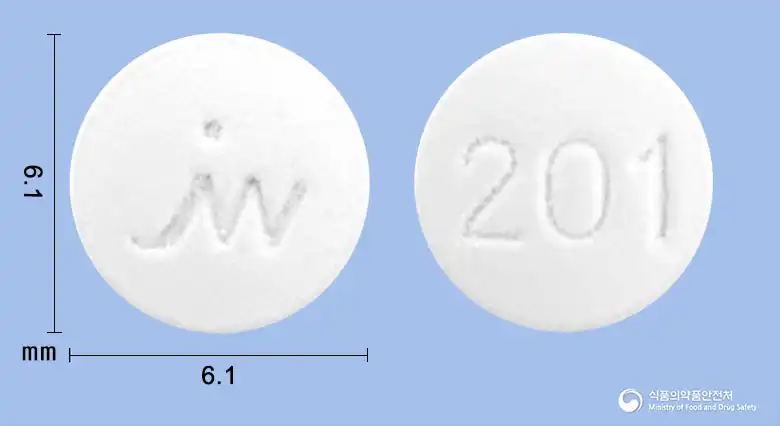
Pitavastatin Calcium Hydrate 1mg
Tablet · Prescription medication
JW Pharmaceutical Corporation

Pitavastatin Calcium Hydrate 2mg
Tablet · Prescription medication
JW Pharmaceutical Corporation
Pitavastatin Calcium 2mg
Tablet · Prescription medication
Youngjin Pharmaceutical Co., Ltd.
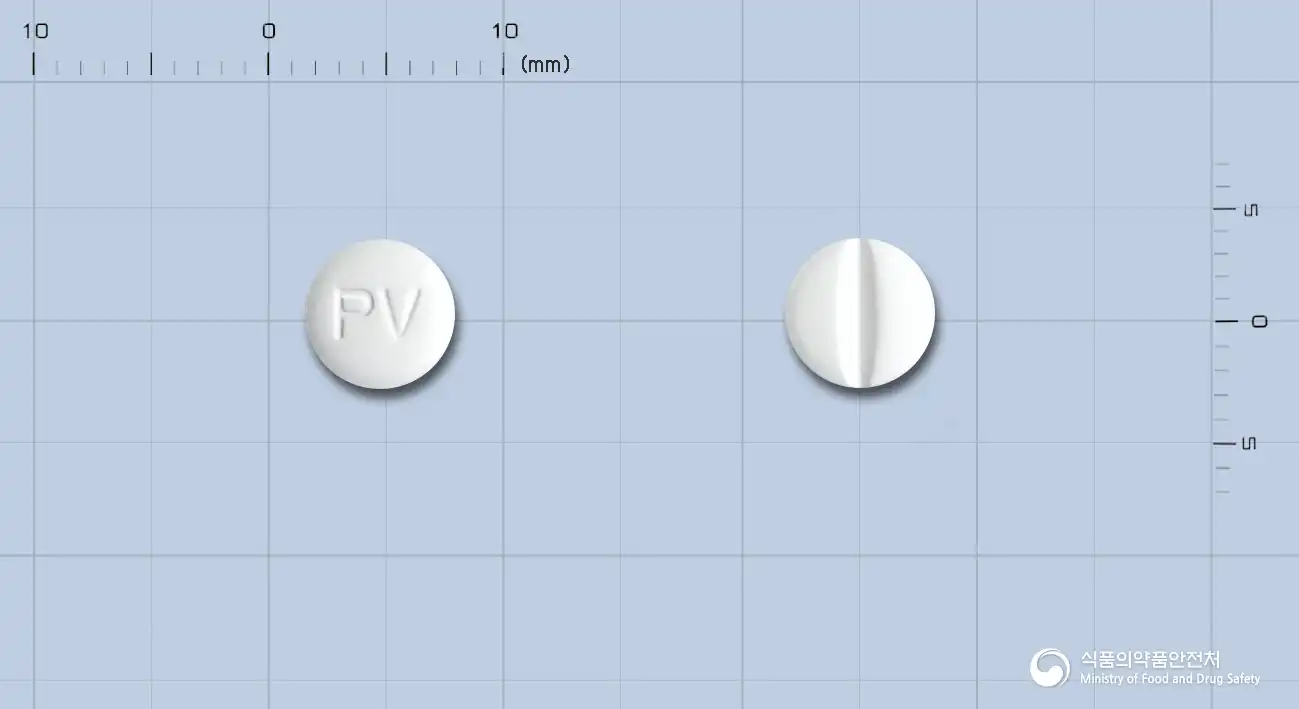
Pitavastatin Calcium 2mg
Tablet · Prescription medication
Samchundang Pharmaceutical Co., Ltd.
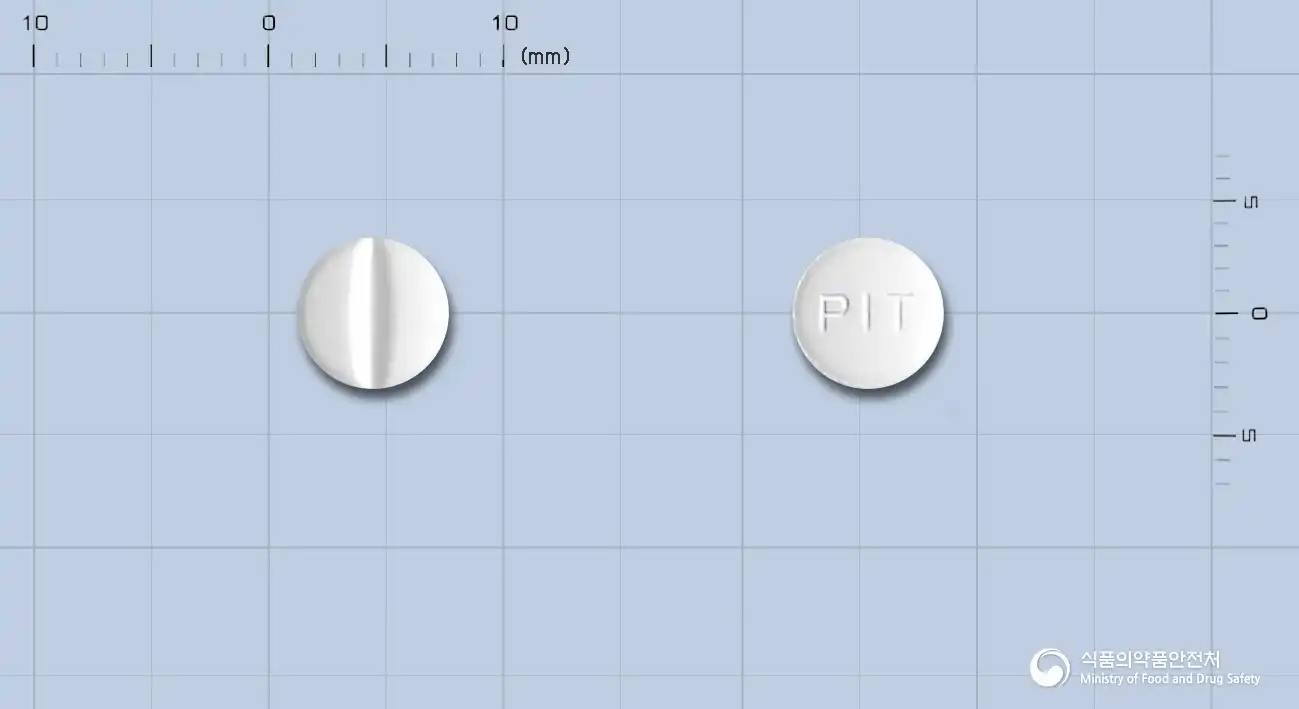
Pitavastatin Calcium 2mg
Tablet · Prescription medication
Daewon Pharmaceutical Co., Ltd.
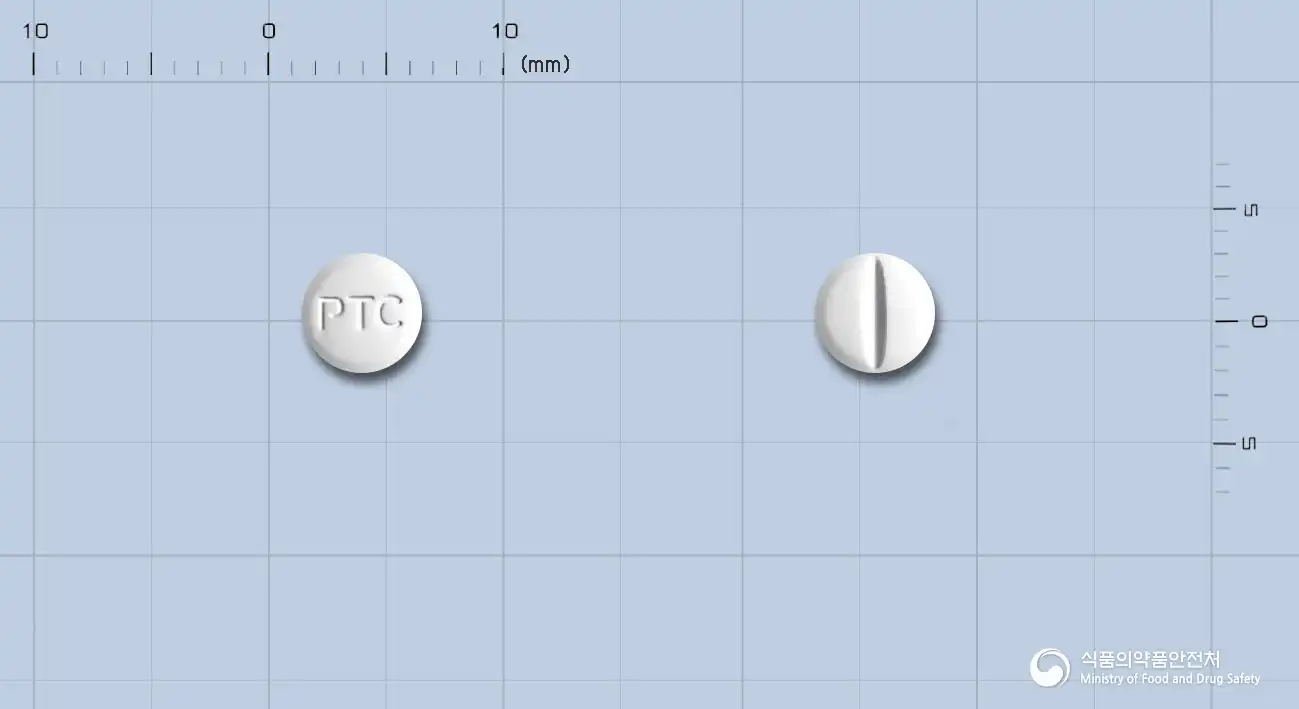
Pitavastatin Calcium 2mg
Tablet · Prescription medication
Samnam Pharmaceutical Co., Ltd.
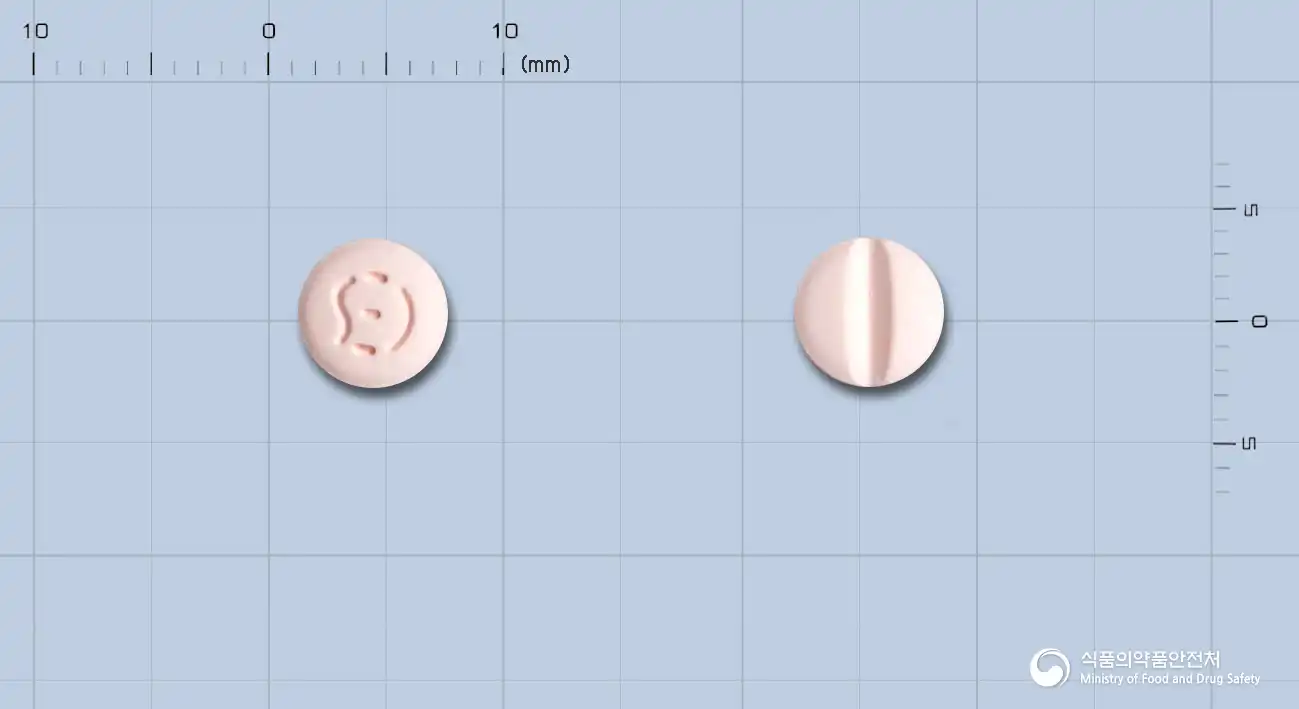
Pitavastatin Calcium 2mg
Tablet · Prescription medication
Seoul Pharmaceutical Co., Ltd.
Even with the same ingredient, the dose and directions can differ by strength and dosage form. Talk to a doctor or pharmacist before switching from a medication you are already taking.
No questions yet.
For anything that needs medical judgment, consult a doctor or pharmacist.
This drug information is based on data provided by the Korea Ministry of Food and Drug Safety.
Consult a doctor or pharmacist for accurate dosage, administration, and usage instructions.