
 한국어
한국어 English
 日本語
日本語 中文(简体)
 Viewing nowCombination
Nephsin Tablets
Rehmannia Root 416.7mg · Angelica Gigas Root 416.7mg +12 more
Tablet · OTC medication · Combination
Hansol Pharmaceutical Co., Ltd.
MFDS item code 201405845 · Notified 2014.12.10
Treatment of urinary tract infections such as cystitis and urethritis
This medicine is used to treat urinary tract infections such as cystitis and urethritis, and to relieve swelling caused by kidney disease and nephrotic syndrome. It may also help improve symptoms of swelling due to excessive fluid retention in the body.
Adults: 3 to 6 tablets once, twice a day, in the morning and evening on an empty stomach.
Children aged 8 to 15 years: 2 to 3 tablets once, twice a day, in the morning and evening on an empty stomach.
This medication should not be taken by women who are pregnant or may become pregnant, as the ingredients contained in this product can cause uterine contractions, increasing the risk of premature birth or miscarriage. Additionally, this medication can be transmitted to the baby through breast milk, so breastfeeding women should avoid taking it. Some ingredients may cause diarrhea in infants. Patients with genetic disorders that cause problems with lactose digestion should not take this medication, as it contains lactose. Individuals with high blood pressure, older adults, or those with heart or kidney problems should consult a doctor or pharmacist before taking this medication. It is also advisable for individuals with swelling or those currently undergoing other treatments, as well as those with a history of drug allergies, to consult a professional. If diarrhea or loose stools are present, if there are symptoms of weak stomach, poor appetite, nausea, or vomiting, consultation before use is necessary. Additionally, individuals who are physically weakened should be cautious as side effects may occur more easily. When taking this medication, it is important to follow the prescribed dosage and administration and to avoid taking it with other anti-diarrheal medications. In administering this to children, it must be done under the guidance of a guardian, and children under 5 years should not take it. If symptoms such as decreased urine volume, swelling of the face or limbs, eyelid heaviness, hand stiffness, elevated blood pressure, or headaches occur during use, discontinue taking it immediately and consult a professional. Long-term use may lead to hypokalemia, swelling, or weight gain, so monitoring blood potassium levels is important, and if abnormalities are found, discontinue use. Muscle weakness, cramps, or paralysis symptoms should also prompt discontinuation and consultation. If gastrointestinal symptoms such as loss of appetite, abdominal pain, nausea, vomiting, or diarrhea occur, the medication should be stopped. Caution is advised when taking this medication along with licorice or certain diuretics due to potential potassium level changes that can lead to muscle problems. Taking the medication can result in loose stools, but if severe abdominal pain accompanies diarrhea, stop taking it and consult a professional. If symptoms do not improve within 1-2 months, discontinue use and consult a doctor or pharmacist, and long-term use should always be under professional guidance. The effects of the rhubarb component can vary by individual, so dosage must be adhered to, and stimulant laxatives should ideally not be used continuously for more than a week. If constipation requires daily treatment, the cause should be investigated. When taking this medication with other herbal remedies, care should be taken regarding ingredient overlap, especially with products that contain rhubarb. When storing, keep it out of reach of children, avoid direct sunlight, and store in a cool, dry place. Also, it is recommended not to transfer it to other containers to maintain quality.
Not everyone experiences these, and they can vary from person to person.
This medication should be stored in a sealed container to protect it from exposure to air and moisture, and it is safe to store at room temperature between 1 and 30 degrees Celsius. Storing it this way will help maintain the medication's effectiveness and prevent deterioration.
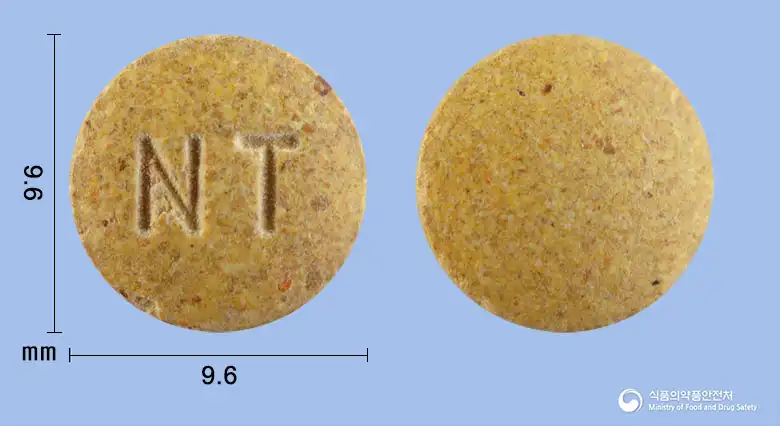
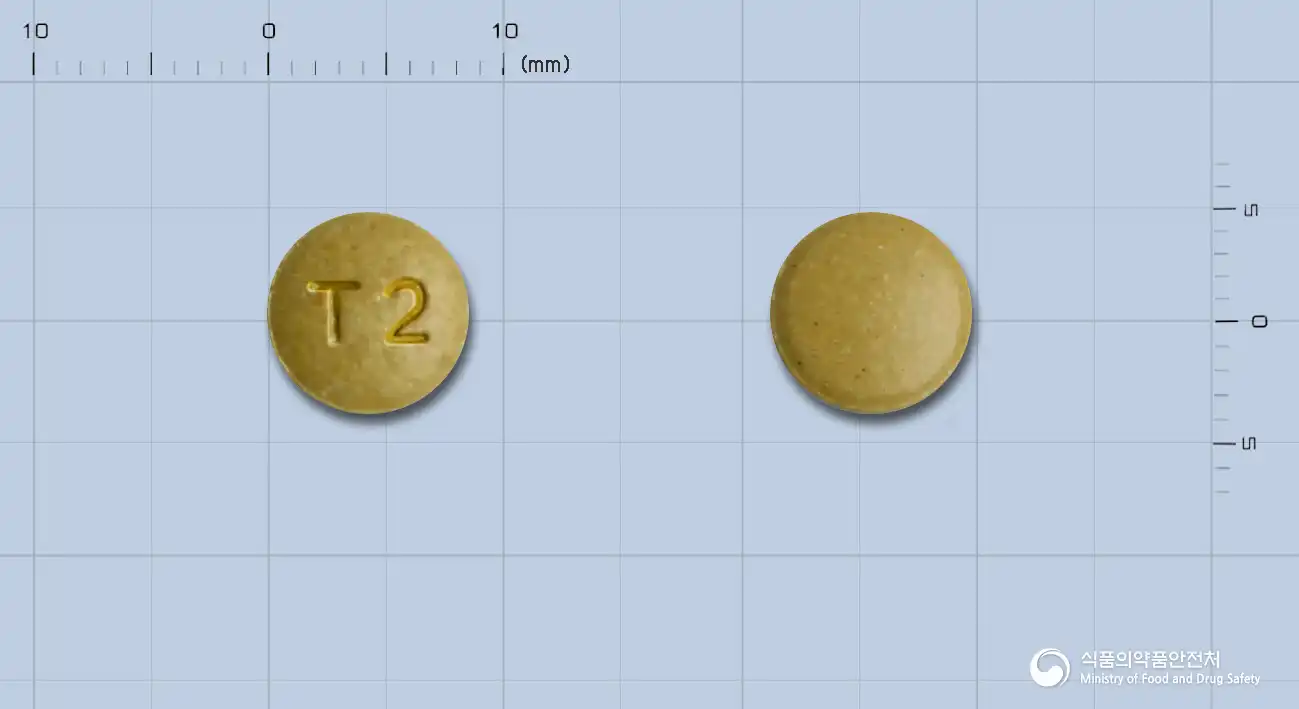
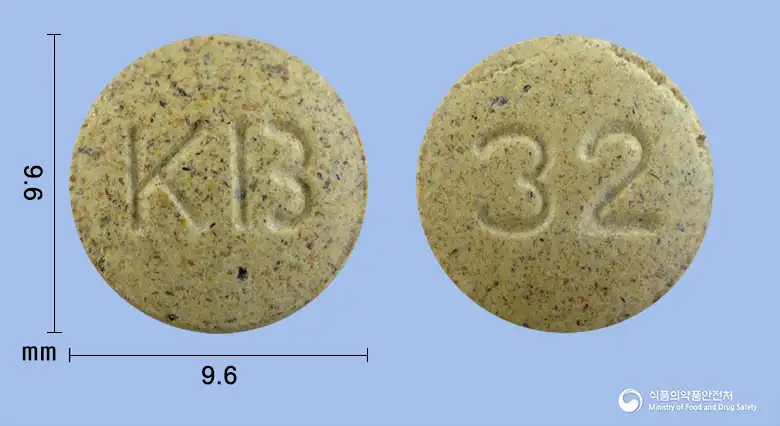
Brownish yellow round tablets
20 tablets/Blister pack, 180 tablets/Blister pack
Even with the same ingredient, strength, dosage form and how it is taken can differ.
Viewing nowCombinationRehmannia Root 416.7mg · Angelica Gigas Root 416.7mg +12 more
Tablet · OTC medication · Combination
Hansol Pharmaceutical Co., Ltd.
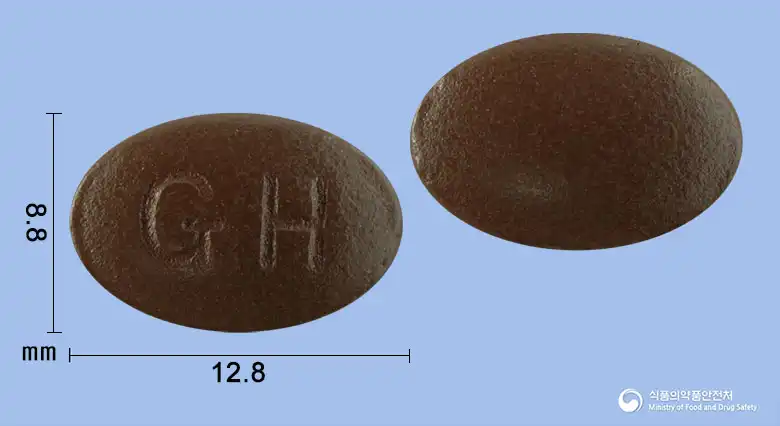 Combination
Rehmannia Root 416.7mg · Angelica Gigas Root 416.7mg +12 more
Tablet · OTC medication · Combination
(Y) Hanpung Pharmaceutical
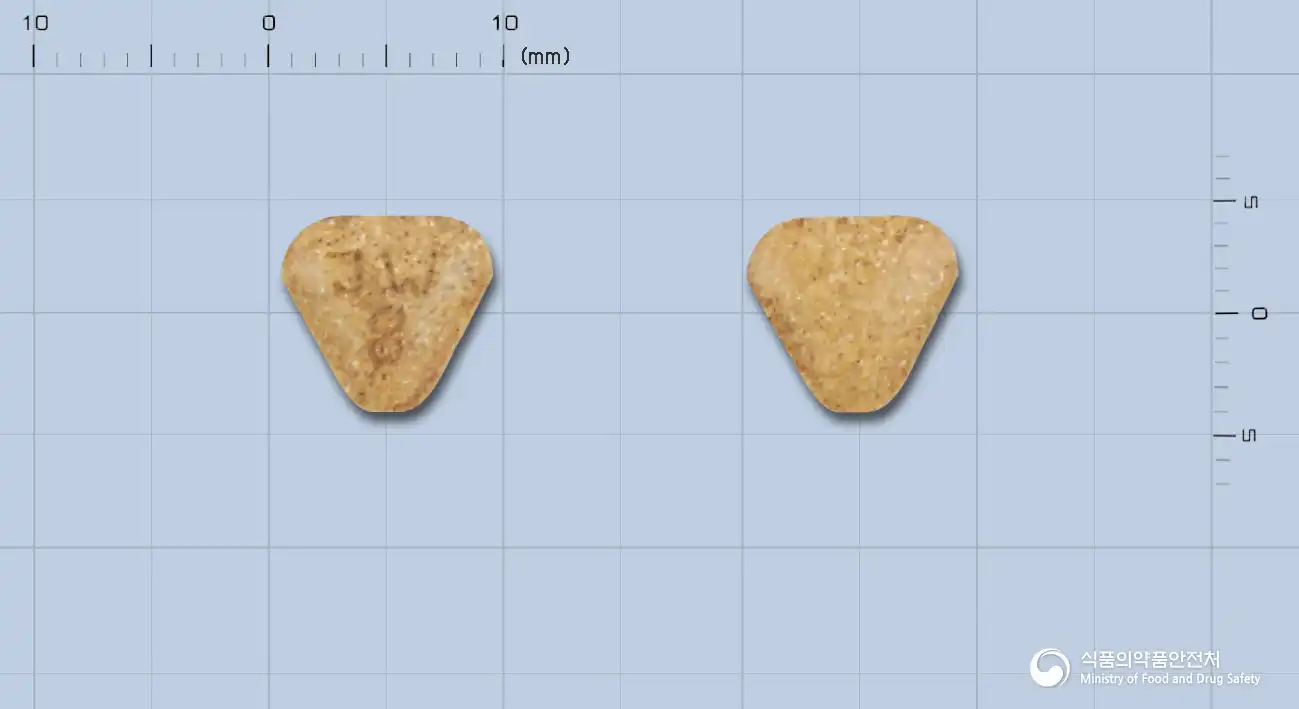 Combination
Rehmannia Root 416.7mg · Angelica Gigas Root 416.7mg +12 more
Tablet · OTC medication · Combination
Jeongwoo New Drug Co., Ltd.
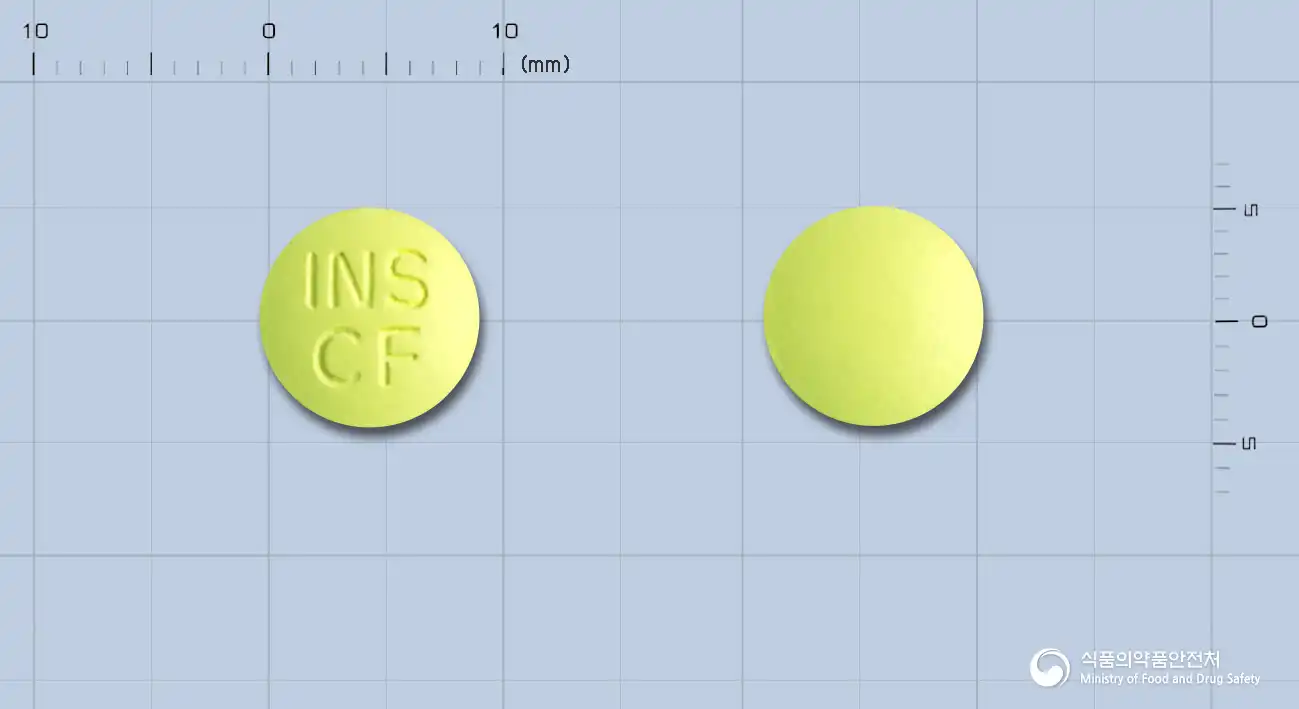 Combination
Rehmannia Root 416.7mg · Angelica Gigas Root 416.7mg +12 more
Tablet · OTC medication · Combination
JBK Lab Co., Ltd.
 Combination
Rehmannia Root 416.7mg · Angelica Gigas Root 416.7mg +12 more
Tablet · OTC medication · Combination
Iworld Pharmaceutical Co., Ltd.
Rehmannia Root 416.7mg · Angelica Gigas Root 416.7mg +12 more
Tablet · OTC medication · Combination
Seoul Pharmaceutical Co., Ltd.
Rehmannia Root 416.7mg · Angelica Gigas Root 416.7mg +12 more
Tablet · OTC medication · Combination
Aprogen Pharmaceuticals, Co., Ltd.
 Combination
Rehmannia Root 416.7mg · Angelica Gigas Root 416.7mg +12 more
Tablet · OTC medication · Combination
Kyungbang Pharmaceutical Co., Ltd.
Even with the same ingredient, the dose and directions can differ by strength and dosage form. Talk to a doctor or pharmacist before switching from a medication you are already taking.
No questions yet.
For anything that needs medical judgment, consult a doctor or pharmacist.
This drug information is based on data provided by the Korea Ministry of Food and Drug Safety.
Consult a doctor or pharmacist for accurate dosage, administration, and usage instructions.