
 한국어
한국어 English
 日本語
日本語 中文(简体)
 Viewing now
Famotidine 20 mg Tablets
Famotidine 20mg
Tablet · Prescription medication
Eden Pharma Co., Ltd.
MFDS item code 201405795 · Approved 2014.12.08 · Insurance code 628900350
Improvement of gastric ulcers and upper gastrointestinal bleeding
This medication is used to treat gastric and duodenal ulcers, anastomotic ulcers, upper gastrointestinal bleeding caused by peptic ulcers, acute stress ulcers, and hemorrhagic gastritis. It is also effective for gastroesophageal reflux disease and Zollinger-Ellison syndrome. It helps improve lesions such as erosion, bleeding, erythema, and edema of the gastric mucosa that occur during acute exacerbation of acute or chronic gastritis. This medication prevents damage to the gastric mucosa and alleviates symptoms, improving the patient's gastric health.
For gastric ulcers, duodenal ulcers, anastomotic ulcers, upper gastrointestinal bleeding, gastroesophageal reflux disease, and Zollinger-Ellison syndrome, administer famotidine at a dose of 20 mg orally twice daily (after breakfast, after dinner, or at bedtime) or 40 mg orally once daily (at bedtime). In cases of upper gastrointestinal bleeding, treatment usually starts with injections, transitioning to oral administration once feasible. For improving gastric mucosal lesions (erosion, bleeding, erythema, edema) associated with acute gastritis or acute exacerbation of chronic gastritis: Adults: Administer famotidine at a dose of 10 mg orally twice daily (after breakfast, after dinner, or at bedtime) or 20 mg orally once daily (at bedtime). Adjust dosage appropriately based on age and symptoms.
This medication should not be used in patients who have previously experienced allergic reactions to its components. Patients with a history of allergic reactions to medication or impaired kidney function need to use this medication with caution. In cases of poor kidney function, drug concentration may increase, so dosage should be reduced or dosing intervals should be extended. Patients with heart disease may experience cardiovascular side effects, requiring close observation during administration. Patients with weak liver function should be monitored for worsening symptoms due to potential exacerbation. The elderly may have a higher likelihood of decreased kidney function, which may lead to increased drug concentration; therefore, dosage adjustments may be necessary. Although rare, serious side effects may include allergic shock, blood cell reduction, skin rash, liver dysfunction, muscle damage, heart rhythm abnormalities, consciousness disturbances, nephritis, and pneumonia. If any of these symptoms occur, discontinue use immediately and consult medical personnel. Routine blood tests, liver function tests, and kidney function tests should be performed regularly during treatment and appropriate actions taken if abnormal signs are detected. This medication dissolves in the mouth but is not absorbed through the oral mucosa, so it must be swallowed with water or saliva. Caution is advised if this medication is used alongside phosphate binders during dialysis, as it may reduce the efficacy of calcium carbonate. There may be drug interactions, particularly with certain antifungals or antineoplastics, which may reduce the effectiveness of this medication, so inform healthcare providers about any concurrent medications. Women who are pregnant or may become pregnant should only use it if the benefits of treatment outweigh the risks, and breastfeeding women are advised to discontinue nursing due to the potential for transfer into breast milk. Safety in children has not been sufficiently established, so it should be used cautiously in this population. Lastly, this medication may mask symptoms of gastric cancer, so it is important to confirm that the condition is not gastric cancer before using it.
Not everyone experiences these, and they can vary from person to person.
This medication should be stored in a tightly closed container to avoid contact with air and at room temperature between 1°C and 30°C. Proper storage maintains the medication's effectiveness and prevents degradation.
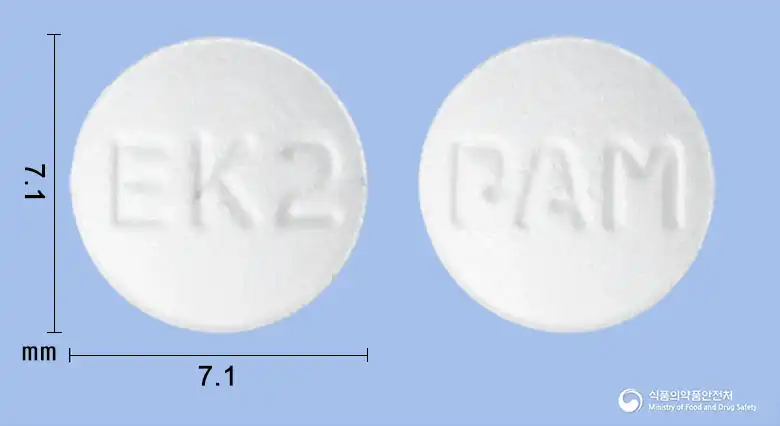
White to off-white round tablets
30 tablets/bottle, 300 tablets/bottle
Even with the same ingredient, strength, dosage form and how it is taken can differ.
Viewing nowFamotidine 20mg
Tablet · Prescription medication
Eden Pharma Co., Ltd.
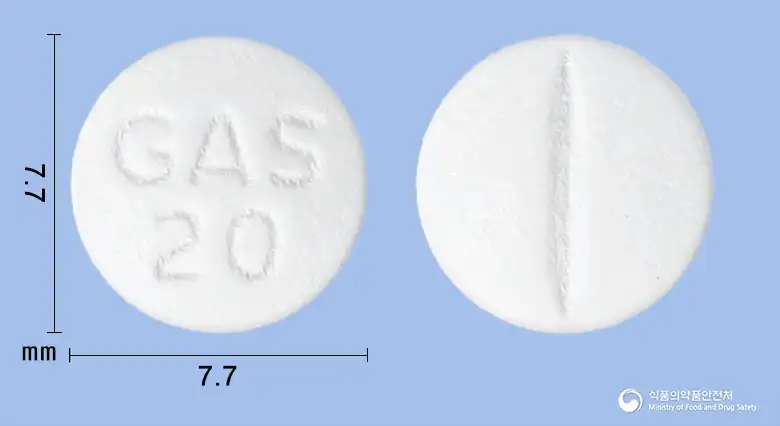
Famotidine 20mg
Prescription medication
Dong-A ST Co., Ltd.
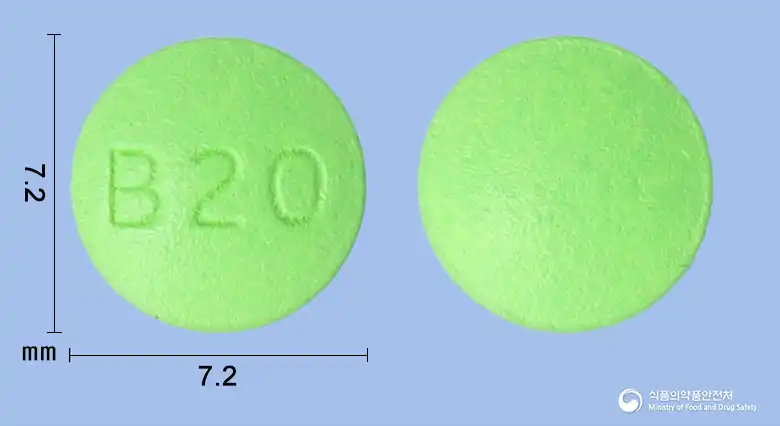
Famotidine 20mg
Tablet · Prescription medication
JW Pharmaceutical Corporation
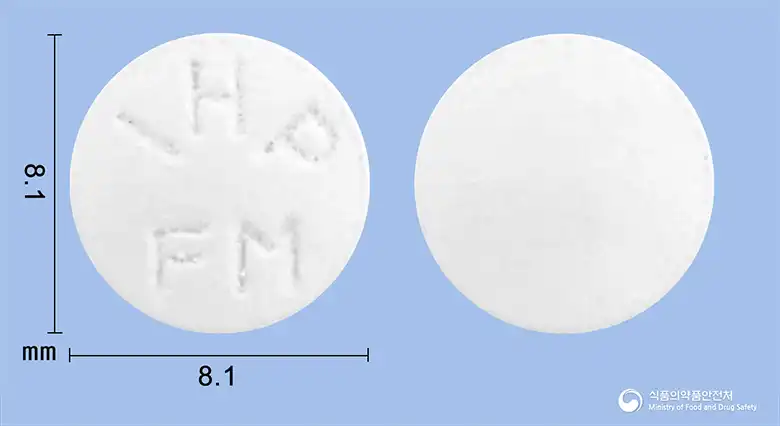
Famotidine 20mg
Tablet · Prescription medication
(Stock Company) Ilhwa
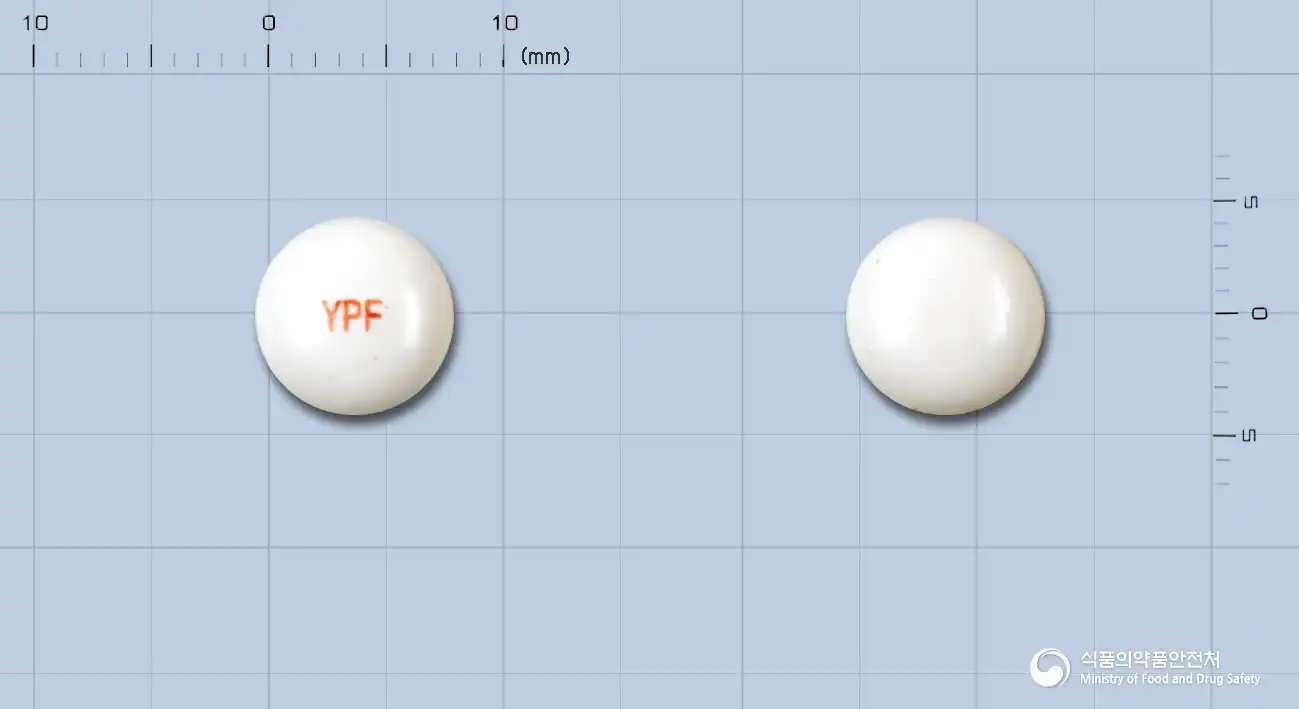
Famotidine 20mg
Prescription medication
Youngpoong Pharmaceutical Co., Ltd.
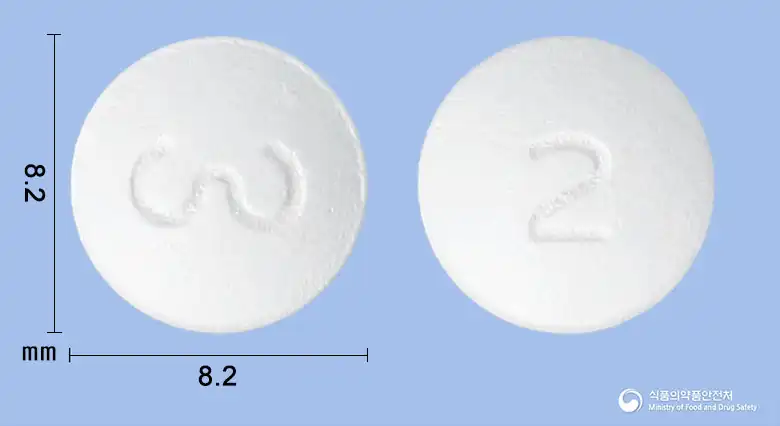
Famotidine 20mg
Tablet · Prescription medication
Withus Pharmaceutical Co., Ltd.
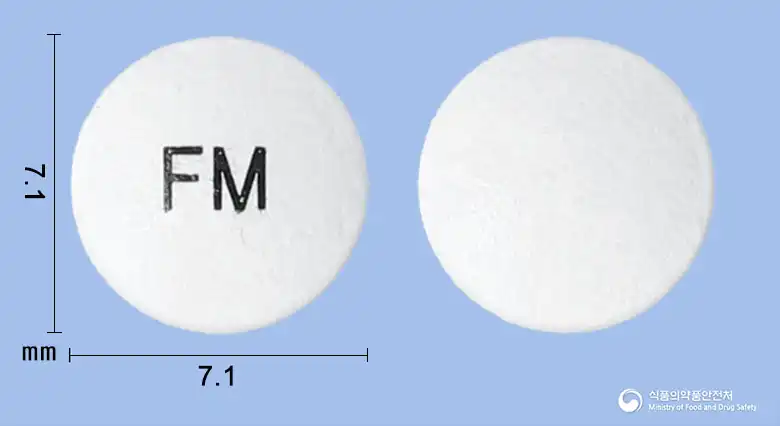
Famotidine 20mg
Prescription medication
(Stock Company) Seoul Pharmaceutical
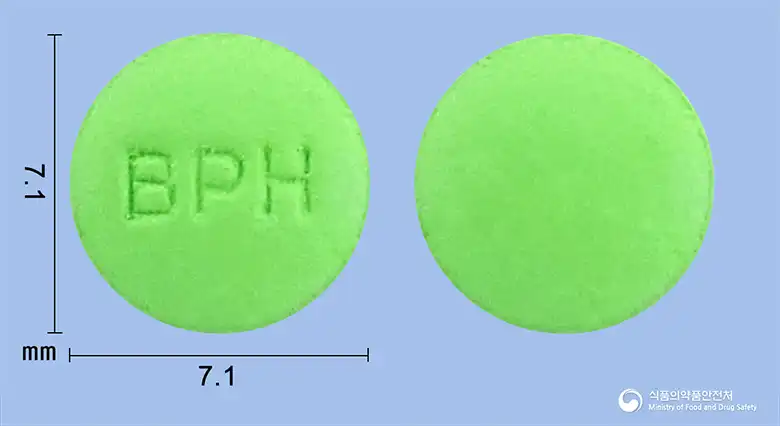
Famotidine 20mg
Tablet · Prescription medication
(Stock Company) Genupharm
Even with the same ingredient, the dose and directions can differ by strength and dosage form. Talk to a doctor or pharmacist before switching from a medication you are already taking.
No questions yet.
For anything that needs medical judgment, consult a doctor or pharmacist.
This drug information is based on data provided by the Korea Ministry of Food and Drug Safety.
Consult a doctor or pharmacist for accurate dosage, administration, and usage instructions.