
 한국어
한국어 English
 日本語
日本語 中文(简体)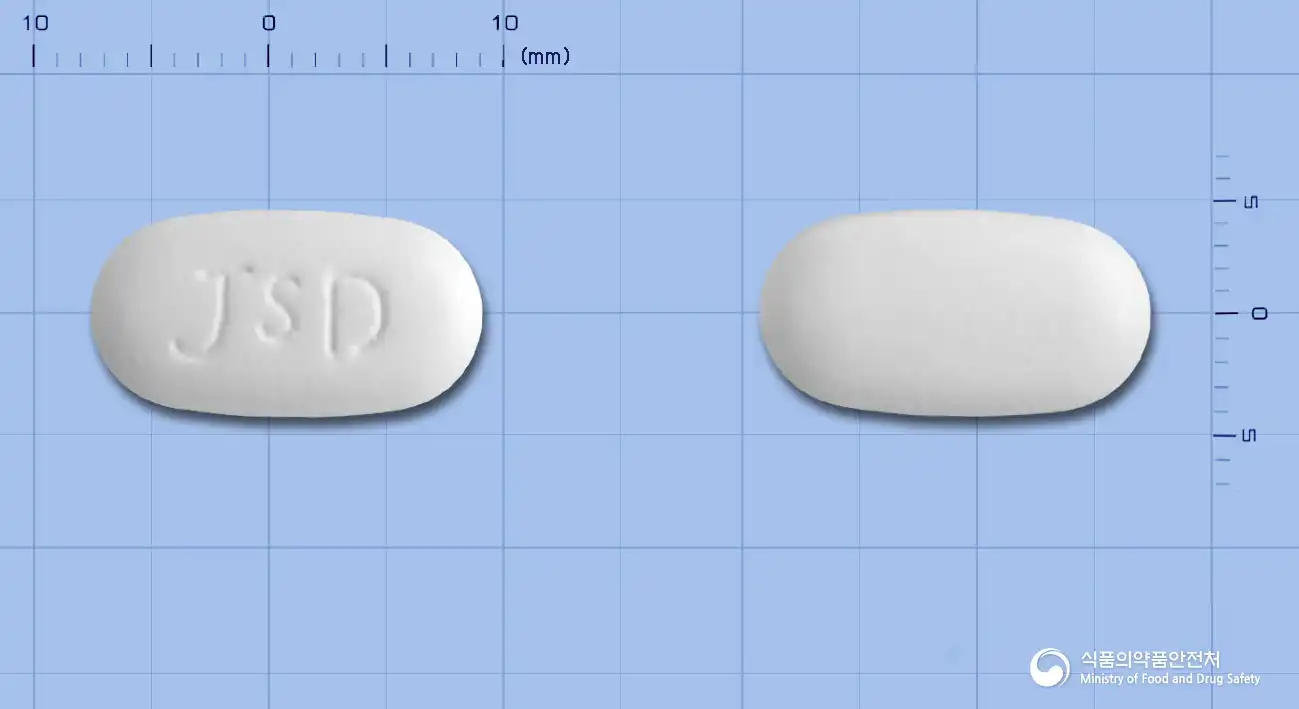
Summary
- Main use
- Relief of symptoms such as peripheral circulatory disorders (shoulder and neck stiffness, cold hands and feet) and stomatitis
- Who uses it
- Adults
- Adult dosage
- For those aged 8 and older, take 1 tablet at a time, twice a day.
Ingredients
- L-Cysteine60mg / 1 tablet
- Ascorbic Acid Coated260.4mg / 1 tablet
- Calcium Pantothenate12mg / 1 tablet
- Tocopherol Acetate Powder 50%100mg / 1 tablet
- Pyridoxine Hydrochloride3mg / 1 tablet
- Riboflavin6mg / 1 tablet
- Gamma-Oryzanol5mg / 1 tablet
- Manufacturer
- 태극제약(주)
Efficacy & effects
Relief of symptoms such as peripheral circulatory disorders (shoulder and neck stiffness, cold hands and feet) and stomatitis
- Physical fatigue
- loss of strength
- peripheral circulatory disorders
- menopausal symptoms
- shoulder stiffness
- neck stiffness
- numbness in hands and feet
- cold hands and feet
- angular cheilitis
- cheilitis
- stomatitis
- glossitis
View approved original textHide original text
The vitamins E, B2, B6, and C contained in this medication can be used to alleviate physical fatigue, reduce physical strength during pregnancy, lactation, illness, and post-illness, and in old age. It also helps relieve symptoms such as shoulder and neck stiffness and cold hands and feet that are associated with peripheral circulatory disorders or menopausal symptoms. It aids in alleviating inflammation around the mouth and oral cavity such as angular cheilitis, cheilitis, stomatitis, and glossitis, as well as symptoms of eczema and dermatitis. It is effective in alleviating pigmentation caused by sunlight or skin diseases (melasma, freckles) and prevents bleeding such as gum bleeding or nosebleeds. Thus, it can serve as a vitamin supplement effective for a variety of symptoms and conditions.
Dosage and Administration
Adult dosage
For those aged 8 and older, take 1 tablet at a time, twice a day.
Precautions
This medication should not be taken by individuals allergic to certain ingredients or infants under 3 months of age. Additionally, those with lactose intolerance or certain genetic metabolic disorders, or those allergic to soybean oil, soy, or peanuts should avoid this medication. During the use of this medication, it should not be taken with levodopa. Infants under 1 year of age, patients receiving treatment from a physician, individuals with kidney-related diseases or metabolic disorders, pregnant women, or nursing mothers should consult a professional before taking this medication. If symptoms such as gastrointestinal discomfort, diarrhea, rash, or vomiting occur during use, or if menstruation changes or prolonged bleeding occurs, stop taking the medication immediately and consult a professional. Particularly, women taking vitamin E or those at risk of thrombosis should be cautious as the risk of thrombosis may increase. Long-term high-dose usage may lead to tolerance, and excessive intake of pyridoxine may cause neurological disorders. If overdosing occurs or if symptoms do not improve after 1 month of use, consult a professional. Always adhere to the prescribed dosage and frequency when taking this medication, and administer it to children under the supervision of a guardian. This medication may affect the results of certain clinical tests, so the fact of taking it should be disclosed before tests. Patients at risk of fat overload should regularly check their blood lipid levels to adjust the administration dose, and if using other lipid-regulating agents, should consider the lipid content in adjustments. Store this medication in a special container that prevents light and air from entering, and it is recommended to keep it at room temperature between 1 degree and 30 degrees Celsius. This way, the components of the medication remain unchanged and can be used safely.
Side effects and when to seek care immediately
Mild side effects
Gastrointestinal discomfort, diarrhea, constipation, rash, redness, nausea, vomiting, menstrual changes (occurring earlier than expected or prolonged bleeding), sensory neuropathy or neurological symptoms (peripheral nerve disorders), interference with blood glucose detection, yellow discoloration of urine, changes in plasma lipid levels related to fat overload.
Not everyone experiences these, and they can vary from person to person.
Interactions
Drug interactions
Do not take this medication with levodopa. Patients currently receiving cardiac glycosides should consult a physician or pharmacist before taking this medication. If using oral contraceptives that contain estrogen or injectable lipid regulators, consult a physician or pharmacist.
Storage
This medication should be stored in a special container that prevents light and air from entering, and it is advisable to keep it at room temperature between 1 degree and 30 degrees Celsius. By doing this, the components of the medication do not change and can be used safely.
Appearance and packaging
Appearance
White to nearly white rectangular film-coated tablet
Package unit
60 tablets per bottle
Questions about this medicine
No questions yet.
For anything that needs medical judgment, consult a doctor or pharmacist.