
 한국어
한국어 English
 日本語
日本語 中文(简体)
 Viewing now
Congbruc Tablet 1.25 mg (Bisoprolol Fumarate)
Bisoprolol Fumarate 1.25mg
Tablet · Prescription medication
Erison Pharmaceutical Co., Ltd.
MFDS item code 201405617 · Approved 2014.11.28 · Insurance code 620500120
Treatment of stable chronic heart failure with reduced left ventricular function
This medication is used to treat patients with stable chronic heart failure with reduced systolic function of the left ventricle. It is often used in combination with ACE inhibitors and diuretics, and may be administered with cardiac glycosides if necessary. This helps to improve heart function, relieve symptoms, and enhance quality of life.
Administer orally once a day, in the morning on an empty stomach or with breakfast, without chewing. The initial dose is 1.25 mg once daily, and the dosage may be gradually increased to 2.5 mg, 3.75 mg, 5 mg, 7.5 mg, and 10 mg at intervals of more than 2 weeks while observing tolerance. The maintenance dose is 10 mg once daily, and the maximum recommended dose is also 10 mg once daily. During the dosage increase period, blood pressure and heart rate should be regularly monitored.
There is no experience in pediatric use, so administration is not recommended.
This medication affects the heart and blood pressure, and may not be safe for patients with specific diseases or conditions. Patients with bronchial asthma or chronic obstructive pulmonary disease should use a bronchodilator alongside this medication, and for asthma patients, airway resistance may increase requiring adjustment of bronchodilator dosage. Allergic reactions may occur, so adrenaline treatment may not always be effective. Patients with psoriasis or a history of psoriasis need to carefully consider the risks and benefits of using this medication. Patients with certain hormone-related tumors should receive other medications first before this one, and symptoms of hyperthyroidism may be masked by this drug. Regular monitoring is necessary when initiating this medication, and abrupt discontinuation can worsen heart conditions, so it must be tapered off gradually under a doctor's guidance. Patients with diabetic ketoacidosis, cardiac conduction disorders, severe hypotension, or severe asthma should not use this medication. Patients with bronchial asthma, respiratory diseases, heart failure, and poor liver or kidney function should use this medication cautiously, as hypoglycemic symptoms may be masked. Side effects such as bradycardia, hypotension, dizziness, fatigue, and digestive disturbances may occur while on this medication. Long-term use requires regular monitoring of heart function and liver and kidney status, and abrupt discontinuation should be avoided. This medication may interact with other drugs, so all medications being taken should be disclosed to the physician, and should not be used in combination with certain drugs or should be used with caution. Pregnant women or those who may become pregnant should not use this medication, as it can harm the fetus and newborn, and breastfeeding mothers should avoid it or stop breastfeeding. Safety in pediatric patients has not been established, so it is not recommended for use in children. Elderly patients should start at a low dose and observe their condition carefully before using this medication. This medication may affect driving or machine operation abilities, so caution is advised, especially during the initial treatment phase or when changing medications. In case of overdose, bradycardia, hypotension, and bronchospasm may occur, requiring immediate medical attention.
Worsening heart failure, liver abnormalities due to severe liver dysfunction (hepatitis), severe renal impairment, severe bradycardia, severe atrioventricular block, bronchial asthma and respiratory distress, severe allergic reactions, severe edema, cardiovascular issues (cardiogenic shock, acute heart failure), severe neurological symptoms (seizures, confusion, etc.), masking of hypoglycemic symptoms and risk of hypoglycemia, masking of symptoms of hyperthyroidism, rash, severe swelling, difficulty breathing, paleness
Not everyone experiences these, and they can vary from person to person.
This medication may be sensitive to air or moisture, so it should be stored in a tightly closed container. It is advisable to keep it at room temperature between 1°C and 30°C. This will help maintain the medication's effectiveness for a longer period.
Light yellow round film-coated tablet
30 tablets/bottle, 300 tablets/bottle, 500 tablets/bottle
Even with the same ingredient, strength, dosage form and how it is taken can differ.
Viewing nowBisoprolol Fumarate 1.25mg
Tablet · Prescription medication
Erison Pharmaceutical Co., Ltd.

Bisoprolol Fumarate 5mg
Tablet · Prescription medication
Merck Co., Ltd.

Bisoprolol Fumarate 2.5mg
Tablet · Prescription medication
Merck Co., Ltd.
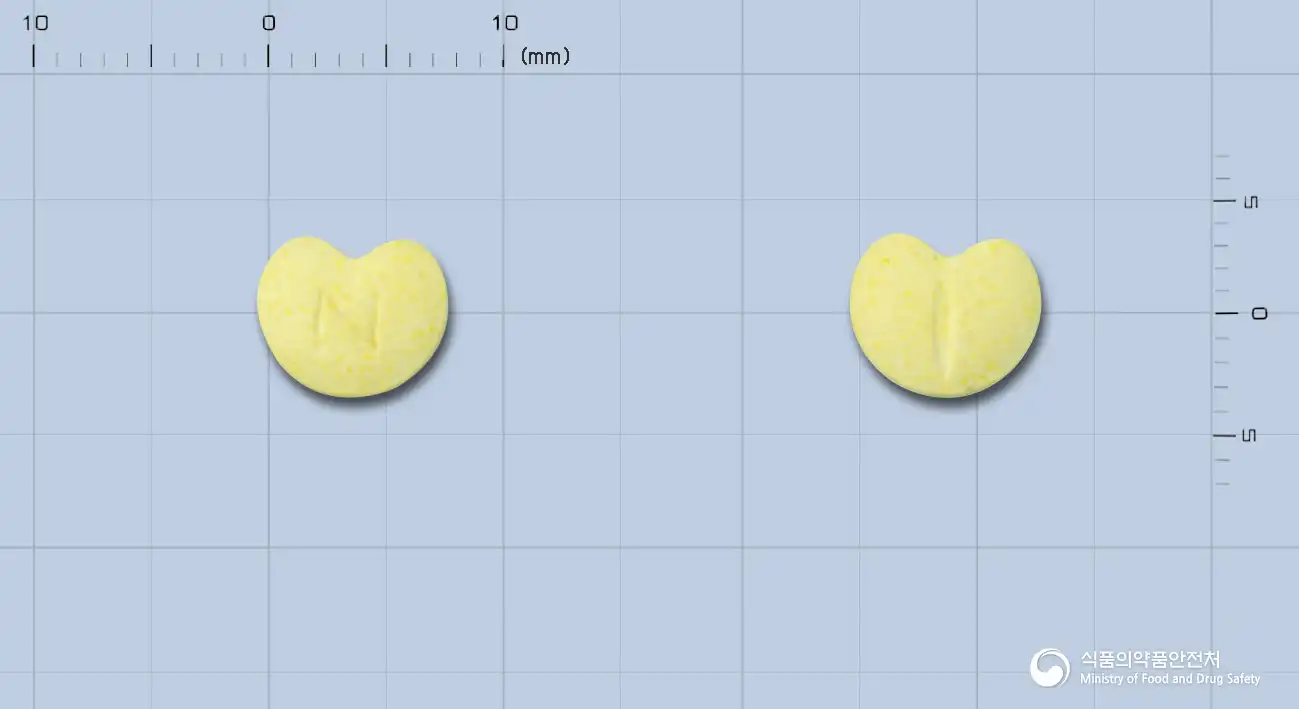
Bisoprolol Fumarate 5mg
Tablet · Prescription medication
Celix Co., Ltd.

Bisoprolol Fumarate 5mg
Tablet · Prescription medication
Ilhwa Co., Ltd.
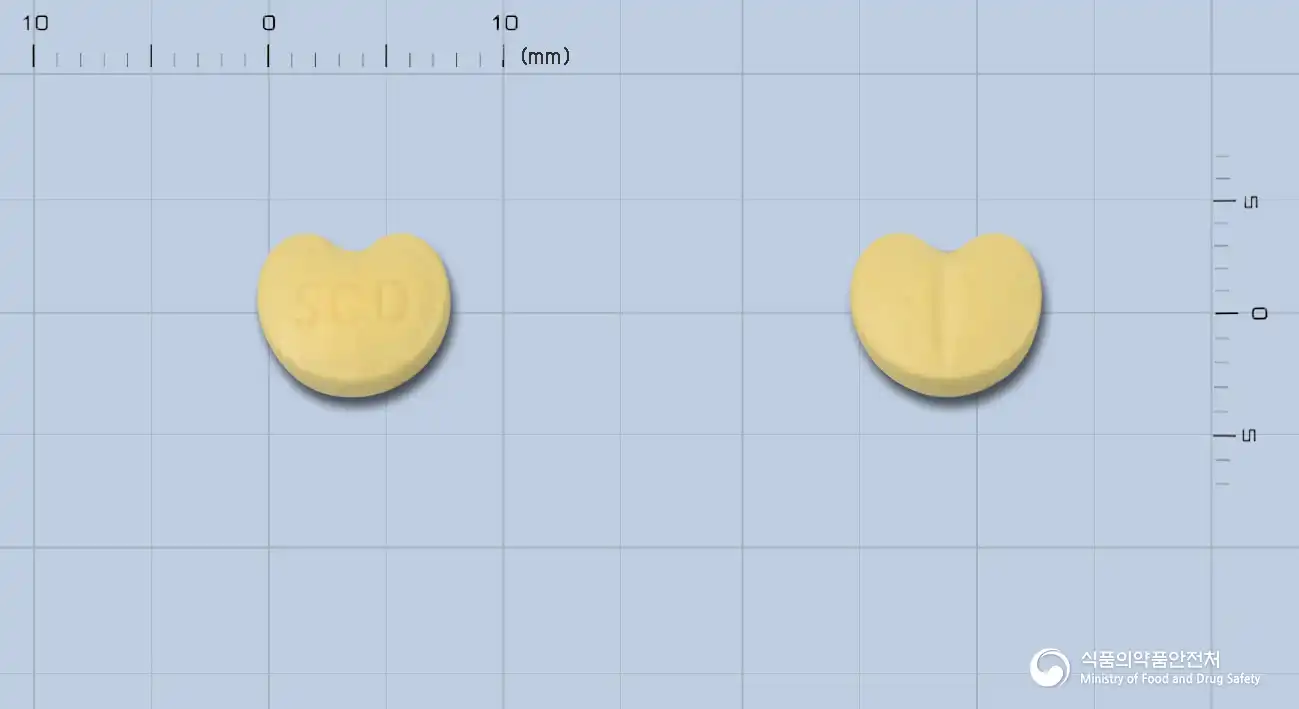
Bisoprolol Fumarate 5mg
Tablet · Prescription medication
Samchundang Pharmaceutical Co., Ltd.

Bisoprolol Fumarate 5mg
Tablet · Prescription medication
Il Yang Pharmaceutical Co., Ltd.
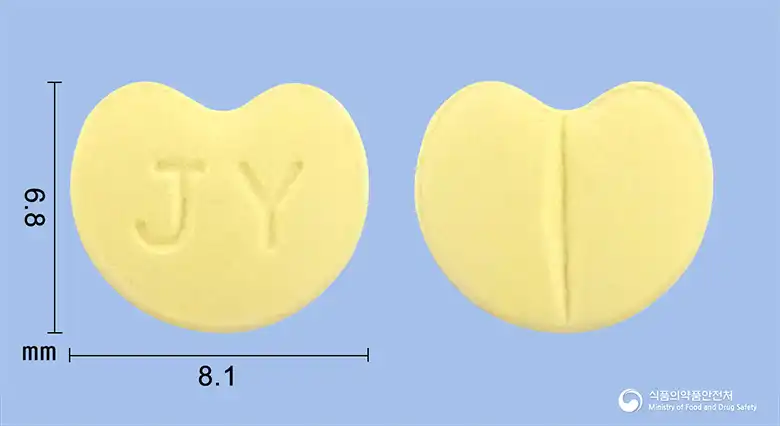
Bisoprolol Fumarate 5mg
Tablet · Prescription medication
Jinyang Pharmaceutical Co., Ltd.
Even with the same ingredient, the dose and directions can differ by strength and dosage form. Talk to a doctor or pharmacist before switching from a medication you are already taking.
No questions yet.
For anything that needs medical judgment, consult a doctor or pharmacist.
This drug information is based on data provided by the Korea Ministry of Food and Drug Safety.
Consult a doctor or pharmacist for accurate dosage, administration, and usage instructions.