
 한국어
 English
 日本語
 中文(简体)
Dosage form image
Viewing nowG-C-Tioc Acid Injection (Thioctic Acid)
Thioctic Acid 5mg
Injections · Prescription medication
Green Cross Wellbeing Co., Ltd.
MFDS item code 201405517 · Notified 2014.11.25
Supplementation when thioctic acid requirements are increased; treatment of inner ear hearing loss and Leigh syndrome
Thioctic acid is used to treat increased energy metabolism due to intense physical labor, rare encephalitis such as Leigh syndrome, and toxic inner ear hearing loss caused by drugs like streptomycin or kanamycin, as well as occupational noise-induced hearing loss. If no effect is seen after about one month of medication, do not continue use. It helps improve symptoms of these conditions.
The usual dose for adults is 10 ~ 25 mg of thioctic acid, administered intravenously, intramuscularly, or subcutaneously once daily. The dose may be adjusted appropriately according to age and symptoms.
This drug is an ampoule injection, and great care must be taken when cutting the container as glass fragments may mix in. Extra caution should be exercised when used by children or the elderly. This medication contains benzyl alcohol, which can cause life-threatening respiratory problems in premature or low-birth-weight infants, so it should not be used in newborns and premature infants. Using this medication may lead to gastrointestinal symptoms such as decreased appetite, nausea, and diarrhea. Rarely, symptoms like skin rash, headache, dizziness, and increased heart rate may also occur. Elderly patients should be especially careful, as their physical function may be weakened, and doses should be reduced accordingly. When administering this drug intravenously, it should be infused as slowly as possible to minimize side effects.
Not everyone experiences these, and they can vary from person to person.
This drug is sensitive to light and should be stored in a container that blocks light. It is also important to keep the medication at room temperature, maintaining a temperature between 1 degree and 30 degrees Celsius. This storage helps maintain the drug's efficacy and prevents deterioration.
A brown ampoule injection containing a transparent liquid of light yellow color
5mL/ampoule x 50 ampoules
Even with the same ingredient, strength, dosage form and how it is taken can differ.
Thioctic Acid 5mg
Injections · Prescription medication
Green Cross Wellbeing Co., Ltd.
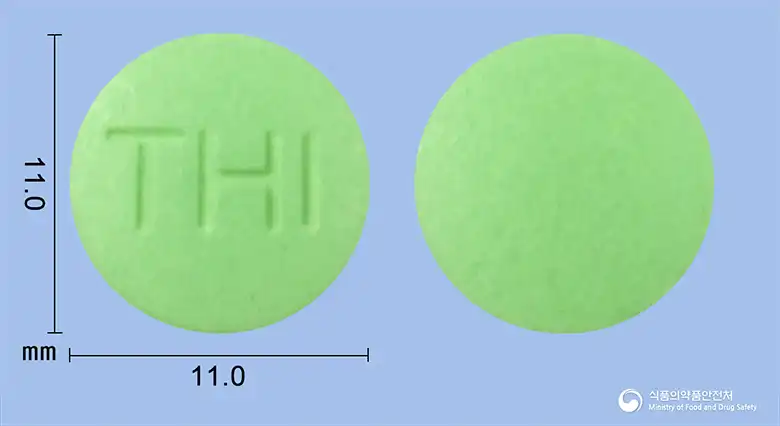
Thioctic Acid 200mg
Tablet · Prescription medication
Bukwang Pharmaceutical Co., Ltd.
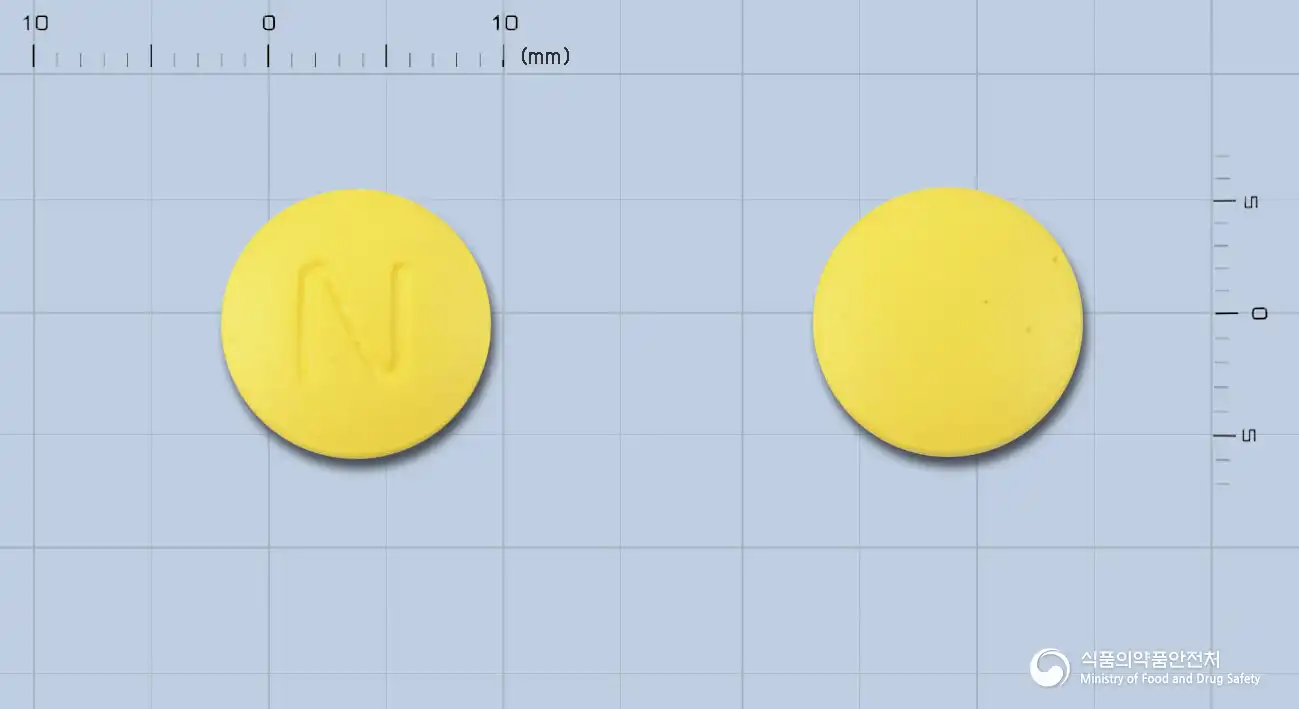
Thioctic Acid 200mg
Tablet · Prescription medication
Jongkundang Co., Ltd.
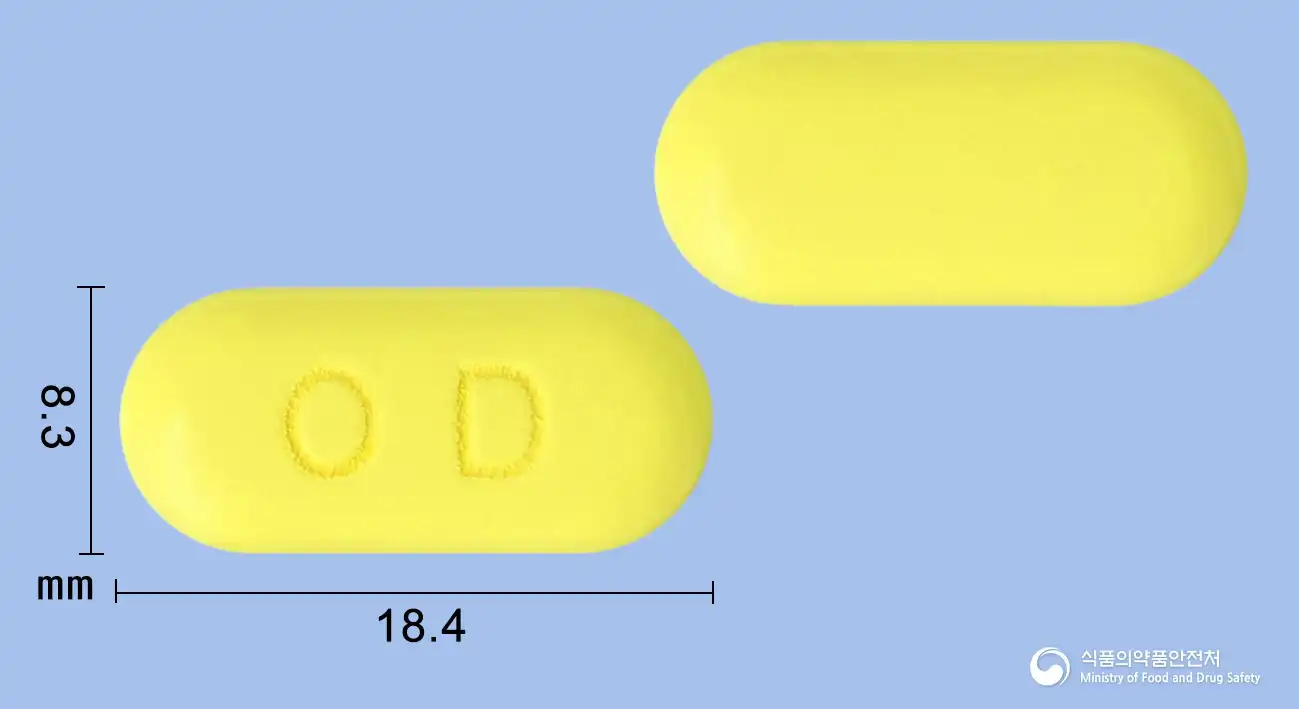
Thioctic Acid 600mg
Tablet · Prescription medication
Jongkundang Co., Ltd.
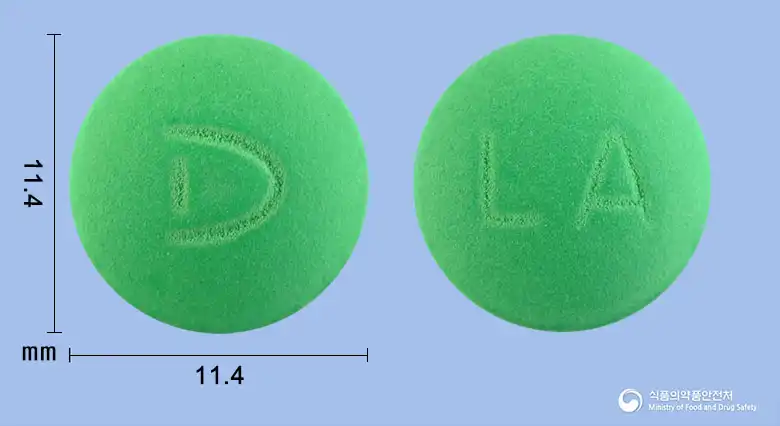
Thioctic Acid 200mg
Tablet · Prescription medication
Darim Biotech Co., Ltd.
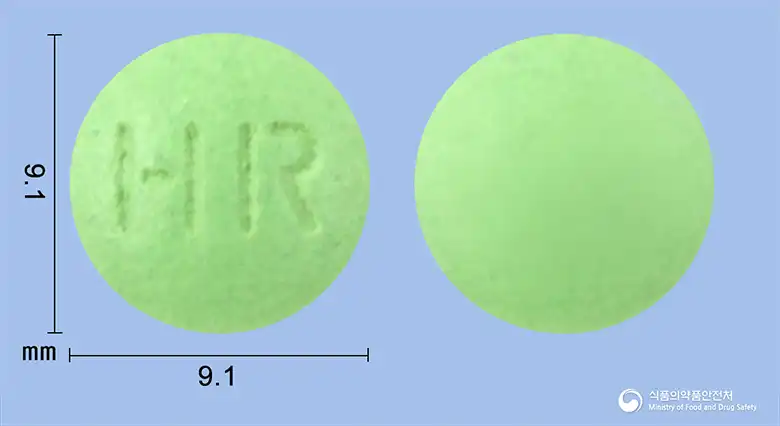
Thioctic Acid 600mg
Tablet · Prescription medication
Bukwang Pharmaceutical Co., Ltd.
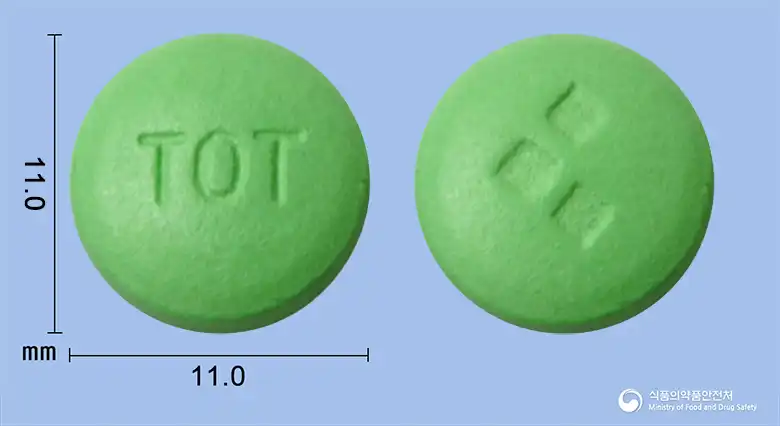
Thioctic Acid 200mg
Tablet · Prescription medication
Myungjin Pharmaceutical Co., Ltd.
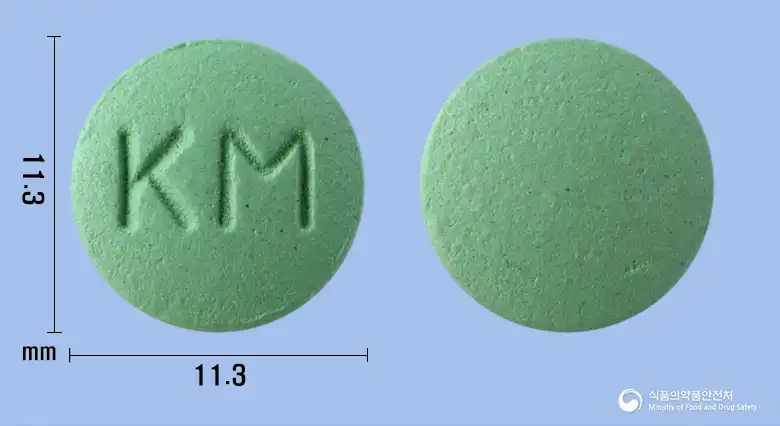
Thioctic Acid 200mg
Tablet · Prescription medication
(Huons Co., Ltd.)
Even with the same ingredient, the dose and directions can differ by strength and dosage form. Talk to a doctor or pharmacist before switching from a medication you are already taking.
No questions yet.
For anything that needs medical judgment, consult a doctor or pharmacist.
This drug information is based on data provided by the Korea Ministry of Food and Drug Safety.
Consult a doctor or pharmacist for accurate dosage, administration, and usage instructions.