
 한국어
 English
 日本語
 中文(简体)
Dosage form image
Viewing nowHydrasec 10mg (Lasecatril)
Racecadotril 10mg
Prescription medication
Korea Abbott Co., Ltd.
MFDS item code 201405412 · Approved 2014.11.20
Adjunctive treatment to replenish fluids and electrolytes in children with acute diarrhea
This medication helps replenish the body with fluids and electrolytes orally for children aged 3 months to under 12 years experiencing symptoms of acute diarrhea. It is used to effectively replenish fluids and electrolytes lost due to diarrhea to prevent dehydration and aid in the recovery of the child's condition.
Children (3 months or older and under 12 years) This medicine is administered orally with an oral rehydration solution. The recommended dose is 1.5mg/kg per dose, administered 3 times daily at regular intervals. The total daily dose should not exceed 6mg of racecadotril per kg of body weight, and the total weekly dose should not exceed 42mg of racecadotril per kg of body weight. Do not exceed 100mg per dose. Continue administration until 2 normal bowel movements have occurred. If symptoms persist for more than 5 days, seek medical advice. Treatment should not exceed 7 days, and long-term use of this medicine is not recommended. This medicine may be mixed with food, a glass of water, or infant formula; mix well and administer immediately.
This medication requires adequate hydration when treating acute diarrhea in infants. Particularly, children over 24 months should be provided with appropriate fluids considering their overall health condition. Fluid replacement should mainly occur through oral rehydration solutions, which must have proper concentrations of sodium, potassium, chloride, and glucose. For example, sodium concentration is typically 30-60 mmol/L, and a solution with 30 mmol/L sodium is used in cases of severe dehydration. Potassium and chloride are important for replenishing electrolytes lost due to diarrhea. A glucose concentration of 74-110 mmol/L is recommended, and adding amino acids or proteins does not aid in hydration or nutritional status improvement. Children should be encouraged to frequently take oral rehydration solutions every 15 minutes, and if there is weight loss due to diarrhea, sufficient fluids corresponding to 5-10% of their body weight must be supplied. If diarrhea continues or worsens, accompanied by vomiting or inability to eat normally, appropriate methods of hydration and routes of administration must be determined based on the patient's age, weight, and disease status. In cases of infectious diarrhea, appropriate treatments such as antibiotics may be required to prevent the spread of infection. Severe allergic reactions such as serious skin reactions or angioedema may occur during the use of this medication, so it should be discontinued immediately and alternative treatment sought if such symptoms arise. Patients with hypersensitivity or a history of angioedema must be particularly cautious when administering this medication, as the risk may increase if there was a previous episode of angioedema. This medication contains lactose and should not be administered to patients with fructose malabsorption or specific enzyme deficiencies. Use of this medication is not recommended for pregnant or breastfeeding women; it is also not safe for children under 3 months or patients with renal and hepatic dysfunction. The medication should not be used if there are symptoms such as blood in stool, purulent stool, fever, or antibiotic-associated diarrhea. Diabetic patients should consider the sugar content in this medication when counting their daily sugar intake. During the use of this medication, sufficient drinks containing sugars and salts should be consumed to replenish fluid losses due to diarrhea, and it is advisable to avoid spicy foods or cold beverages. This medication is known not to affect driving or operating machinery capabilities. Caution should be taken as constipation may occur in case of overdose.
Severe skin reactions, angioedema, hypersensitivity, drug reaction with eosinophilia and systemic symptoms (DRESS), tonsillitis, rash, erythema, erythema multiforme, tongue swelling, facial swelling, lip swelling, eyelid swelling, urticaria, nodular erythema, papular rash, urticaria, pruritus, anaphylactic shock, fever, rotavirus gastroenteritis, pneumonia, diarrhea, hematuria, bronchitis, bronchiolitis, nasopharyngitis, upper respiratory infection, abdominal distension, conjunctival hemorrhage, skin abrasion, diaper dermatitis, constipation
Not everyone experiences these, and they can vary from person to person.
This medication should be stored in a tightly closed container to avoid exposure to air or moisture. It is advisable to maintain the storage temperature between 1 to 30 degrees Celsius at room temperature.
White suspension for oral solution
16 packets per box
Even with the same ingredient, strength, dosage form and how it is taken can differ.
Racecadotril 10mg
Prescription medication
Korea Abbott Co., Ltd.
Racecadotril 30mg
Prescription medication
Korea Abbott Co., Ltd.
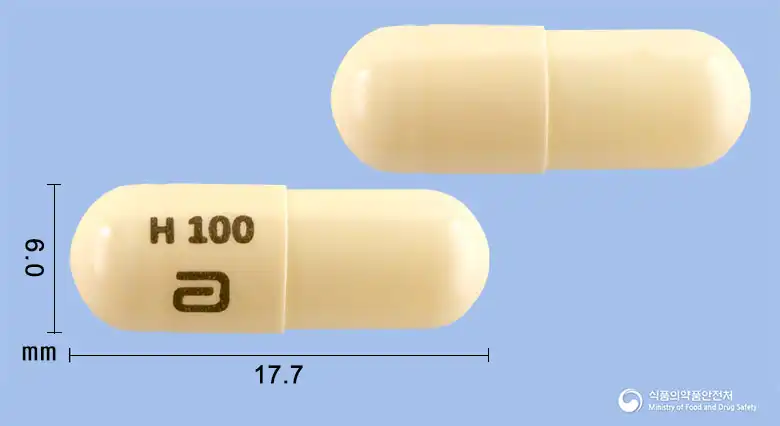
Racecadotril 100mg
Hard capsule · Prescription medication
Korea Abbott Co., Ltd.
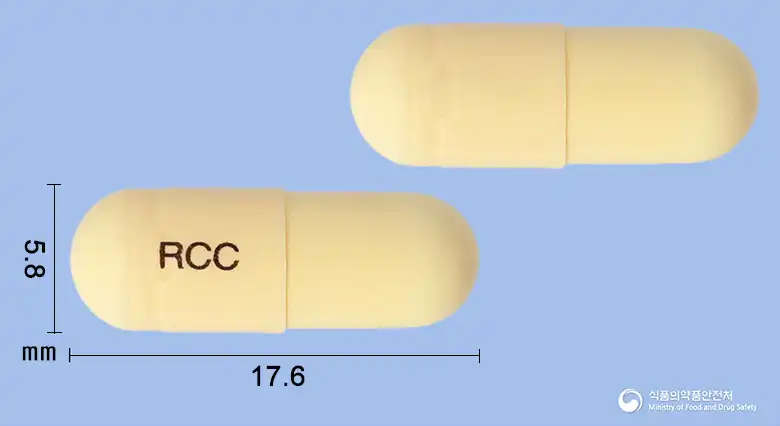
Racecadotril 100mg
Hard capsule · Prescription medication
Youngjin Pharmaceutical Co., Ltd.
Even with the same ingredient, the dose and directions can differ by strength and dosage form. Talk to a doctor or pharmacist before switching from a medication you are already taking.
No questions yet.
For anything that needs medical judgment, consult a doctor or pharmacist.
This drug information is based on data provided by the Korea Ministry of Food and Drug Safety.
Consult a doctor or pharmacist for accurate dosage, administration, and usage instructions.