
 한국어
한국어 English
 日本語
日本語 中文(简体)
Dosage form image
Viewing nowLansoprazole Capsule (Lansoprazole)
Lansoprazole 30mg
Hard capsule · Prescription medication
Kips Bio Pharma Co., Ltd.
MFDS item code 201405372 · Approved 2014.11.18
This product's status changed to Expired on 2024.11.18. It may no longer be sold, so consult a doctor or pharmacist before taking it.
Treatment of duodenal ulcers and gastric ulcers (active, NSAID-induced), eradication of Helicobacter pylori, treatment and maintenance of gastroesophageal reflux disease and erosive esophagitis, and inhibition of hypersecretion states.
This medication is used for the short-term treatment of active duodenal ulcers and gastric ulcers. It also eradicates Helicobacter pylori infections to prevent recurrence of duodenal ulcers and is effective for maintenance therapy after treatment. It helps in the treatment of gastric ulcers caused by non-steroidal anti-inflammatory drugs (NSAIDs) and reduces the risk of occurrence. It is used for the short-term treatment and maintenance of gastroesophageal reflux disease and erosive esophagitis. Finally, it is effective for pathological hypersecretion states, including Zollinger-Ellison syndrome, making it useful for various gastrointestinal disorders.
This medication should be taken before meals. If swallowing the capsule is difficult, it can be opened and mixed with a small amount (60 mL) of orange juice or tomato juice and taken immediately. 1. Short-term treatment of active duodenal ulcer: 15 mg once daily for 4 weeks orally 2. Short-term treatment of active benign gastric ulcer: 30 mg once daily for 8 weeks orally 3. Eradication of Helicobacter pylori to prevent recurrence of duodenal ulcers: 30 mg
Children and adolescents aged 12-17: 1. Short-term treatment of symptoms related to non-erosive gastroesophageal reflux disease: 15 mg once daily for 8 weeks 2. Short-term treatment of erosive esophagitis: 30 mg once daily for 8 weeks
This medication should not be used by individuals with hypersensitivity to certain ingredients or those allergic to benzimidazoles. Those allergic to penicillin or macrolide antibiotics should also avoid this medication. It is advisable to avoid this drug if you are taking certain heart-related medications, are pregnant, or have lactose intolerance. Patients with a history of drug allergies, poor liver function, elderly individuals, breastfeeding women, and children should use this drug with caution. Serious side effects such as severe allergic reactions, blood disorders, liver dysfunction, and skin rashes may occur, so if any abnormal symptoms appear, discontinue usage immediately and consult a physician. Regular monitoring is necessary as long-term use may lead to vitamin B12 deficiency or increased fracture risk. This medication inhibits gastric acid secretion and may affect the absorption of other drugs, so be cautious of interactions with other medications. Consultation with a physician is necessary, especially when taking certain antivirals, antibiotics, or anticoagulants. It is safest to avoid use during pregnancy as it may affect the fetus, and breastfeeding women should either avoid using it or discontinue breastfeeding. In children, safety and effectiveness have not been adequately established, so follow professional guidance. In cases of overdose, gastric lavage or treatment according to symptoms may be necessary, and it should be kept out of reach of children. This medication should be used only after confirming that symptoms such as gastric ulcers or gastrointestinal bleeding are not caused by malignancy, and it is preferable to use the minimum effective dose for the appropriate duration during long-term use. Caution is needed while driving or operating machinery, as dizziness or drowsiness may occur during usage.
Hives, severe swelling (edema), chest tightness, difficulty breathing, cold sweat, pallor, severe rash with high fever, blisters, peeling skin, pain in mouth/eyes mucosa, shortness of breath or difficulty breathing, asthma attacks, respiratory abnormalities accompanied by cough and fever, yellowing of the skin or eyes (jaundice), extreme lethargy, sudden and severe headache, lightning headache, seizures, confusion, visual disturbances, paralysis, urination
Not everyone experiences these, and they can vary from person to person.
This medication may be sensitive to air or moisture, so it must be stored in a tightly sealed container. It is best to keep it at room temperature between 1°C and 30°C, which will help maintain the effectiveness of the medication for an extended period.
A hard capsule filled with white granules that are white to light brown, with a green upper part and a white lower part.
28 capsules/bottle
Even with the same ingredient, strength, dosage form and how it is taken can differ.
Lansoprazole 30mg
Hard capsule · Prescription medication
Kips Bio Pharma Co., Ltd.
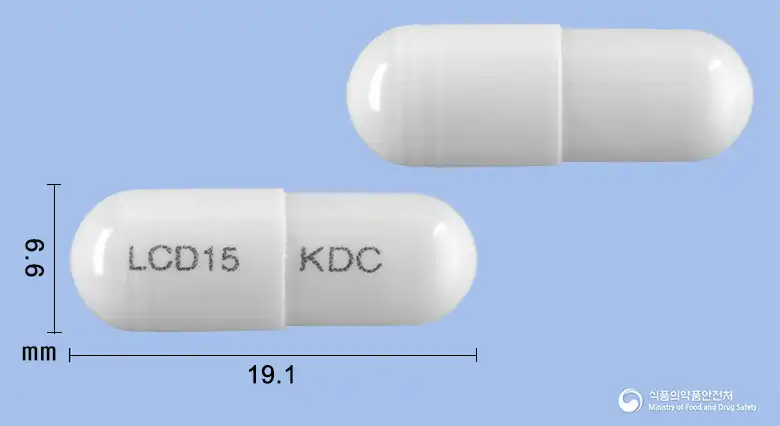
Lansoprazole 15mg
Hard capsule · Prescription medication
Korea Pharmaceutical Co., Ltd.
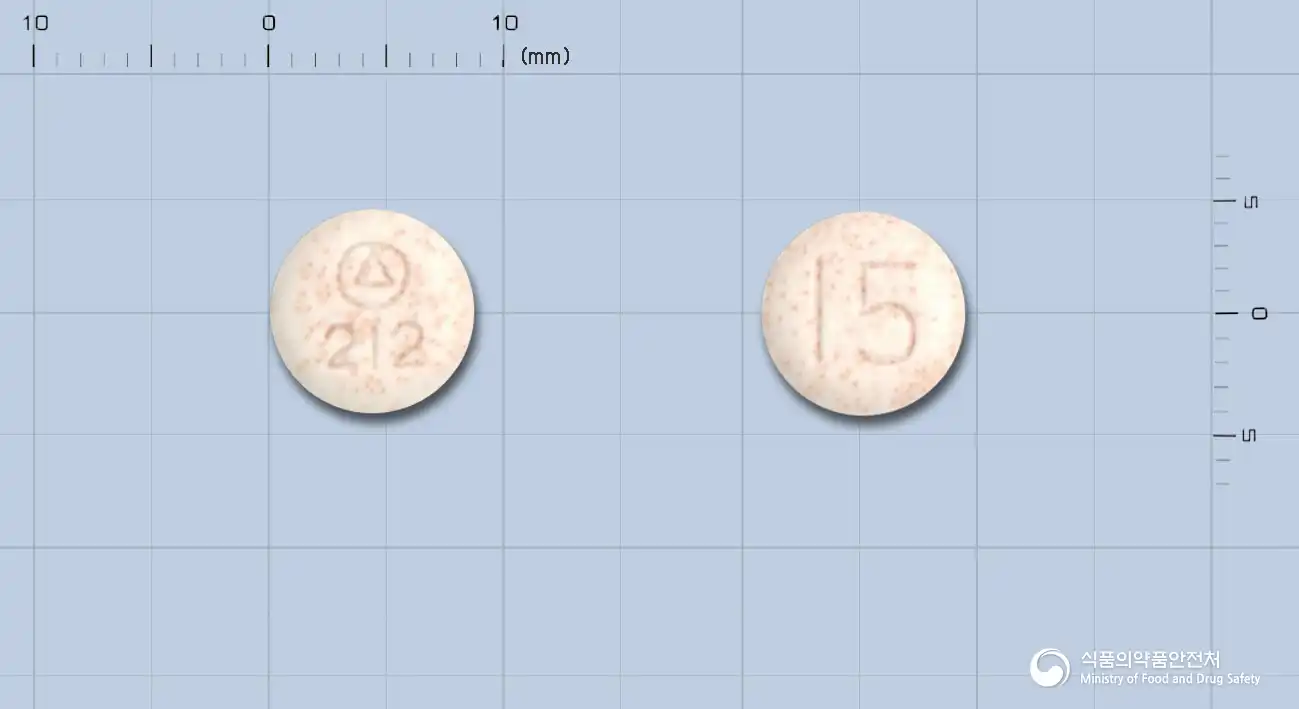
Lansoprazole 15mg
Orally disintegrating Tablet · Prescription medication
Takeda Pharmaceuticals Korea Co., Ltd.
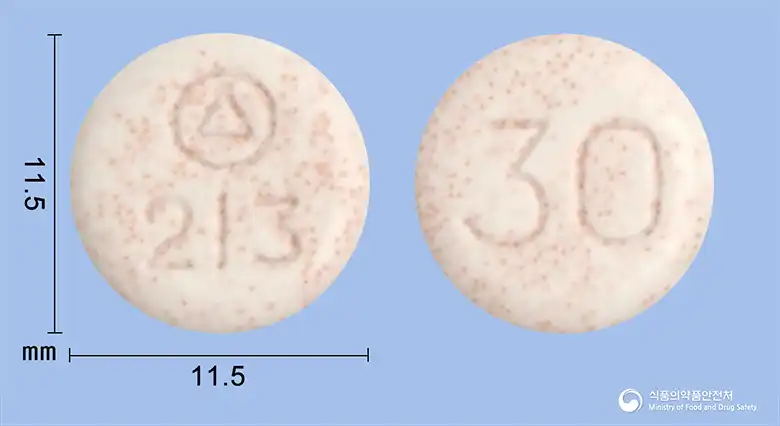
Lansoprazole 30mg
Orally disintegrating Tablet · Prescription medication
Takeda Pharmaceuticals Korea Co., Ltd.
Lansoprazole 15mg
Tablet · Prescription medication
Samil Pharmaceutical Co., Ltd.
Lansoprazole 30mg
Hard capsule · Prescription medication
Kwangdong Pharmaceutical Co., Ltd.
Lansoprazole 30mg
Hard capsule · Prescription medication
Aprogen Biologics Co., Ltd.
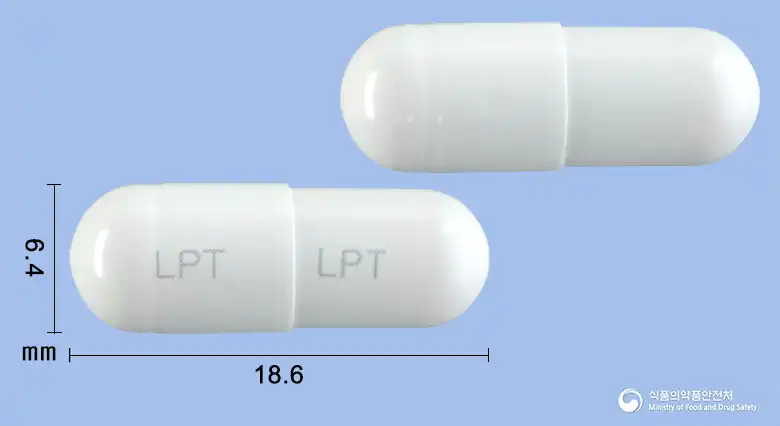
Lansoprazole 30mg
Hard capsule · Prescription medication
Samchundang Pharmaceutical Co., Ltd.
Even with the same ingredient, the dose and directions can differ by strength and dosage form. Talk to a doctor or pharmacist before switching from a medication you are already taking.
No questions yet.
For anything that needs medical judgment, consult a doctor or pharmacist.
This drug information is based on data provided by the Korea Ministry of Food and Drug Safety.
Consult a doctor or pharmacist for accurate dosage, administration, and usage instructions.