
 한국어
 English
 日本語
 中文(简体)
 Viewing now
Monimagen 350 mg (Moniflumate)
Morniflumate 350mg
Prescription medication
Ilhwa Co., Ltd.
MFDS item code 201405103 · Approved 2014.10.31 · Insurance code 640902870
Relief of pain and inflammation associated with osteoarticular, otorhinolaryngological, and respiratory diseases
This medication is effective for various inflammatory conditions such as laryngitis, bronchitis, and sinusitis, which are respiratory diseases, as well as otitis media, tonsillitis, and pharyngitis. It is also used for osteoarticular diseases to help alleviate pain and inflammation. Overall, this medication is used to reduce pain and relieve inflammation.
Adults: The initial dose is 350 mg of moflumate twice daily. Depending on the patient, the dose may be increased up to a maximum of 700 mg twice daily. It is preferable to start this product at a low dose and increase it to the effective dose. Adjust the dose appropriately according to age and symptoms.
This medication may cause serious side effects, such as gastrointestinal bleeding, in individuals who regularly consume more than three alcoholic beverages per day; therefore, one must consult a doctor or pharmacist. This medication belongs to the non-steroidal anti-inflammatory drug (NSAID) class, and it can increase the risk of cardiovascular diseases, with the potential for serious issues such as myocardial infarction or stroke, so individuals with a history of cardiovascular disease or risk factors should exercise special caution. This medication can cause serious gastrointestinal adverse reactions such as bleeding, ulcers, and perforation, particularly in the elderly or those with a history of gastrointestinal disorders, therefore gastrointestinal symptoms should be monitored closely during use. Allergic reactions, including anaphylactic shock, can rarely occur, and sudden allergic reactions may arise even in those who have not previously been exposed to this medication or similar drugs, so if symptoms occur, one should discontinue use and consult a medical professional immediately. Pain or symptoms associated with inflammation can mask the diagnosis of infectious complications, so caution should be exercised when using this medication in cases where infection is suspected, alongside appropriate antimicrobials. Individuals with peptic ulcers, gastrointestinal bleeding, severe liver or kidney diseases, heart failure, hypertension, allergies to aspirin or other NSAIDs, pregnant women, nursing mothers, children, and infants should not take this medication. Patients with blood disorders, bleeding tendencies, liver or kidney impairment, a history of hypersensitivity, and the elderly require special caution when using this medication, and such patients need careful monitoring and management by a physician. During usage, various side effects such as nausea, vomiting, abdominal pain, diarrhea, skin rash, liver dysfunction, renal impairment, and neurologic symptoms may occur, thus if any abnormal symptoms arise, immediate consultation with medical personnel is required. This medication should be used at the minimum effective dosage for the shortest duration possible, and regular blood tests and liver/kidney function tests are necessary for long-term use. Interactions may occur when taken with other NSAIDs, glucocorticoids, ACE inhibitors, diuretics, lithium, methotrexate, anticoagulants, etc., so if you are taking any other medications, be sure to inform your healthcare provider. Particularly in the later stages of pregnancy, this medication may be harmful to the fetus, so women of childbearing potential should use this cautiously, starting at a low dose and closely monitoring for side effects, especially in the elderly. This medication may remain in the esophagus and cause ulcers, so it should be taken with sufficient amounts of water and should not be taken on an empty stomach or just before bedtime. In case of overdose, vomiting, gastric lavage, symptomatic treatment, and prompt medical attention are required.
Not everyone experiences these, and they can vary from person to person.
This medication should be stored in a tightly sealed container to prevent air or moisture from entering. It is best stored at room temperature, between 1 degree Celsius and 30 degrees Celsius.
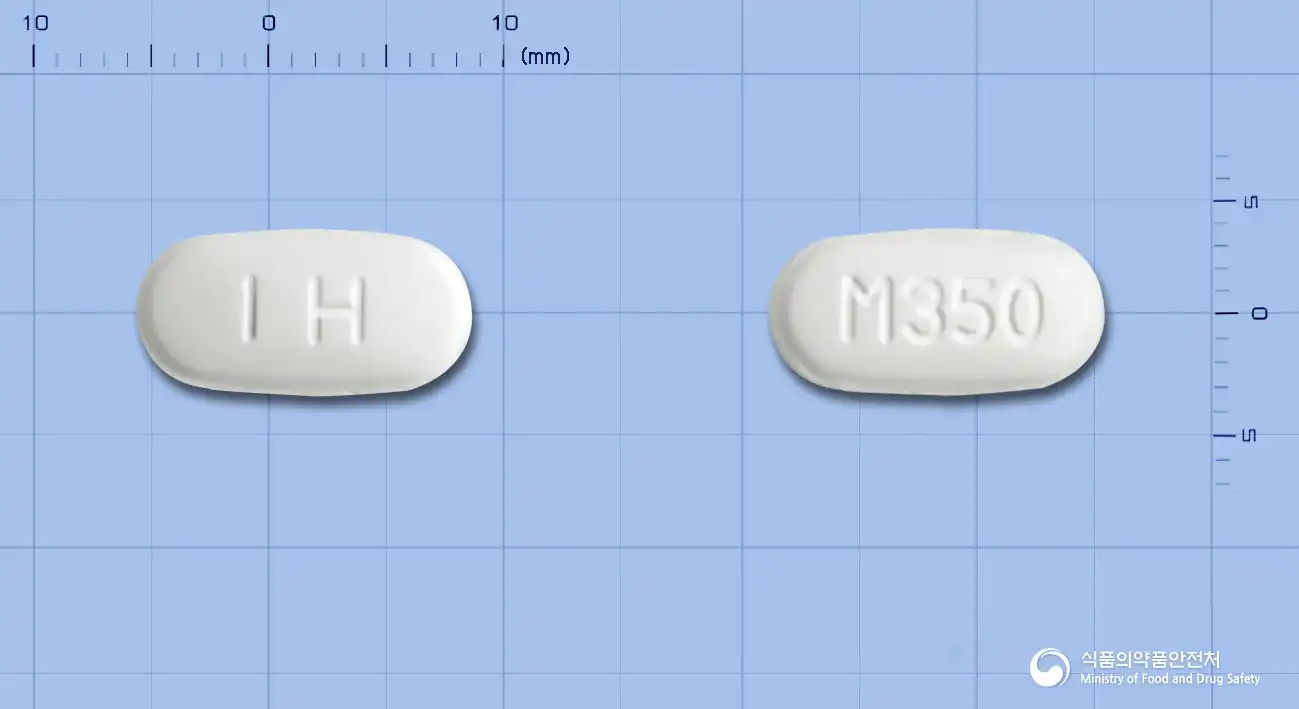
Cream-colored oval tablets
30 tablets/bottle, 300 tablets/bottle
Even with the same ingredient, strength, dosage form and how it is taken can differ.
Viewing nowMorniflumate 350mg
Prescription medication
Ilhwa Co., Ltd.
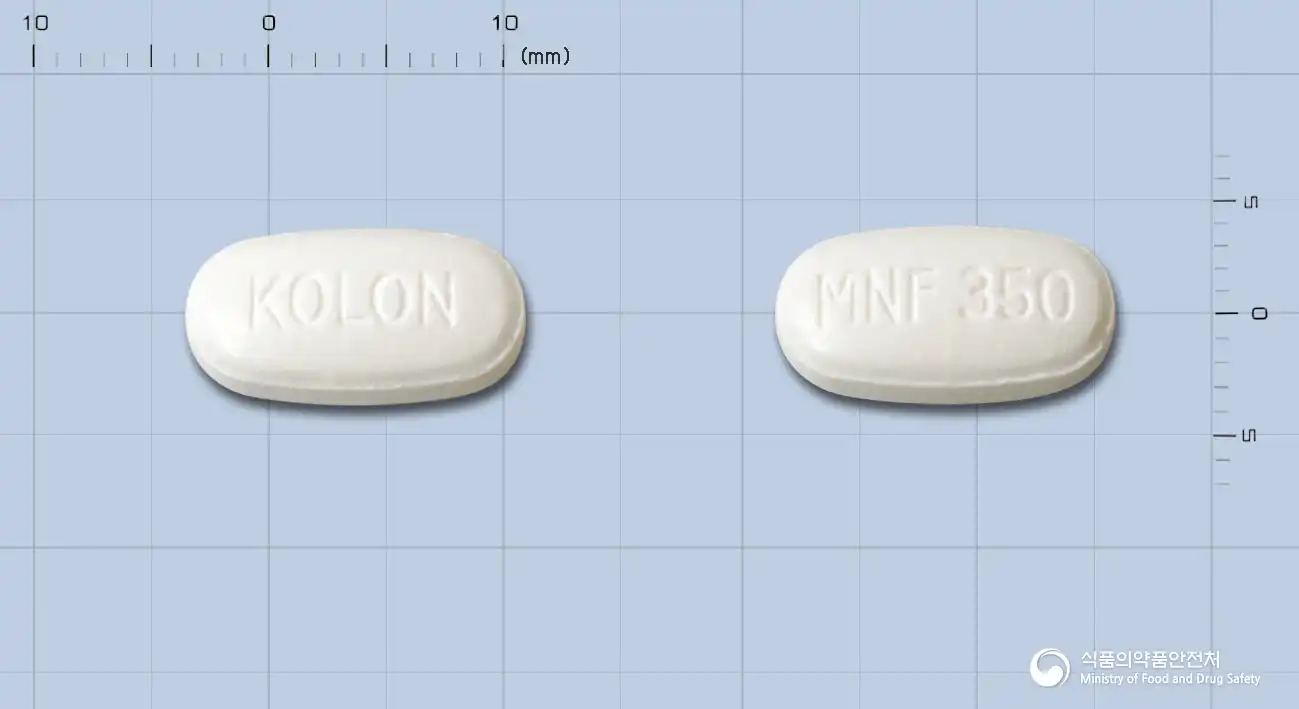
Morniflumate 350mg
Prescription medication
Kolon Pharmaceutical Co., Ltd.
Morniflumate 350mg
Cream · Prescription medication
Dongkwang Pharmaceutical Co., Ltd.
Morniflumate 350mg
Cream · Prescription medication
Anguk Pharmaceutical Co., Ltd.
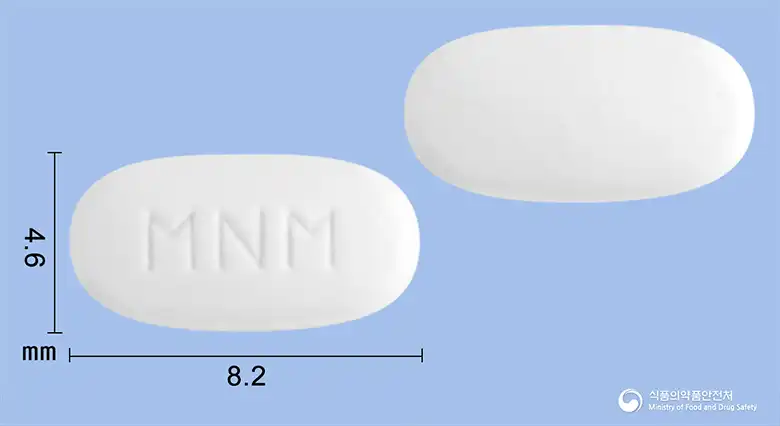
Morniflumate 350mg
Prescription medication
McNealty Pharmaceuticals Co., Ltd.

Morniflumate 350mg
Prescription medication
TerraGen Exotech Co., Ltd.
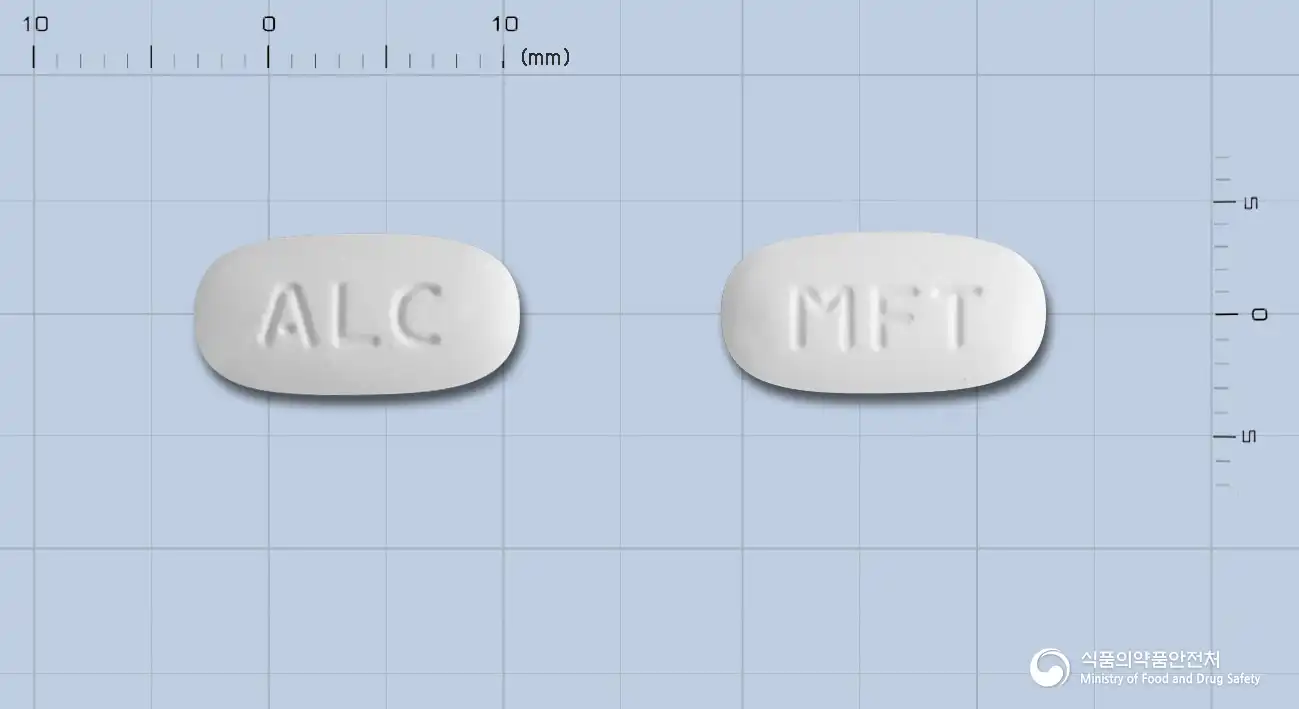
Morniflumate 350mg
Prescription medication
Allico Pharmaceutical Co., Ltd.
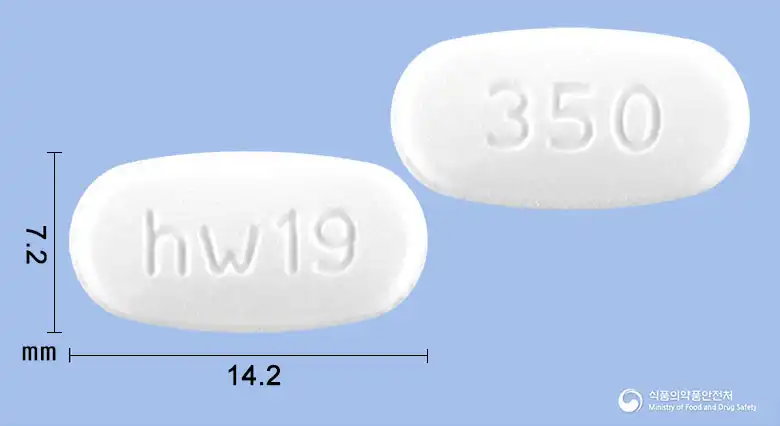
Morniflumate 350mg
Prescription medication
Hawon Pharmaceutical Co., Ltd.
Even with the same ingredient, the dose and directions can differ by strength and dosage form. Talk to a doctor or pharmacist before switching from a medication you are already taking.
No questions yet.
For anything that needs medical judgment, consult a doctor or pharmacist.
This drug information is based on data provided by the Korea Ministry of Food and Drug Safety.
Consult a doctor or pharmacist for accurate dosage, administration, and usage instructions.