
 한국어
 English
 日本語
 中文(简体)
Dosage form image
Viewing nowCombinationNesina Act Tablets 12.5/30 mg
Alogliptin Benzoate 17mg · Pioglitazone Hydrochloride 33.06mg
Tablet · Prescription medication · Combination
Celltrion Pharma Co., Ltd.
MFDS item code 201404898 · Approved 2014.10.24
This product's status changed to Expired on 2024.05.31. It may no longer be sold, so consult a doctor or pharmacist before taking it.
Improvement of glycemic control in patients with type 2 diabetes mellitus
This medication helps improve blood sugar control in patients with type 2 diabetes by combining alogliptin and pioglitazone. When used alongside dietary management and exercise, it effectively manages blood sugar levels. It aids in better management of diabetes and reduces the risk of complications. Therefore, it improves blood sugar control in patients with type 2 diabetes as an adjunct to dietary and exercise therapies.
This medicine is administered once daily, with or without food. Do not split the tablets. The recommended starting doses of this medicine (alogliptin/pioglitazone) are as follows. ● For patients with no prior history of antidiabetic drug treatment who do not achieve adequate glycemic control with monotherapy: Administer this medicine 25mg/15mg. ● For patients who do not achieve adequate glycemic control with metformin monotherapy: Administer this medicine 25mg/15mg. ● For patients who do not achieve adequate glycemic control with pioglitazone monotherapy: Administer this medicine 25mg/15mg or 25mg/30mg, depending on the current treatment regimen. ● For patients who do not achieve adequate glycemic control with combination therapy of pioglitazone and metformin: Administer this medicine 25mg/15mg or 25mg/30mg, depending on the current treatment regimen. ● Replacement of combination therapy with alogliptin and pioglitazone: When switching from combination therapy with alogliptin and pioglitazone to this medicine, start at the current doses of alogliptin and pioglitazone. This medicine may be increased to a maximum of 25mg/30mg once daily according to the glycemic response. When starting treatment with this medicine or increasing the dose, closely monitor the patient for adverse reactions associated with fluid retention observed with pioglitazone use (e.g., weight gain, edema, and signs and symptoms of congestive heart failure). Patients with renal impairment - Patients with mild renal impairment (creatinine clearance ≥50 mL/min): No dose adjustment is required. - Patients with moderate renal impairment (creatinine clearance ≥30~ <50 mL/min): Administer this medicine 12.5 mg/15 mg or 12.5 mg/30 mg once daily. - This medicine should not be administered to patients with severe renal impairment or end-stage renal disease. - Because dose adjustment may be necessary depending on renal function, assessment of renal function is recommended before starting treatment with this medicine and periodically thereafter.
This medication can put stress on the heart in some patients, potentially causing or worsening a condition known as congestive heart failure. Therefore, after starting this medication or increasing the dosage, careful monitoring for symptoms of heart failure such as sudden weight gain, shortness of breath, or swelling should be carried out. If symptoms of heart failure develop, appropriate medical treatment should be sought immediately, and discontinuation or dosage adjustment of this medication should be considered. This medication should not be used by patients with heart failure and is not recommended for patients with symptoms of heart failure. Since this medication can cause fluid retention, it is crucial to continuously monitor for symptoms of fluid retention or heart failure. Additionally, reports have associated this medication with bladder cancer, so if new or worsening symptoms such as hematuria, urinary disorders, or urgency occur, a doctor should be informed immediately. This medication is contraindicated in patients with hypersensitivity to it or certain diabetes conditions, heart failure, liver dysfunction, severe renal impairment, or active bladder cancer. Patients with renal impairment, premenopausal women, those with edema, or the elderly should use this medication with caution, and dosage adjustments might be necessary when used with other medications that increase the risk of hypoglycemia. This medication can affect liver function, so regular liver function tests should be conducted before and during treatment, and if any symptoms of liver dysfunction occur, healthcare professionals should be informed immediately. During the course of treatment, there may be adverse reactions such as edema, weight gain, increased risk of fractures, vision decline, macular edema, severe joint pain, and blistering skin conditions, so careful attention is required. Women who are pregnant or may become pregnant, and nursing mothers should not use this medication. In case of overdose, appropriate measures should be taken as directed by healthcare professionals, and it should be kept out of reach of children.
Congestive heart failure, excessive and rapid weight change, dyspnea, edema, fluid retention, edema, hypoglycemia, influenza, nasopharyngitis, low back pain, upper respiratory infection, headache, sinusitis, myalgia, pharyngitis, pancreatitis, hypersensitivity reaction, serum sickness, platelet disorder, tendinitis, fractures, costochondritis, leg fracture, upper limb fracture, spinal fracture, rhabdomyolysis, thyroid carcinoma, lung cancer, pulmonary adenocarcinoma, acute pancreatitis, diarrhea, gastric ulcer, exacerbation of gastritis, hemorrhagic gastric ulcer, appendicitis, appendicitis, hyperglycemia, exacerbation of diabetes, acidosis, dyspnea, exacerbation of asthma, exacerbation of pneumonia, respiratory arrest, abscess, infection, wound defect, chest discomfort, low back pain, generalized edema, systemic weakness, liver cirrhosis, cholelithiasis, acute renal failure, nephrolithiasis, renal dysfunction, myocardial infarction, angina pectoris, anorexia, cerebral infarction, transient ischemic attack, laceration, exacerbation of atrial fibrillation, speech disturbance, platelet disorder, contusion, anorexia, depression, hypersensitivity, erectile dysfunction, insomnia, sleep disorders, benign prostatic hyperplasia, orthostatic hypotension, hypotension, tinnitus, acute hearing loss, Meniere's disease, coronary artery occlusion, exacerbation of angina, bradycardia, palpitations, cerebral infarction, transient ischemic attack, hypothyroidism, nodular thyroid disease, diarrhea, dyspepsia, vomiting, cough, sputum disorders, bronchitis, rhinitis, pharyngitis, chest pain, back pain, hyperglycemia, hyperlipidemia, diabetes complications, dyslipidemia, increased triglycerides, dizziness, vertigo, cerebral disorder, arthralgia, neck and shoulder pain, pruritus, diabetic retinopathy, increased ALT, increased AST, benign prostatic hyperplasia, hypertension, tendon rupture, itching, onychomycosis, pyelonephritis, ureteral stones, hematuria, acute renal failure, cystitis, exacerbation of cystitis, frequent urination, nephrolithiasis, neurogenic bladder, renal cyst, urethritis, conjunctivitis, glaucoma, macular degeneration, cataract, keratitis, retinal disease, retinal disorder, retinal disease, herpes zoster, insomnia, leg fracture, metabolic and nutritional disorder hyperglycemia, increased blood glucose levels, constipation, intestinal air retention, asthma, bronchitis, pneumonia, rhinitis, pharyngitis, dizziness, poisoning, sensory abnormalities, leg fracture, tendon rupture, herpes zoster, hypertension, insomnia, itching, pyelonephritis, ureteral stones, contusion, benign prostatic hyperplasia
Not everyone experiences these, and they can vary from person to person.
This medication should be stored in a tightly closed container to protect it from air and moisture and is safe to store at room temperature between 1 to 30 degrees Celsius. Proper storage helps maintain the drug's efficacy.
Light pink, bilaterally convex, circular film-coated tablets
28 tablets/carton
Even with the same ingredient, strength, dosage form and how it is taken can differ.
Alogliptin Benzoate 17mg · Pioglitazone Hydrochloride 33.06mg
Tablet · Prescription medication · Combination
Celltrion Pharma Co., Ltd.
Alogliptin Benzoate 34mg · Pioglitazone Hydrochloride 16.53mg
Tablet · Prescription medication · Combination
Celltrion Pharmaceutical Co., Ltd.
Alogliptin Benzoate 34mg · Pioglitazone Hydrochloride 33.06mg
Tablet · Prescription medication · Combination
Celltrion Healthcare Co., Ltd.
Alogliptin Benzoate 17mg · Pioglitazone Hydrochloride 16.53mg
Tablet · Prescription medication · Combination
Celltrion Pharmaceutical Co., Ltd.
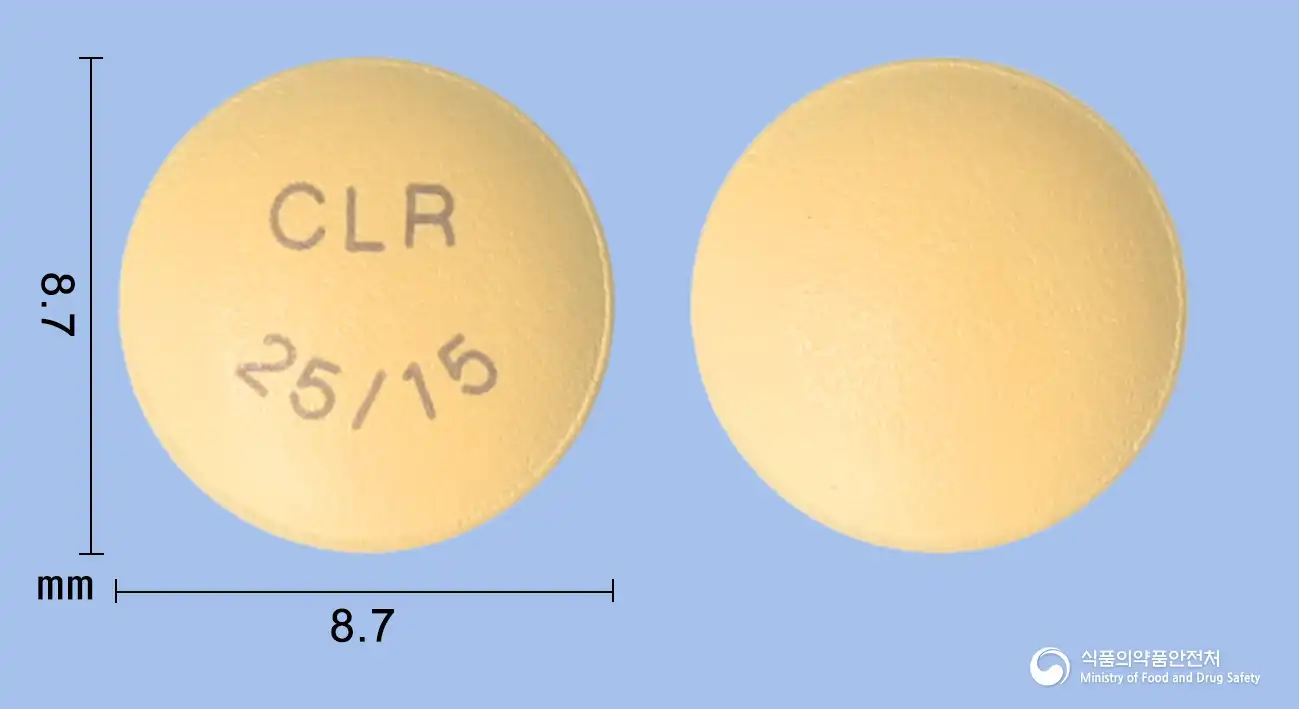 Combination
Alogliptin Benzoate 34mg · Pioglitazone Hydrochloride 16.53mg
Tablet · Prescription medication · Combination
Celltrion Pharmaceutical Co., Ltd.
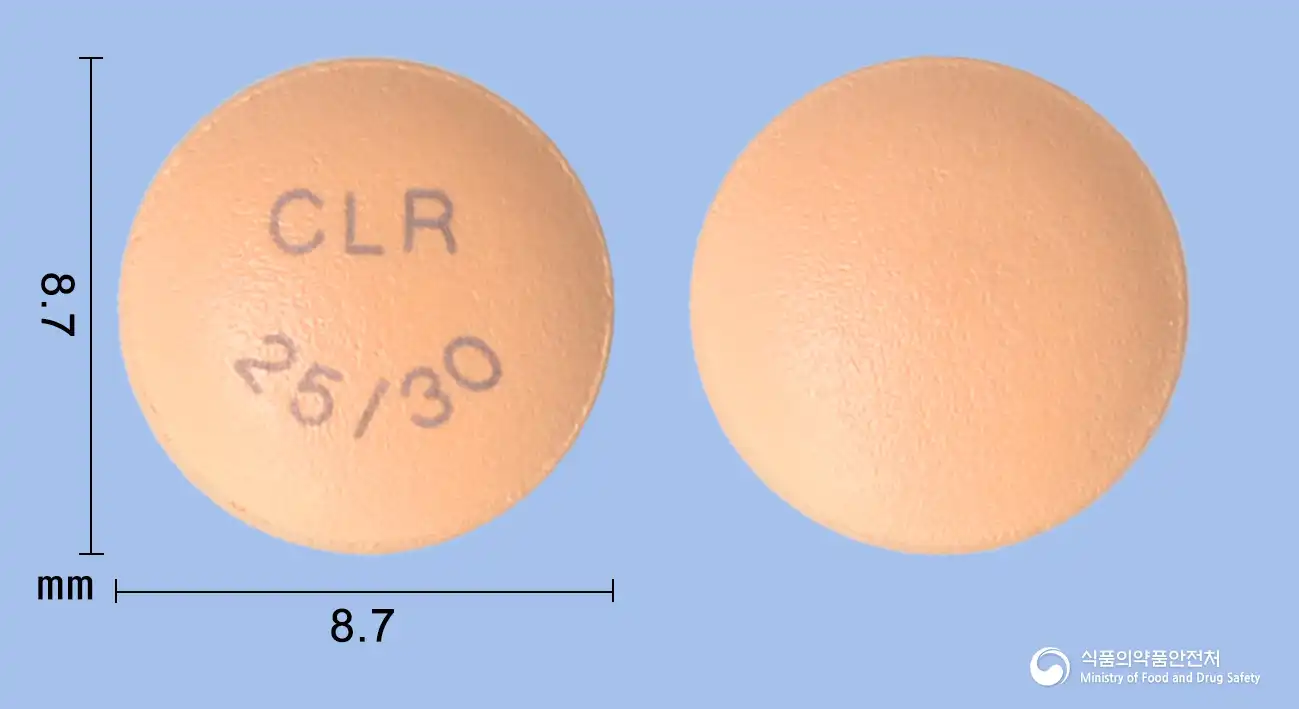 Combination
Alogliptin Benzoate 34mg · Pioglitazone Hydrochloride 33.06mg
Tablet · Prescription medication · Combination
Celltrion Pharmaceutical Co., Ltd.
Even with the same ingredient, the dose and directions can differ by strength and dosage form. Talk to a doctor or pharmacist before switching from a medication you are already taking.
No questions yet.
For anything that needs medical judgment, consult a doctor or pharmacist.
This drug information is based on data provided by the Korea Ministry of Food and Drug Safety.
Consult a doctor or pharmacist for accurate dosage, administration, and usage instructions.