
 한국어
한국어 English
 日本語
日本語 中文(简体)
Dosage form image
Viewing nowCombinationNesina Act Tablet 25/30 mg
Alogliptin Benzoate 34mg · Pioglitazone Hydrochloride 33.06mg
Tablet · Prescription medication · Combination
Celltrion Healthcare Co., Ltd.
MFDS item code 201404897 · Approved 2014.10.24
This product's status changed to Approval withdrawn on 2024.12.16. It may no longer be sold, so consult a doctor or pharmacist before taking it.
Improvement of blood sugar control in type 2 diabetes
This medication helps patients with type 2 diabetes further improve their blood sugar control in conjunction with dietary and exercise therapy. It effectively manages blood sugar levels through the combined administration of alogliptin and pioglitazone, helping to prevent complications of diabetes. Therefore, it is used effectively for blood sugar control in patients with type 2 diabetes.
This medication is administered once a day regardless of meals. The tablets should not be divided. The recommended starting doses are as follows: - For patients with no prior experience of diabetes medication treatment and difficulty in blood sugar control with monotherapy: administer 25 mg/15 mg. - For patients who have difficulty in blood sugar control with metformin monotherapy: administer 25 mg/15 mg. - For patients who have difficulty in blood sugar control with pioglitazone monotherapy: administer 25 mg/15 mg or 25 mg/30 mg.
This medication may put strain on the heart in some patients, potentially worsening or newly causing heart failure. Therefore, after starting or increasing the dosage of this medication, careful observation of symptoms of heart failure such as weight changes, shortness of breath, and swelling is necessary. Patients with heart failure or a history of heart failure should not take this medication and should immediately consult a doctor if symptoms occur. Moreover, this medication may cause fluid retention leading to edema, which may be associated with heart failure, so caution is needed. This medication should not be administered to patients with certain genetic diseases or severely impaired liver or kidney function, patients with bladder cancer, pregnant women, or women who may become pregnant. During administration, if there are any bladder-related symptoms such as hematuria or urinary disorders, patients should inform their doctor immediately. This medication can cause hypoglycemia, so caution should be exercised for symptoms of hypoglycemia when used in combination with glucose-lowering agents like insulin or sulfonylureas, and dosage adjustment may be necessary. Additionally, this medication may affect liver function, so liver function tests should be performed prior to administration, and if any abnormal liver function symptoms develop during usage, immediate consultation with medical personnel is required. For premenopausal women, this medication may induce ovulation and increase the risk of pregnancy, so proper contraception is recommended. If severe joint pain or blistering skin conditions occur while taking this medication, it must be reported to a doctor immediately and treated. The elderly, patients with deteriorating kidney function, those who consume excessive alcohol, and patients with poor nutritional status should use this medication with caution. Lastly, the safety and efficacy of this medication for children have not been established, and it is advisable for breastfeeding women to avoid its use.
Congestive heart failure, symptoms and signs of heart failure (including excessive and rapid weight change, difficulty breathing, edema), angioedema, hives, Stevens-Johnson syndrome, severe skin adverse reactions, severe allergic reactions, severe edema or urination problems (gross hematuria, urinary disorders, urgency), acute pancreatitis, severe liver abnormalities (fatal and non-fatal liver failure, jaundice), severe neurological symptoms, severe respiratory problems (difficulty breathing, asthma exacerbation)
Not everyone experiences these, and they can vary from person to person.
This medication may be sensitive to air or moisture, so it should be stored in a tightly sealed container. It is best to maintain the storage temperature between 1 degree and 30 degrees Celsius at room temperature. Storing it this way will help to safely preserve the efficacy of the medication.
Pink, biconvex round film-coated tablet
28 tablets (7 tablets/PTP x 4), 100 tablets (10 tablets/PTP x 10)
Even with the same ingredient, strength, dosage form and how it is taken can differ.
Alogliptin Benzoate 34mg · Pioglitazone Hydrochloride 33.06mg
Tablet · Prescription medication · Combination
Celltrion Healthcare Co., Ltd.
Alogliptin Benzoate 34mg · Pioglitazone Hydrochloride 16.53mg
Tablet · Prescription medication · Combination
Celltrion Pharmaceutical Co., Ltd.
Alogliptin Benzoate 17mg · Pioglitazone Hydrochloride 33.06mg
Tablet · Prescription medication · Combination
Celltrion Pharma Co., Ltd.
Alogliptin Benzoate 17mg · Pioglitazone Hydrochloride 16.53mg
Tablet · Prescription medication · Combination
Celltrion Pharmaceutical Co., Ltd.
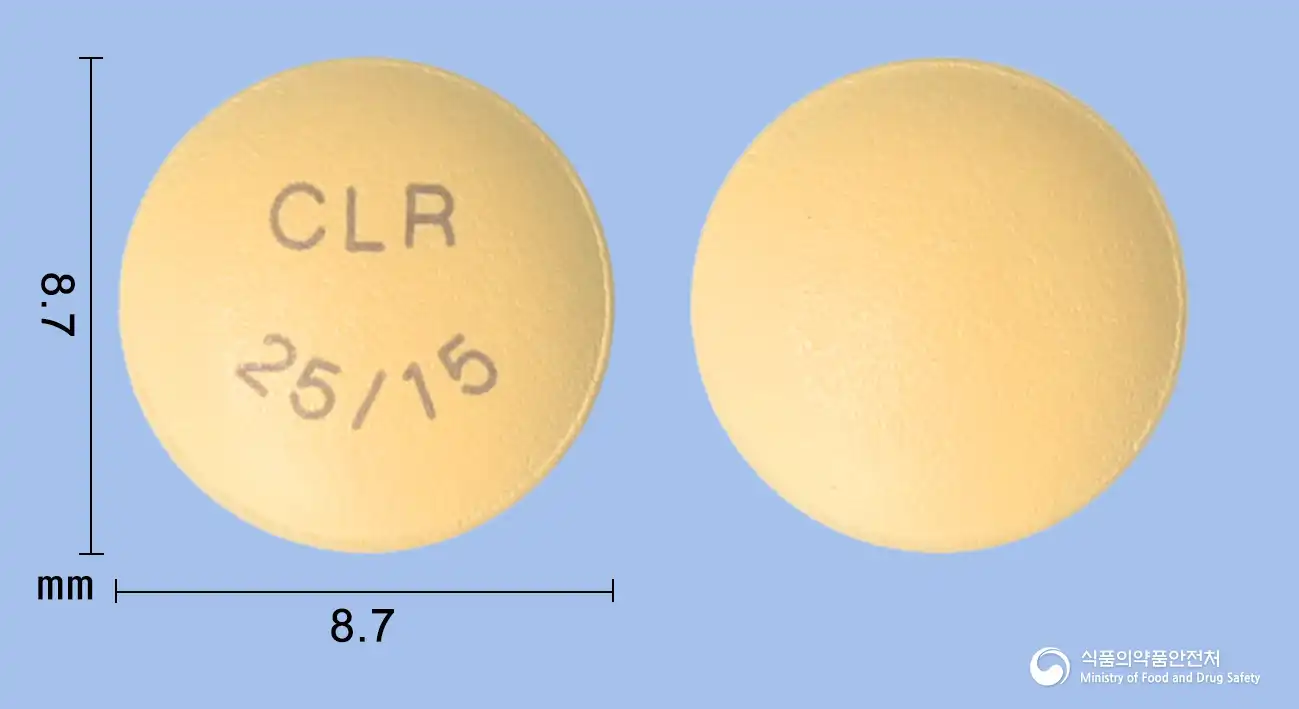 Combination
Alogliptin Benzoate 34mg · Pioglitazone Hydrochloride 16.53mg
Tablet · Prescription medication · Combination
Celltrion Pharmaceutical Co., Ltd.
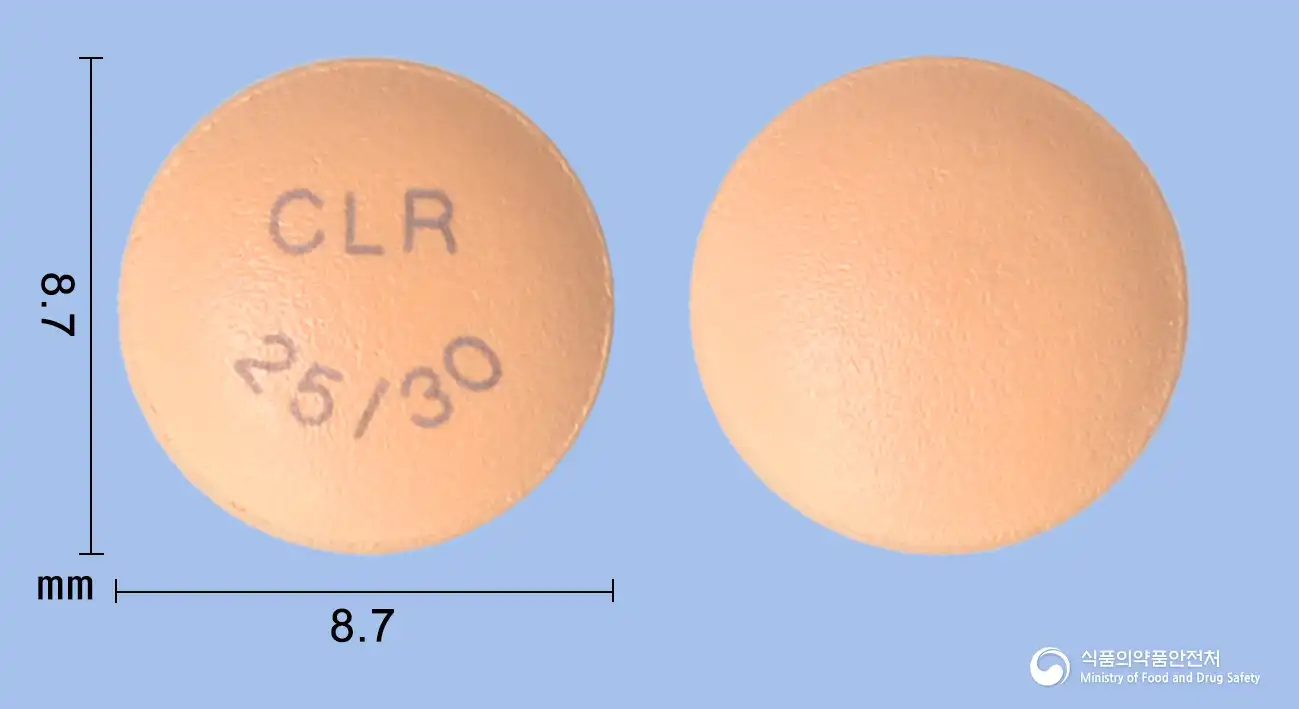 Combination
Alogliptin Benzoate 34mg · Pioglitazone Hydrochloride 33.06mg
Tablet · Prescription medication · Combination
Celltrion Pharmaceutical Co., Ltd.
Even with the same ingredient, the dose and directions can differ by strength and dosage form. Talk to a doctor or pharmacist before switching from a medication you are already taking.
No questions yet.
For anything that needs medical judgment, consult a doctor or pharmacist.
This drug information is based on data provided by the Korea Ministry of Food and Drug Safety.
Consult a doctor or pharmacist for accurate dosage, administration, and usage instructions.