
 한국어
 English
 日本語
 中文(简体)
 Viewing now
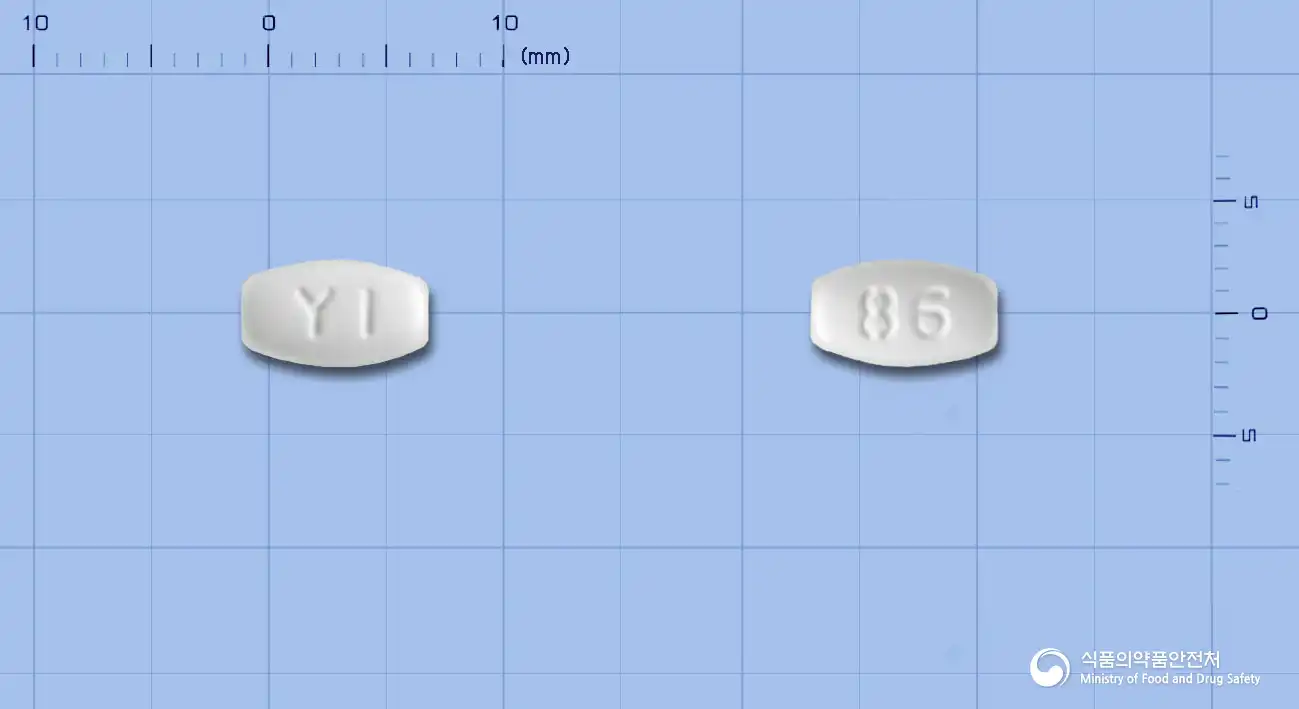
Buspin Tablet 5mg (Buspirone Hydrochloride)
Buspirone Hydrochloride 5mg
Tablet · Prescription medication
Youngil Pharmaceutical Co., Ltd.
MFDS item code 201404785 · Approved 2014.10.18 · Insurance code 649404650
Treatment of anxiety disorders and short-term relief of anxiety symptoms
This medication is used to treat anxiety disorders or to provide short-term relief from anxiety symptoms.
Adults: The initial dose is buspirone hydrochloride 5 mg orally 3 times daily. If necessary, to achieve an adequate therapeutic response, it is preferable to increase the daily dose by 5 mg at intervals of 2-3 days, to a divided daily dose of 20-30 mg. The total daily dose should not exceed 60 mg. Adjust the dose as appropriate according to age and symptoms.
This medication should not be used by certain patients. For example, individuals who are allergic to this medication or have severely impaired liver and kidney function should not take it. In addition, patients with epilepsy, acute glaucoma, severe myasthenia gravis, and those taking a specific antidepressant known as an MAO inhibitor should not use this medication. This medication contains lactose, so individuals with lactose intolerance or related genetic problems should avoid it. Taking this medication may lead to various side effects. Cardiovascular symptoms may include chest pain, fainting, changes in blood pressure, and heart disease. In the brain and nervous system, various mental symptoms such as drowsiness, dizziness, anxiety, hallucinations, and suicidal thoughts may appear. In the eyes and ears, there may be tinnitus, red eyes, itching, and eye pain. In the digestive system, abdominal bloating, changes in appetite, and nausea may occur, while urinary and sexual dysfunction may arise in the urogenital system. Pain or cramps in muscles and joints may occur, and the skin may experience rashes, swelling, and itching. Rarely, liver dysfunction or changes in blood cell counts have been reported. In severe cases, serious symptoms known as neuroleptic malignant syndrome may occur, so caution is advised. This medication has not yet been fully validated as an antipsychotic, therefore it is not used as a treatment for mental illness. During use, drowsiness or decreased concentration may occur, so operating a vehicle or hazardous machinery should be avoided. Additionally, if you have been using other sedatives or sleep medications for an extended period, sudden discontinuation may lead to withdrawal symptoms, so it is advisable to consult with a professional for a gradual reduction. There may be potential interactions when taken with other central nervous system medications, so caution is necessary. Taking this medication together with alcohol is not recommended. Particularly, taking it with MAO inhibitors may increase the risk of elevated blood pressure, so they should not be used together. Women who are pregnant or may become pregnant should carefully consider the risks and benefits of taking this medication, and it is advisable to avoid use while breastfeeding. It has not been confirmed for use in children under 18 years old concerning safety and efficacy. In the event of an overdose, symptoms may include nausea, vomiting, dizziness, and drowsiness, though no fatal cases have been reported. In cases of overdose, gastric lavage and general treatment should be undertaken while closely monitoring the condition. To use this medication safely, it is essential to inform your doctor of any currently taken medications or alcohol consumption, and also to disclose if you are pregnant, planning to become pregnant, or nursing. Additionally, while this medication has a low likelihood of causing physical dependence or addiction, patients with a history of substance abuse should be managed carefully and closely monitored for any signs of abnormalities.
Not everyone experiences these, and they can vary from person to person.
This medication may be sensitive to air and moisture, so it should be stored in a tightly sealed container. Also, it is best to keep it at room temperature, specifically between 1 to 30 degrees Celsius, avoiding extreme temperatures.
White oval tablet
30 tablets/bottle, 300 tablets/bottle
Even with the same ingredient, strength, dosage form and how it is taken can differ.
Viewing nowBuspirone Hydrochloride 5mg
Tablet · Prescription medication
Youngil Pharmaceutical Co., Ltd.
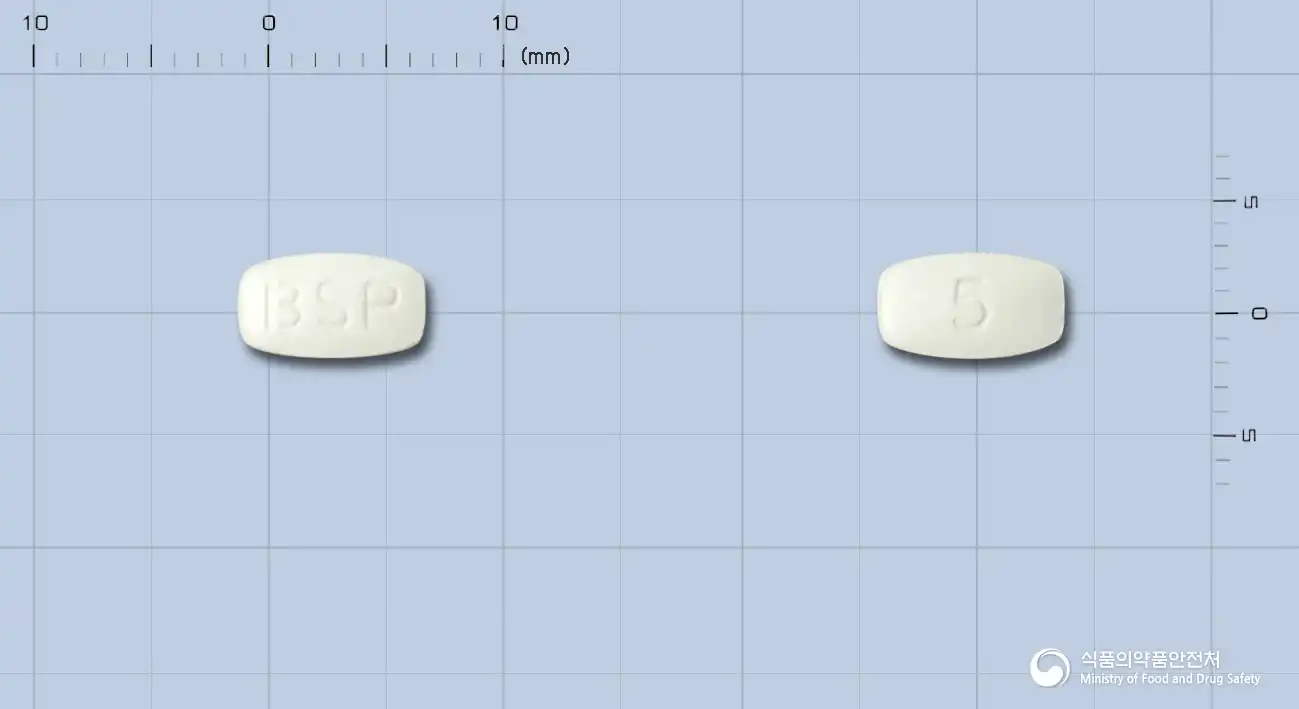
Buspirone Hydrochloride 5mg
Tablet · Prescription medication
Boryeong Co., Ltd.
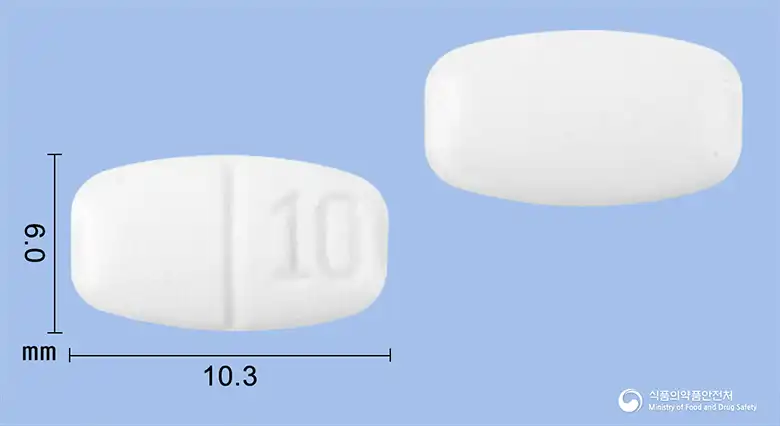
Buspirone Hydrochloride 10mg
Tablet · Prescription medication
Boryung Pharmaceutical Co., Ltd.
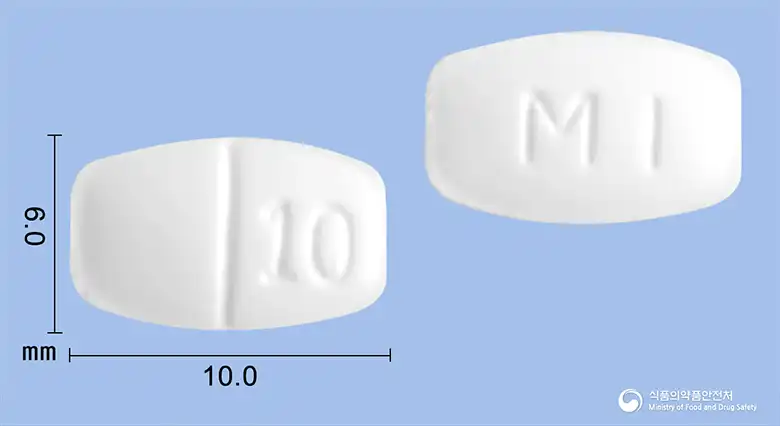
Buspirone Hydrochloride 10mg
Tablet · Prescription medication
Myongin Pharmaceutical Co., Ltd.
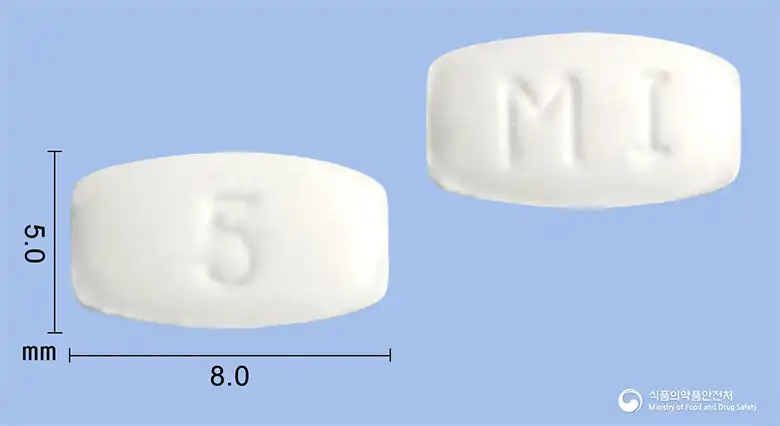
Buspirone Hydrochloride 5mg
Tablet · Prescription medication
Myungin Pharmaceutical Co., Ltd.

Buspirone Hydrochloride 5mg
Tablet · Prescription medication
HanKook Hutech Pharmaceutical Co., Ltd.
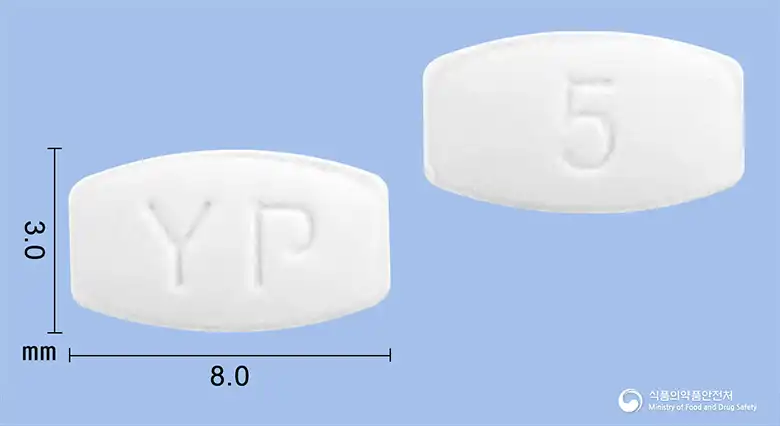
Buspirone Hydrochloride 5mg
Tablet · Prescription medication
Youngpoong Pharmaceutical Co., Ltd.
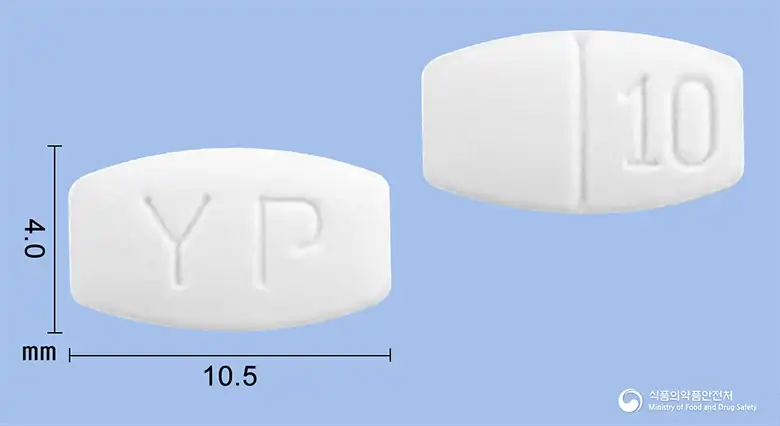
Buspirone Hydrochloride 10mg
Tablet · Prescription medication
Young Poong Pharmaceutical Co., Ltd.
Even with the same ingredient, the dose and directions can differ by strength and dosage form. Talk to a doctor or pharmacist before switching from a medication you are already taking.
No questions yet.
For anything that needs medical judgment, consult a doctor or pharmacist.
This drug information is based on data provided by the Korea Ministry of Food and Drug Safety.
Consult a doctor or pharmacist for accurate dosage, administration, and usage instructions.