
 한국어
한국어 English
 日本語
日本語 中文(简体)
 Viewing nowCombination
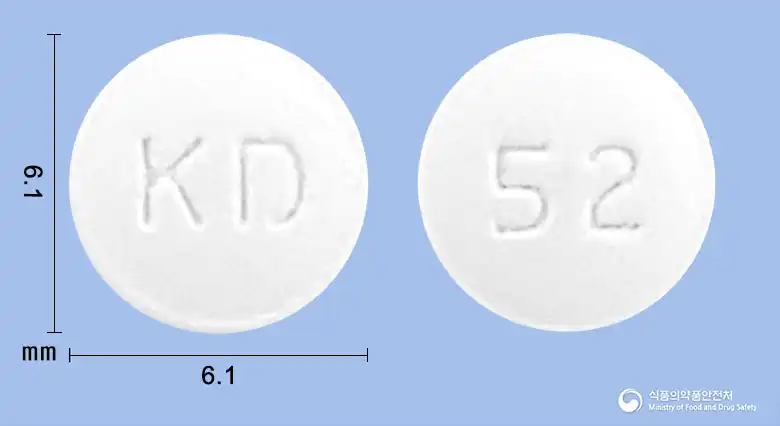
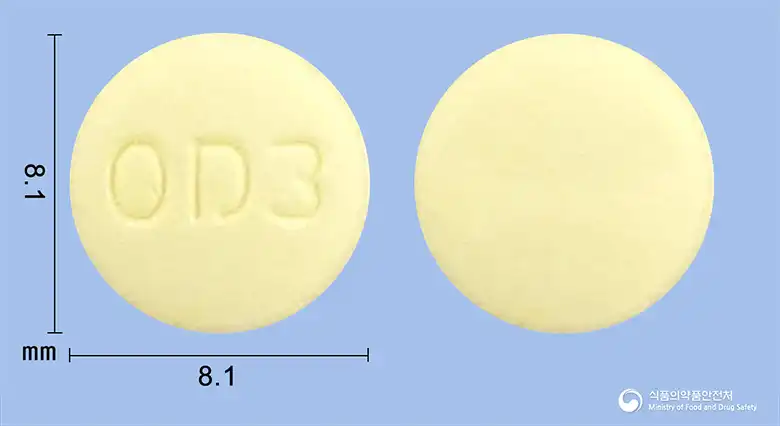
Olodipine 5/20 mg Tablets (Amlodipine, Olmesartan Medoxomil)
Amlodipine Besylate 6.944mg · Olmesartan Medoxomil 20mg
Tablet · Prescription medication · Combination
Kyungdong Pharmaceutical Co., Ltd.
MFDS item code 201404738 · Approved 2014.10.15 · Insurance code 648103490
Improvement of blood pressure control in essential hypertension
This medication is used to effectively lower blood pressure in patients with essential hypertension whose blood pressure is not adequately controlled by amlodipine or olmesartan medoxomil monotherapy. It helps reduce the risk of complications, such as heart disease or stroke, through hypertension treatment. It maintains stable blood pressure levels for patients, improving overall cardiovascular health. This treatment allows for additional control when blood pressure regulation is difficult or insufficient with a single agent. It contributes to enhancing the quality of life of patients through systematic blood pressure management. Consequently, it is used to effectively treat essential hypertension.
One tablet is administered once a day with water, regardless of meals. It is recommended to take it at the same time each day (e.g., morning) if possible. The maximum dosage is 10/40 mg, and the maximum antihypertensive effect appears within 2 weeks post-administration. Dose adjustments should be considered taking the patient's blood pressure response into account at intervals of more than 2 weeks. The recommended dosages are as follows: - 5/20 mg: For patients whose blood pressure is not adequately controlled with amlodipine 5 mg or olmesartan medoxomil 20 mg monotherapy. - 10/20 mg: For patients whose blood pressure is not adequately controlled with olmesartan medoxomil 20 mg monotherapy. - 5/40 mg: For patients whose blood pressure is not adequately controlled with 5/20 mg. - 10/40 mg: For patients whose blood pressure is not adequately controlled with 5/40 mg. ∘ Patients with renal impairment: There have been no studies on this medication in patients with renal impairment. However, the maximum dosage of olmesartan medoxomil for patients with mild to moderate renal failure (creatinine clearance 20-60 mL/min) is 20 mg once daily. This medication is not recommended for patients with moderate-severe renal impairment (e.g., creatinine clearance < 20 mL/min) or those undergoing dialysis. Monitoring of potassium and creatinine levels is recommended for patients with moderate renal failure. ∘ Patients at risk for intravascular volume depletion: Patients at risk for intravascular volume depletion (e.g., those on diuretics, especially those with renal impairments) should be started on a low dose while being adequately monitored. ∘ Patients with liver impairment: Caution should be exercised when administering this medication to patients with mild to moderate liver impairment. The recommended initial dose for patients with moderate liver impairment is 10 mg once daily, with a maximum dose of 20 mg once daily. Patients with liver impairment who are already on other antihypertensive agents and/or diuretics should be closely monitored for blood pressure and renal function. This medication should not be administered to patients with severe liver dysfunction (refer to the precautions regarding patients who should not be administered this medication). ∘ Elderly: It is generally recommended to start at a lower dose, and when adjusting the dose, the patient’s renal or cardiac function and existing health conditions should be considered. Blood pressure should be monitored more frequently in elderly patients. ∘ Pediatrics: The safety and efficacy in patients under 18 years of age have not been established.
The safety and efficacy in pediatric patients under 18 years of age have not been established.
This medication can cause serious harm to the fetus and newborn if taken during the second and third trimesters of pregnancy; therefore, if you are pregnant, you must stop taking it. Those who are allergic to any active or related ingredients in this medication, pregnant or nursing women, patients with severe liver impairment, severe aortic stenosis, biliary obstruction, dialysis patients, patients in shock, and certain diabetic patients should not take this medication. Patients with hypotension due to fluid or salt depletion or those at risk of rapid blood vessel dilation, patients with severe obstructive coronary artery disease, congestive heart failure, reduced renal function, and patients with liver impairment should be particularly cautious when taking this medication. Various side effects such as dizziness, headache, hypotension, edema, dyspepsia, and rash may occur when taking this medication. If any unusual symptoms appear, consult medical personnel immediately. Discontinuing beta-blockers suddenly can be dangerous; therefore, when taking this medication, the reduction of beta-blockers should be done gradually. This medication may interact with other drugs that affect blood pressure control, so if other medications are being taken, it is important to inform your doctor or pharmacist. It is advisable not to use this medication during pregnancy, and if planning to become pregnant or confirming pregnancy, stop taking it immediately and switch to an alternative treatment. Nursing mothers are also recommended to stop breastfeeding or discontinue this medication as it may affect the baby. Children under 18 years of age should not take this medication as safety and efficacy have not been established. Elderly patients should start with a low dose due to possible reduced kidney and liver function and should be monitored carefully while taking this medication. In cases of overdose, severe hypotension or blood vessel dilation may occur, and immediate medical attention should be sought for appropriate treatment. This medication should be kept out of reach of children and stored in a cool, dry place away from direct sunlight and humidity.
Urticaria, severe swelling (edema), chest tightness, difficulty breathing, cold sweats, pallor, severe rash with high fever, blisters, peeling skin, pain in oral/ocular mucosa, shortness of breath or difficulty breathing, asthma attacks, respiratory issues with cough + fever, jaundice (yellowing of the skin or eyes), profound lethargy, sudden and severe headache, thunderclap headache, seizures, confusion, visual disturbances, paralysis, urination
Not everyone experiences these, and they can vary from person to person.
This medication must be stored in a tightly sealed container to avoid the effects of air and moisture. The recommended storage temperature is room temperature between 1 and 30 degrees Celsius.
White round film-coated tablets
30 tablets (10 tablets/Alu-Alu x 3)
Even with the same ingredient, strength, dosage form and how it is taken can differ.
Viewing nowCombinationAmlodipine Besylate 6.944mg · Olmesartan Medoxomil 20mg
Tablet · Prescription medication · Combination
Kyungdong Pharmaceutical Co., Ltd.
 Combination
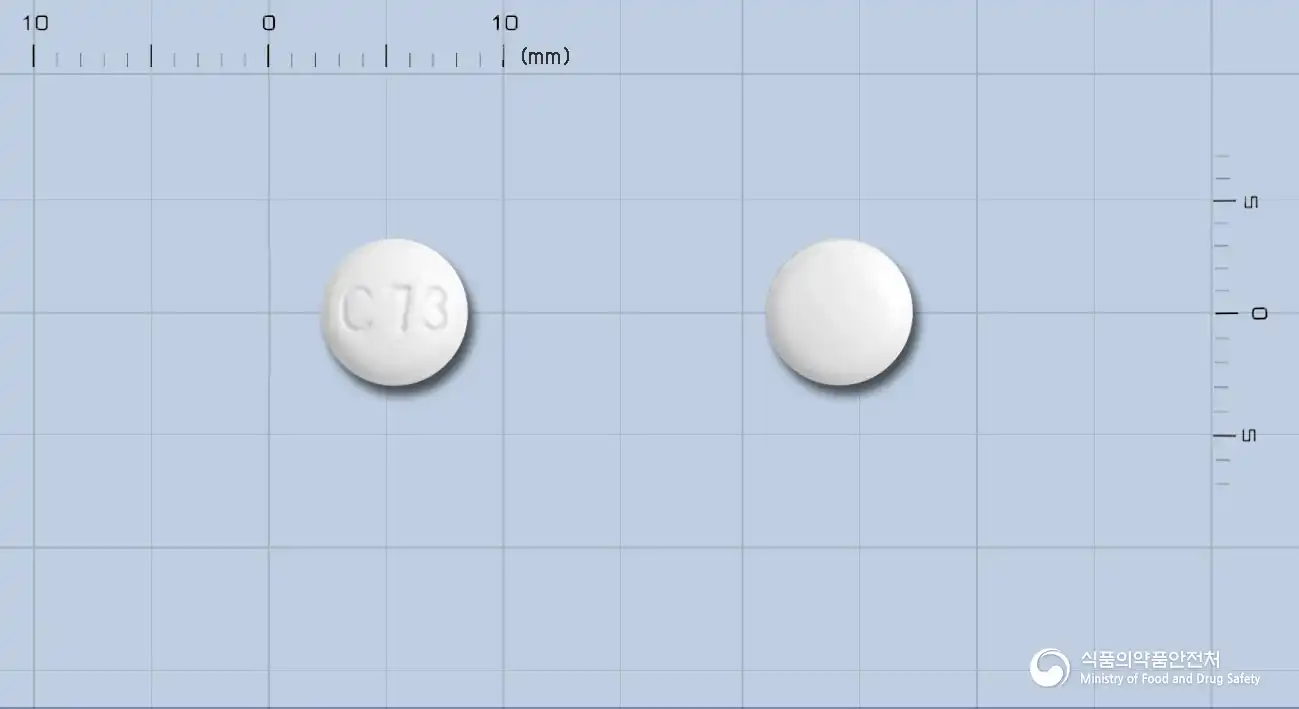
Olmesartan Medoxomil 20mg · Amlodipine Besylate 6.944mg
Tablet · Prescription medication · Combination
Korea Daiichi Sankyo Co., Ltd.
 Combination
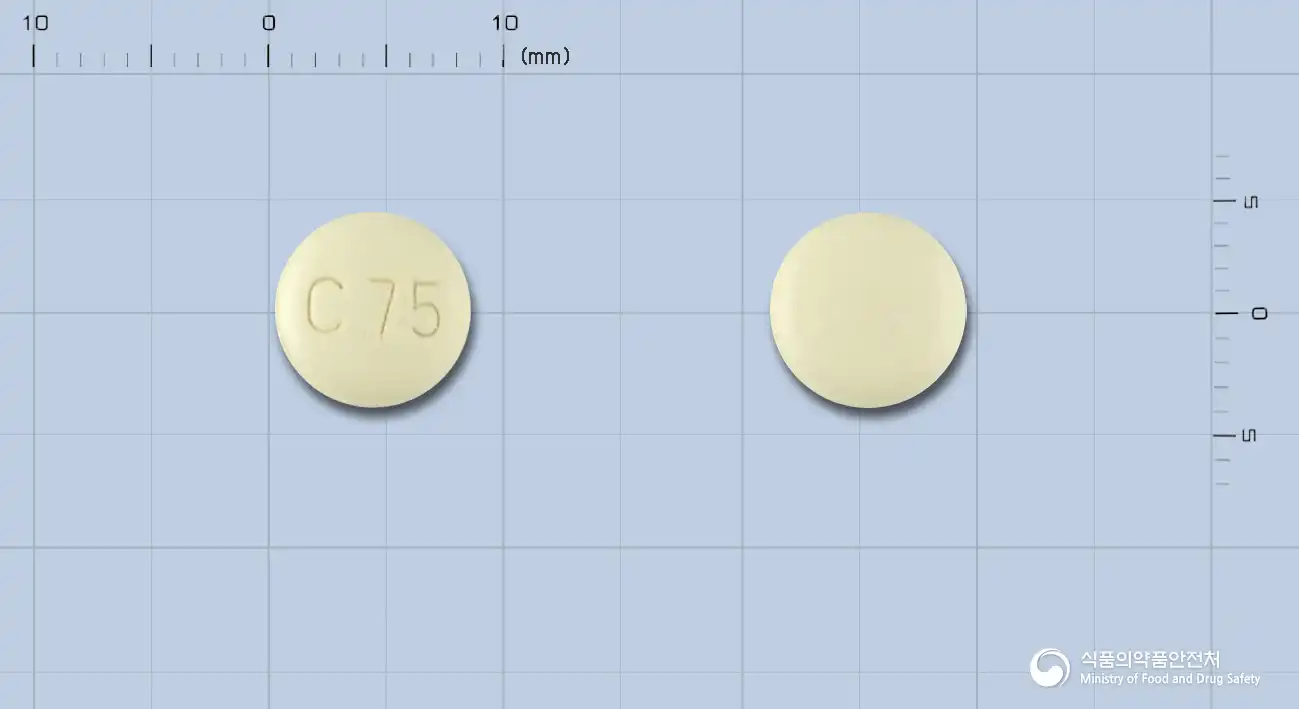
Olmesartan Medoxomil 40mg · Amlodipine Besylate 6.944mg
Tablet · Prescription medication · Combination
Korea Daiichi Sankyo Co., Ltd.
 Combination
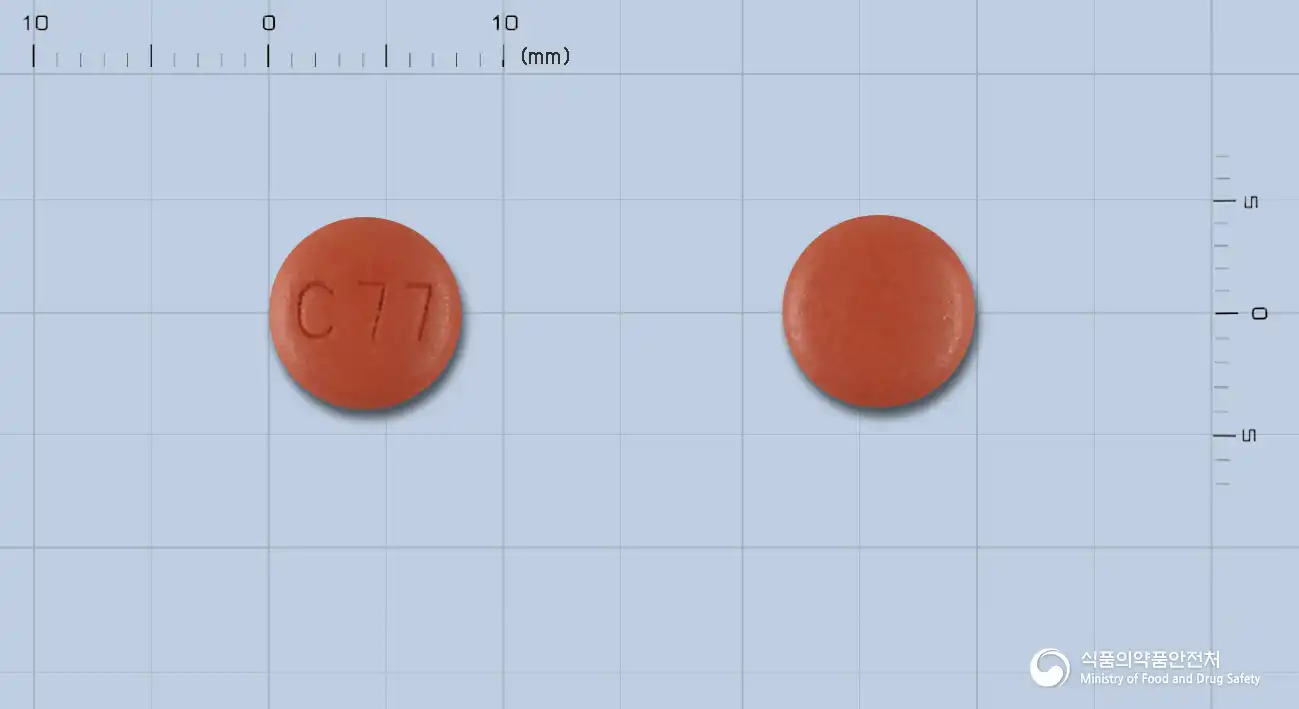
Olmesartan Medoxomil 40mg · Amlodipine Besylate 13.888mg
Tablet · Prescription medication · Combination
Hanmi Daiichi Sankyo Co., Ltd.
Olmesartan Medoxomil · Amlodipine Besylate
Prescription medication · Combination
SYNEX Co., Ltd.
Olmesartan Medoxomil · Amlodipine Besylate
Prescription medication · Combination
Co., Ltd. Sainex
Olmesartan Medoxomil · Amlodipine Besylate
Prescription medication · Combination
SYNEX Co., Ltd.
 Combination
Amlodipine Besylate 6.944mg · Olmesartan Medoxomil 40mg
Tablet · Prescription medication · Combination
Huons Co., Ltd.
Even with the same ingredient, the dose and directions can differ by strength and dosage form. Talk to a doctor or pharmacist before switching from a medication you are already taking.
No questions yet.
For anything that needs medical judgment, consult a doctor or pharmacist.
This drug information is based on data provided by the Korea Ministry of Food and Drug Safety.
Consult a doctor or pharmacist for accurate dosage, administration, and usage instructions.