
 한국어
 English
 日本語
 中文(简体)
 Viewing now
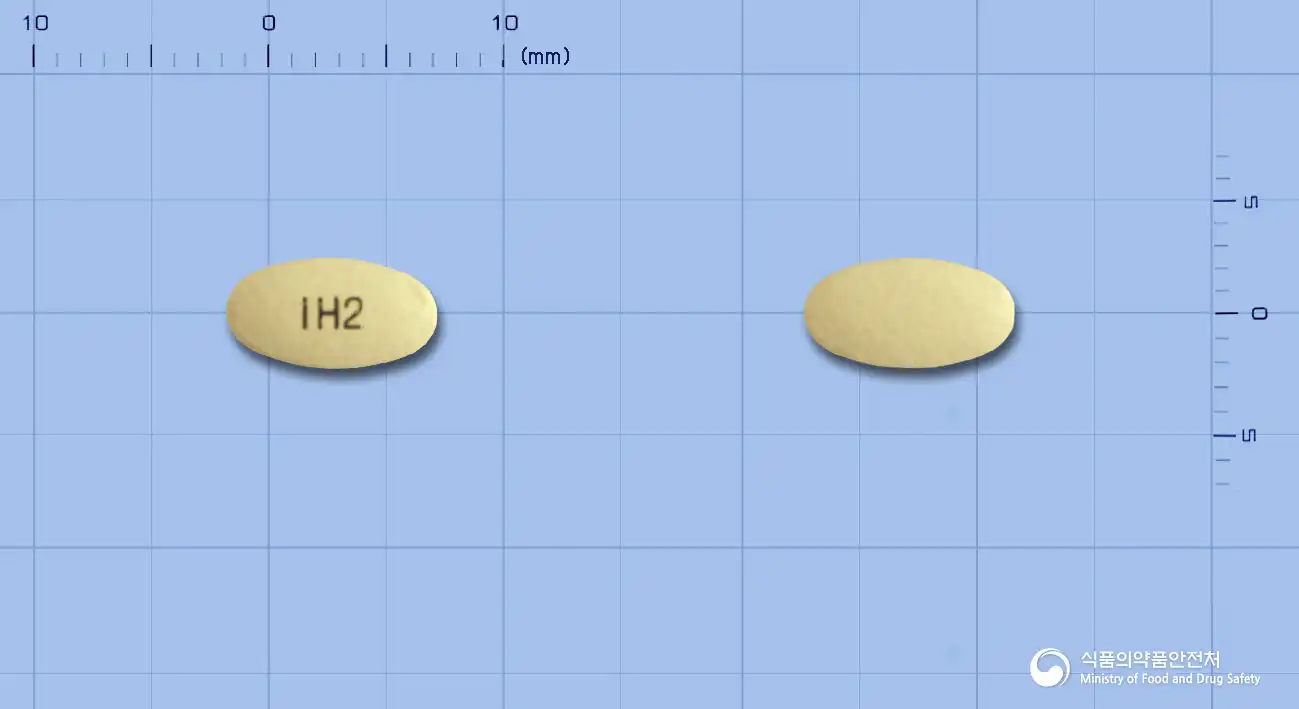
Pantoprazole Tablets 20mg (Pantoprazole Sodium Sesquihydrate)
Pantoprazole Sodium Sesquihydrate 22.55mg
Tablet · Prescription medication
Ilhwa Co., Ltd.
MFDS item code 201404539 · Approved 2014.09.30 · Insurance code 640902780
Treatment of gastroesophageal reflux disease; prevention of recurrence of reflux esophagitis; prevention of NSAID-induced ulcers
This medication is used to treat symptoms associated with mild gastroesophageal reflux disease such as heartburn, acid regurgitation, and dysphagia. It is also effective for long-term maintenance therapy to prevent the recurrence of reflux esophagitis. Furthermore, it helps prevent gastric and duodenal ulcers in patients who are continuously taking non-steroidal anti-inflammatory drugs (NSAIDs). It is effectively used for alleviating symptoms and preventing various stomach-related disorders.
1. Treatment of mild gastroesophageal reflux disease and associated symptoms: Administer pantoprazole 20 mg orally once daily before breakfast. Symptom relief generally occurs within 2 ∼ 4 weeks, and healing can usually be achieved with 4 weeks of treatment. If healing has not occurred, an additional 4 weeks of treatment may achieve healing. 2. Long-term maintenance therapy to prevent recurrence of reflux esophagitis: Administer pantoprazole 20 mg once daily before breakfast. If recurrence occurs, increase the dose to pantoprazole 40 mg daily, then reduce it back to 20 mg daily after healing. 3. Prevention of gastroduodenal ulcers caused by nonsteroidal anti-inflammatory drugs in patients requiring continuous NSAID treatment: Administer pantoprazole 20mg once daily. ◯ Dose adjustment is not necessary in older adults or patients with renal impairment. ◯ Patients with hepatic impairment Do not exceed pantoprazole 20 mg once daily in patients with severe hepatic impairment.
This medicine should not be used by patients who are allergic to this drug or its components, or who have had a previous allergic reaction. Patients currently taking certain antiviral medications should also avoid this drug. It should not be administered to women in early pregnancy or those who may become pregnant, as well as nursing mothers. Patients with lactose intolerance or certain genetic metabolic disorders should also refrain from taking this drug. During treatment, various side effects may occur such as gastrointestinal symptoms, liver dysfunction, and skin rashes, so immediate consultation with medical personnel is required if abnormal symptoms arise. Regular check-ups to monitor liver function and overall health status are important during long-term use. As this drug suppresses gastric acid secretion, caution should be taken with concomitant medications that require gastric acid for absorption. Elderly patients or those with a history of gastrointestinal disorders may have an increased risk of gastrointestinal bleeding during use, requiring special attention. There may be an increased risk of fractures with long-term use, especially with high-dose administration or treatment lasting more than one year. This drug can cause hypomagnesemia, so patients on long-term therapy should have their magnesium levels checked periodically. Persistent diarrhea may necessitate additional testing to rule out the possibility of Clostridium difficile infection. Dizziness or vision disturbances may occur, so caution is advised when driving or operating machinery. This medication is not to be administered in early pregnancy, nor should it be taken by nursing mothers. There is insufficient experience regarding the administration in children under 12 years old, hence it is not recommended. No specific symptoms of overdose are known, but if they occur, medical personnel should be notified immediately. This drug should not be chewed or crushed, and the benefits and risks should be carefully considered for long-term use. Store out of reach of children and do not transfer to other containers for safety.
Not everyone experiences these, and they can vary from person to person.
This drug is sensitive to light and should be stored in a container that blocks light. Additionally, when storing the medication, it is important to maintain a room temperature between 1 to 30 degrees Celsius. This will help preserve the drug’s effectiveness and safety for a longer period.
Yellow enteric-coated oval tablets
30 tablets, 100 tablets / bottle
Even with the same ingredient, strength, dosage form and how it is taken can differ.
Viewing nowPantoprazole Sodium Sesquihydrate 22.55mg
Tablet · Prescription medication
Ilhwa Co., Ltd.
Pantoprazole Sodium Sesquihydrate 45.1mg
Injections · Prescription medication
Takeda Korea Pharmaceutical Co., Ltd.
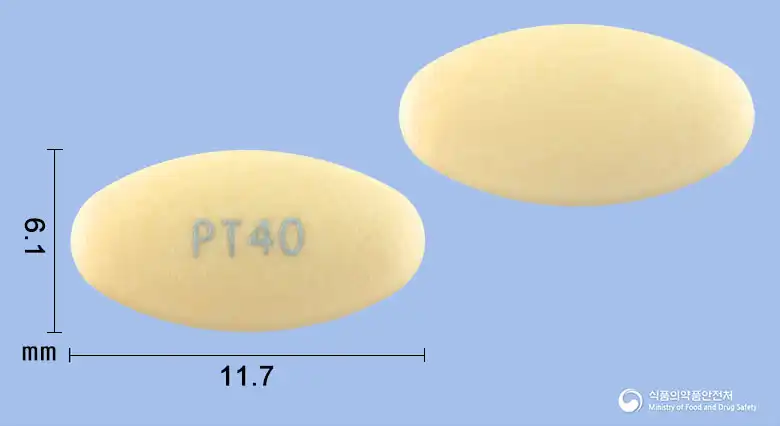
Pantoprazole Sodium Sesquihydrate 45.1mg
Tablet · Prescription medication
Dong-A ST Co., Ltd.
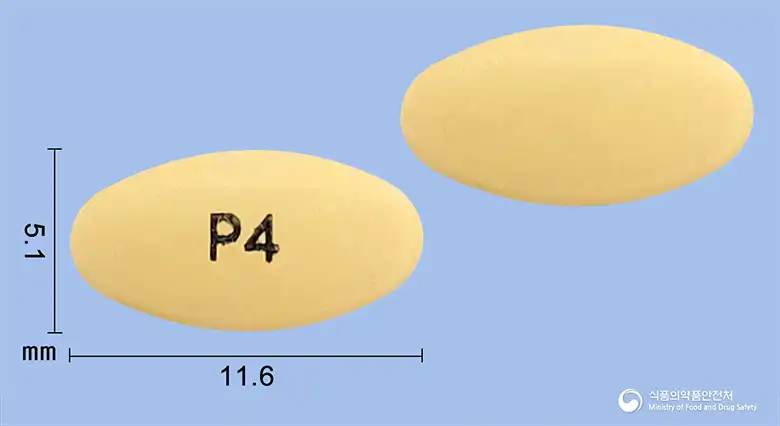
Pantoprazole Sodium Sesquihydrate 45.1mg
Tablet · Prescription medication
Youngjin Pharmaceutical Co., Ltd.
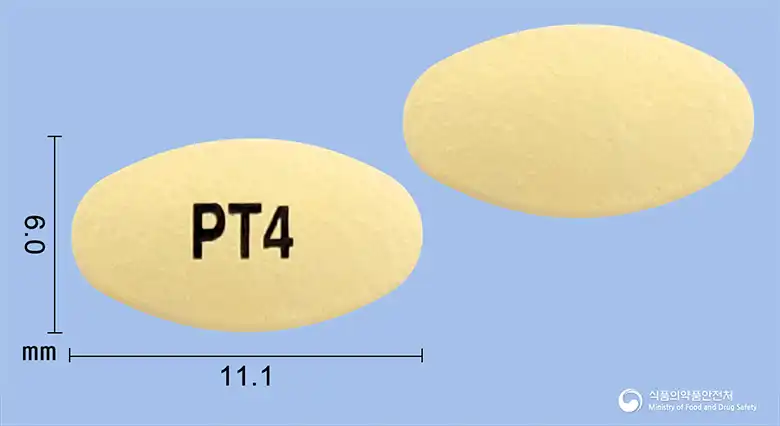
Pantoprazole Sodium Sesquihydrate 45.1mg
Tablet · Prescription medication
Albozen Korea Co., Ltd.
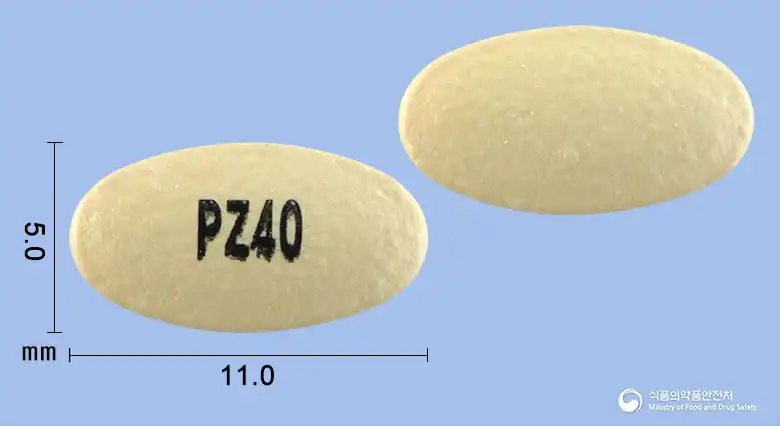
Pantoprazole Sodium Sesquihydrate 45.1mg
Tablet · Prescription medication
Daewoo Pharmaceutical Co., Ltd.
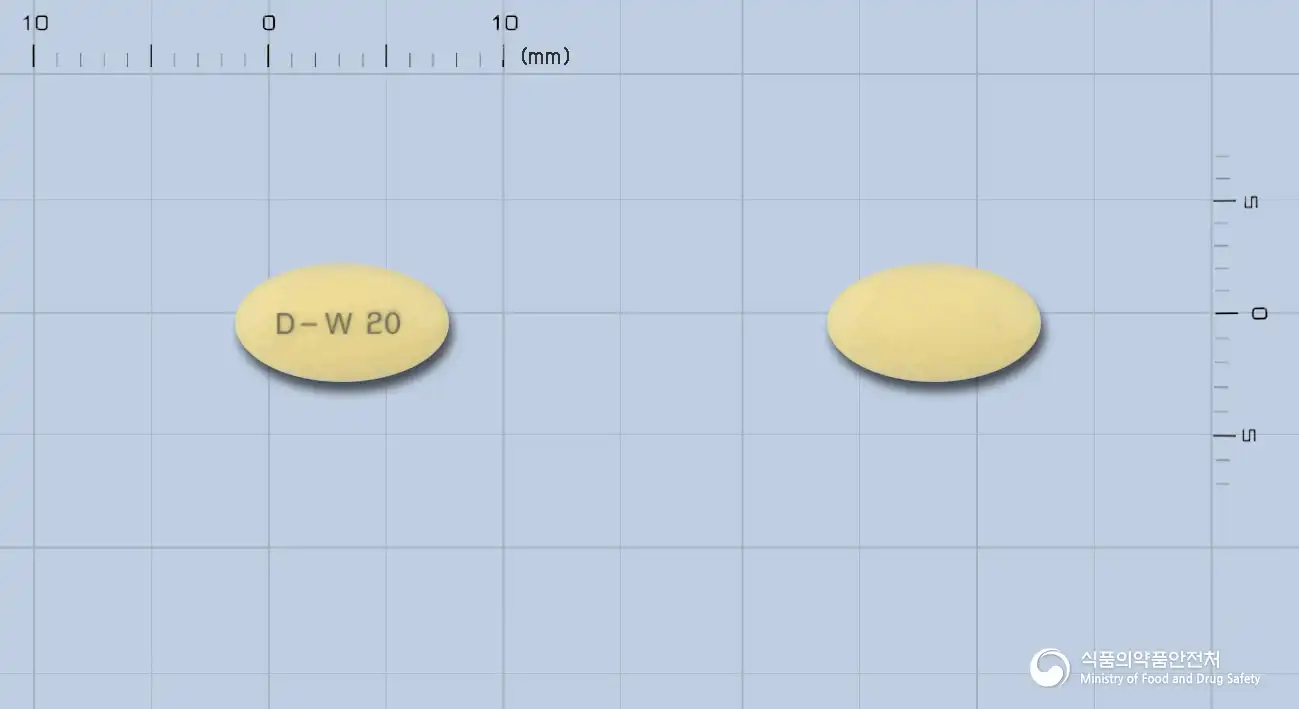
Pantoprazole Sodium Sesquihydrate 22.6mg
Tablet · Prescription medication
Dongwha Pharm Co., Ltd.
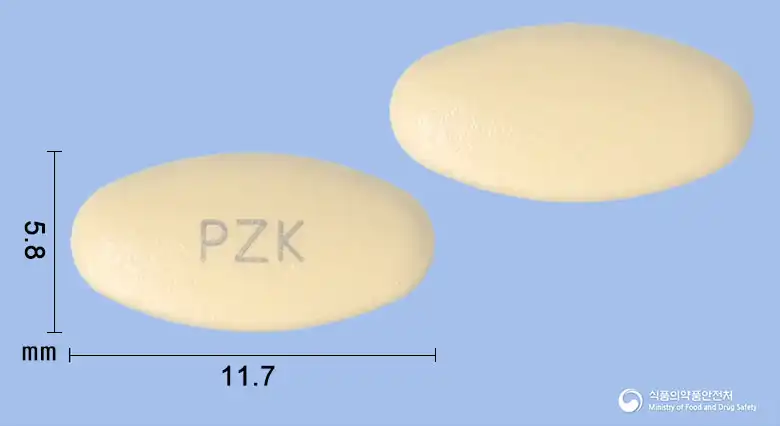
Pantoprazole Sodium Sesquihydrate 45.1mg
Tablet · Prescription medication
Genewon Sciences Co., Ltd.
Even with the same ingredient, the dose and directions can differ by strength and dosage form. Talk to a doctor or pharmacist before switching from a medication you are already taking.
No questions yet.
For anything that needs medical judgment, consult a doctor or pharmacist.
This drug information is based on data provided by the Korea Ministry of Food and Drug Safety.
Consult a doctor or pharmacist for accurate dosage, administration, and usage instructions.