
 한국어
한국어 English
 日本語
日本語 中文(简体)
Dosage form image
Viewing nowMetfox Sustained Release Tablet (Metformin Hydrochloride)
Metformin Hydrochloride 500mg
Tablet · Prescription medication
JW Pharmaceutical Corp.
MFDS item code 201404513 · Approved 2014.09.30
This product's status changed to Expired on 2024.09.30. It may no longer be sold, so consult a doctor or pharmacist before taking it.
Improvement in blood sugar control in type 2 diabetes
This medication is used for adult patients with type 2 diabetes who have difficulty controlling blood sugar levels through diet and exercise alone, especially if they are overweight. It can be used alone or in combination with other oral hypoglycemic agents or insulin to aid in blood sugar management. This medication effectively controls blood sugar levels and aids in the management of diabetes.
Administer Metformin Hydrochloride Sustained Release Tablet 500 mg once daily with the evening meal. After one week, measure blood sugar levels to adjust the dosage. Increase the dosage by 500 mg weekly, and it can be given up to a maximum of 2000 mg with the evening meal. If blood sugar control is not achieved after the maximum of 2000 mg once daily, consider administering 1000 mg twice daily with meals. In renal impairment patients
This medication can rarely cause a serious side effect known as lactic acidosis, which should be noted. Lactic acidosis can be fatal if it occurs during treatment, so immediate consultation with a physician is required if symptoms appear. If used together with other diabetes medications, hypoglycemia may occur, so blood sugar levels should be closely monitored. This medication should not be used in patients with moderate to severe renal impairment, dehydration, serious infections, acute myocardial infarction, or conditions that may affect renal function. Safety is advised in certain patient groups such as those with acute and unstable heart failure, patients scheduled for tests using iodinated contrast agents, patients allergic to the components of this medication, and type 1 diabetes patients. Patients with severe infections or traumatic disorders, those scheduled for surgery, patients with malnutrition or liver dysfunction should also temporarily discontinue or avoid using this medication. This medication requires cautious administration and should be paid special attention when there are irregular meals, intense exercise, or interactions with other medications. During treatment, side effects such as vitamin B12 deficiency, gastrointestinal disturbances, taste impairment, and skin rashes may occur, so any abnormal symptoms should be discussed with a doctor. Renal function should be tested before treatment and regularly; if abnormalities are found, dosage adjustment or discontinuation may be necessary. Alcohol can increase the risk of side effects from this medication, so care should be taken to avoid excessive drinking during treatment. During pregnancy, the decision to use this medication should consider its effects on the fetus and the risk of pregnancy complications; if breastfeeding, this medication is excreted in breast milk, so breastfeeding should be discontinued or drug therapy re-evaluated. Elderly patients are at higher risk of renal function decline, so appropriate dosage adjustment and regular kidney function testing are necessary. In cases of overdose, the drug can be removed through hemodialysis, so if an overdose is suspected, medical attention should be sought immediately. This medication should be swallowed whole and not chewed or crushed; the tablet shell may appear in the stool, which is normal. When taking this medication with others, consult a physician or pharmacist as interactions may alter effectiveness. It is important to monitor blood sugar levels and kidney function regularly during treatment to ensure efficacy and safety.
Lactic acidosis (severe metabolic complication), urticaria, severe swelling, shortness of breath, hypoxia, liver function abnormalities (symptoms related to jaundice), hypoglycemia, severe edema, severe allergic reactions, serious skin adverse reactions
Not everyone experiences these, and they can vary from person to person.
This medication may be sensitive to air and moisture, so it should be stored in a tightly closed container. The recommended storage temperature is between 1°C and 30°C. Proper storage will help maintain the drug's effectiveness and ensure safe use.
White rectangular tablet
30 tablets/bottle, 300 tablets/bottle
Even with the same ingredient, strength, dosage form and how it is taken can differ.
Metformin Hydrochloride 500mg
Tablet · Prescription medication
JW Pharmaceutical Corp.
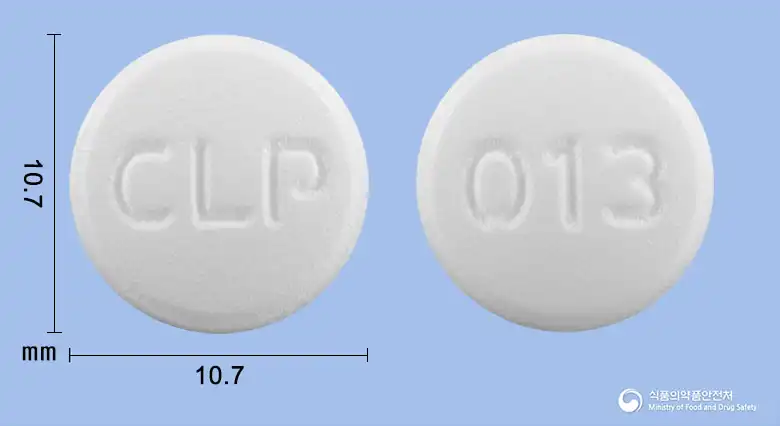
Metformin Hydrochloride 500mg
Tablet · Prescription medication
(Celltrion Pharmaceuticals)
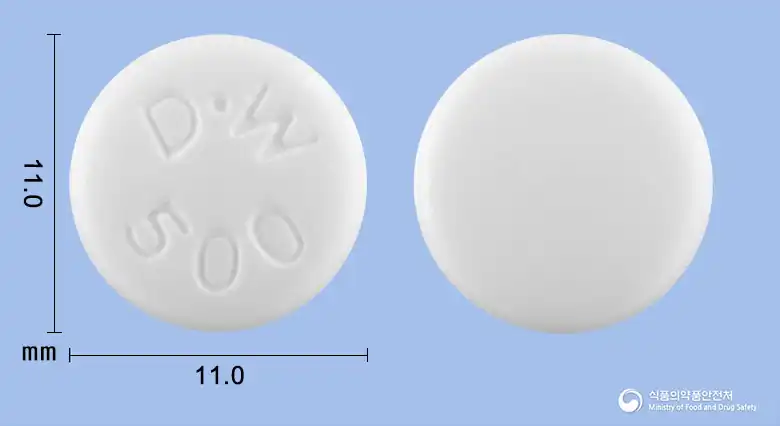
Metformin Hydrochloride 500mg
Tablet · Prescription medication
(Daewoong Pharmaceutical)
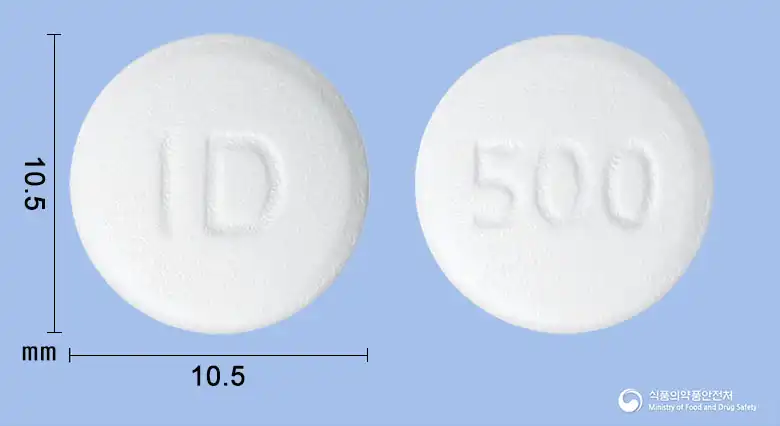
Metformin Hydrochloride 500mg
Tablet · Prescription medication
(Ildong Pharmaceutical Co., Ltd.)

Metformin Hydrochloride 500mg
Tablet · Prescription medication
(Ilseong IS Co., Ltd.)
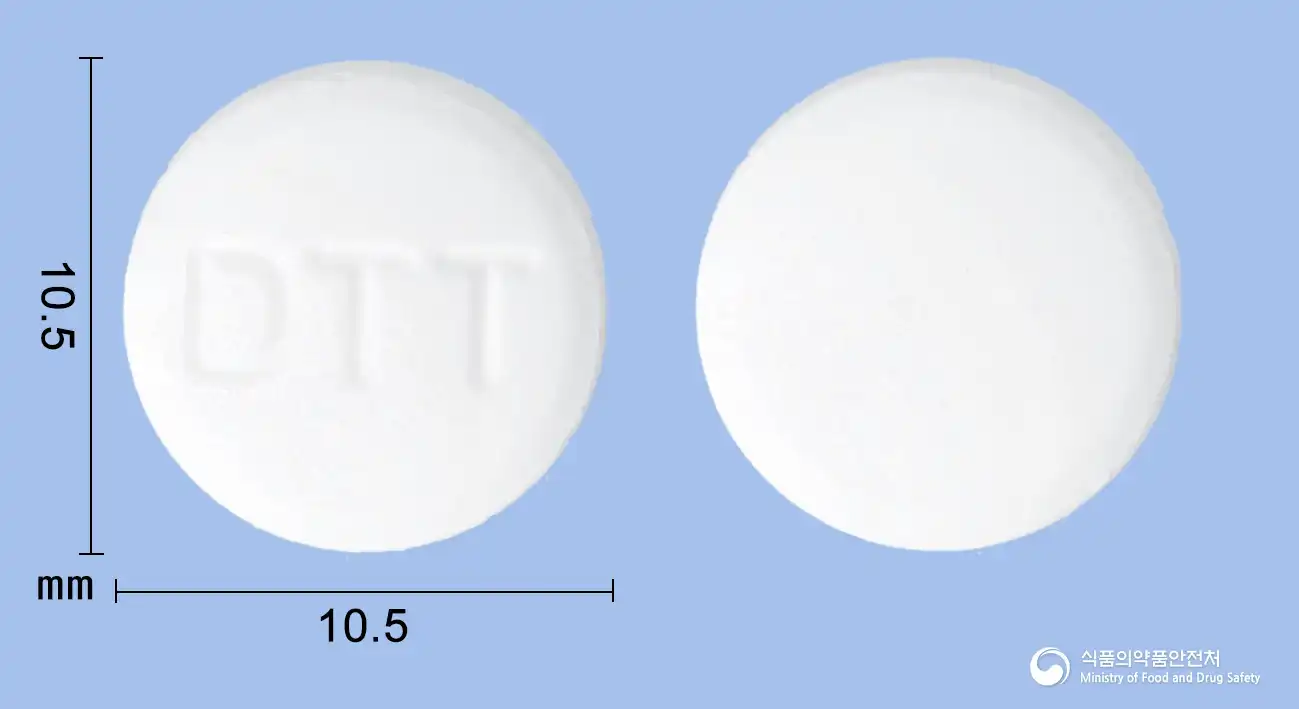
Metformin Hydrochloride 500mg
Tablet · Prescription medication
(Kyungdong Pharmaceutical Co., Ltd.)
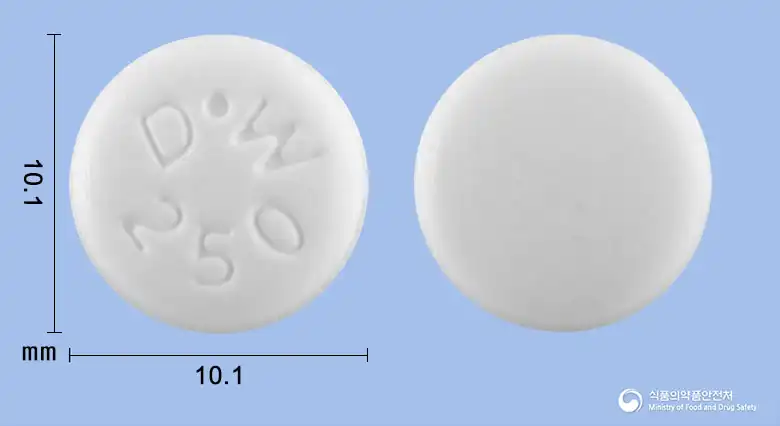
Metformin Hydrochloride 250mg
Tablet · Prescription medication
(Daewoong Pharmaceutical)

Metformin Hydrochloride 500mg
Tablet · Prescription medication
(Youngpoong Pharmaceutical Co., Ltd.)
Even with the same ingredient, the dose and directions can differ by strength and dosage form. Talk to a doctor or pharmacist before switching from a medication you are already taking.
No questions yet.
For anything that needs medical judgment, consult a doctor or pharmacist.
This drug information is based on data provided by the Korea Ministry of Food and Drug Safety.
Consult a doctor or pharmacist for accurate dosage, administration, and usage instructions.