
 한국어
한국어 English
 日本語
日本語 中文(简体)
 Viewing now
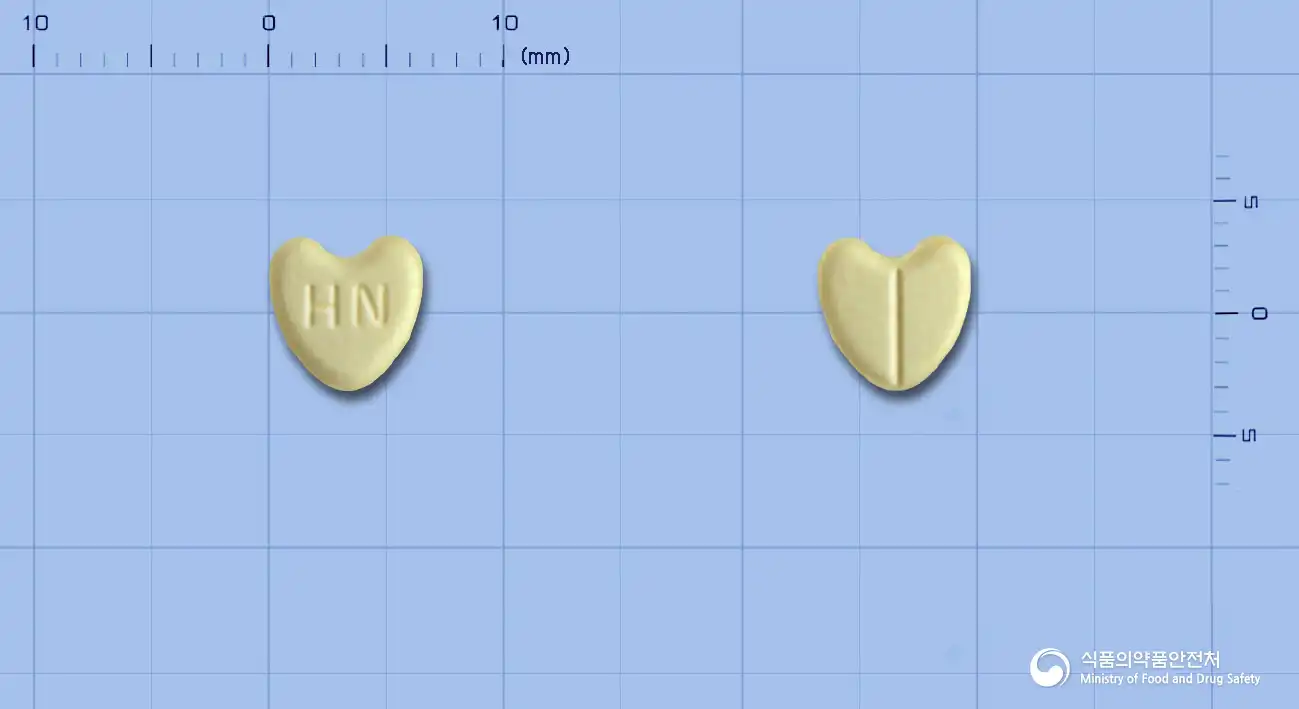
Nomaes Tablet 2.5 mg (esamlodipine besylate hydrate 2.5)
S-Amlodipine Besylate 2.5 Hydrate 3.74mg
Tablet · Prescription medication
Hana Pharmaceutical Co., Ltd.
MFDS item code 201404487 · Approved 2014.09.30 · Insurance code 657805370
Improvement of hypertension and myocardial ischemia (stable angina, variant angina)
This medicine is used for patients with hypertension and those who experience myocardial ischemia due to stable angina or variant angina. It helps control hypertension to reduce the burden on blood vessels and the heart and alleviates chest pain caused by angina. It relieves vascular spasms and contractions to support sufficient oxygen supply to the heart muscle. This can help lower the risk of serious heart diseases such as myocardial infarction. It plays a significant role in managing blood pressure and cardiovascular health. Therefore, it is effectively used for the treatment of hypertension and angina.
This medication should be taken with an adequate amount of water. As esamlodipine, it is administered orally once daily at a dose of 2.5 mg, which may be increased up to a maximum of 5 mg daily based on the patient’s response. The dosage should be adjusted appropriately according to the symptoms.
It is very important not to use this medication in certain patients. For example, individuals who have had an allergic reaction to this medication or similar compounds should not take it. Additionally, pregnant women or those who may become pregnant, as well as breastfeeding individuals, should also avoid this medication. It should not be administered to patients in a state of cardiac shock, severe aortic stenosis, unstable angina, or those who have recently experienced a myocardial infarction. Patients with severely impaired liver function and very low blood pressure may also be at risk if they use this medication. This medication should be used cautiously in patients with severely impaired kidney function, older adults, patients with acute heart failure, those in hypertensive crisis, and patients with mild to moderate liver dysfunction. Taking this medication may cause flushing and a sensation of warmth in the face, as well as symptoms like fatigue or swelling in the hands and feet. Symptoms such as rapid heartbeat, dizziness, headaches, migraines, indigestion, nausea, drowsiness, and ankle swelling can occur. Rarely, dry mouth, increased sweating, lowered blood pressure, fainting, skin rashes, allergic reactions, and liver dysfunction may occur, so if any abnormal symptoms arise, consult a doctor immediately. Sudden discontinuation of this medication can worsen symptoms, so it should always be tapered off gradually under a physician's direction. Patients with heart failure may experience fluid accumulation in the lungs while on this medication, so caution is needed. For patients with liver dysfunction, the rate of drug breakdown may be slow, requiring dosage adjustment. This medication should be taken with plenty of water, and caution should be exercised when driving or operating dangerous machinery, as low blood pressure may cause dizziness or drowsiness. When taking this medication with other drugs, interactions may occur, so particularly when combining with specific antibiotics, antihypertensive drugs, antidepressants, heart medications, or grapefruit juice, inform your doctor or pharmacist and proceed with caution. Pregnant or breastfeeding women should ideally avoid taking this medication, and if breastfeeding, they should discontinue it. It is to be used in children aged 6 years and older, as its safety and efficacy have not been established in children under 6. Older adults may have higher drug concentrations and prolonged effects, so they should start with a lower dosage and be closely monitored. In case of overdose, blood pressure may drop too low and heart rate may become irregular, necessitating immediate medical attention for appropriate treatment. This medication should be stored out of the reach of children, and it is safer not to transfer it to another container.
Not everyone experiences these, and they can vary from person to person.
This medication should be stored in a tightly closed container to avoid exposure to air or moisture. The recommended storage temperature is between 1 degree and 30 degrees Celsius.
Light yellow heart-shaped tablet with a scored line
30 tablets/bottle, 300 tablets/bottle
Even with the same ingredient, strength, dosage form and how it is taken can differ.
Viewing nowS-Amlodipine Besylate 2.5 Hydrate 3.74mg
Tablet · Prescription medication
Hana Pharmaceutical Co., Ltd.
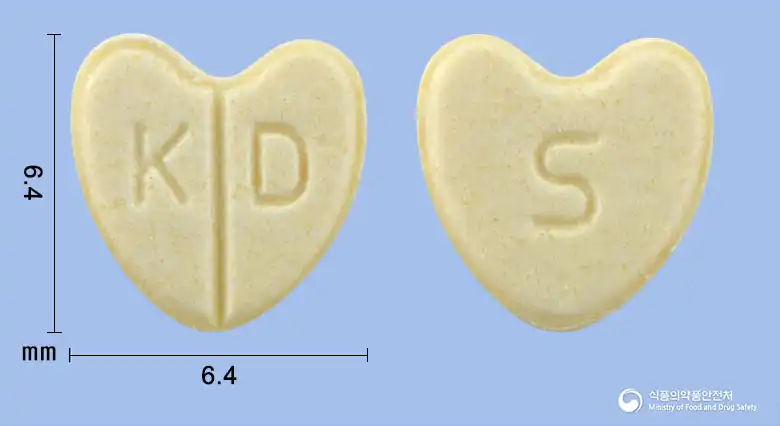
S-Amlodipine Besylate 2.5 Hydrate 3.74mg
Tablet · Prescription medication
Kwangdong Pharmaceutical Co., Ltd.
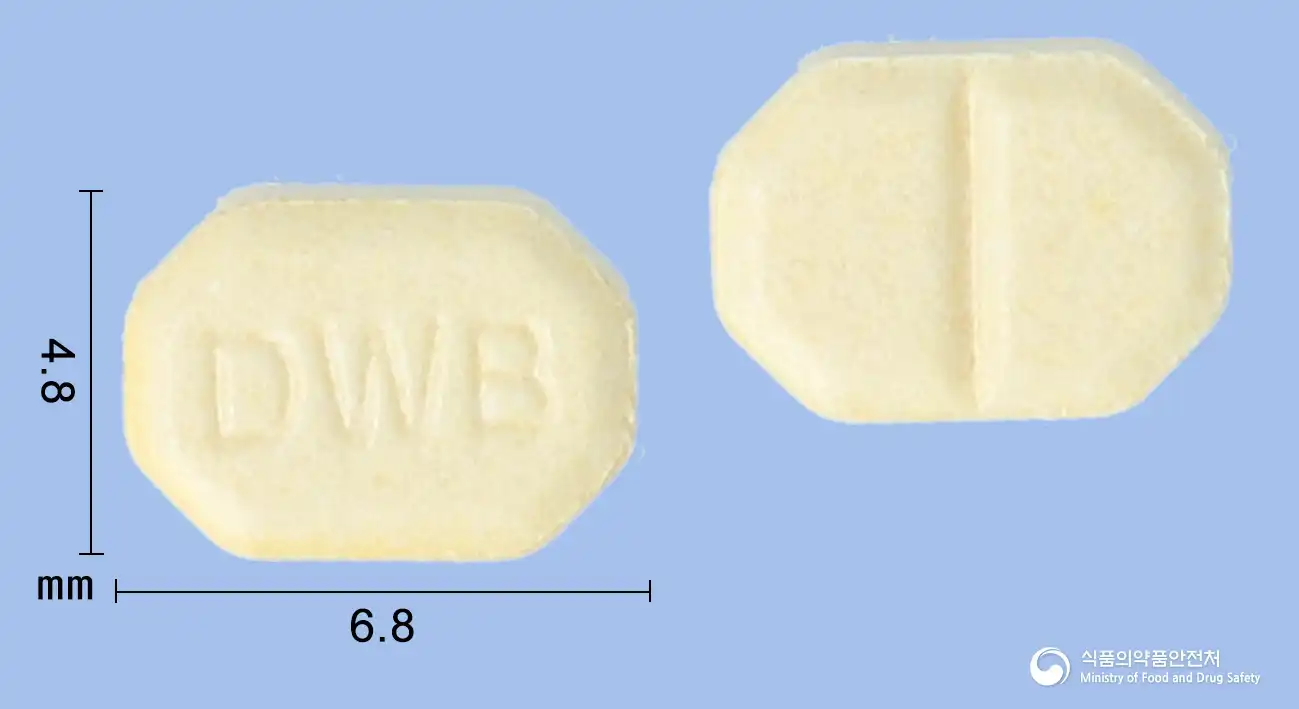
S-Amlodipine Besylate 2.5 Hydrate 3.69mg
Tablet · Prescription medication
Daewoong Bio Co., Ltd.
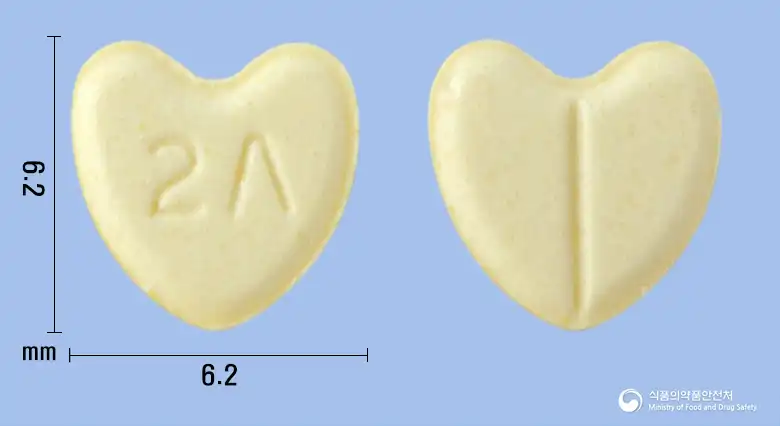
S-Amlodipine Besylate 2.5 Hydrate 3.74mg
Tablet · Prescription medication
Daiwon Pharmaceutical Co., Ltd.
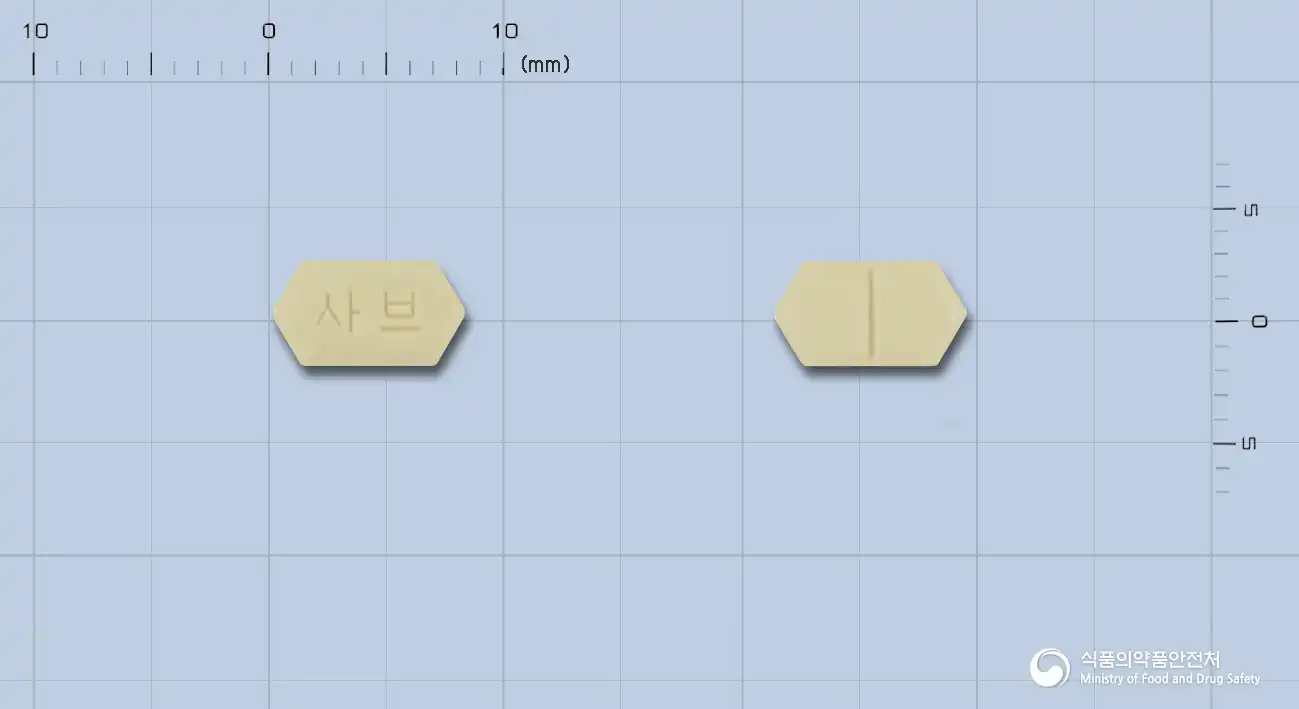
S-Amlodipine Besylate 2.5 Hydrate 3.74mg
Tablet · Prescription medication
Ilsung IS Co., Ltd.
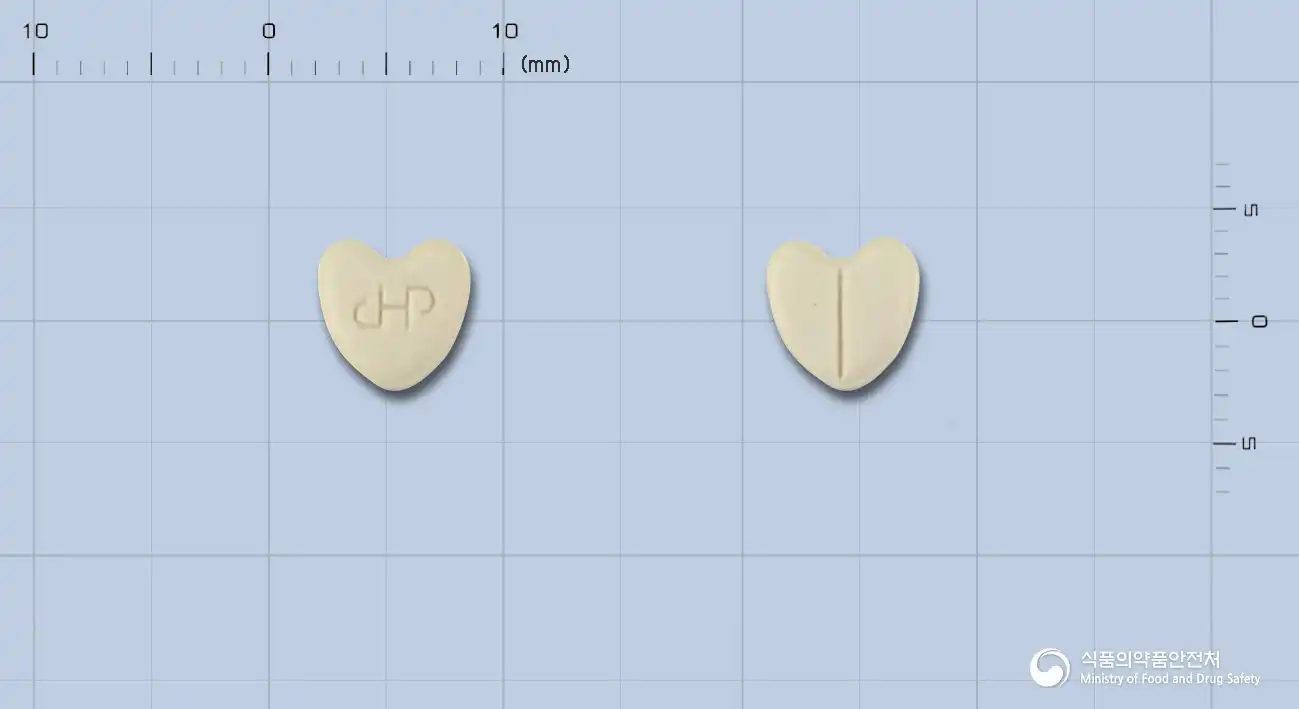
S-Amlodipine Besylate 2.5 Hydrate 3.74mg
Tablet · Prescription medication
Daehwa Pharmaceutical Co., Ltd.
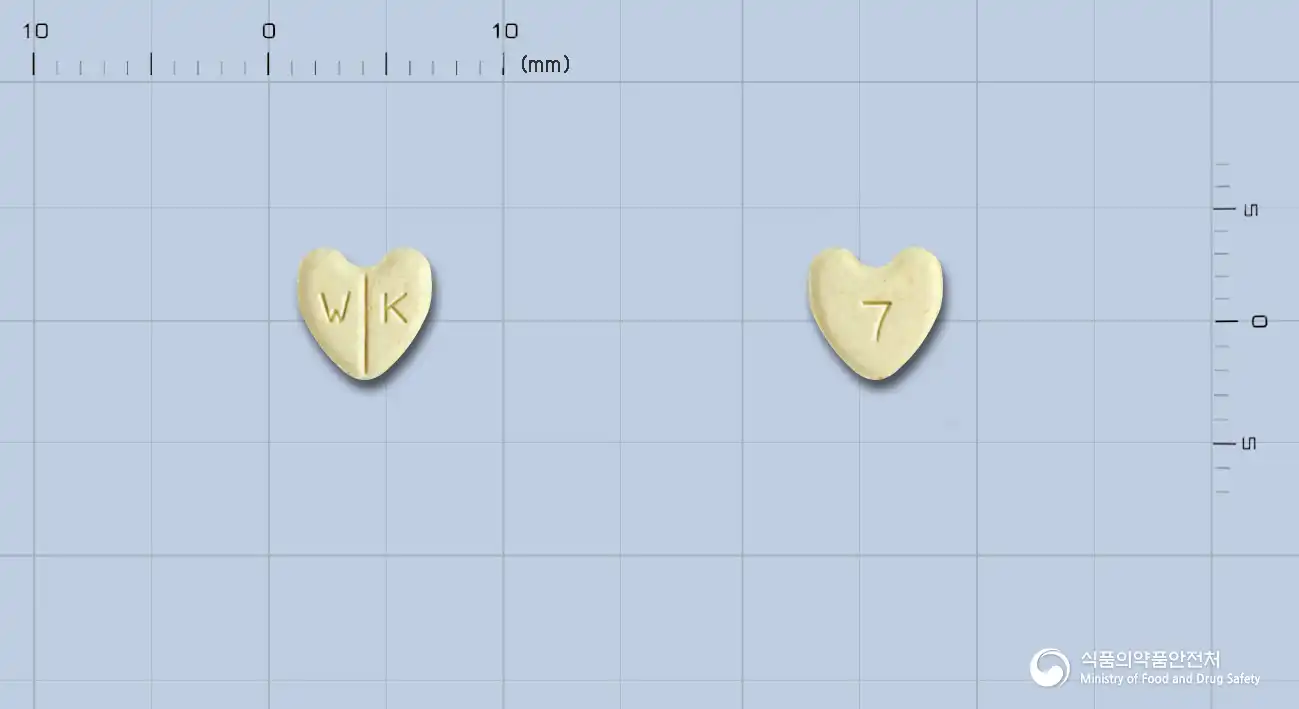
S-Amlodipine Besylate 2.5 Hydrate 3.74mg
Tablet · Prescription medication
Austin Pharmaceutical Co., Ltd.
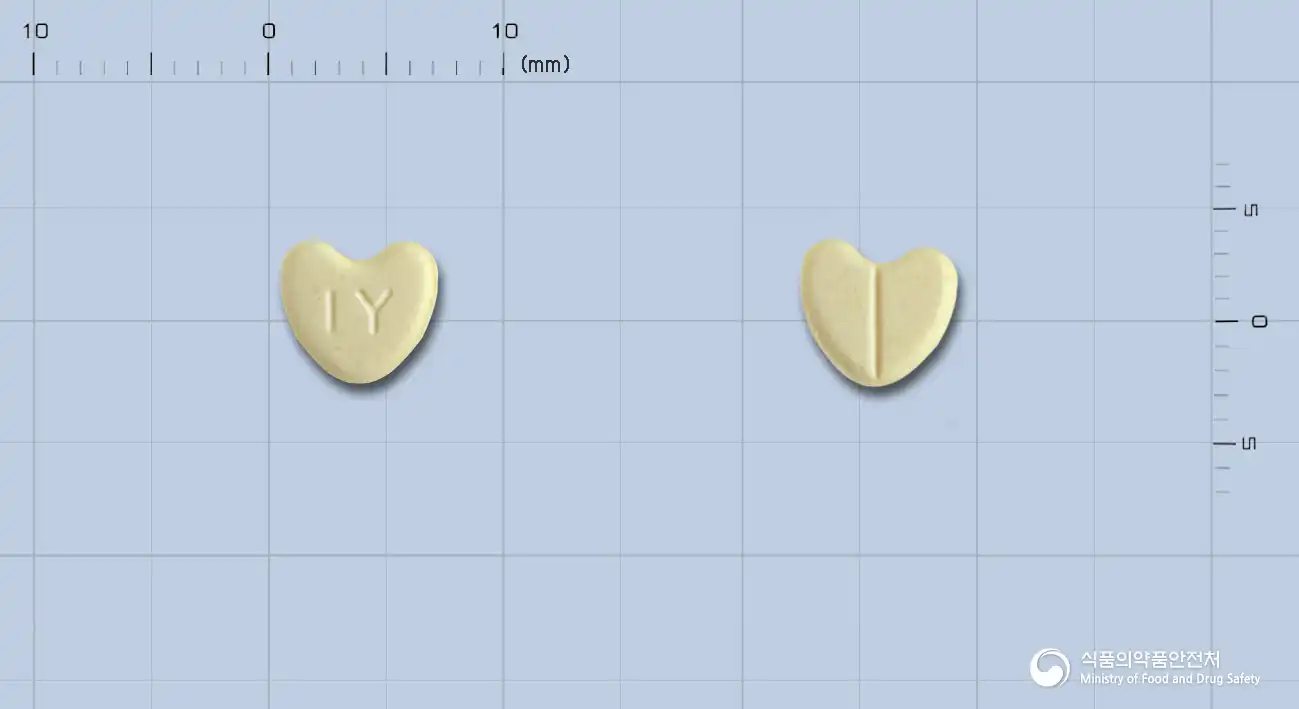
S-Amlodipine Besylate 2.5 Hydrate 3.74mg
Tablet · Prescription medication
Il Yang Pharmaceutical Co., Ltd.
Even with the same ingredient, the dose and directions can differ by strength and dosage form. Talk to a doctor or pharmacist before switching from a medication you are already taking.
No questions yet.
For anything that needs medical judgment, consult a doctor or pharmacist.
This drug information is based on data provided by the Korea Ministry of Food and Drug Safety.
Consult a doctor or pharmacist for accurate dosage, administration, and usage instructions.