
 한국어
한국어 English
 日本語
日本語 中文(简体)
 Viewing now
Phenova Tablet (Fenofibrate)
Fenofibrate 160mg
Tablet · Prescription medication
Kyung Dong Pharmaceutical Co., Ltd.
MFDS item code 201404451 · Approved 2014.09.29 · Insurance code 648103470
Improvement of primary hyperlipidemia (hypercholesterolemia, hypertriglyceridemia)
This medication is used to treat primary hyperlipidemia, including hypercholesterolemia (Type IIa), mixed hyperlipidemia (Type IIb, III), and hypertriglyceridemia (Type IV).
As fenofibrate, 160 mg is administered orally once daily immediately after meals. Fenofibrate must be given in conjunction with dietary therapy. This medication may have reduced absorption on an empty stomach, so it is given immediately after meals.
There is currently no clinical data regarding the use of this medication in children.
This medication should not be used in patients with poor liver function. In patients with moderate to severe renal impairment, there is a risk of serious muscle damage called rhabdomyolysis, so it should not be administered. Women who are pregnant or may become pregnant, and breastfeeding women should not take this medication. Patients allergic to this medication or its ingredients should not use it. Patients with gallbladder disease or a history of gallstones should take caution when using this medication. Patients who have experienced photosensitivity or phototoxic reactions while taking fibrates or ketoprofen should not use this medication. This medication should not be used in children. Patients with biliary cirrhosis or pancreatitis should use this medication cautiously, and those with acute pancreatitis should consult a physician. Patients with lactose intolerance or specific genetic metabolic disorders should not take this medication. Patients with allergies to soybeans, peanuts, or soy oil should also avoid using this medication. Mildly impaired renal function patients may require dose adjustment or extended dosing intervals, and patients with liver function abnormalities should also use it with caution. Patients with hypoalbuminemia, a history of gallstones, those taking anticoagulants, and the elderly should be administered this medication carefully. This medication can affect the liver and biliary system, potentially causing elevated liver enzyme levels, hepatitis, or gallstones, so regular liver function tests are necessary. Skin rash, itching, and photosensitivity reactions may occur, and rarely, hair loss may happen. Neurological symptoms such as dizziness, headache, and weakness may appear. Due to the risk of thromboembolic events, attention should be given to vascular symptoms. If there are musculoskeletal reactions such as myalgia, muscle cramps, or elevations in creatine kinase, consult a physician immediately. Gastrointestinal symptoms may include abdominal pain, nausea, vomiting, and diarrhea, and in rare cases, pancreatitis may occur. This medication can affect blood coagulation, so blood tests and caution are needed. There are many interactions with other medications, especially with statins, anticoagulants, and antidiabetic agents, so caution is necessary when used together. It should not be taken during pregnancy as it can harm the fetus, and breastfeeding is also advised against. The elderly are at higher risk for adverse reactions due to decreased liver and renal function, so careful evaluation and regular testing are required before administration. There are no specific antidotes for overdose, and symptoms may be unclear, so the prescribed dosage must be strictly followed. Keep out of reach of children, and avoid transferring the medication to another container.
Urticaria, severe swelling (edema), chest tightness, difficulty breathing, cold sweat, pallor, serum aminotransferase (AST or ALT) elevation greater than three times the normal level, skin peeling, mucosal pain in mouth/eyes, severe rash, blisters, shortness of breath or respiratory distress, asthma attacks, respiratory abnormalities accompanied by coughing and fever, jaundice of the skin or eyes, extreme lethargy, sudden and very severe headache, thunderclap headache, seizures
Not everyone experiences these, and they can vary from person to person.
This medication must be stored in a tightly closed container to protect it from air or moisture. It is important to maintain a storage temperature between 1 degree and 30 degrees Celsius.
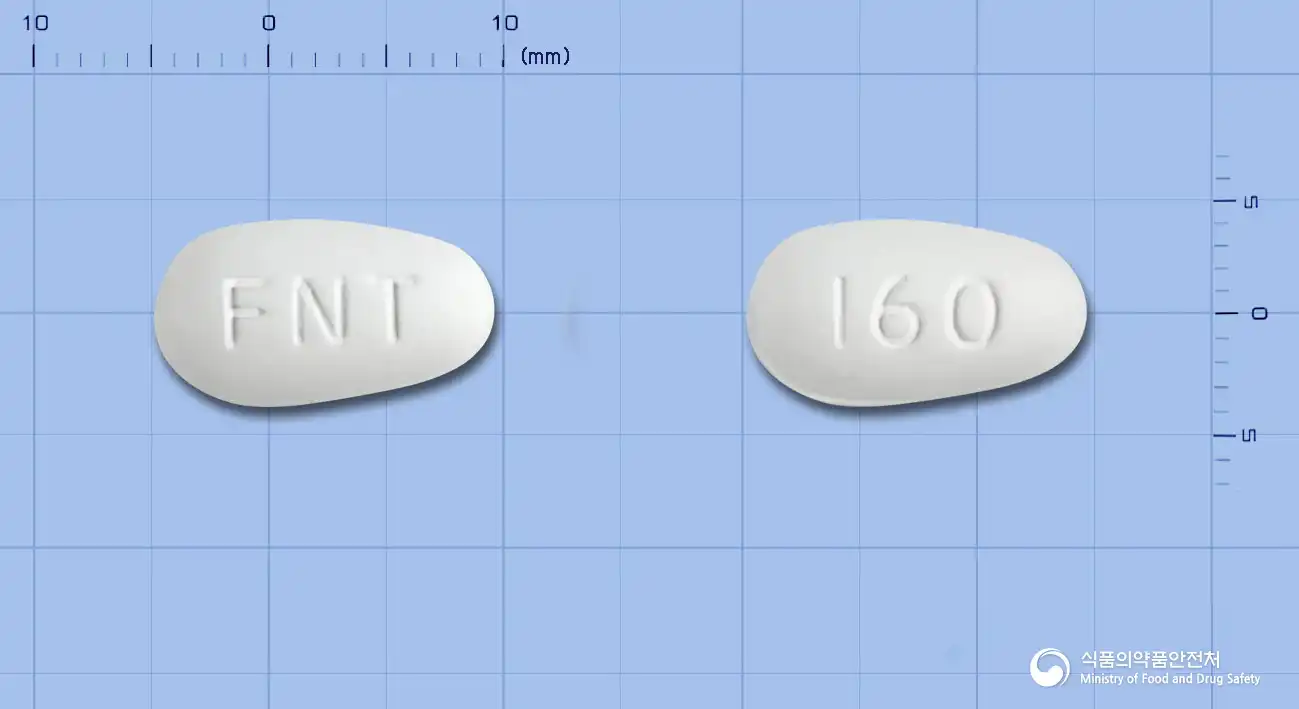
White, elongated film-coated tablet
100 tablets (10 tablets/PTP x 10)
Even with the same ingredient, strength, dosage form and how it is taken can differ.
Viewing nowFenofibrate 160mg
Tablet · Prescription medication
Kyung Dong Pharmaceutical Co., Ltd.
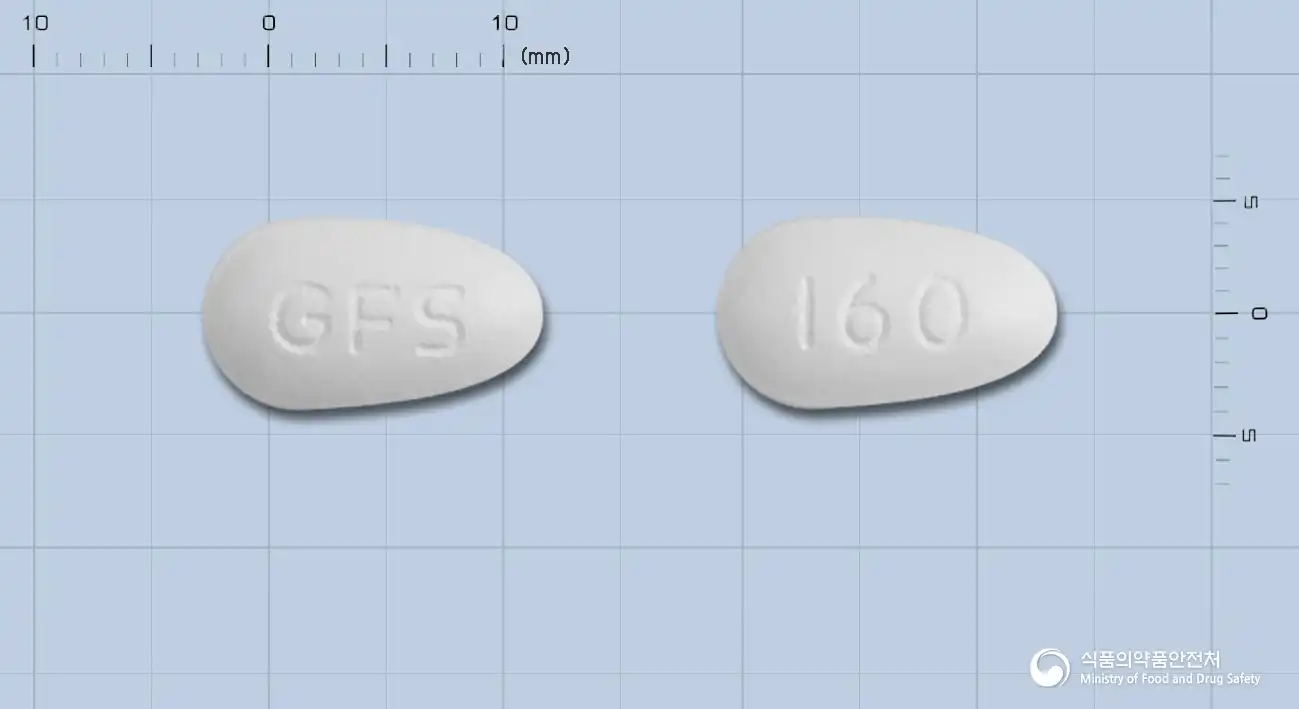
Fenofibrate 160mg
Tablet · Prescription medication
Samchundang Pharm Co., Ltd.
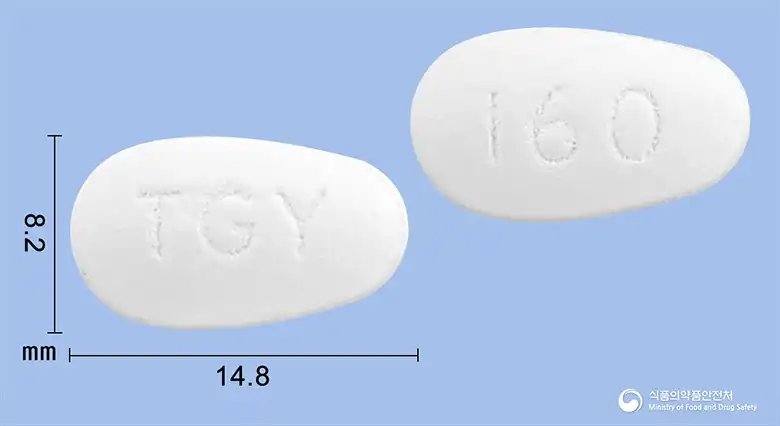
Fenofibrate 160mg
Tablet · Prescription medication
Yu Yeong Pharmaceutical Co., Ltd.
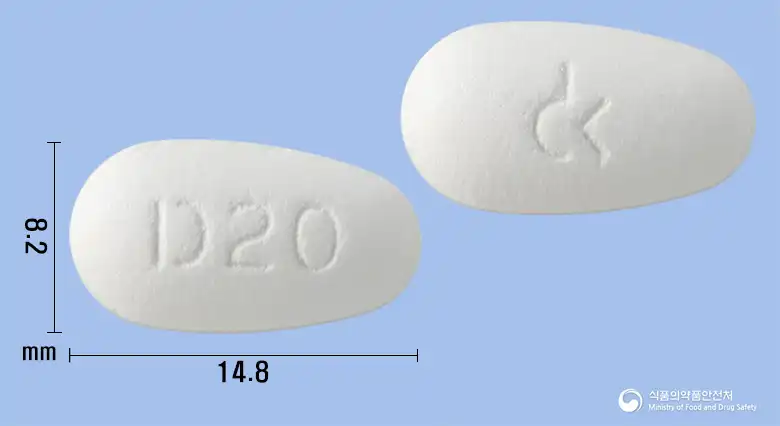
Fenofibrate 160mg
Tablet · Prescription medication
Dongkook Pharmaceutical Co., Ltd.
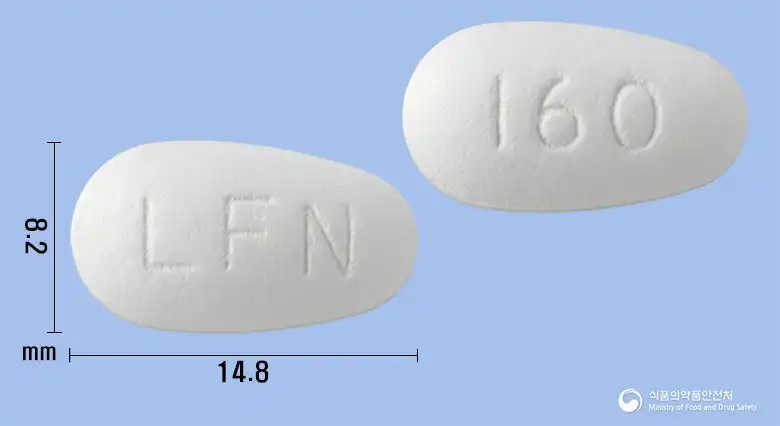
Fenofibrate 160mg
Tablet · Prescription medication
Jinyang Pharmaceutical Co., Ltd.
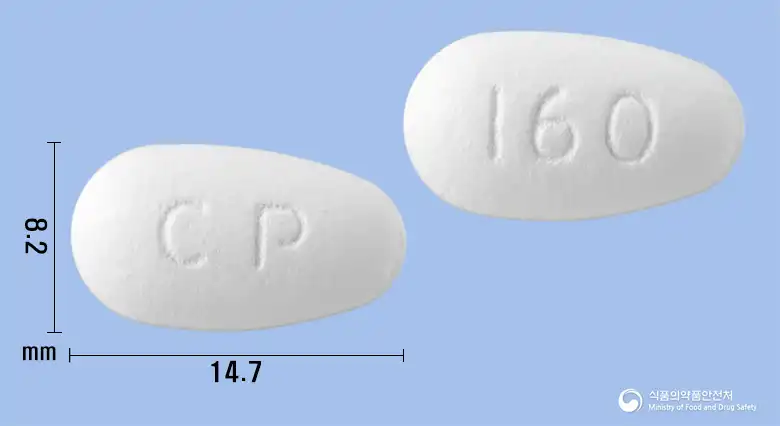
Fenofibrate 160mg
Tablet · Prescription medication
CMG Pharmaceutical Co., Ltd.
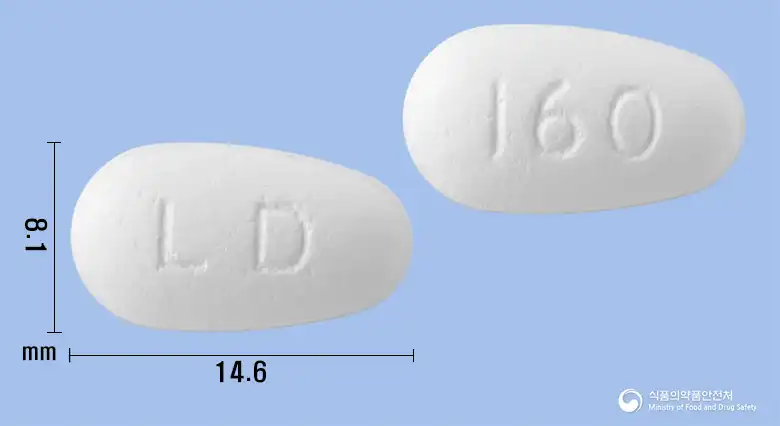
Fenofibrate 160mg
Tablet · Prescription medication
Korea Hyutecs Pharmaceutical Co., Ltd.
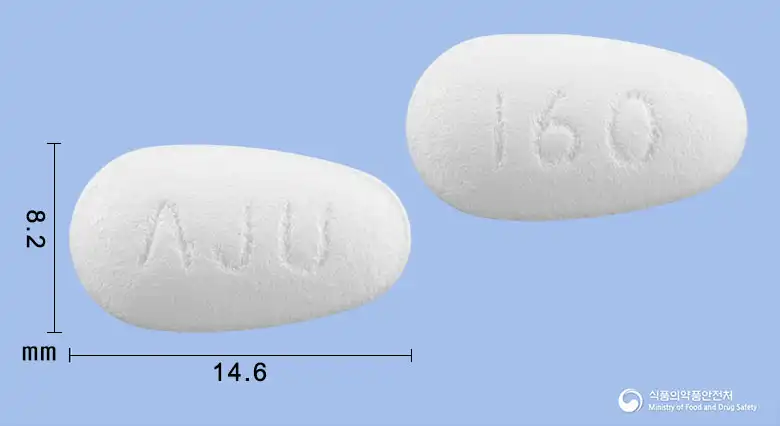
Fenofibrate 160mg
Tablet · Prescription medication
Aju Pharmaceuticals Co., Ltd.
Even with the same ingredient, the dose and directions can differ by strength and dosage form. Talk to a doctor or pharmacist before switching from a medication you are already taking.
No questions yet.
For anything that needs medical judgment, consult a doctor or pharmacist.
This drug information is based on data provided by the Korea Ministry of Food and Drug Safety.
Consult a doctor or pharmacist for accurate dosage, administration, and usage instructions.