
 한국어
 English
 日本語
 中文(简体)
 Viewing now
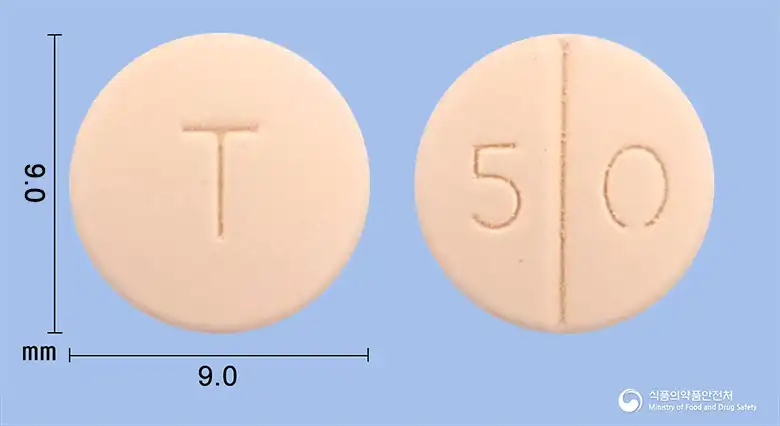
Myeongin Trazodone Hydrochloride Tablets 50 mg
Trazodone Hydrochloride 50mg
Tablet · Prescription medication
Myeongin Pharmaceutical Co., Ltd.
MFDS item code 201404400 · Approved 2014.09.26 · Insurance code 651904060
Improvement of depressive symptoms
This medicine is used for depression.
The initial dose of trazodone hydrochloride is 150 mg per day taken orally, increasing by 50 mg every 3 to 4 days. Outpatients should not exceed 400 mg per day, and hospitalized patients (severe depression) should not exceed 600 mg per day. Start at a low dose and gradually increase based on clinical response and tolerability. If drowsiness occurs, the majority of the dose should be taken at bedtime.
This medication should be used cautiously in children, adolescents, and young adults with major depressive disorder or psychiatric disorders, as it can increase the risk of suicidal thoughts or behaviors. Additionally, persistent erection may occur during the use of this medication; if this happens, discontinue the medication immediately and consult a doctor. Persons allergic to this medication or its components, those taking MAO inhibitors for the treatment of certain mental disorders, children under 18 years of age, patients with acute myocardial infarction, those addicted to alcohol or sleeping pills, and patients currently taking certain other medications should not take this medication. Caution is necessary when using this medication in patients with heart disease, glaucoma, seizure disorders, bipolar disorder, psychosis, the elderly, those with a history of suicidal impulses, thyroid function abnormalities, or impaired kidney and liver function. This medication can cause a variety of side effects, such as severe muscle rigidity, fever, changes in blood pressure (neuroleptic malignant syndrome), blood abnormalities, hypersensitivity reactions, low blood pressure, psychiatric and neurological symptoms, gastrointestinal symptoms, and liver function abnormalities; consult a doctor immediately if any unusual symptoms occur. Drowsiness or decreased concentration may occur during use, so activities such as driving a car or operating dangerous machinery should be avoided, and blood tests should be performed if infection symptoms develop. This medication may interact with other drugs, particularly blood pressure medications, alcohol, central nervous system depressants, anticoagulants, certain antibiotics and antifungals, and serotonin-active drugs. Women who are pregnant or breastfeeding should carefully consider the risks and benefits of taking this medication; if breastfeeding, it is advisable to either avoid taking it or stop breastfeeding. In cases of overdose, symptoms such as drowsiness, vomiting, cardiac abnormalities, prolonged erection, and seizures may manifest, and appropriate treatment should be sought immediately.
Not everyone experiences these, and they can vary from person to person.
This medication should be stored in a tightly sealed container to prevent exposure to air and moisture, ideally at room temperature between 1 and 30 degrees Celsius. Proper storage will help maintain the medication's effectiveness and prevent deterioration.
Peach-colored round film-coated tablets
100 tablets/bottle, 500 tablets/bottle
Even with the same ingredient, strength, dosage form and how it is taken can differ.
Viewing nowTrazodone Hydrochloride 50mg
Tablet · Prescription medication
Myeongin Pharmaceutical Co., Ltd.

Trazodone Hydrochloride 50mg
Tablet · Prescription medication
International Pharmaceutical Co., Ltd.

Trazodone Hydrochloride 25mg
Tablet · Prescription medication
International Pharmaceutical Co., Ltd.

Trazodone Hydrochloride 25mg
Hard capsule · Prescription medication
Hwanin Pharmaceutical Co., Ltd.
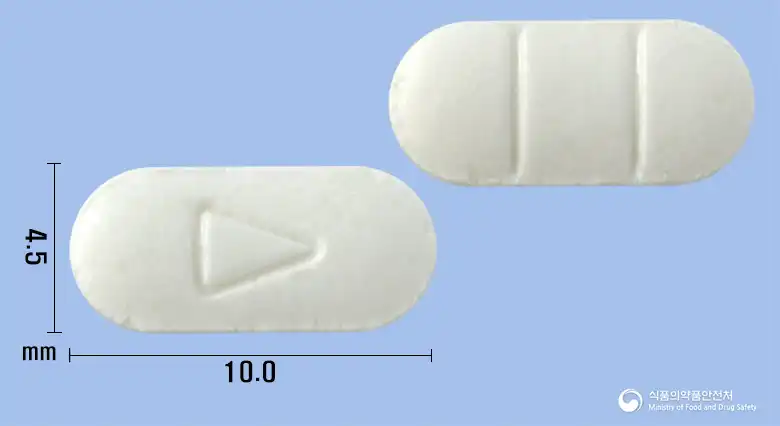
Trazodone Hydrochloride 75mg
Tablet · Prescription medication
Kukje Pharmaceutical Co., Ltd.

Trazodone Hydrochloride 25mg
Hard capsule · Prescription medication
Myung In Pharmaceutical Co., Ltd.
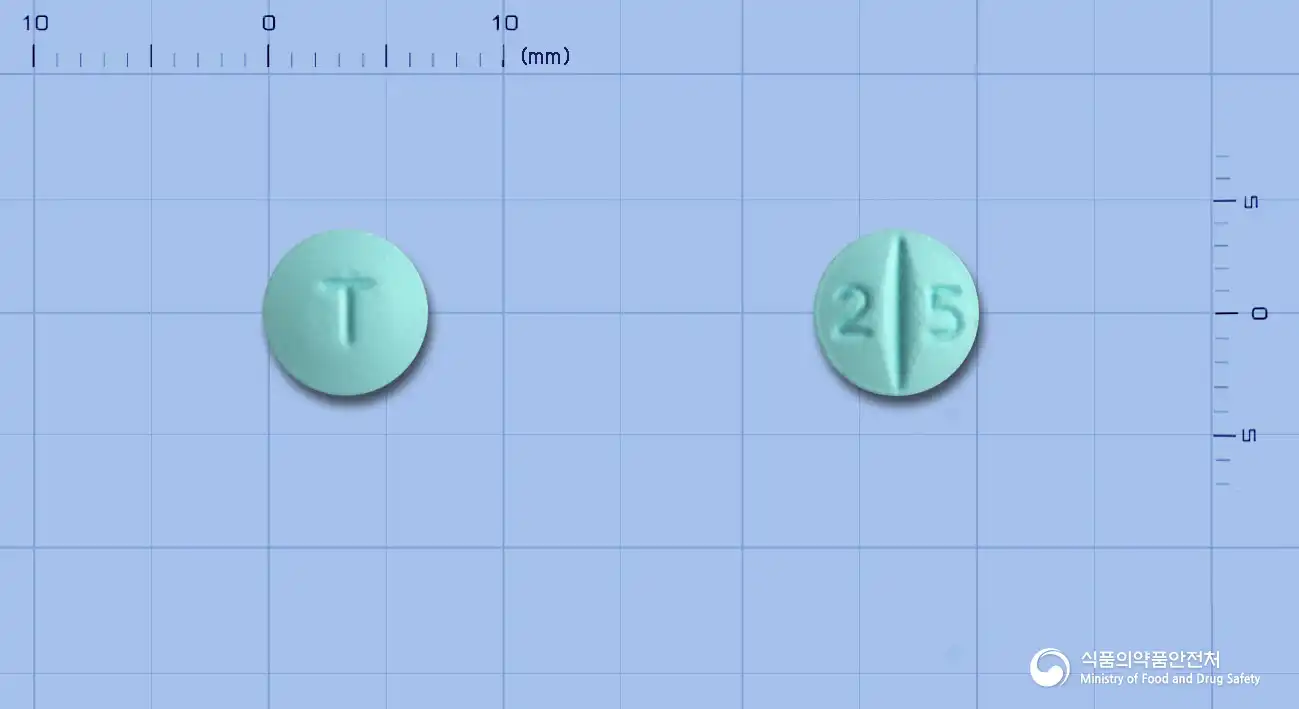
Trazodone Hydrochloride 25mg
Tablet · Prescription medication
Myeong In Pharmaceutical Co., Ltd.
Even with the same ingredient, the dose and directions can differ by strength and dosage form. Talk to a doctor or pharmacist before switching from a medication you are already taking.
No questions yet.
For anything that needs medical judgment, consult a doctor or pharmacist.
This drug information is based on data provided by the Korea Ministry of Food and Drug Safety.
Consult a doctor or pharmacist for accurate dosage, administration, and usage instructions.