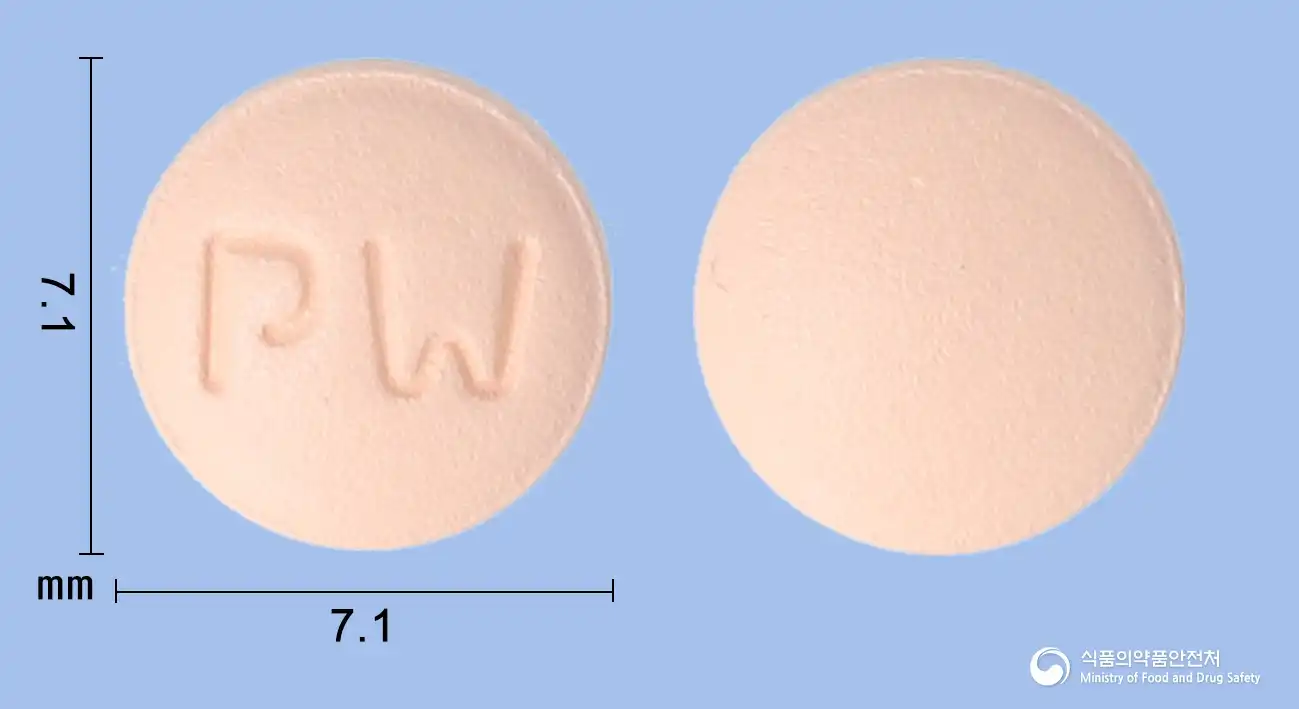
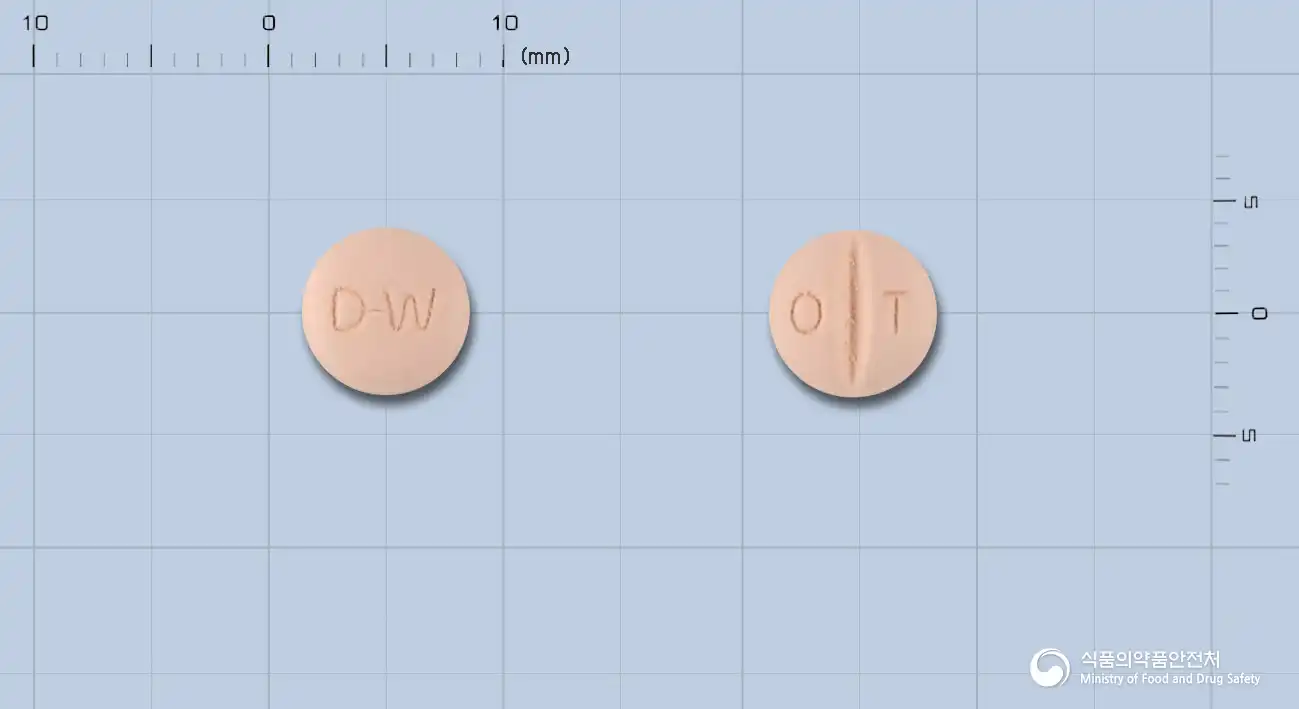
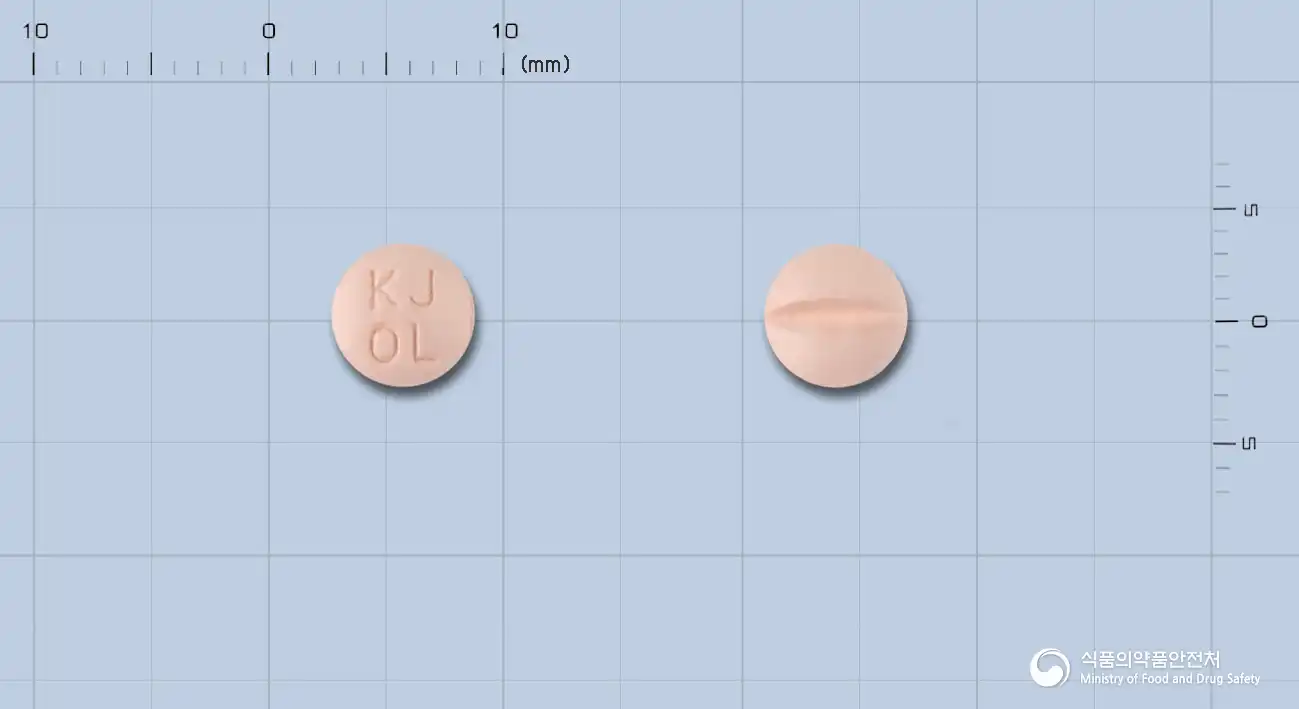
[Multiple-use] Colorless or slightly yellow ophthalmic solution in an opaque white container
[Single-use] Colorless to slightly yellow clear liquid in a colorless transparent plastic container
This medication is used to relieve symptoms such as itching, redness, and tearing of the eyes caused by allergic conjunctivitis. This medicine effectively reduces allergic reactions and improves symptoms.
How to apply drops
Adult eye dose
Instill 1 drop once a day.
Precautions
This medicine should not be used by patients who have had allergic reactions to the active ingredient or any components of this medication.
While using this medication, symptoms such as headaches, taste disturbances, and dizziness may occur.
With regard to the eyes, symptoms such as punctate keratitis, keratitis, eye pain, dry eyes, itching eyes, increased eye discharge, eye congestion, and eyelid swelling may occur not infrequently.
Additionally, symptoms such as glare, blurred vision, and eyelid erythema may occur rarely.
Symptoms like nasal dryness, rhinitis, dry mouth, contact dermatitis, and fatigue have also been reported.
After instilling this medication, symptoms similar to a cold and pharyngitis can occur in about 10% of users, as well as conjunctivitis, lethargy, lower back pain, flu-like symptoms, frequent coughing, infections, nausea, and sinusitis in some patients.
This medication contains phosphates, which may cause a rare side effect of corneal calcification in patients with severe corneal damage, so caution is advised.
It is advisable not to use this medication while wearing contact lenses, and particularly for soft contact lens users, they should wait at least 15 minutes after instillation before putting in the lenses.
Benzalkonium chloride included in this medication may cause eye irritation and discoloration of contact lenses, so caution is necessary.
Temporary blurred vision may occur after instillation, so one should wait until vision returns to normal before driving or operating machinery.
Research on drug interactions with this medication has not yet been conducted.
Pregnant women should carefully consider the risks and benefits this medication may pose to the fetus before use, and breastfeeding women must also be cautious as the medication can be transmitted through breast milk.
It can be safely used in children over 3 years of age, and the elderly can use it without special precautions.
In the case of an overdose, immediate medical observation and management are necessary.
This medication is intended for direct instillation into the eyes only, and care should be taken not to let the opening of the container touch the area around the eyes, and the cap should be closed tightly after use.
When using with other ophthalmic preparations, a minimum interval of 5 minutes should be maintained, and ointments should be used last.
For single-use products, each should be used only once after opening, and the first drop should be discarded to remove any fragments of the container.
When not in use, the cap should be tightly closed for storage.
Side effects and when to seek care immediately
Mild side effects
Headache
taste disturbances
dizziness
punctate keratitis
keratitis
eye pain
dry eyes
eyelid swelling
itchy eyes
eye discharge
Show 22 moreCollapse
eye congestion
keratinization of the eyelid margin
eye discomfort
glare
blurred vision
eyelid erythema
nasal dryness
rhinitis
dry mouth
contact dermatitis
fatigue
cold-like symptoms and pharyngitis
hypersensitivity
conjunctivitis
lethargy
lower back pain
flu-like symptoms
frequent coughing
infections
nausea
sinusitis
tear production
Not everyone experiences these, and they can vary from person to person.
Storage
This medication should be stored in a sealed container to prevent air and moisture from entering, ideally in a cool place between 2 and 25 degrees Celsius. This way of storage helps maintain the effectiveness of the medication and prevents deterioration.
Appearance and packaging
Appearance
[Multiple-use] Colorless or slightly yellow ophthalmic solution in an opaque white container
[Single-use] Colorless to slightly yellow clear liquid in a colorless transparent plastic container
Even with the same ingredient, the dose and directions can differ by strength and dosage form. Talk to a doctor or pharmacist before switching from a medication you are already taking.
This drug information is based on data provided by the Korea Ministry of Food and Drug Safety. Consult a doctor or pharmacist for accurate dosage, administration, and usage instructions.

 한국어
한국어 English
 日本語
日本語 中文(简体)