
 한국어
 English
 日本語
 中文(简体)
 Viewing now
Eurojet XL Tablet (Alfuzosin Hydrochloride)
Alfuzosin Hydrochloride 5mg
Tablet · Prescription medication
Lian Pharmaceutical Co., Ltd.
MFDS item code 201404225 · Approved 2014.09.15 · Insurance code 658603100
Treatment of symptoms of benign prostatic hyperplasia and catheter-assisted treatment of associated acute urinary retention
This medication is used for the treatment of functional symptoms caused by benign prostatic hyperplasia, helping to alleviate urinary problems associated with it. Additionally, it serves to support catheter treatment in acute urinary retention situations associated with benign prostatic hyperplasia. In summary, it is effectively used for symptom improvement related to prostatic hyperplasia and management of acute urinary retention.
The recommended dose is 10 mg once daily, taken immediately after the evening meal. Swallow the tablet whole without chewing. When used as adjunctive therapy to catheterization for acute urinary retention associated with benign prostatic hyperplasia, the recommended dose is 10 mg once daily, taken after a meal beginning on the first day of catheterization. Take it for 2-3 days while the catheter is in place and for 1 day after catheter removal, for a total of 3-4 days.
This medication contains alfuzosin and should not be taken by certain patients. Individuals with allergies to alfuzosin or any other components of this medication, those with orthostatic hypotension, severely impaired liver function, poor kidney function, bowel obstruction, patients already taking other alpha-blockers, and those on strong CYP3A4 inhibitors should not take this medication. This medication may cause orthostatic hypotension in some patients, particularly those taking blood pressure medications, during the first few hours, leading to symptoms such as dizziness, fatigue, and sweating. In such cases, rest in a lying position should be taken until symptoms completely disappear, and caution is particularly necessary for older patients. Patients with heart diseases or those taking it alongside blood pressure medications should use this medication with caution, and it is inappropriate to prescribe it alone to patients with coronary artery disease. If symptoms of angina worsen, the medication should be discontinued immediately. Caution is also required for patients with QT interval prolongation or those taking related medications that could affect the electrical signals of the heart. Common side effects include dizziness, headache, upper respiratory tract infection, dyspepsia, constipation, weakness, and fatigue, with rare occurrences of skin rash, hypotension, and erectile dysfunction. This medication may be associated with small pupil syndrome during cataract surgery, so it is essential to inform your ophthalmologist before undergoing eye surgery. The entire tablet should be swallowed; crushing, chewing, or breaking it into powder can lead to instability in efficacy and increase the risk of side effects. Patients who have taken other alpha-blockers or have a severe history of hypotension should be more cautious when using this medication. Severe side effects such as persistent erections may occur rarely, so if such symptoms arise, inform a healthcare provider immediately. Furthermore, this medication may cause a risk of excessively low blood pressure when used with certain antihypertensive agents or nitrate preparations, so consultation with a doctor is essential. It is not recommended for use in pregnant or breastfeeding women as safety has not been established. Efficacy has not been proven in pediatric patients, and it should not be used in children under 2 years of age. In the initial stages of use, dizziness or weakness may occur, thus caution is advised when driving or operating machinery. In case of overdose, immediate hospitalization for appropriate treatment is necessary, as removal by dialysis is difficult. Lastly, this medication should be stored out of reach of children and should not be transferred to other containers for safety.
fainting, dizziness, headache, vertigo, syncope, tachycardia, angina pectoris, atrial fibrillation, intraoperative pupillary dilation syndrome, upper respiratory tract infection, bronchitis, sinusitis, pharyngitis, rhinitis, nausea, abdominal pain, dyspepsia, constipation, diarrhea, vomiting, hepatocellular liver damage, cholestatic liver disease, skin rash, pruritus, urticaria, angioedema, myasthenia, fatigue, pain, edema, chest pain, erectile dysfunction, priapism, hypotension, flushing, facial flushing, thrombocytopenia
Not everyone experiences these, and they can vary from person to person.
This medication should be stored in a tightly sealed container, protected from air and moisture. It is recommended to maintain a storage temperature between 1°C and 30°C at room temperature to ensure prolonged efficacy and safe usage.
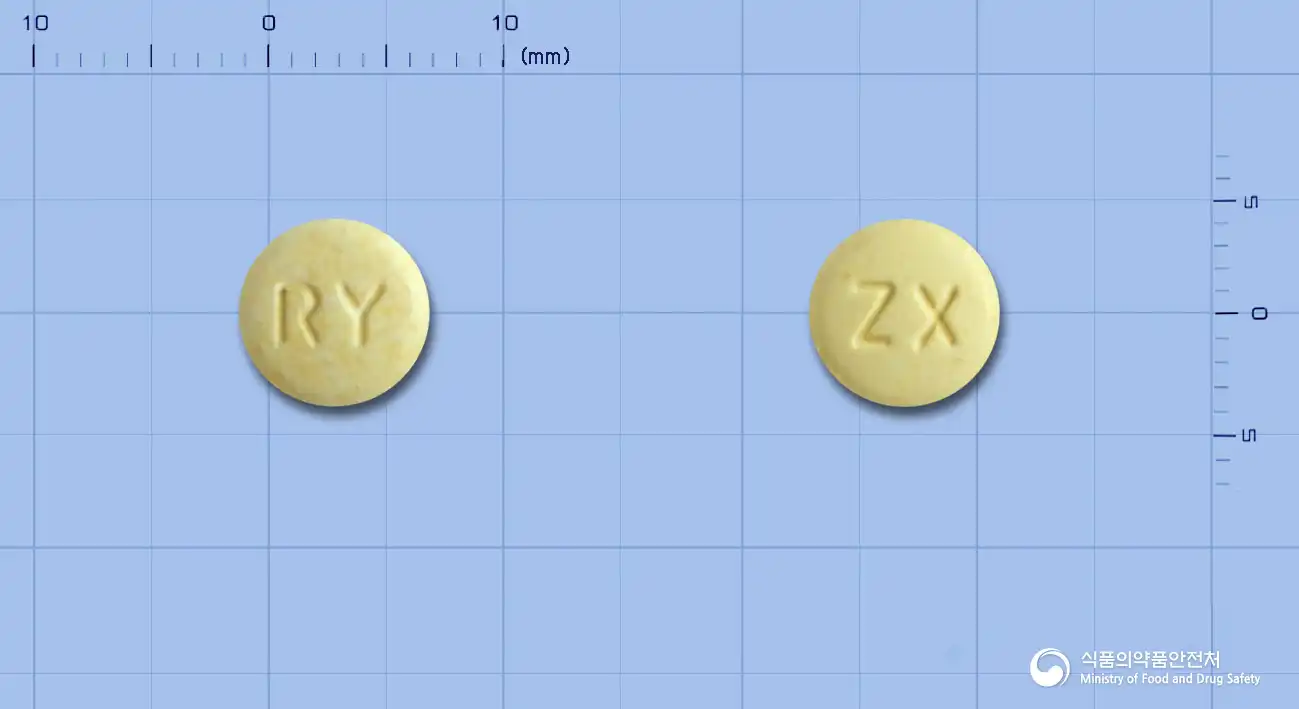
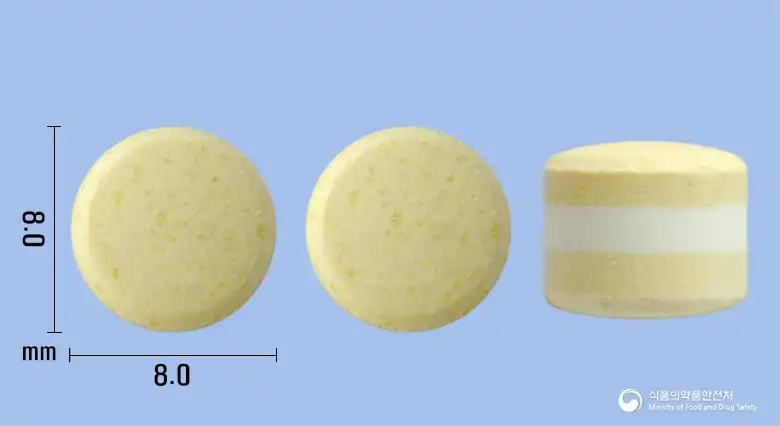
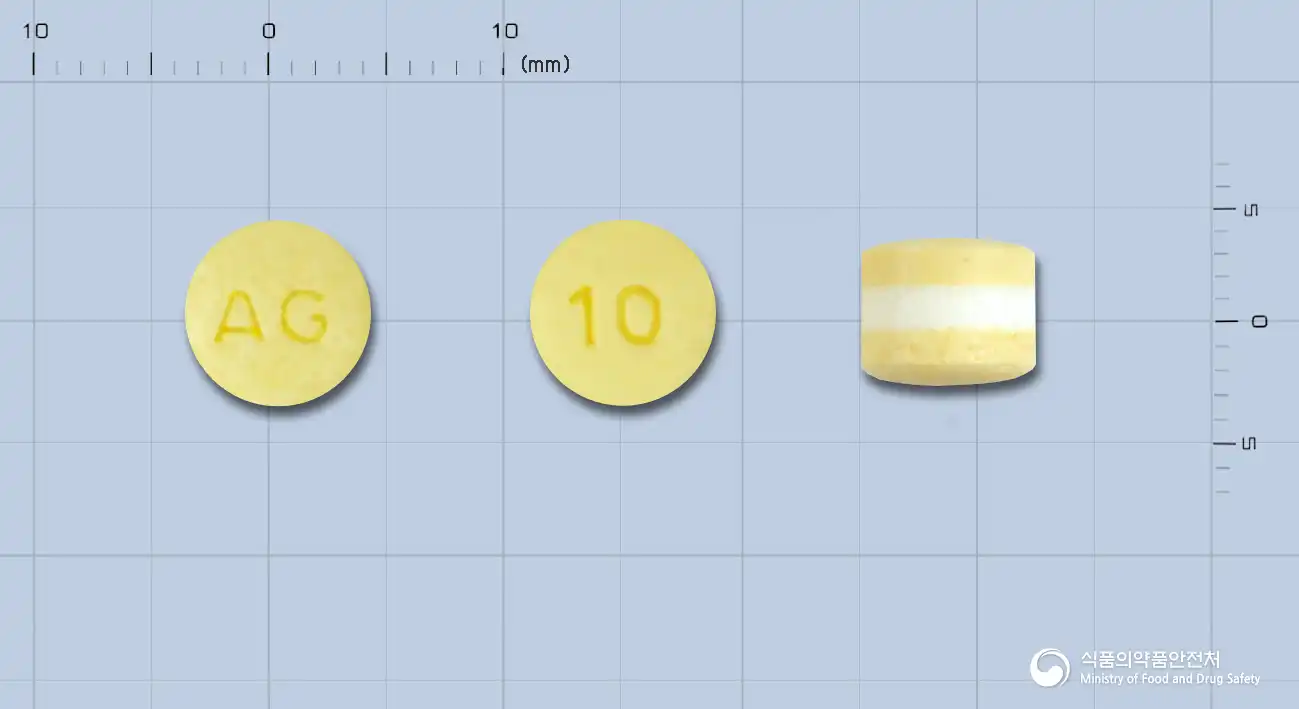
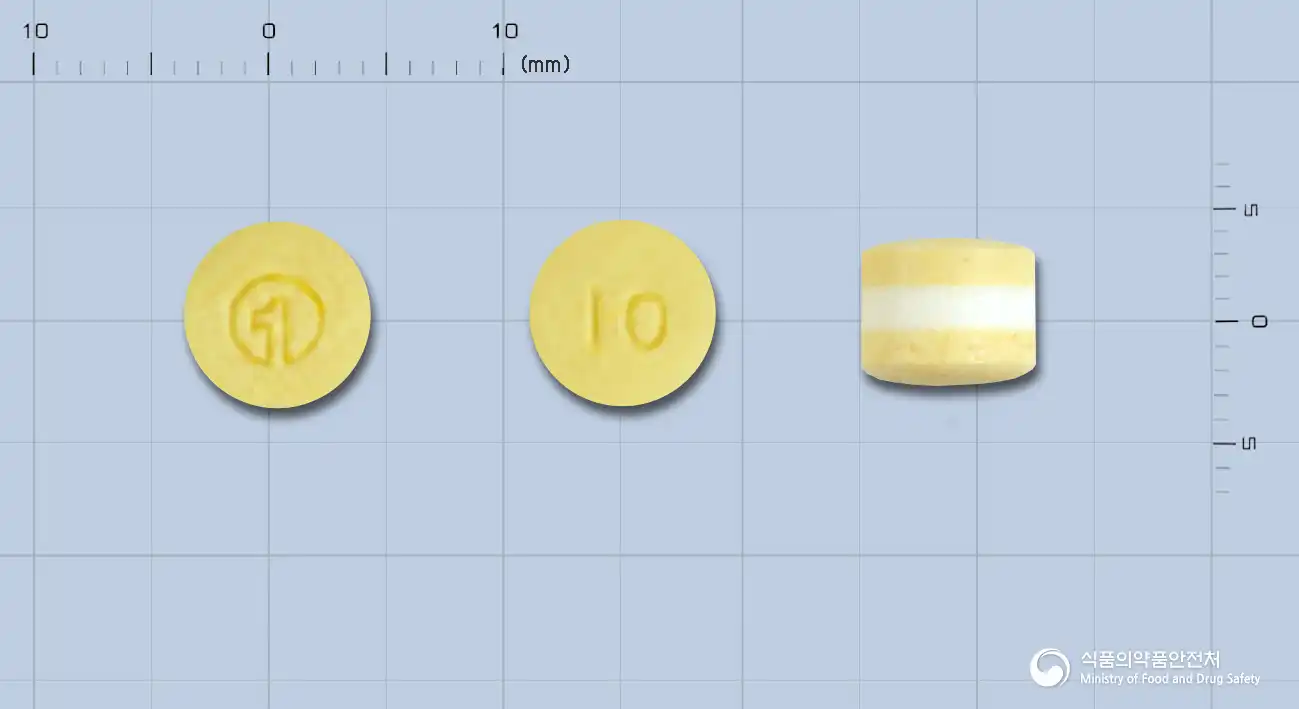
A film-coated tablet with a total of 3 layers, consisting of 1 white layer inserted between 2 yellow layers, and shaped as convex on both sides.
30 tablets/bottle, 100 tablets/bottle
Even with the same ingredient, strength, dosage form and how it is taken can differ.
Viewing nowAlfuzosin Hydrochloride 5mg
Tablet · Prescription medication
Lian Pharmaceutical Co., Ltd.
Alfuzosin Hydrochloride 10mg
Tablet · Prescription medication
Handok Co., Ltd.
Alfuzosin Hydrochloride 5mg
Tablet · Prescription medication
Ahn-Gook Pharmaceutical Co., Ltd.
Alfuzosin Hydrochloride 5mg
Tablet · Prescription medication
Korea Pharmaceutical Co., Ltd.
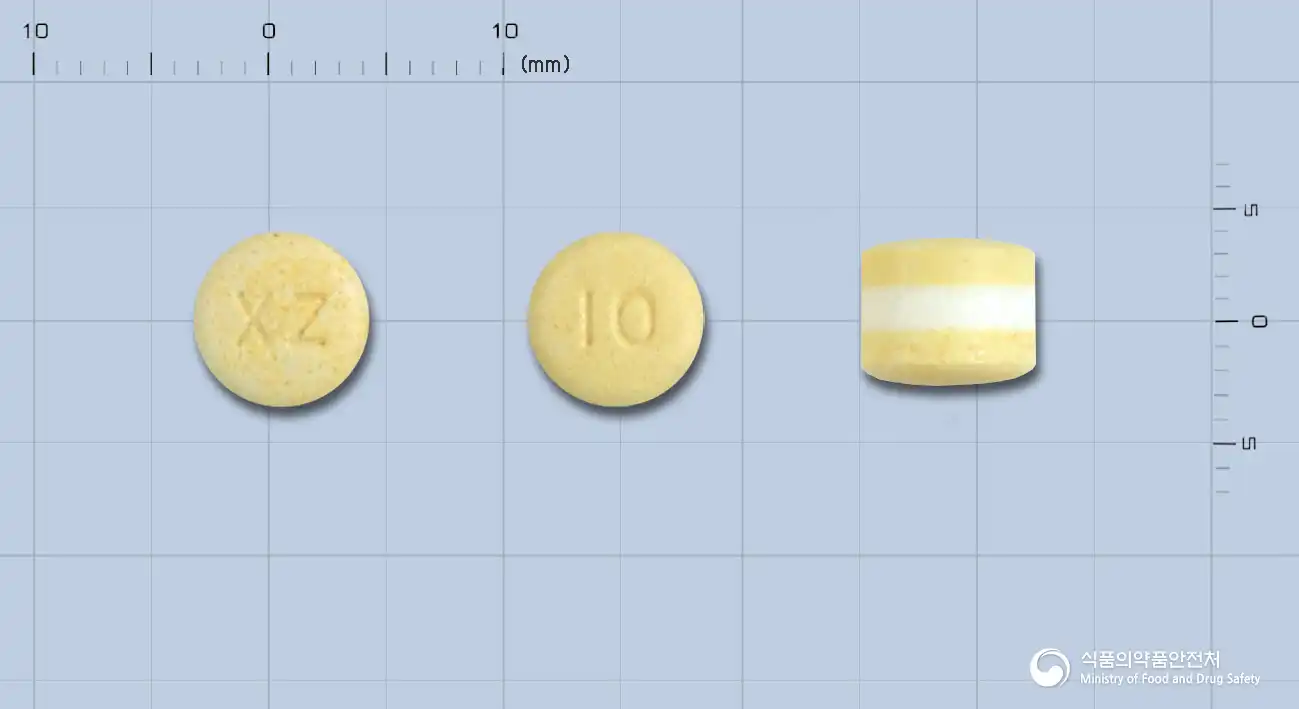
Alfuzosin Hydrochloride 5mg
Tablet · Prescription medication
Dongkwang Pharmaceutical Co., Ltd.
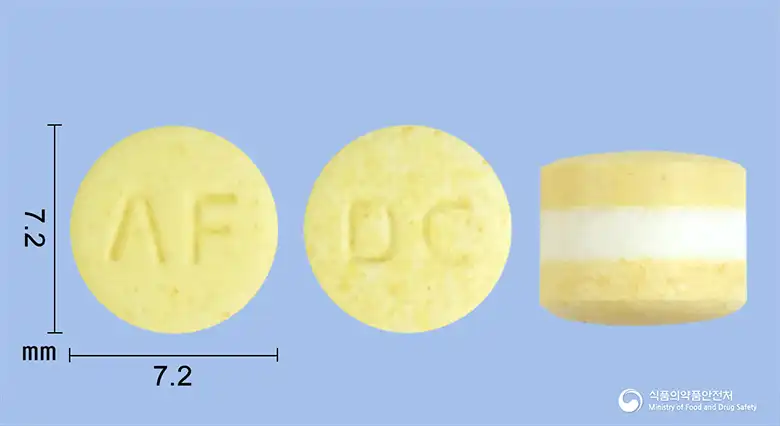
Alfuzosin Hydrochloride 5mg
Tablet · Prescription medication
Dong Gu Bio Pharmaceutical Co., Ltd.
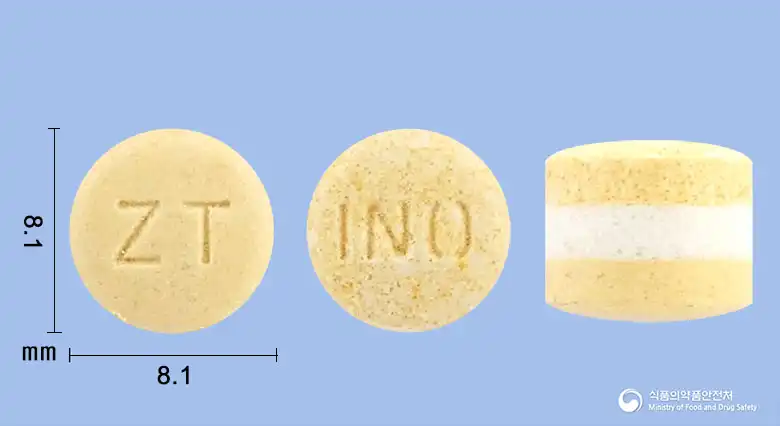
Alfuzosin Hydrochloride 5mg
Tablet · Prescription medication
HK inno.N Co., Ltd.
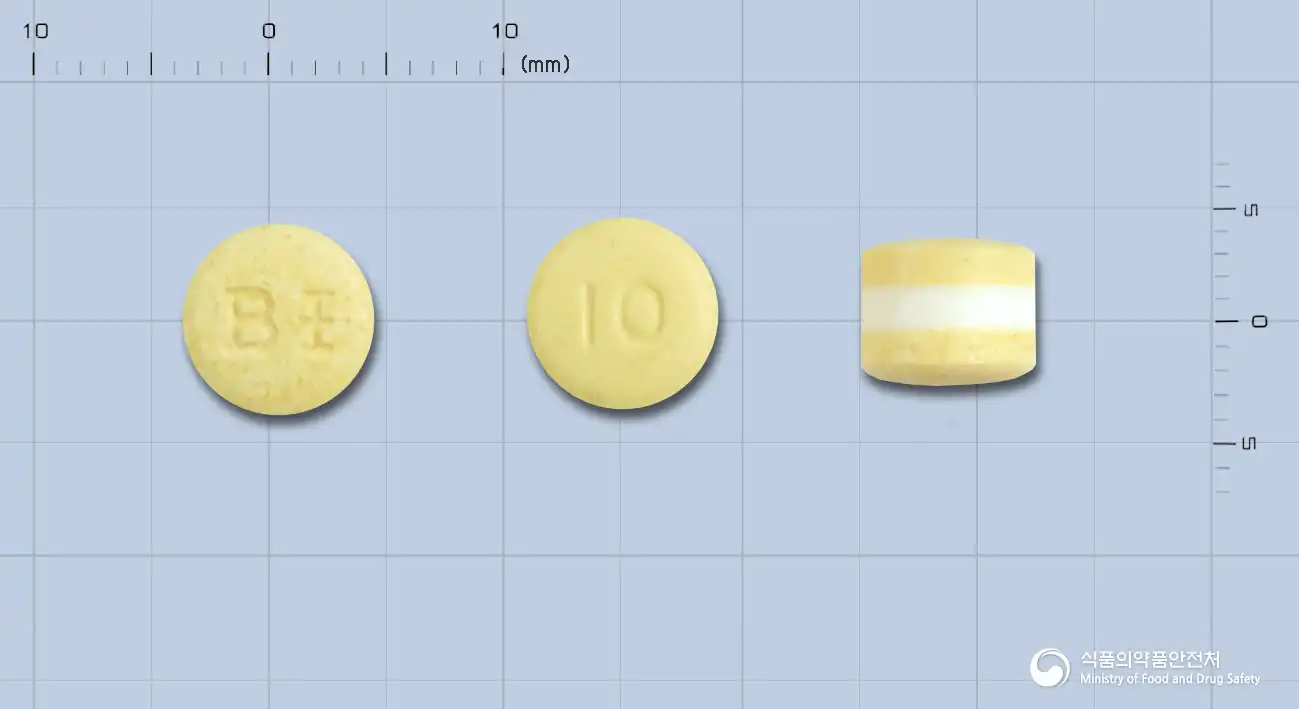
Alfuzosin Hydrochloride 5mg
Tablet · Prescription medication
Bionex Co., Ltd.
Even with the same ingredient, the dose and directions can differ by strength and dosage form. Talk to a doctor or pharmacist before switching from a medication you are already taking.
No questions yet.
For anything that needs medical judgment, consult a doctor or pharmacist.
This drug information is based on data provided by the Korea Ministry of Food and Drug Safety.
Consult a doctor or pharmacist for accurate dosage, administration, and usage instructions.