
 한국어
한국어 English
 日本語
日本語 中文(简体)
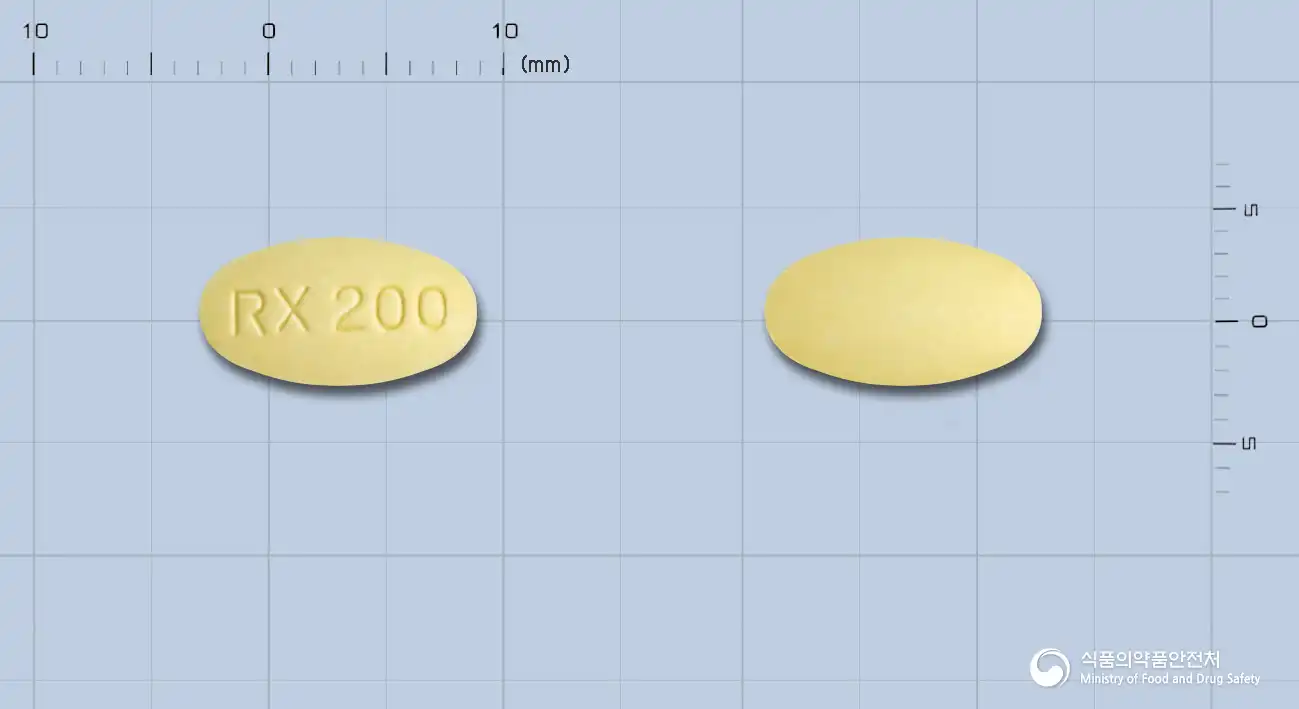
Dosage form image
Viewing nowPuligen Tablets (Chlorzoxazone)
Chlorzoxazone 200mg
Tablet · OTC medication
Mothers Pharmaceutical Co., Ltd.
MFDS item code 201404088 · Notified 2014.09.02
This product's status changed to Approval withdrawn on 2023.09.21. It may no longer be sold, so consult a doctor or pharmacist before taking it.
Relief of musculoskeletal pain and spasms (such as low back pain and cervical shoulder syndrome)
This medication is used to improve pain and muscle contraction issues associated with musculoskeletal disorders. Specifically, it is effective for various conditions, including low back pain, cervical shoulder syndrome affecting the neck, shoulders, and arms, periarthritis of the shoulder, and degenerative spondylosis involving bone and joint deformities. It provides pain relief and aids in muscle function recovery for patients suffering from these symptoms. Therefore, it is widely used in treating disorders related to musculoskeletal pain.
For Chlorzoxazone, take 200∼400mg per dose, 3∼4 times a day orally. Adjust appropriately based on age and symptoms.
This medication can rarely cause serious liver damage, so if you experience symptoms such as fever, rash, loss of appetite, nausea, vomiting, fatigue, headache, changes in urine color, or jaundice, you should immediately discontinue use and consult a doctor. Patients with liver disease should consult with a physician before using this medication. Patients with a history of allergic reactions or hypersensitivity to this medication should not use it. Additionally, patients with genetic conditions such as lactose deficiency or galactose intolerance should also avoid this medication. Patients with liver or kidney function issues and those with a history of drug allergies should use this medication with caution. If symptoms of hypersensitivity, such as rash, itching, or hives occur during treatment, discontinue use immediately. Neurological side effects such as drowsiness, dizziness, unsteadiness, and lethargy may occur, requiring a reduction in dosage or discontinuation if they arise. Liver dysfunction can occur rarely, so symptoms should be closely monitored, and medical advice sought if abnormalities occur. Gastrointestinal side effects may include nausea, vomiting, stomach discomfort, diarrhea, and constipation, necessitating attention. Serious allergic reactions such as skin rash, bleeding, angioedema, and anaphylaxis can occur rarely, and urine color may change. This medication can cause drowsiness and decreased attention, so avoid driving or operating hazardous machinery while taking it. Interactions may increase when taken with certain medications or alcohol, so consulting a doctor and adjusting dosages is necessary when combining treatments. Women who are pregnant or may become pregnant should only use this medication if the benefits outweigh the risks, as its safety has not been established. Breastfeeding women should discontinue breastfeeding if taking this medication. Children and adolescents should use this medication cautiously and only when necessary, as its safety has not been fully established for this age group. Elderly patients should receive special attention when administering doses, as physical function may decline.
Rash, itching, drowsiness, dizziness, unsteadiness, lethargy, overstimulation, nausea, vomiting, heartburn, gastric distension, stomach discomfort, diarrhea, constipation, epigastric pain, abdominal pain, urine discoloration (change in urine color)
Not everyone experiences these, and they can vary from person to person.
This medication may be sensitive to air or moisture, so it should be stored in a tightly sealed container. It is advisable to maintain a storage temperature between 1 degree and 30 degrees Celsius at room temperature to preserve the effectiveness of the drug.
White oval tablets
10 tablets/PTP
Even with the same ingredient, strength, dosage form and how it is taken can differ.
Chlorzoxazone 200mg
Tablet · OTC medication
Mothers Pharmaceutical Co., Ltd.
Chlorzoxazone
OTC medication
Hanmi Pharmaceutical Co., Ltd.
Chlorzoxazone 200mg
Tablet · OTC medication
Highple Life Science Co., Ltd.
Chlorzoxazone
OTC medication
HLB Pharmaceuticals Co., Ltd.
Chlorzoxazone
OTC medication
Shinil Pharmaceutical Co., Ltd.
Chlorzoxazone
OTC medication
Bukwang Pharmaceutical Co., Ltd.
Chlorzoxazone 200mg
Tablet · OTC medication
Ilhwa Co., Ltd.
Chlorzoxazone
OTC medication
Sears Pharmaceutical Co., Ltd.
Even with the same ingredient, the dose and directions can differ by strength and dosage form. Talk to a doctor or pharmacist before switching from a medication you are already taking.
No questions yet.
For anything that needs medical judgment, consult a doctor or pharmacist.
This drug information is based on data provided by the Korea Ministry of Food and Drug Safety.
Consult a doctor or pharmacist for accurate dosage, administration, and usage instructions.