
 한국어
한국어 English
 日本語
日本語 中文(简体)
Dosage form image
Viewing nowAmed Tablet (Glymepiride)
Glimepiride 2mg
Tablet · Prescription medication
Medix Pharmaceutical Co., Ltd.
MFDS item code 201404018 · Approved 2014.08.28
This product's status changed to Expired on 2024.08.28. It may no longer be sold, so consult a doctor or pharmacist before taking it.
Improvement of blood glucose control in type 2 diabetes
This medication is used in conjunction with dietary and exercise therapies to help control blood glucose levels in patients with type 2 diabetes. It can be administered alone to improve blood glucose levels, and its effectiveness can be enhanced by combining it with other glucose-lowering agents or insulin if necessary. For instance, it is used in combination when managing blood glucose levels with oral hypoglycemic agents is difficult or when the control achieved with sulfonylureas or metformin monotherapy is insufficient. This medication effectively improves blood glucose control for patients.
Take orally once daily. It should be taken before breakfast or immediately before the first meal. The initial dose is started at 1 mg, and it is increased by 1 mg at intervals of 1 to 2 weeks. Generally, no additional effect is observed with doses above 4 mg, although some patients may increase to 6 mg or 8 mg. If 4 mg per day fails, consider switching to insulin therapy or combining with additional insulin.
This medication should not be used in patients with insulin-dependent diabetes or those with diabetic ketoacidosis or coma. Additionally, patients with allergies to this medication or sulfonylurea drugs, as well as those with severe liver or kidney dysfunction, should not use it. Women who are pregnant or breastfeeding are advised not to take this medication, and patients with severe infections, before and after surgery, or those who have suffered major trauma are recommended to switch to insulin treatment. Patients with gastrointestinal disturbances should be cautious as they may have issues absorbing food, increasing the risk of hypoglycemia. Patients with genetic lactose intolerance or lactase enzyme deficiency should also refrain from taking this medication. During the initial dosages, there is a high risk of hypoglycemia, so blood glucose levels must be monitored very carefully, especially in patients with poor nutritional status, irregular eating patterns, frequent alcohol consumers, those with impaired liver or kidney function, and the elderly. Symptoms of hypoglycemia can vary and may include headaches, severe hunger, nausea, fatigue, confusion, lowered consciousness, etc., so immediate consumption of sugar is necessary if symptoms occur. Serious side effects such as liver function abnormalities, blood abnormalities, and allergic reactions can occur very rarely, so patients should consult their doctor immediately if any unusual symptoms arise. During treatment with this medication, it is important to maintain a regular diet and exercise regimen, and to be prepared to consume sugar immediately in the event of hypoglycemia. If taken with other medications, it may affect blood glucose control, so all medications being taken should be disclosed to the doctor. In the case of pregnancy or breastfeeding, insulin treatment is preferred instead of this medication, and its safety and efficacy have not been verified in children under 18 years of age. Elderly patients may have reduced kidney function, so care must be taken in adjusting dosages. In cases of overdose, severe hypoglycemia may occur, so immediate hospital treatment should be sought for appropriate care.
Not everyone experiences these, and they can vary from person to person.
This medication should be stored in a tightly sealed container to protect it from air and moisture. It is recommended to maintain a storage temperature between 1 and 30 degrees Celsius at room temperature.
Green oblong tablet
30 tablets/bottle, 100 tablets/bottle, 500 tablets/bottle
Even with the same ingredient, strength, dosage form and how it is taken can differ.
Glimepiride 2mg
Tablet · Prescription medication
Medix Pharmaceutical Co., Ltd.
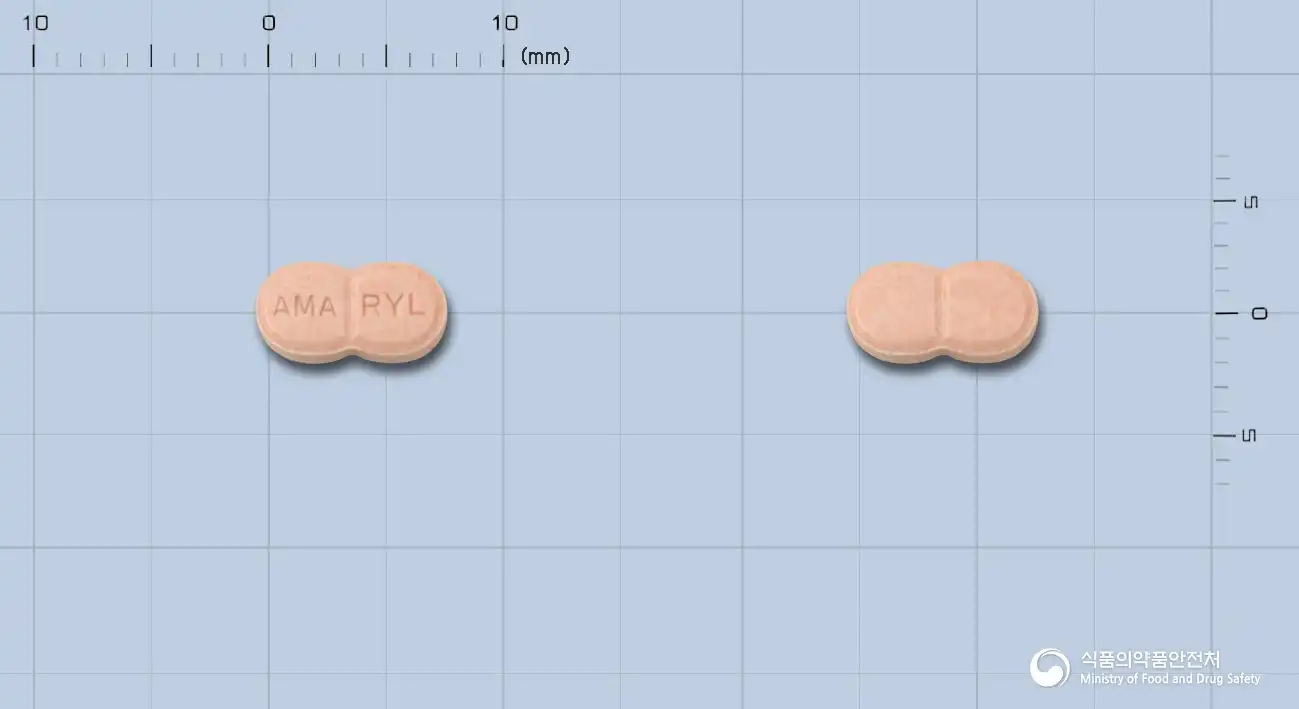
Glimepiride 1mg
Tablet · Prescription medication
Handok Co., Ltd.
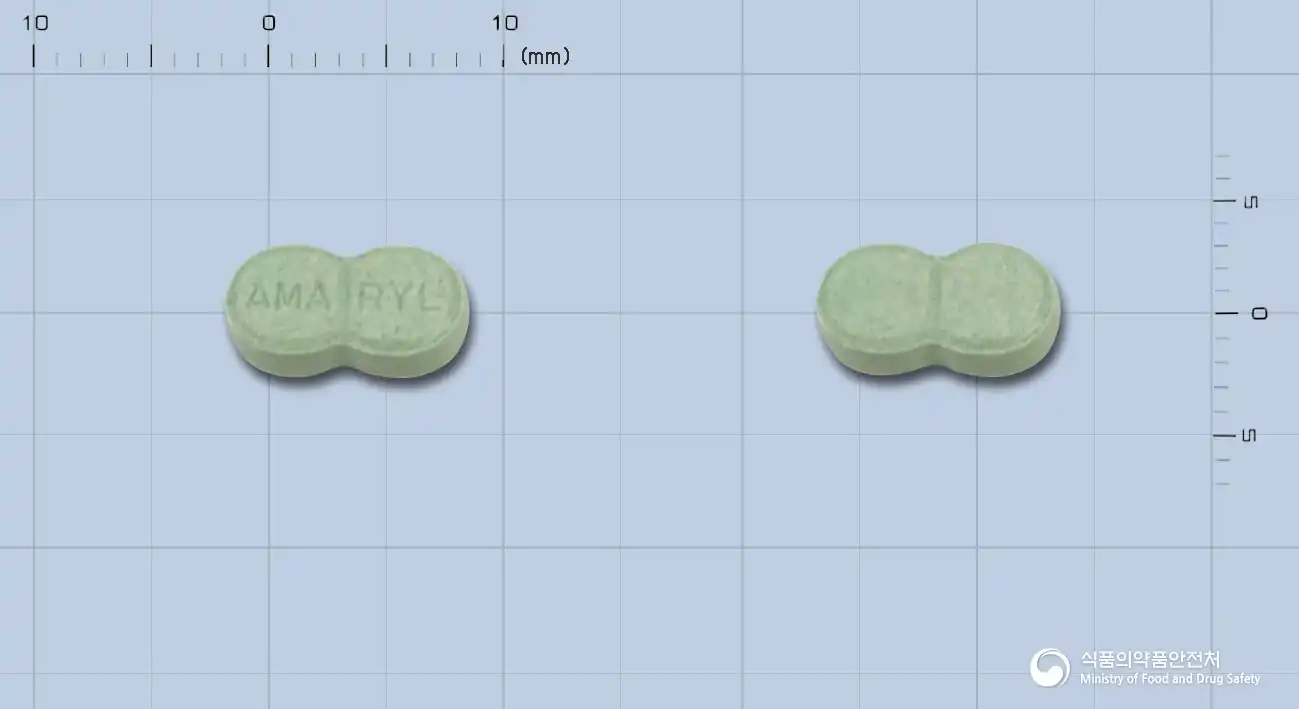
Glimepiride 2mg
Tablet · Prescription medication
Handok Co., Ltd.
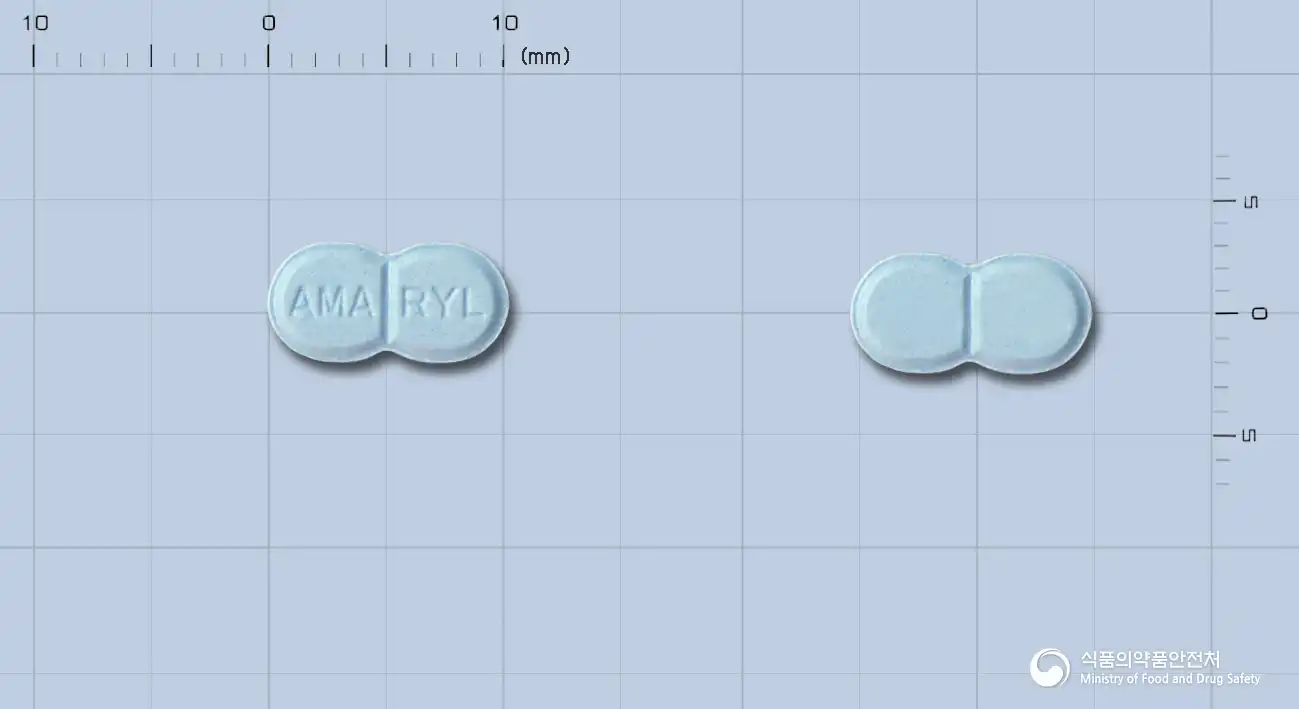
Glimepiride 4mg
Tablet · Prescription medication
(Hanmi Pharmaceutical Co., Ltd.)
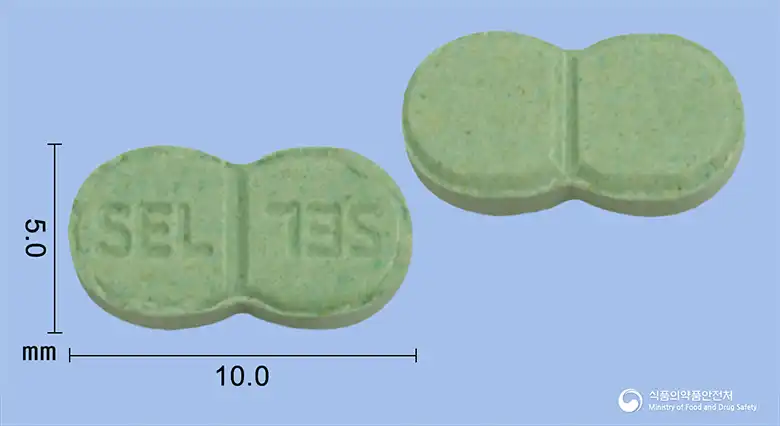
Glimepiride 2mg
Tablet · Prescription medication
Seoul Pharmaceutical Co., Ltd.
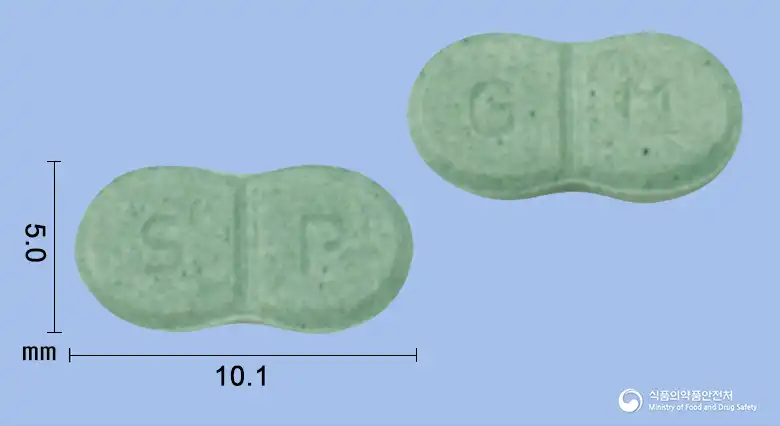
Glimepiride 2mg
Tablet · Prescription medication
Shinpoong Pharmaceutical Co., Ltd.
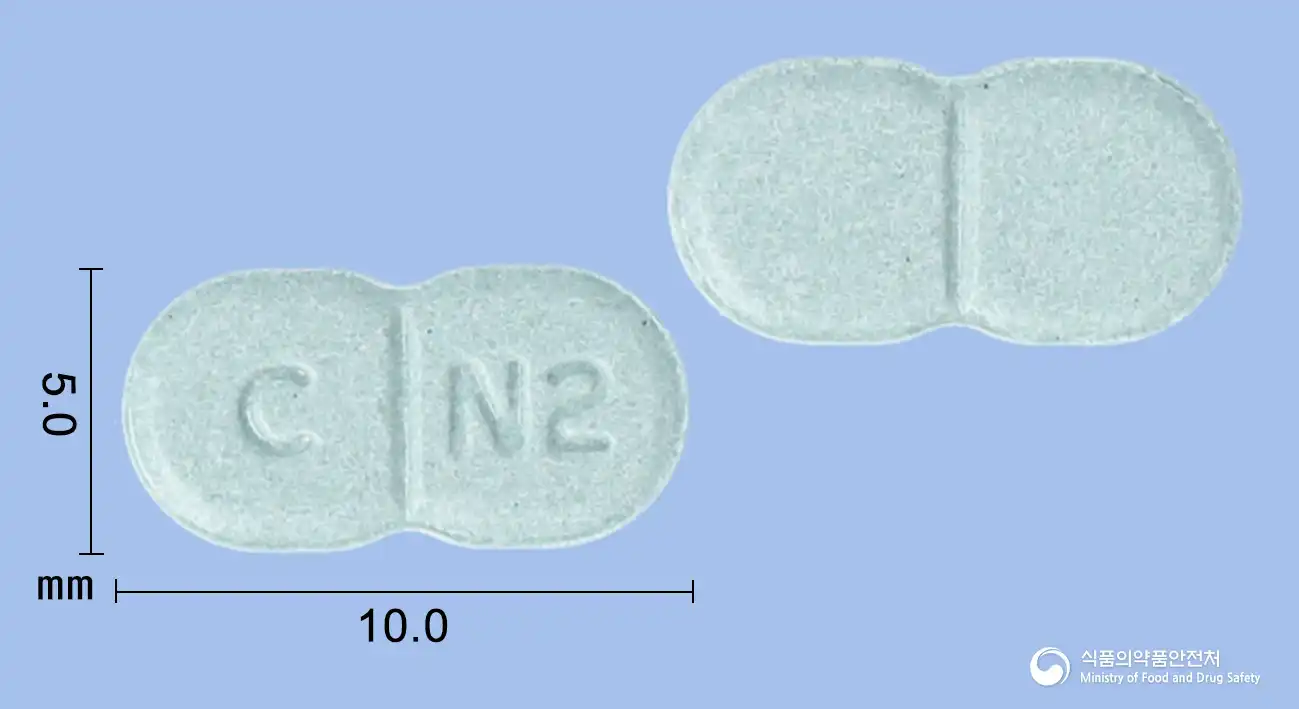
Glimepiride 2mg
Tablet · Prescription medication
Jongkundang Co., Ltd.
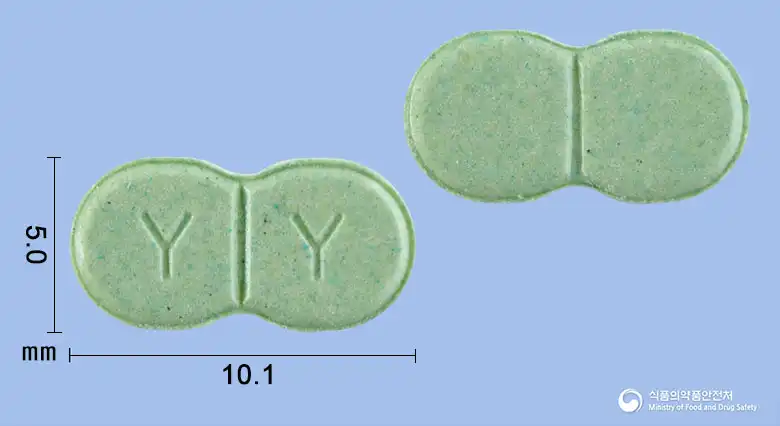
Glimepiride 2mg
Tablet · Prescription medication
IYun Pharmaceuticals Co., Ltd.
Even with the same ingredient, the dose and directions can differ by strength and dosage form. Talk to a doctor or pharmacist before switching from a medication you are already taking.
No questions yet.
For anything that needs medical judgment, consult a doctor or pharmacist.
This drug information is based on data provided by the Korea Ministry of Food and Drug Safety.
Consult a doctor or pharmacist for accurate dosage, administration, and usage instructions.