
 한국어
한국어 English
 日本語
日本語 中文(简体)
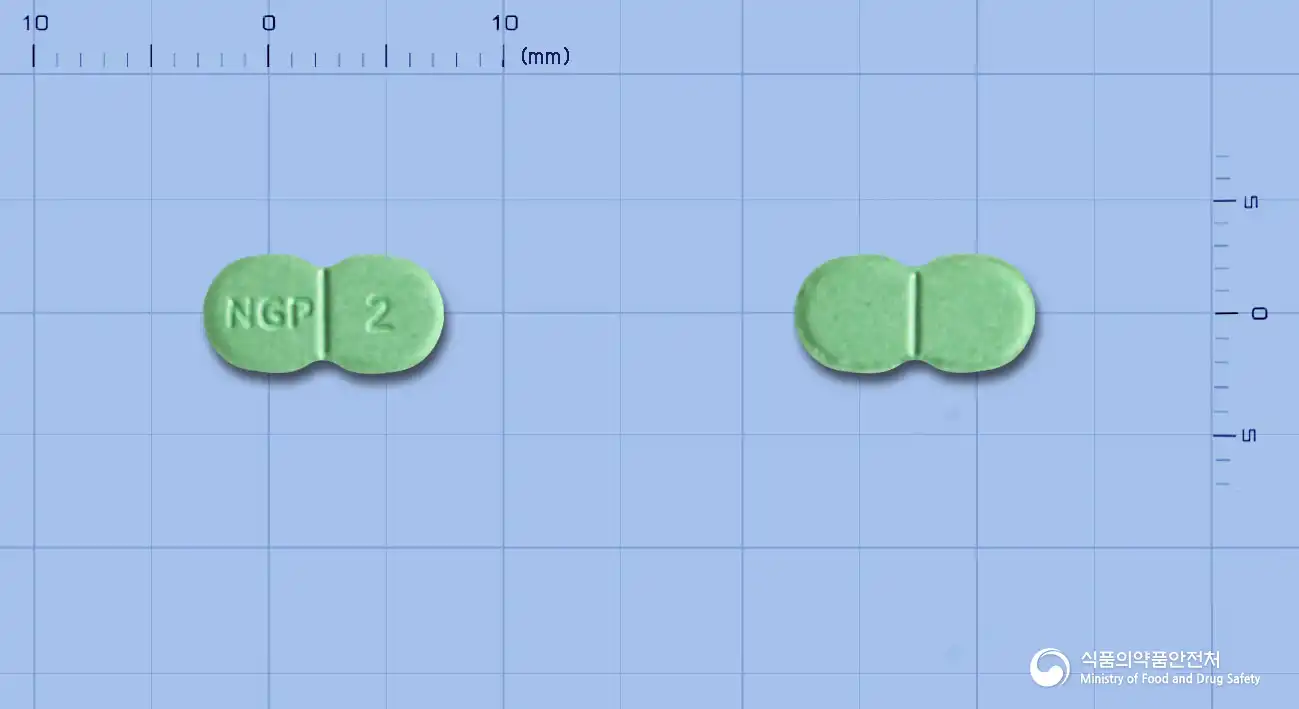 Viewing now
Glimepyridine 2 mg Tablets (Glymepiride)
Glimepiride 2mg
Tablet · Prescription medication
Celix Co., Ltd.
MFDS item code 201404010 · Approved 2014.08.28 · Insurance code 646203660
Improvement of blood sugar control in type 2 diabetes
This medication is used to improve blood sugar control in patients with type 2 diabetes. It acts as an adjunct to dietary and exercise therapy and can be used alone. If blood sugar control is insufficient with monotherapy, it can be combined with other oral hypoglycemic agents or insulin. Particularly when control is difficult with sulfonylureas or monotherapy with metformin, it can be used in conjunction with metformin to assist in more effective blood sugar control. This medication plays a vital role in improving blood sugar management and is widely used in the treatment of type 2 diabetes.
Dosage should be individually adjusted for each patient. Swallow without chewing with more than 1/2 cup of water. This medication is administered orally once a day. It should be taken before breakfast or just before the first meal, and it is very important not to skip a meal after taking it. 1. Monotherapy 1) Initial dosage and dosage determination In patients who have not received any medication before, start at 1 mg once a day of glymepiride. If necessary, increase the dosage by 1 mg at intervals of 1 to 2 weeks. Generally, there are minimal additional benefits when administered over 4 mg, however, some patients have seen better metabolic control with a dose increase to 6 mg (or 8 mg). If administration of 4 mg per day fails, consider switching to insulin therapy first, and if not, consider combination therapy with insulin or other oral diabetes medications. 2) Secondary dosage adjustments As treatment progresses, the required amount of this medication may decrease as blood sugar control improves. Therefore, dosage reduction or discontinuation of this medication may be necessary to avoid hypoglycemia. Dosage adjustments should also be considered if there is weight loss, lifestyle changes, or other factors that increase the risk of hypoglycemia or hyperglycemia. 3) Switching from other oral hypoglycemic agents to this medication There is no exact dosage correlation between this medication and other oral hypoglycemic agents. When switching from another oral agent to this medication, it is advisable to follow the initial dosage methods presented. That is to start with 1 mg once a day and adjust the dose every 1 to 2 weeks. Consideration should be given to the efficacy and duration of action of the previously administered medication. 4) Dosage adjustments During the administration of this medication, blood glucose and/or urine glucose levels should be measured regularly, and it is also recommended to regularly check glycosylated hemoglobin (HbA1c) levels. Generally, hypoglycemia is controlled immediately by consuming sugar. Even if hypoglycemia is successfully managed at first when administering sulfonylureas, it may recur. Therefore, patients should be closely monitored. In cases of severe hypoglycemia, immediate medical intervention and follow-up monitoring are required, and sometimes hospitalization may be necessary. 2. Combination therapy 1) Combination therapy with insulin This medication is used in combination with insulin in patients who experience secondary failure and is indicated when fasting blood glucose (FBG) exceeds 150 mg/dL. This medication is administered once a day with the first meal at 8 mg, and insulin should be started at a low dose and increased approximately weekly based on fasting blood glucose measurements. Once stabilized, it is necessary to regularly monitor capillary blood glucose as much as possible. It is necessary to periodically adjust the insulin dosage while measuring blood glucose and glycosylated hemoglobin. 2) Combination therapy with metformin If the patient does not adequately respond to the maximum dose of this medication, the addition of metformin may be considered. Clinical information on the combination therapy of glyburide, glipizide, chlorpropamide, and tolbutamide with metformin exists. In the combination of this medication and metformin, desired blood sugar levels can be achieved by adjusting the doses of each medication. However, efforts should be made to determine the minimum effective dose for glucose control of each medication. There is a risk of hypoglycemia when administering this medication with metformin, and the risk may be increased. Proper caution is advised.
This medication should not be used in patients with insulin-dependent diabetes, diabetic ketoacidosis, or in a comatose state. Also, it should not be administered to those who are allergic to this medication, its components, or sulfonylureas. Patients with severe liver or kidney dysfunction should not use this medication as they have no experience with it and it is recommended to switch to insulin therapy. Pregnant or breastfeeding women should also refrain from taking this medication. In cases of severe infection, preoperative or postoperative conditions, or severe trauma, insulin therapy may be necessary. If gastrointestinal disorders such as diarrhea or vomiting occur, caution is advised as food absorption may be poor, increasing the risk of hypoglycemia. This medication contains lactose and should not be administered to patients with genetic metabolic disorders like galactose intolerance. There is a high risk of hypoglycemia in the early stages of treatment, thus elderly patients or those with irregular eating habits, and patients with decreased kidney or liver function should frequently check their blood sugar levels. If symptoms of hypoglycemia occur, immediate sugar intake is necessary, and if the symptoms are severe, consult medical personnel. When taken with other medications, interactions may influence blood sugar control, so it is essential to inform healthcare professionals. This medication contains Yellow No. 4 (Tartrazine), so patients who are allergic to it should exercise caution. In cases of overdose, severe hypoglycemia may occur, so immediate emergency care is needed, and appropriate treatment should be obtained at a medical institution. The safety of this medication has not been established in children, and elderly patients may require dosage adjustment due to decreased kidney function. When storing, keep this medication out of reach of children, and store in the original container to prevent misuse or degradation of quality.
Hives, severe swelling (edema), difficulty breathing, severe allergic reactions, high fever with severe rashes, blisters, skin peeling, pain in mucous membranes of mouth/eyes, severe skin adverse reactions, jaundice, liver abnormalities, sudden and very severe headaches, seizures, confusion, visual disturbances, paralysis, severe neurological symptoms, markedly reduced urine output, severe generalized swelling and elevated blood pressure, severe edema or urinary issues, thrombocytopenia.
Not everyone experiences these, and they can vary from person to person.
This medication may be sensitive to air or moisture, so it must be stored in a sealed container. Moreover, the storage temperature should maintain room temperature between 1 degree and 30 degrees Celsius. This storage method will safely preserve the medication's effectiveness.
Green rectangular tablet
30 tablets/bottle, 100 tablets/bottle
Even with the same ingredient, strength, dosage form and how it is taken can differ.
Viewing nowGlimepiride 2mg
Tablet · Prescription medication
Celix Co., Ltd.
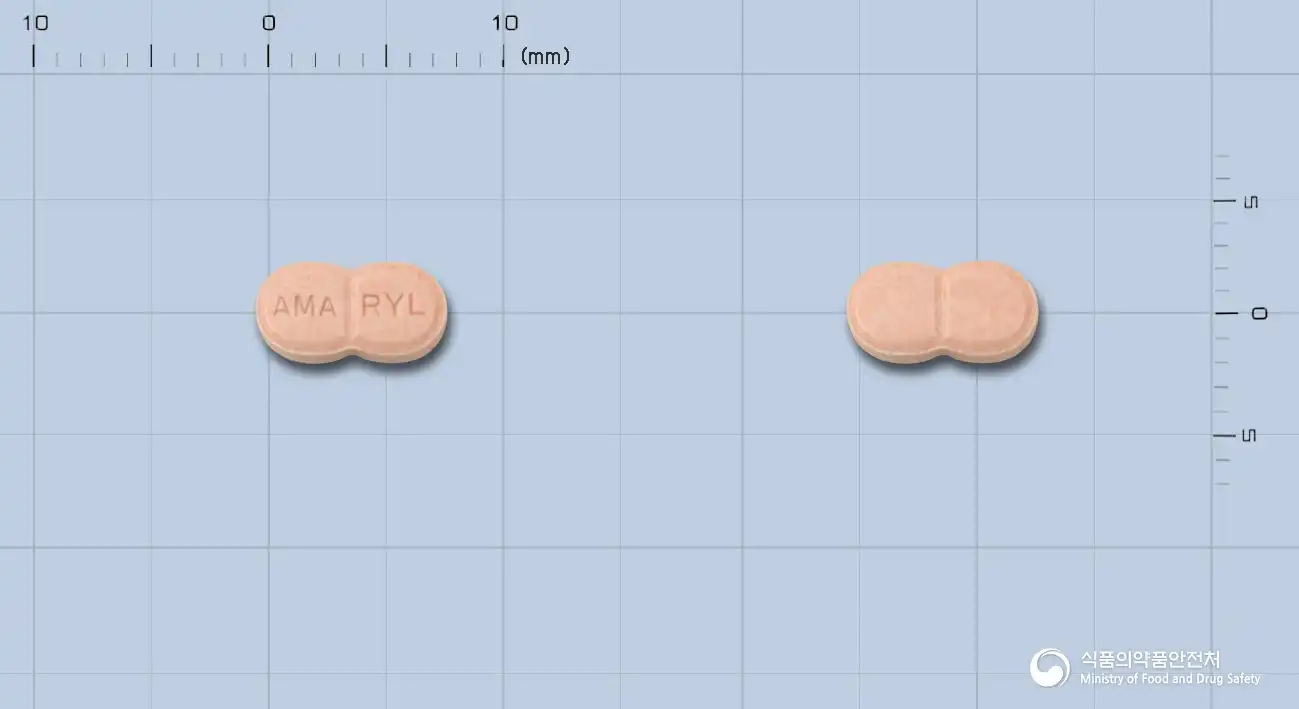
Glimepiride 1mg
Tablet · Prescription medication
Handok Co., Ltd.
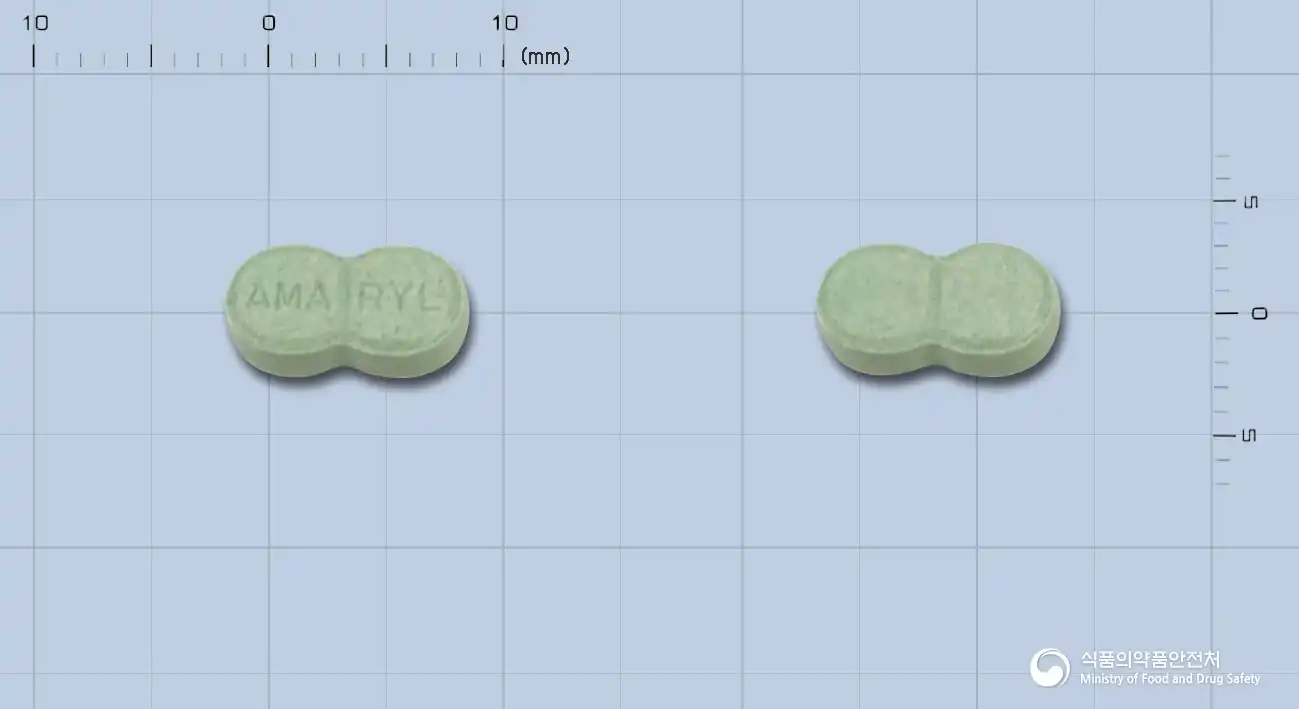
Glimepiride 2mg
Tablet · Prescription medication
Handok Co., Ltd.
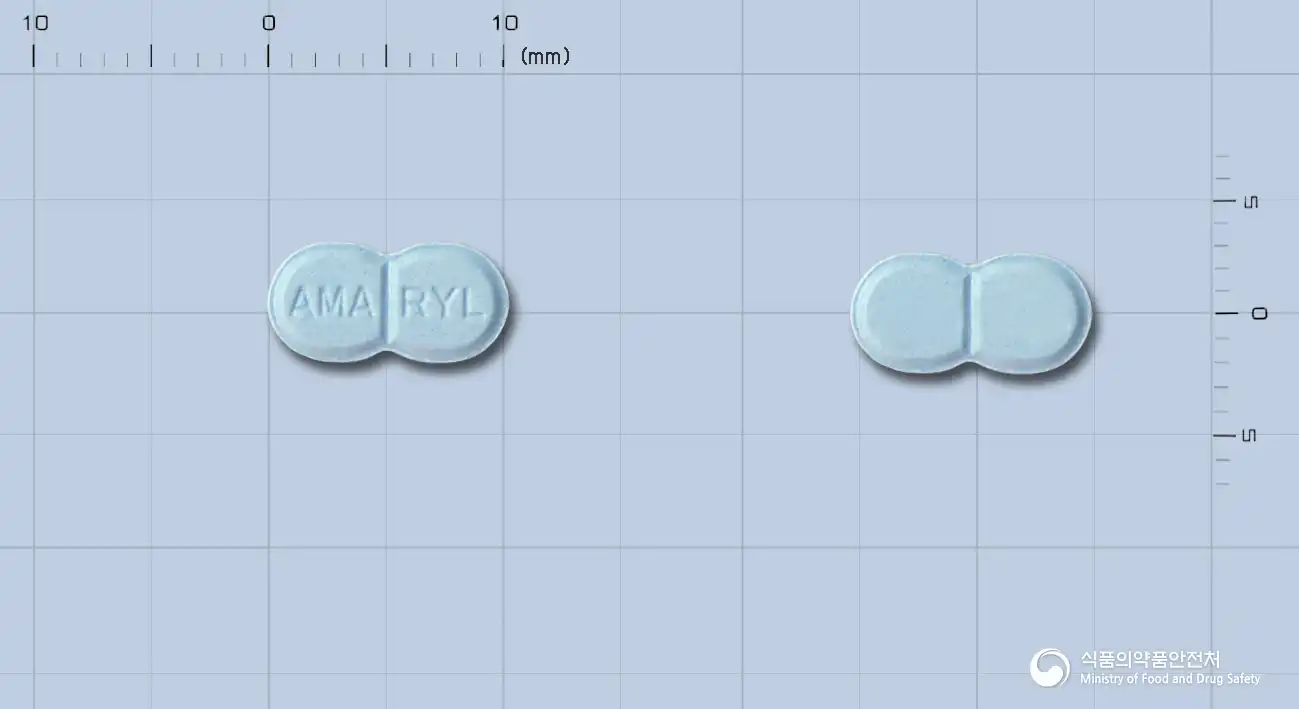
Glimepiride 4mg
Tablet · Prescription medication
(Hanmi Pharmaceutical Co., Ltd.)
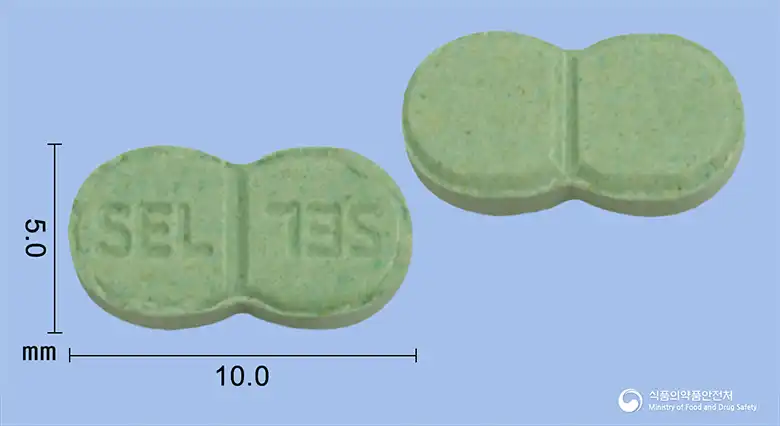
Glimepiride 2mg
Tablet · Prescription medication
Seoul Pharmaceutical Co., Ltd.
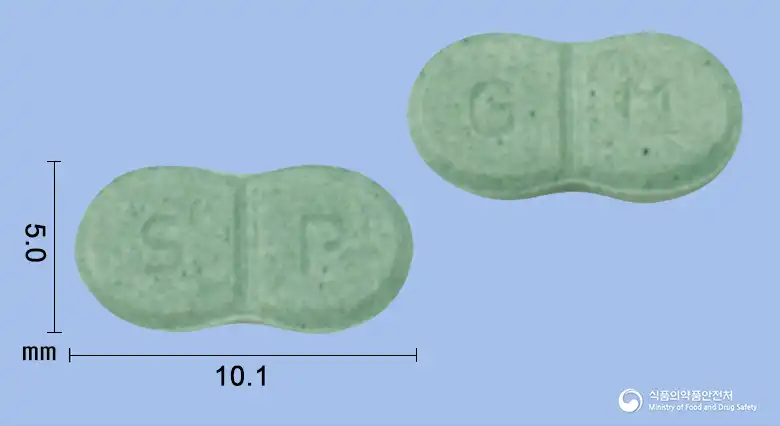
Glimepiride 2mg
Tablet · Prescription medication
Shinpoong Pharmaceutical Co., Ltd.
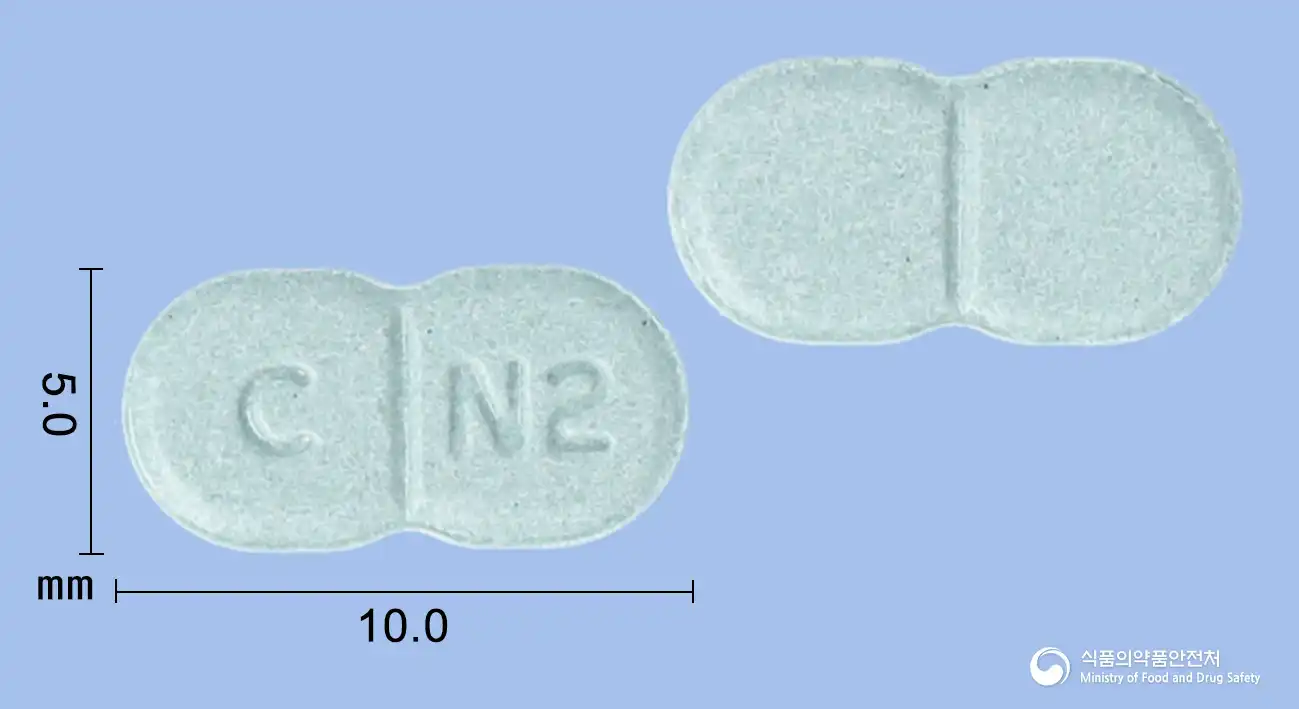
Glimepiride 2mg
Tablet · Prescription medication
Jongkundang Co., Ltd.
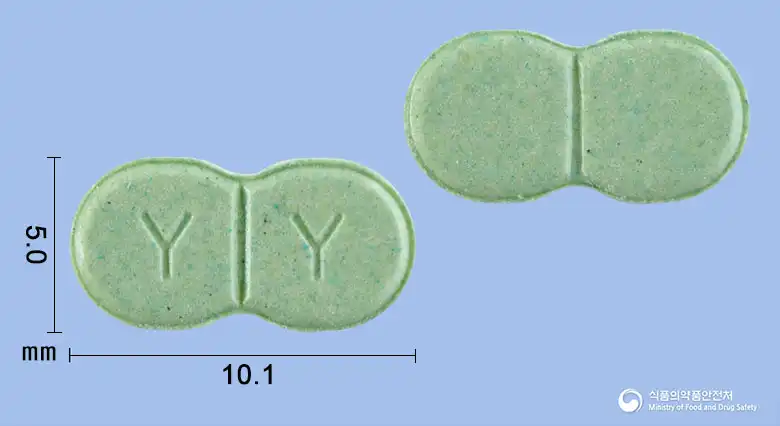
Glimepiride 2mg
Tablet · Prescription medication
IYun Pharmaceuticals Co., Ltd.
Even with the same ingredient, the dose and directions can differ by strength and dosage form. Talk to a doctor or pharmacist before switching from a medication you are already taking.
No questions yet.
For anything that needs medical judgment, consult a doctor or pharmacist.
This drug information is based on data provided by the Korea Ministry of Food and Drug Safety.
Consult a doctor or pharmacist for accurate dosage, administration, and usage instructions.