
 한국어
 English
 日本語
 中文(简体)
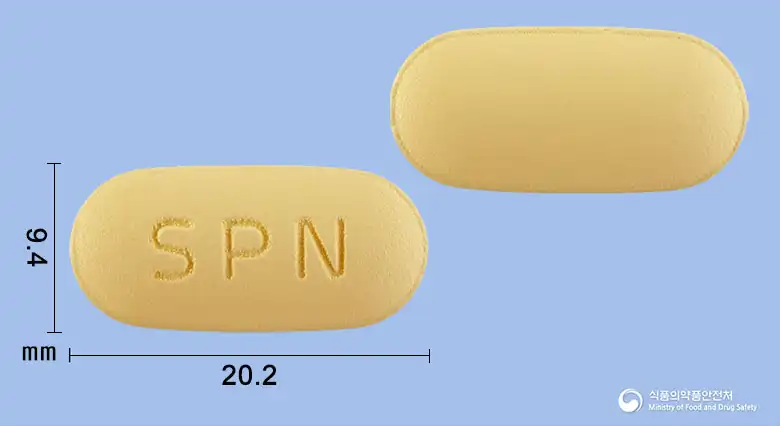 Viewing nowCombination
Esoroxen Tablet (Naproxen, Esomeprazole)
Esomeprazole 20mg · Naproxen 500mg
Tablet · Prescription medication · Combination
Korea Pharmaceutical Co., Ltd.
MFDS item code 201403728 · Approved 2014.08.12 · Insurance code 642802700
Treatment of symptoms of joint disorders (including osteoarthritis and rheumatoid arthritis)
This medicine is used for patients at risk of developing gastric ulcer or duodenal ulcer who are not sufficiently controlled with low-dose naproxen or other nonsteroidal anti-inflammatory analgesics. Its main indications are effective for the treatment of symptoms of arthritis such as osteoarthritis, rheumatoid arthritis, and ankylosing spondylitis. This medicine helps alleviate inflammation and pain, improving joint function and quality of life. It is important to take this medicine while being cautious of gastrointestinal side effects to ensure patients can be treated safely. It is a medication that contributes to improving symptoms with appropriate dosage adjustment.
Adults: Take 1 tablet (naproxen 500mg/esomeprazole 20mg) orally twice daily. Swallow this medicine whole with water; do not split, chew, or crush it. It is recommended to take it at least 30 minutes before a meal.
This medicine should be discussed with a doctor or pharmacist if you regularly consume more than three alcoholic beverages daily, as it may increase the risk of gastrointestinal bleeding. This medicine can affect the cardiovascular system, so those with cardiovascular diseases or risk factors should be especially cautious, as serious issues such as myocardial infarction or stroke may occur, and symptoms should be monitored closely. It may also affect the gastrointestinal system, leading to bleeding, ulcers, or perforation in the stomach or intestines, and the risk may increase especially in the elderly or those taking it for extended periods. This medicine is contraindicated in patients with allergies to certain components, active peptic ulcer disease, severe blood disorders, or severe liver, heart, or kidney diseases. Patients with a history of peptic ulcer disease, blood disorders, liver or kidney impairment, asthma, and the elderly should be particularly cautious when using this medicine. Various adverse reactions may occur during treatment, and symptoms such as skin rashes, gastrointestinal bleeding, cardiovascular abnormalities, and liver and kidney dysfunction should be monitored closely. This medicine may interact with other medications, so it is essential to inform if you are currently taking other medications; caution is needed when used with certain antiviral agents, anticoagulants, diuretics, etc. This medicine should especially not be taken during late pregnancy, and it is best to avoid it while breastfeeding, as its components can be transferred to breast milk and affect the baby. Safety and efficacy have not been established in children under 18 years old, so it is not recommended. In the elderly, the risk of adverse effects such as gastrointestinal bleeding is higher, so it should be used cautiously at the minimum effective dose, and regular checks on liver and kidney functions are important during treatment. This medicine may cause drowsiness or weakness, so caution is advised when driving or operating machinery. When taking this medicine, it should be swallowed according to the specified method, preferably 30 minutes before meals.
Gastrointestinal bleeding, cardiovascular thrombotic reactions, myocardial infarction, stroke, bleeding from the stomach or intestinal tract, ulcers, perforation, diverticulitis, eosinophilia, leukopenia, hypersensitivity reactions, appetite disturbances, fluid retention, hyperkalemia, hyperuricemia, anxiety, depression, insomnia, mental confusion, abnormal dreams, dizziness, headache, taste disturbances, sensory abnormalities, fainting, drowsiness, tremors, tinnitus, vertigo, arrhythmia, palpitations, myocardial infarction, tachycardia, hypertension, asthma, bronchospasm, dyspnea, dyspepsia, abdominal pain, constipation, diarrhea, esophagitis, abdominal distension, gastric ulcer, gastritis, nausea, vomiting, dry mouth, belching, gastrointestinal bleeding, stomatitis, glossitis, hematemesis, rectal bleeding, skin rash, dermatitis, hyperhidrosis, itching, urticaria, alopecia, petechiae, arthralgia, myalgia, proteinuria, renal failure, menstrual disorders, edema, lethargy, fatigue, fever, abnormal liver function test results, elevated serum creatinine, shock symptoms, PIE syndrome, anaphylactic reaction, urticaria, rash, itching, hematemesis, peptic ulcer, perforation, abdominal discomfort, gastric pain, stomatitis, abdominal bloating, melena, polydipsia, glossitis, melanosis, pancreatitis, colitis, exacerbation of inflammatory bowel disease, ulcerative stomatitis, agranulocytosis, neutropenia, pancytopenia, thrombocytopenia, aplastic anemia, hemolytic anemia, thrombocytopathy, lymphadenitis, elevated GOT, GPT, jaundice, hepatitis, liver failure, cholestasis, glomerulonephritis, hematuria, nephrotic syndrome, renal papillary necrosis, oliguria, polyuria, interstitial nephritis, cognitive dysfunction, vertigo, paresthesia, decreased libido, loss of concentration, disorientation, muscle weakness, agitation, hallucinations, hypersensitivity, aseptic meningitis, pneumonia, pulmonary edema, respiratory depression, eczema, purpura, photosensitivity, erythema, necrotizing lysis, erythema multiforme, Stevens-Johnson syndrome, epidermolysis bullosa, nodular erythema, fixed drug eruption, lichen planus, porphyria cutanea tarda, exfoliative dermatitis, pustular reaction, hearing impairment, visual impairment, edema, hyperglycemia, hypoglycemia, weight changes, sepsis, angioedema, congestive heart failure, infertility, chills, vasculitis, elevated serum creatinine levels, fever, hematologic deficiency, vascular edema, anaphylaxis, shock, peripheral edema, hyponatremia, hypomagnesemia, aggression, visual obscuration, bronchospasm, gastrointestinal candidiasis, microscopic inflammation of the colon, Clostridium difficile-associated diarrhea, elevated liver enzymes, hepatic encephalopathy, photosensitivity, toxic epidermal necrolysis, acute generalized exanthematous pustulosis, DRESS syndrome, muscle weakness, gynecomastia, asthenia, increased sweating, systemic lupus erythematosus, cutaneous lupus erythematosus, gastric polyp, hypocalcemia, hypokalemia, rhabdomyolysis, myalgia, asthenia, elevated creatine kinase, increased serum and urinary myoglobin, somnolence, epigastric pain, abdominal discomfort, heartburn, transient worsening of liver function, hypoprothrombinemia, metabolic acidosis, apnea, disorientation, acute renal failure, coma
Not everyone experiences these, and they can vary from person to person.
This medicine should be stored in a tightly sealed container to avoid exposure to air or moisture. The storage temperature should be maintained between 1 to 30 degrees Celsius at room temperature.
Yellow, oval-shaped film-coated tablets consisting of three layers
30 tablets/bottle, 100 tablets/bottle
Even with the same ingredient, strength, dosage form and how it is taken can differ.
Viewing nowCombinationEsomeprazole 20mg · Naproxen 500mg
Tablet · Prescription medication · Combination
Korea Pharmaceutical Co., Ltd.
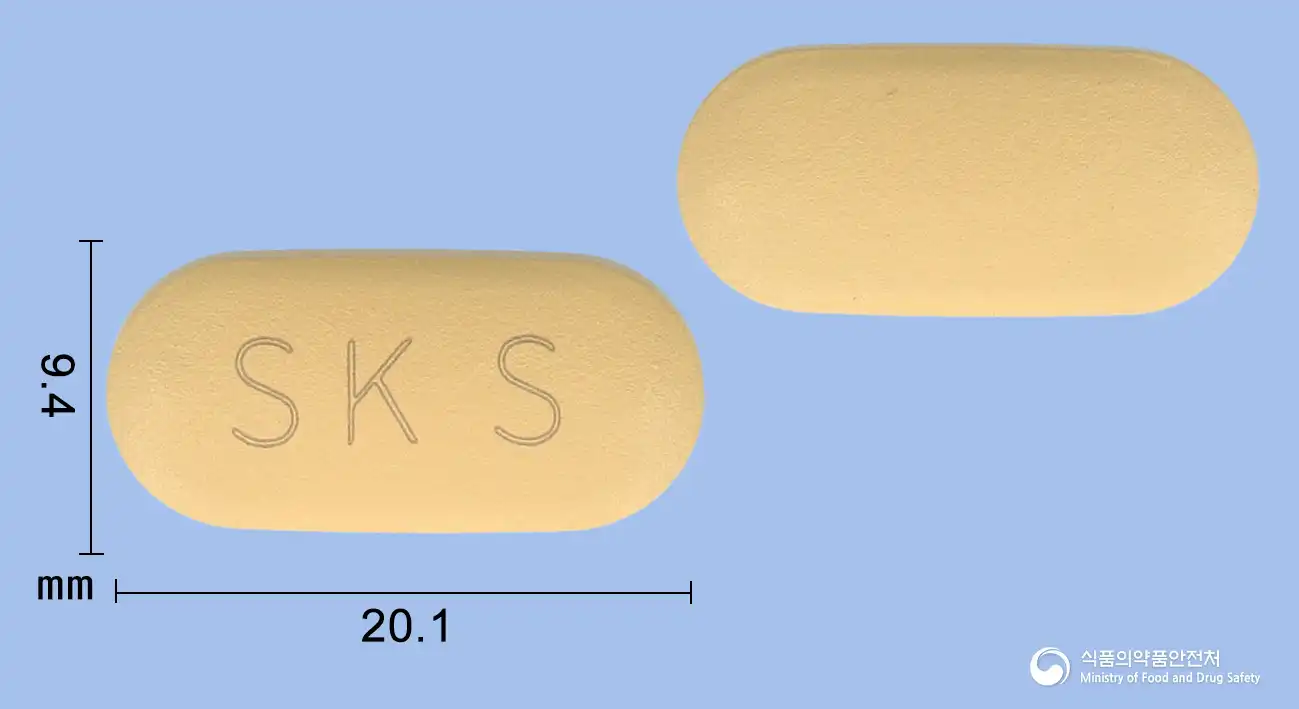 Combination
Esomeprazole 20mg · Naproxen 500mg
Tablet · Prescription medication · Combination
SK Chemicals Co., Ltd.
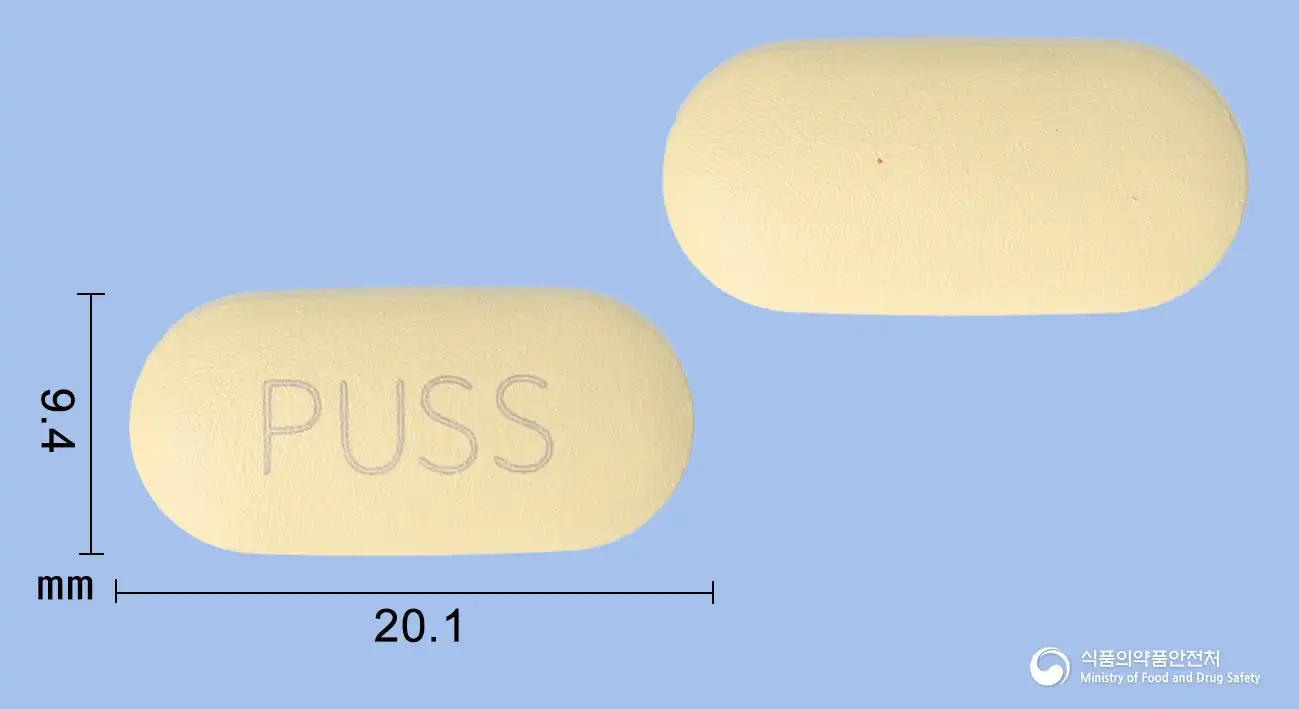 Combination
Esomeprazole 20mg · Naproxen 500mg
Tablet · Prescription medication · Combination
Korea PMG Pharmaceutical Co., Ltd.
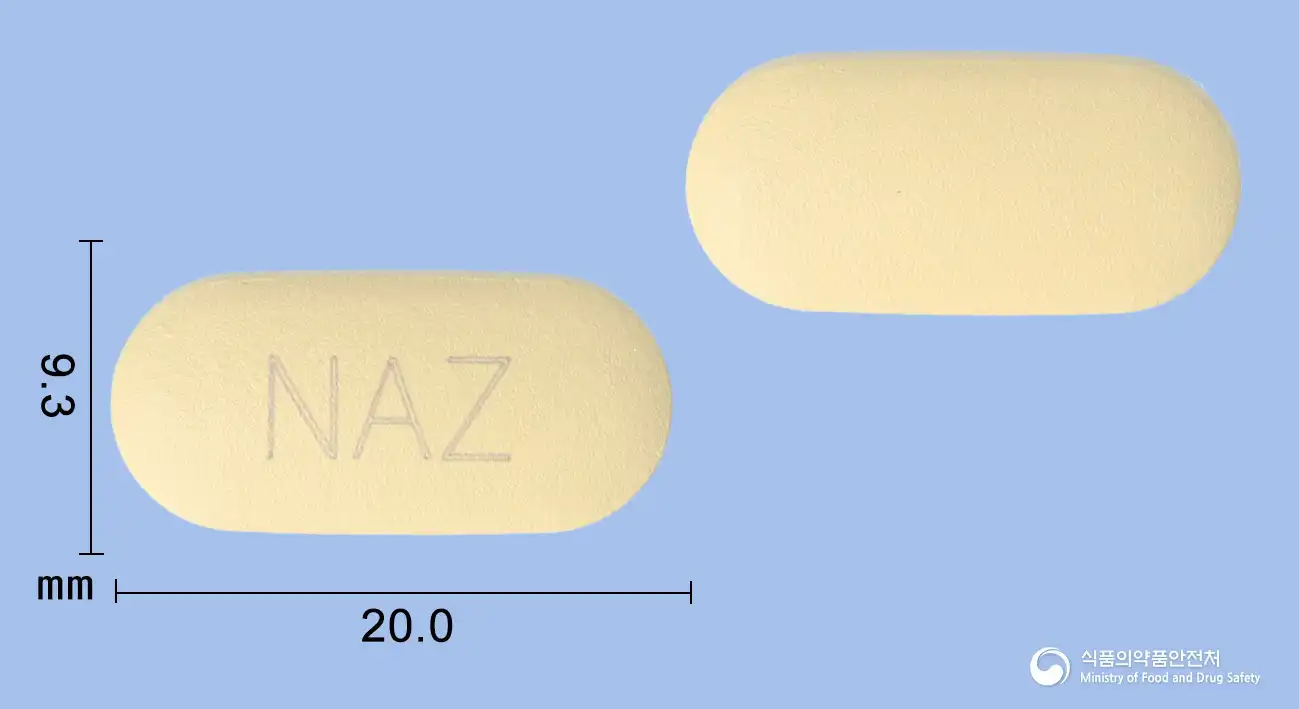 Combination
Esomeprazole 20mg · Naproxen 500mg
Tablet · Prescription medication · Combination
Albojen Korea Co., Ltd.
Even with the same ingredient, the dose and directions can differ by strength and dosage form. Talk to a doctor or pharmacist before switching from a medication you are already taking.
No questions yet.
For anything that needs medical judgment, consult a doctor or pharmacist.
This drug information is based on data provided by the Korea Ministry of Food and Drug Safety.
Consult a doctor or pharmacist for accurate dosage, administration, and usage instructions.