
 한국어
한국어 English
 日本語
日本語 中文(简体)
 Viewing now
Gyeongnam Naproxen Soft Capsule
Naproxen 250mg
Soft capsule · OTC medication
Gyeongnam Pharmaceutical Co., Ltd.
MFDS item code 201403474 · Notified 2014.07.29
Relief of inflammation and pain in conditions such as rheumatoid arthritis and osteoarthritis
This medication is used for chronic joint diseases such as rheumatoid arthritis, osteoarthritis, and ankylosing spondylitis, as well as tendinitis, acute gout, and dysmenorrhea. It is also effective for pain caused by bursitis, muscle and ligament injuries, postoperative pain, migraines, and pain after tooth extraction. Overall, it alleviates inflammation and pain in the body, assisting patients in their daily lives.
1. Rheumatoid arthritis, osteoarthritis, ankylosing spondylitis Naproxen: 250-500mg orally, twice a day (every 12 hours). 2. Acute gout Initial dose: 750mg orally, then 250mg every 8 hours until the attack subsides. 3. Musculoskeletal disorders, postoperative pain, pain after tooth extraction, dysmenorrhea, tendinitis, bursitis Initial dose: 500mg orally, then 250mg every 6-8 hours. Do not exceed a total daily dosage of 1250mg. 4. Migraine Initial dose: 750mg orally. If necessary, additional 250-500mg can be taken, after 30 minutes from initial dose. Do not exceed a total daily dosage of 1250mg.
This medication should be used with caution by individuals who regularly consume more than three alcoholic beverages a day, as it may increase the risk of gastrointestinal bleeding. Patients with cardiovascular diseases or risk factors should be careful, as serious cardiovascular issues like myocardial infarction or stroke may occur. It can cause serious gastrointestinal problems such as gastrointestinal bleeding, ulcers, or perforations, so it should be used cautiously, especially in the elderly or those with a history of gastrointestinal diseases. Patients with certain conditions, including peptic ulcers, severe blood disorders, liver dysfunction, heart failure, kidney disorders, and hypertension, should not take this medication. Individuals with hypersensitivity or allergic reactions to aspirin or non-steroidal anti-inflammatory drugs should also avoid this medication. Those with a history of peptic ulcers, bleeding tendencies, liver dysfunction, kidney dysfunction, heart dysfunction, hypertension, asthma, autoimmune diseases, or the elderly should use this medication cautiously. If any abnormal reactions occur during use, such as shortness of breath, low blood pressure, rash, gastrointestinal bleeding symptoms, severe headache, skin rash, etc., discontinue use immediately and consult a doctor. This medication may interact with other non-steroidal anti-inflammatory drugs, antihypertensive agents, diuretics, anticoagulants, etc., so inform your healthcare provider of any other medications you are taking. During pregnancy, especially in late pregnancy, it may harm the fetus, so it is advisable to avoid taking it. During breastfeeding, as this medication may pass into breast milk and affect the baby, it is also recommended not to use it. It is recommended not to administer this medication to children, especially infants under 2 years of age, as its safety has not been established. Elderly patients are at a higher risk of gastrointestinal bleeding or abnormal reactions, so they should start at the lowest dose and use it cautiously while monitoring their condition. In cases of overdose, symptoms may include drowsiness, dyspepsia, and vomiting; immediate medical attention is necessary if such symptoms occur. This medication should be kept out of reach of children, and transferring it to other containers may compromise its quality, so caution should be exercised.
Not everyone experiences these, and they can vary from person to person.
Do not take this medication with other non-steroidal anti-inflammatory drugs or naproxen derivatives. It may interact with hydantoin anticonvulsants, sulfonamides, sulfonylurea blood glucose-lowering agents, propranolol and other beta-blockers, ACE inhibitors (e.g., captopril), loop and thiazide diuretics, probenecid, aspirin, lithium, methotrexate, coumarin anticoagulants (e.g., warfarin), zidovudine, fluoroquinolone antibiotics (e.g., enoxacin).
This medication must be stored in a tightly sealed container to protect it from air and moisture. It is recommended to maintain a storage temperature between 1 degree and 30 degrees Celsius at room temperature.
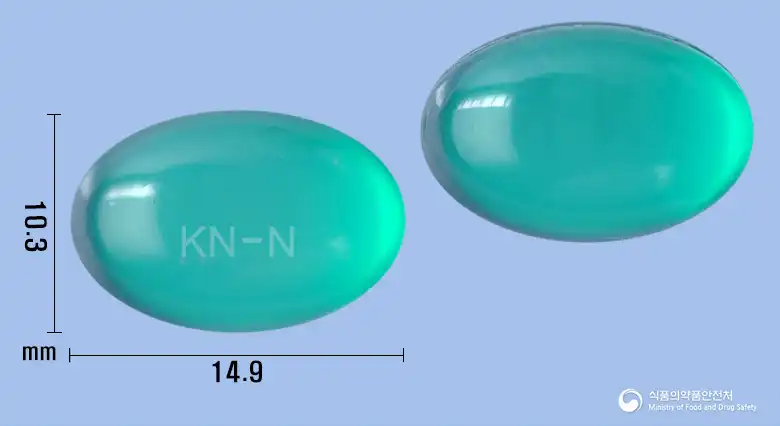
Transparent teal elliptical soft capsule containing a colorless, transparent liquid
10 capsules (10 capsules/PTP x 1)
Even with the same ingredient, strength, dosage form and how it is taken can differ.
Viewing nowNaproxen 250mg
Soft capsule · OTC medication
Gyeongnam Pharmaceutical Co., Ltd.

Naproxen 250mg
Tablet · OTC medication
Jongkundang

Naproxen 500mg
Tablet · Prescription medication
Jonggeun Dang Co., Ltd.
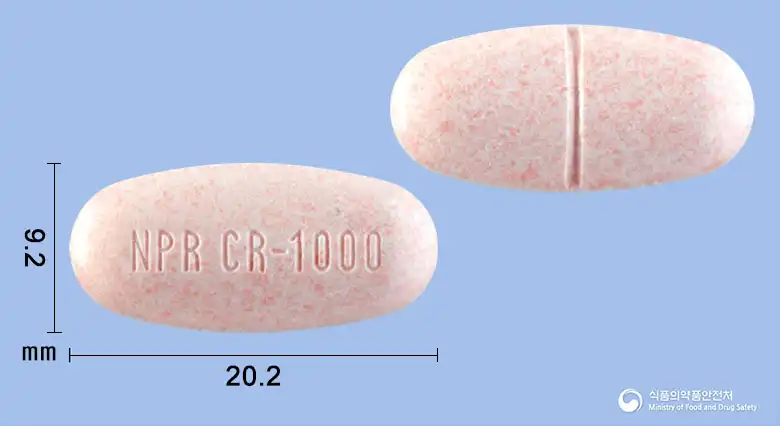
Naproxen 1000mg
Tablet · Prescription medication
Jongkundang Co., Ltd.

Naproxen 250mg
Soft capsule · OTC medication
Alpibio Co., Ltd.

Naproxen 250mg
Soft capsule · OTC medication
(GC Pharma)

Naproxen 250mg
Soft capsule · OTC medication
Seohung Co., Ltd.
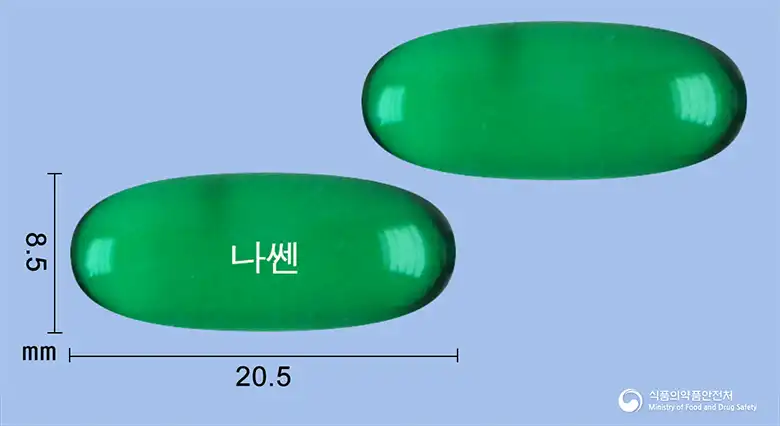
Naproxen 250mg
Soft capsule · OTC medication
Shinil Pharm Co., Ltd.
Even with the same ingredient, the dose and directions can differ by strength and dosage form. Talk to a doctor or pharmacist before switching from a medication you are already taking.
No questions yet.
For anything that needs medical judgment, consult a doctor or pharmacist.
This drug information is based on data provided by the Korea Ministry of Food and Drug Safety.
Consult a doctor or pharmacist for accurate dosage, administration, and usage instructions.