
 한국어
 English
 日本語
 中文(简体)
 Viewing now
Acetazolamide Tablet (Acetazolamide)
Acetazolamide 250mg
Tablet · Prescription medication
Hanlim Pharmaceutical Co., Ltd.
MFDS item code 201403403 · Notified 2014.07.25 · Insurance code 645304940
Relief of glaucoma; treatment of epilepsy; improvement of cardiopulmonary symptoms (edema and respiratory acidosis)
This medication alleviates edema caused by congestive heart failure, relieves symptoms of glaucoma, and assists in the treatment of epilepsy. It is also effective for improving respiratory acidosis due to emphysema. It is used for these various symptoms to improve the patient's condition.
<Adults> 1. Edema due to congestive heart failure: Administer 250 ∼ 375 mg of acetazolamide once daily in the morning. 2. Relief of glaucoma Administer 250 ∼ 1,000 mg of this drug orally in divided doses per day. In general, doses greater than 1 g within 24 hours do not increase efficacy. 3. Epilepsy: Administer 125 ∼ 1,000 mg of this drug per day in divided doses. In general, doses greater than 1 g within 24 hours do not increase efficacy. 4. Improvement of respiratory acidosis in emphysema: Administer 250 ∼ 500 mg of this drug per day in 1 ∼ 2 divided doses.
This drug belongs to the sulfonamide class and can cause severe allergic reactions in the skin and mucous membranes; therefore, treatment should be stopped immediately if symptoms occur. When using the ampule for injection, care must be taken to avoid the incorporation of glass fragments, especially when administered to children or the elderly. Patients with hyperchloremic acidosis, hyponatremia, hypokalemia, adrenal insufficiency, anuria, severe liver disease, kidney disease, patients allergic to sulfonamides, and pregnant women in the early stages should not take this medication. Patients with severe coronary artery sclerosis, cerebral arteriosclerosis, hypercapnia, those taking certain medications, elderly patients, infants, individuals with liver disease, and gout patients should use caution and be closely monitored. Various side effects such as blood disorders, electrolyte imbalance, gastrointestinal symptoms, liver function abnormalities, neurological issues, visual and hearing impairments, kidney stones, and skin allergic reactions may occur; therefore, consult a doctor immediately if any abnormal symptoms arise. Regular blood tests and electrolyte assessments should be performed during administration to check for any abnormalities. Drowsiness or dizziness may occur; hence, it is advisable to avoid driving or operating dangerous machinery. This medication may interact with other diuretics, antihypertensives, and anticonvulsants, so patients must inform healthcare providers about any concurrent medications. Pregnant women, especially in the early stages, should avoid this medication, and women of childbearing age should use effective contraceptive methods. Breastfeeding women should consult their doctor before taking this drug, as it may affect the infant. Special attention is required for children and the elderly, with careful dose adjustments and monitoring of their condition. Overdose may lead to electrolyte imbalance and central nervous system disturbances, requiring immediate medical attention. This medication is best taken in the morning and should be kept out of reach of children.
Skin-Mucosal Syndrome (Stevens-Johnson Syndrome), Toxic Epidermal Necrolysis (Lyell's Syndrome), Acute Hepatic Necrosis, Agranulocytosis, Aplastic Anemia, Hemolytic Uremic Syndrome, Anaphylaxis, Hypersensitivity Reaction, Shock, Thrombocytopenia, Leukopenia, Hemolytic Anemia, Bone Marrow Suppression, Hypokalemia, Hyponatremia, Metabolic Acidosis, Osteomalacia, Hyperglycemia, Hypoglycemia, Hyperuricemia, Rash, Loss of Appetite, Nausea, Vomiting, Diarrhea, Abdominal Pain, Constipation, Dysgeusia, Thirst, Liver Failure, Liver Dysfunction, Hepatitis, Cholestatic Jaundice, Drowsiness, Numbness, Neuralgia, Sensory Disturbance, Ataxia, Confusion, Convulsions, Flaccid Paralysis, Seizures, Dizziness, Headache, Excitability, Anxiety, Depression, Mental Confusion, Transient Myopia, Acute Angle-Closure Glaucoma, Acute Myopia, Choroidal Exudate, Choroidal Detachment, Hearing Impairment, Tinnitus, Hearing Loss, Deafness, Renal Ureteral Calculi, Acute Renal Failure, Hematuria, Crystalluria, Oliguria, Polyuria, Diabetes, Urticaria, Allergic Skin Reaction, Flushing, Photosensitivity Reaction, Growth Delay, Fatigue, Lassitude, Fever, Non-Cardiogenic Pulmonary Edema
Not everyone experiences these, and they can vary from person to person.
This medication is sensitive to light, so it should be stored in a container that does not allow light to enter. Additionally, it is recommended to store it at room temperature, between 1 to 30 degrees Celsius, avoiding extreme temperatures.
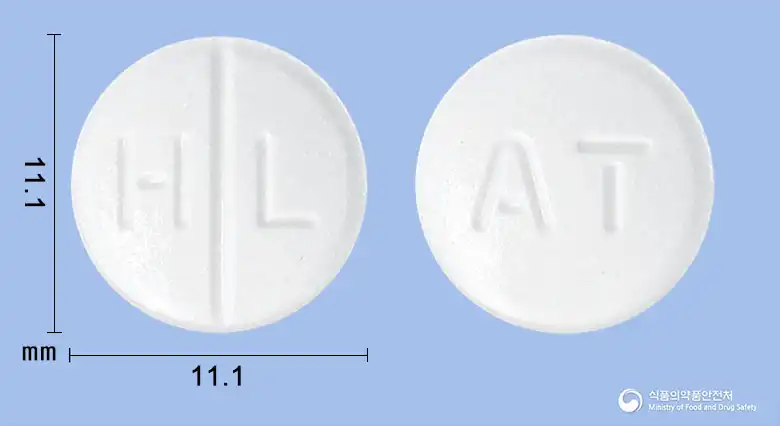
White round tablet
100 tablets/bottle
Even with the same ingredient, strength, dosage form and how it is taken can differ.
Even with the same ingredient, the dose and directions can differ by strength and dosage form. Talk to a doctor or pharmacist before switching from a medication you are already taking.
No questions yet.
For anything that needs medical judgment, consult a doctor or pharmacist.
This drug information is based on data provided by the Korea Ministry of Food and Drug Safety.
Consult a doctor or pharmacist for accurate dosage, administration, and usage instructions.