
 한국어
한국어 English
 日本語
日本語 中文(简体)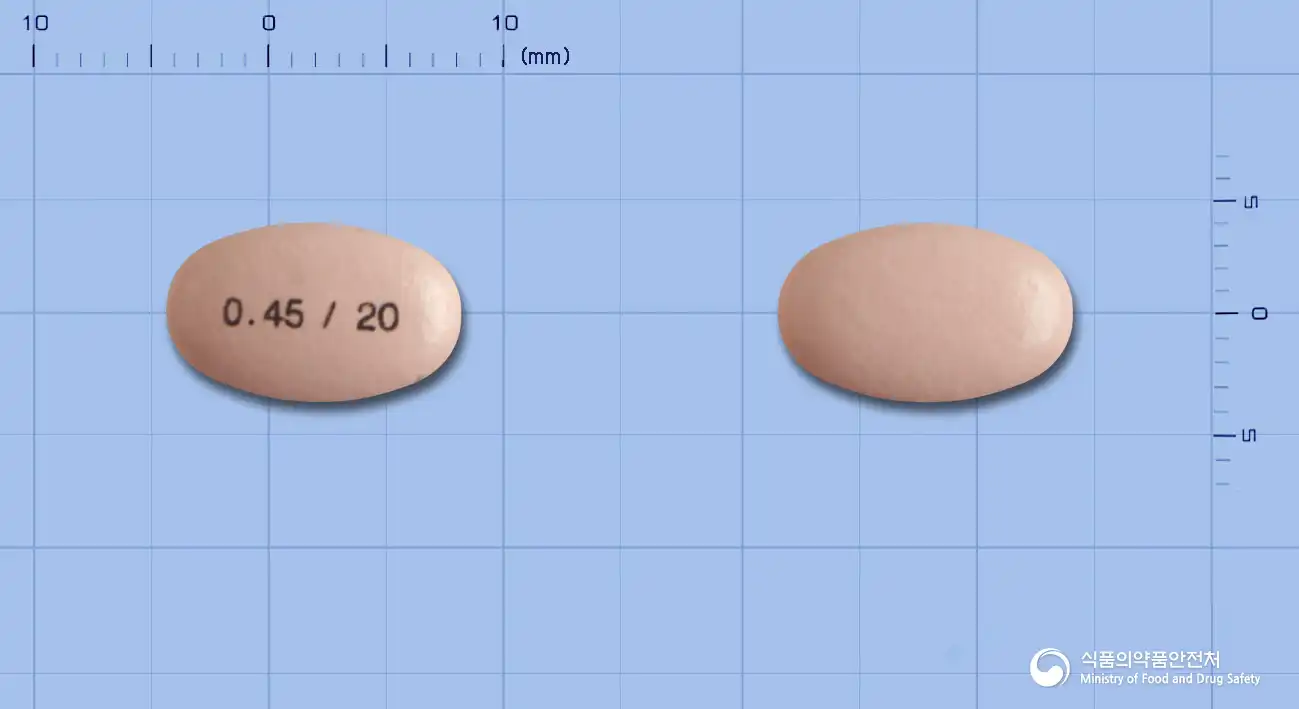
Summary
- Main use
- Relief of menopausal vasomotor symptoms and prevention of osteoporosis
- Who takes it
- Adults
- Adult dose
- For the treatment of moderate to severe vasomotor symptoms associated with menopause and prevention of postmenopausal osteoporosis, the recommended dosage is 1 tablet once daily. The tablet should be swallowed whole without chewing or crushing, regardless of food.
Ingredients
- Importer
- 한국화이자제약(주)
Efficacy & effects
Relief of menopausal vasomotor symptoms and prevention of osteoporosis
- Vasomotor symptoms
- osteoporosis
View approved original textHide original text
This medication is used to treat moderate to severe vasomotor symptoms associated with menopause in women who have not undergone a hysterectomy and to prevent postmenopausal osteoporosis. During treatment, it is important to use the medication for the shortest duration possible, considering individual patient goals and risks, and to assess the continued need for treatment through regular clinical evaluations. When used for osteoporosis prevention, it should be prescribed cautiously only to women at high risk for osteoporosis, and non-estrogen medications should also be considered. This medication is effective in alleviating menopausal symptoms and in preventing osteoporosis.
How to take
Adult dose
For the treatment of moderate to severe vasomotor symptoms associated with menopause and prevention of postmenopausal osteoporosis, the recommended dosage is 1 tablet once daily. The tablet should be swallowed whole without chewing or crushing, regardless of food.
Precautions
This medication is used to regulate hormonal balance in postmenopausal women. Women taking this medication should not take additional estrogen. Women with a uterus should exercise extra caution to reduce the risk of endometrial cancer. In postmenopausal women, persistent or recurrent genital bleeding requires medical consultation and examination to rule out cancer. This drug should not be used for the purpose of preventing cardiovascular diseases or dementia, and especially in women over 65, the risk of dementia may increase. This medication may increase the risk of thrombosis, so it should be used cautiously in individuals with risk factors for thrombosis such as high blood pressure, diabetes, or obesity. Women with undiagnosed uterine bleeding, a history of breast cancer, a history of thrombosis, liver disorders, or who are pregnant or breastfeeding should not take this medication. Additionally, patients with hereditary lactose intolerance should avoid this medication. Women with specific conditions such as hypertension, hypertriglyceridemia, certain ophthalmic diseases, cholestatic jaundice, hypocalcemia, asthma, diabetes mellitus, migraine, or hepatic hemangioma should use this medication cautiously. While taking this medication, side effects such as dizziness, nausea, diarrhea, muscle spasms, throat pain, flush, vomiting, alopecia, rash, itching, chloasma, arthralgia, leg cramps, chest pain, tenderness, swelling, discharge, vaginal secretions, pelvic pain, weight changes, increased blood pressure, drowsiness, dry mouth, peripheral edema, elevated triglycerides, elevated ALT, elevated AST, vaginitis, depression, mood swings, and changes in libido may occur, and if serious thrombosis or visual disturbances occur, immediate medical consultation is required. Women who are pregnant or may become pregnant should not take this medication, and breastfeeding women are also advised against using this medication. This drug is not for use in children and the elderly, particularly women over 75 years of age, should be carefully considered for use. It is important to receive regular check-ups and consult with healthcare professionals for safe treatment while taking this medication. In the event of an overdose, there is no specific antidote, and appropriate treatment should be given based on symptoms. Lastly, this medication should be stored out of reach of children and kept away from moisture.
Side effects and when to seek care immediately
Serious side effects
Hives, severe swelling (edema), chest tightness, difficulty breathing, cold sweat, pallor, severe rash with high fever, blisters, skin peeling, pain in mucous membranes of the mouth/eyes, shortness of breath or difficulty breathing, asthmatic attack, cough with fever and respiratory abnormality, yellowing of skin or eyes (jaundice), severe lethargy, sudden and severe headache, thunderclap headache, seizures, confusion of consciousness, visual disturbances, paralysis, urination.
Mild side effects
- Nausea
- diarrhea
- indigestion
- upper abdominal pain
- muscle spasm
- throat pain
- dizziness
- oropharyngeal pain
- facial flushing
- nausea
Show 25 moreCollapse
- vomiting
- hair loss
- rash
- itching
- chloasma
- arthralgia
- leg cramps
- chest pain
- tenderness
- swelling
- discharge
- vaginal secretions
- pelvic pain
- weight change
- increased blood pressure
- drowsiness
- dry mouth
- peripheral edema
- increased triglycerides
- elevated ALT
- elevated AST
- vaginitis
- depression
- mood changes
- libido.
Not everyone experiences these, and they can vary from person to person.
Storage
This medication should be stored in a tightly closed container to protect it from air and moisture. It is advisable to maintain the storage temperature between 15 and 30 degrees Celsius.
Appearance and packaging
Appearance
Pink film-coated extended-release tablet with a convex shape, marked with '0.45/20' on one side.
Package unit
30 tablets (15/tablet blister x 2)
Questions about this medicine
No questions yet.
For anything that needs medical judgment, consult a doctor or pharmacist.